
The Northern Lights
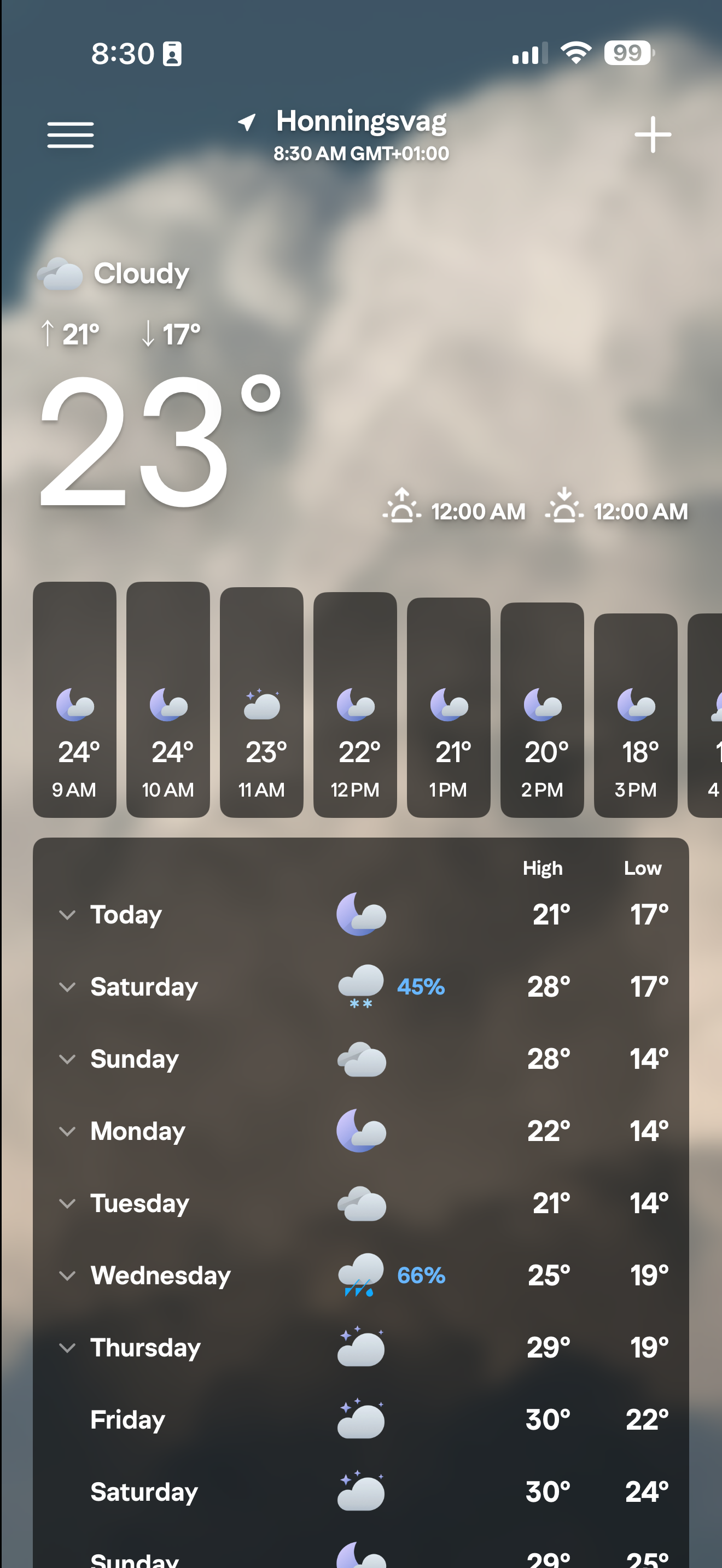
The morning we arrived in Honningsvåg, the weather forecast read: sunrise at 12:00 a.m., sunset at 12:00 a.m.
Confused, I checked again.
At this latitude, high above the Arctic Circle at this time of year, the sun neither rises nor sets. A useful detail to know. And a fitting way to begin.
In Lapland: Manifesting the Arctic, I wrote about going out in extreme –35°C temperatures to chase the light — traveling far from Rovaniemi, hoping for clear skies. That experience taught me how fleeting the Northern Lights can be, and how much of seeing them depends on timing, weather, and stamina.
This journey asked something different.
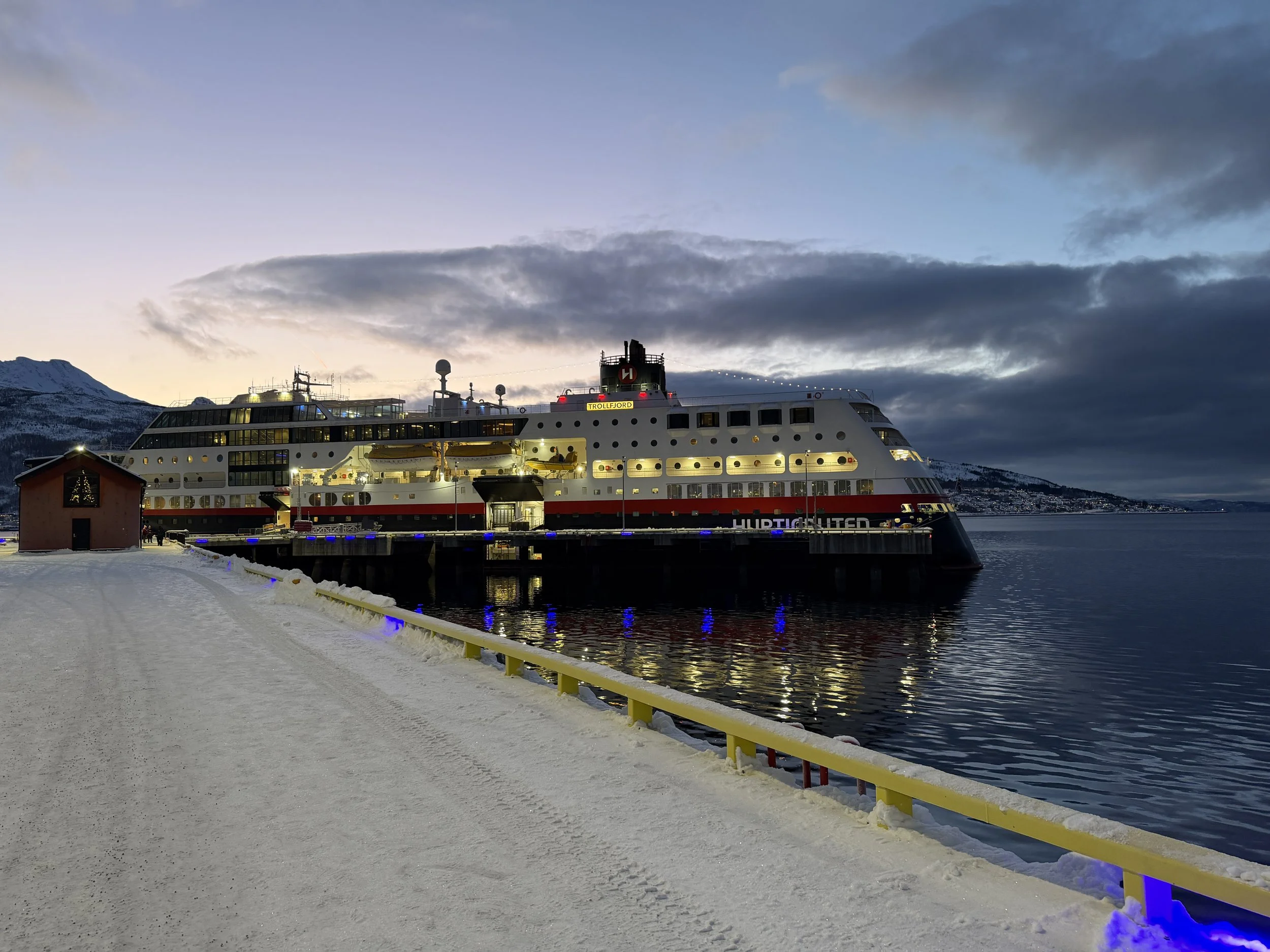
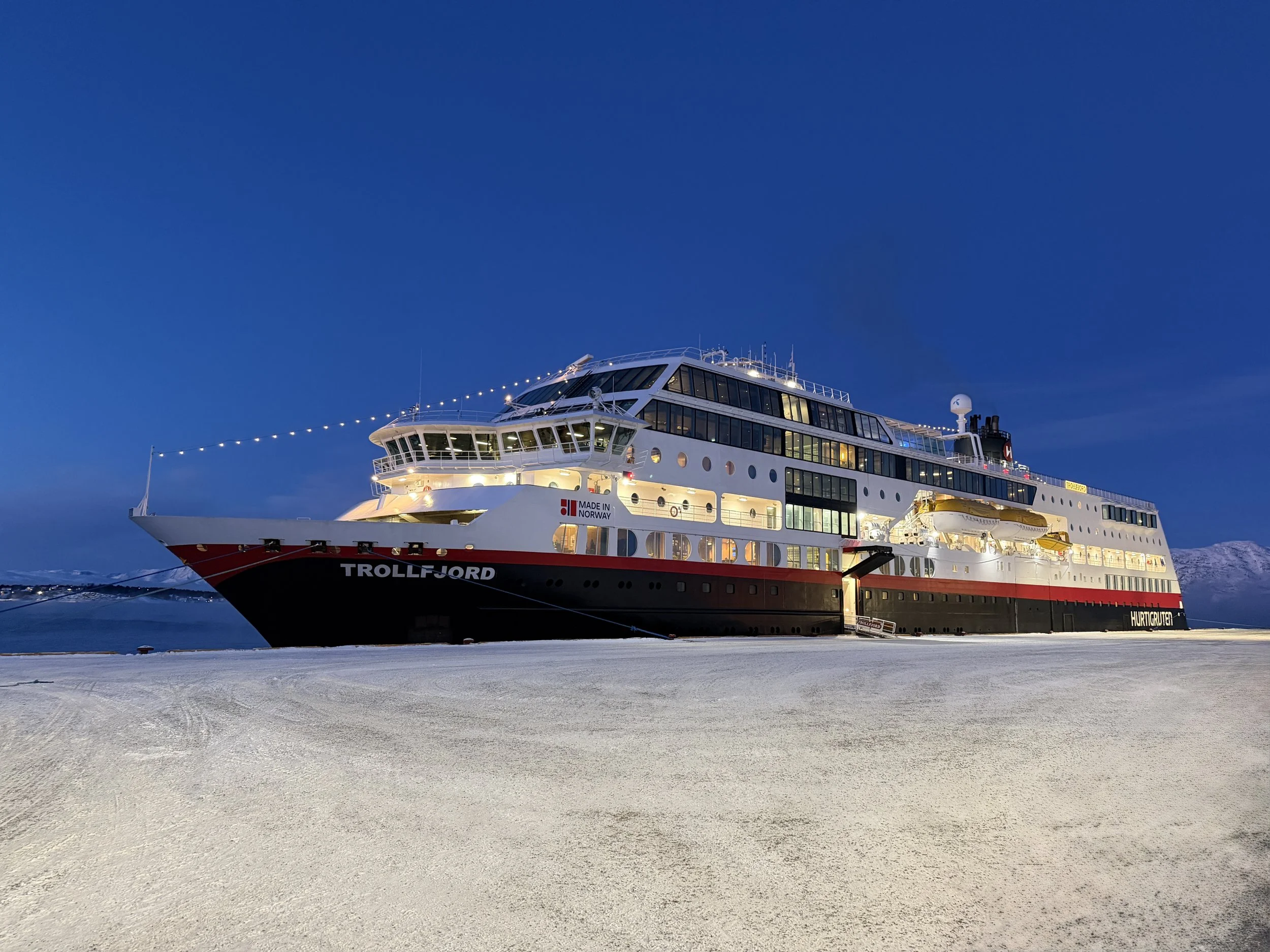
We sailed aboard Hurtigruten’s MS Trollfjord on the North Cape Express route, an eight-night winter journey from Tromsø to Oslo. Winter stripped everything down to essentials. Sea. Sky. Light. Very little else. Which, in the Arctic, feels appropriate.
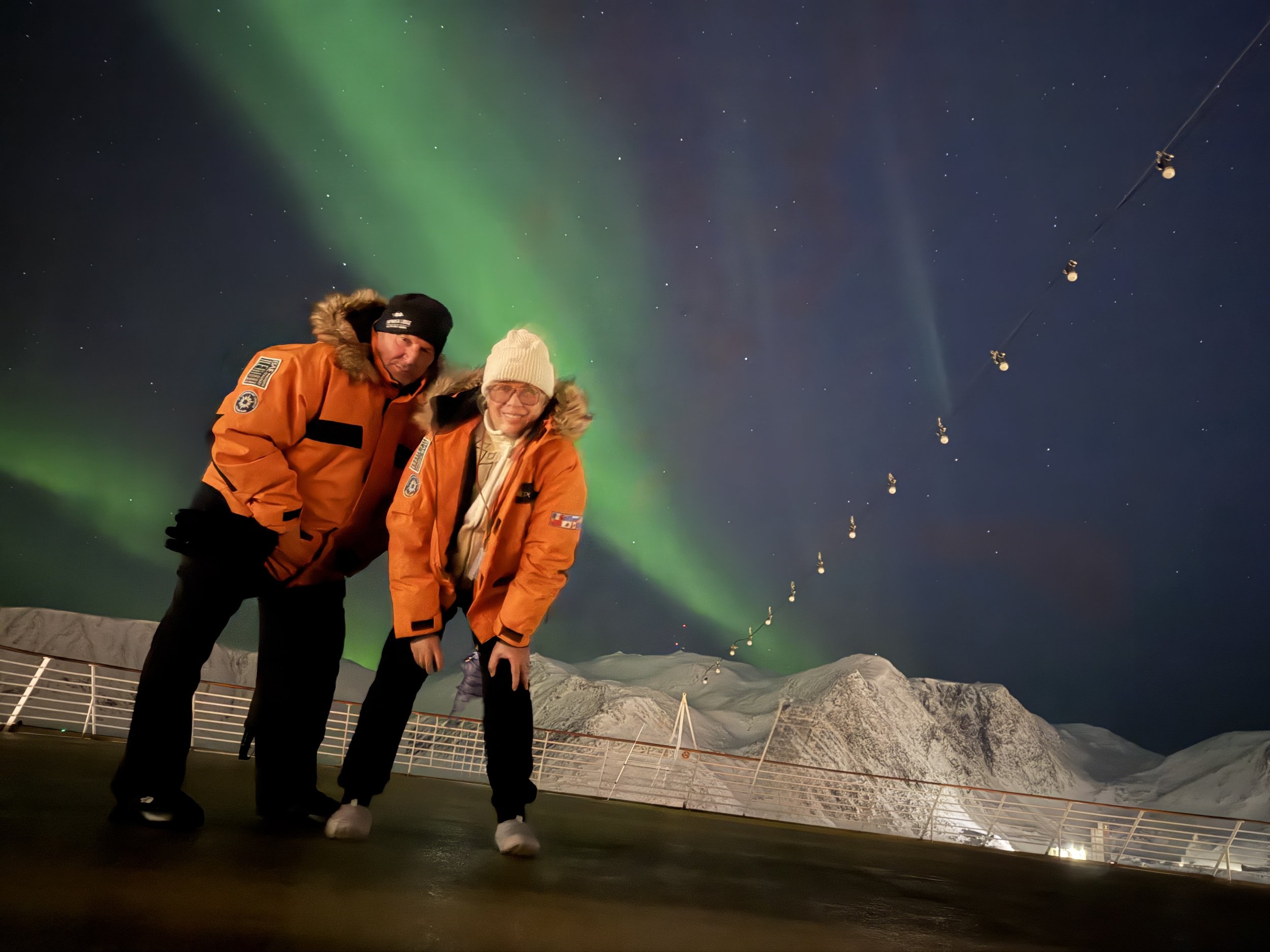
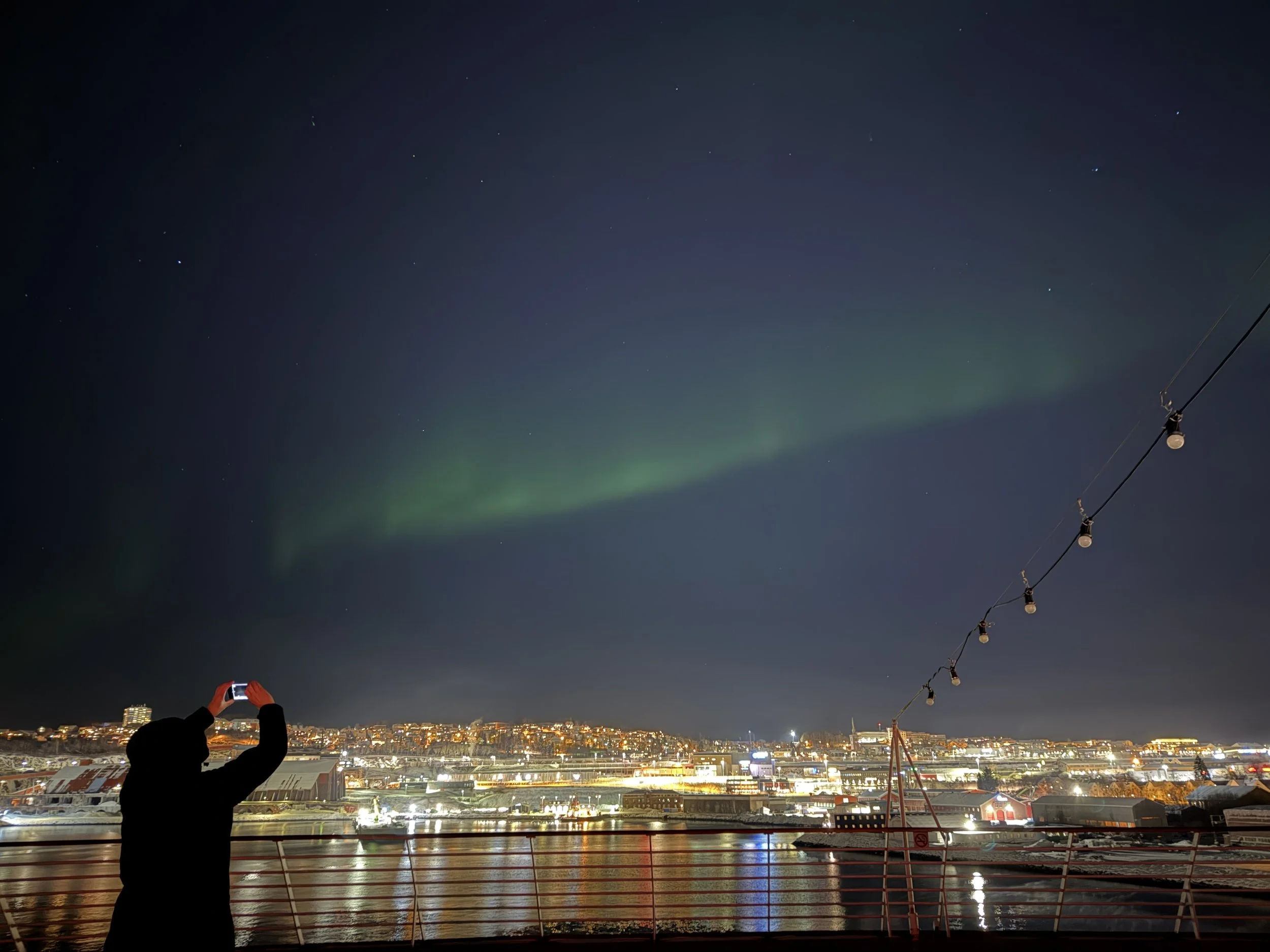
The Northern Lights are often treated as a bucket-list pursuit — something to hunt down with apps and alerts. But here, high above the Arctic Circle, there was nothing to chase. They appeared on their own terms, visible to the naked eye, moving slowly across the sky. Less spectacle, more presence.
Photographically, I arrived unprepared. In Tromsø, I ducked into a camera shop and bought a tripod with a Bluetooth shutter. That small adjustment made all the difference. I could set a time-lapse and step back, watching without constantly interrupting the moment.
When I sent the footage to my sons, one of them replied, “It looks AI-generated.”
Which probably says more about the times we’re living in than the lights themselves.
For four nights in a row, the Northern Lights returned. No announcements. No guarantees. Just consistency.
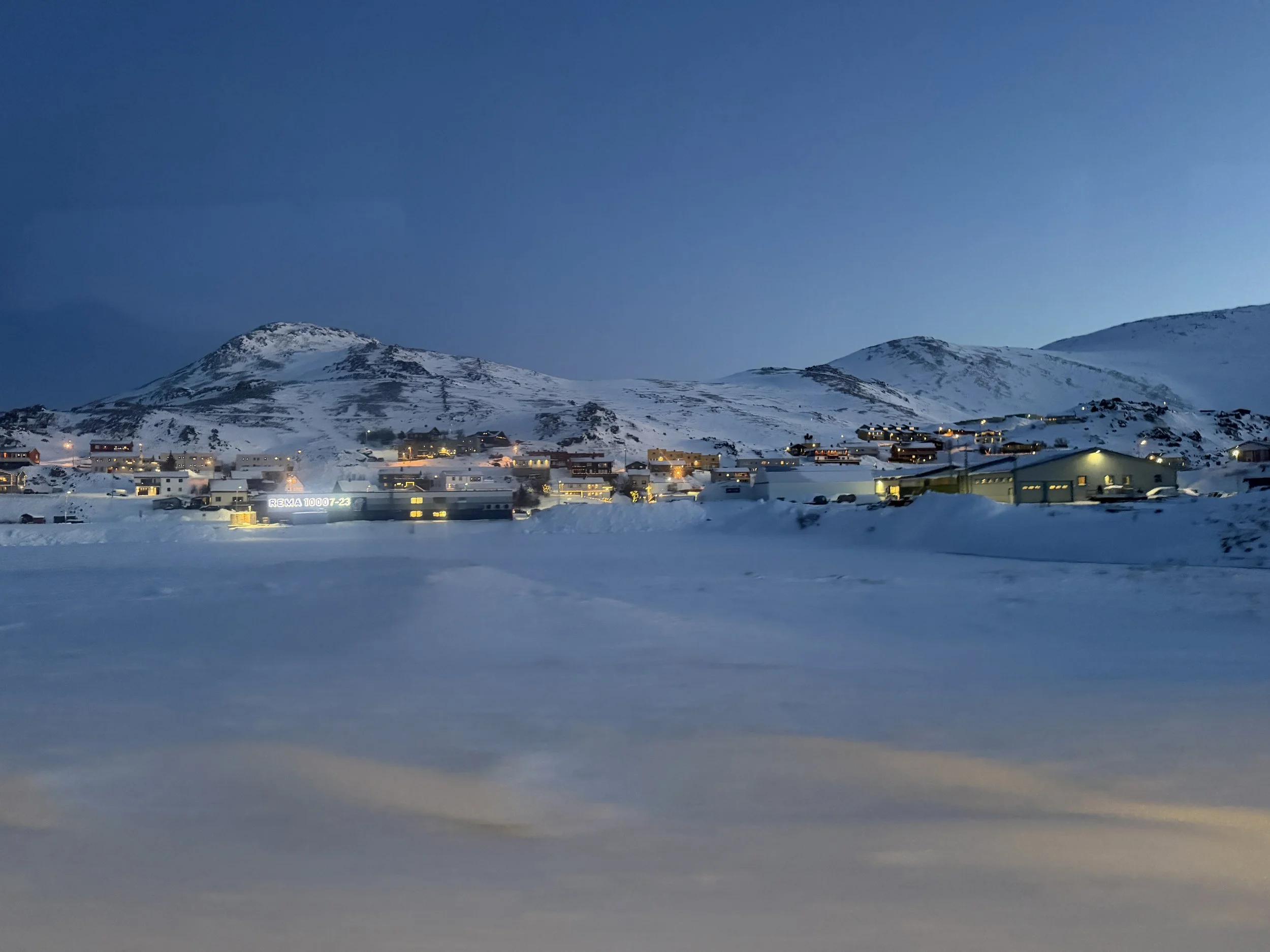
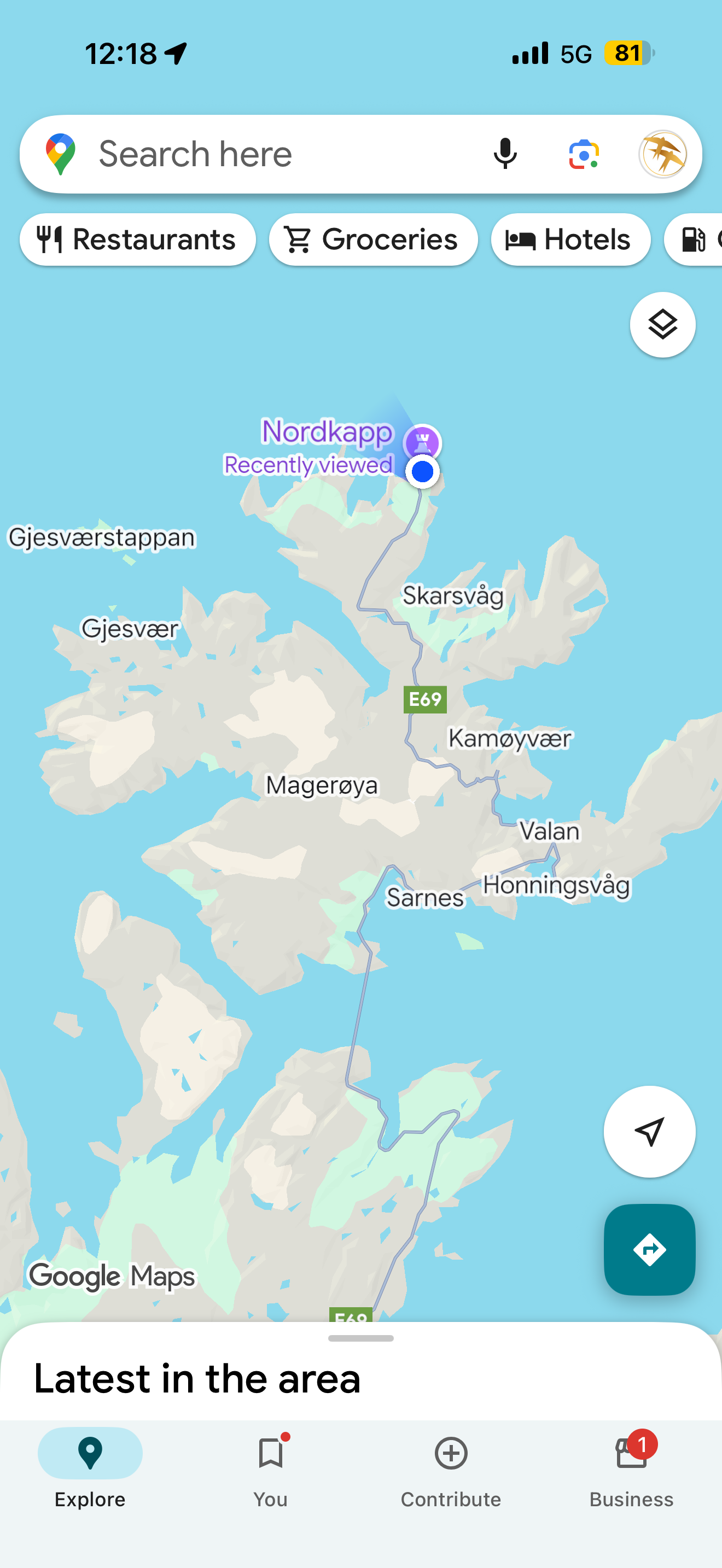
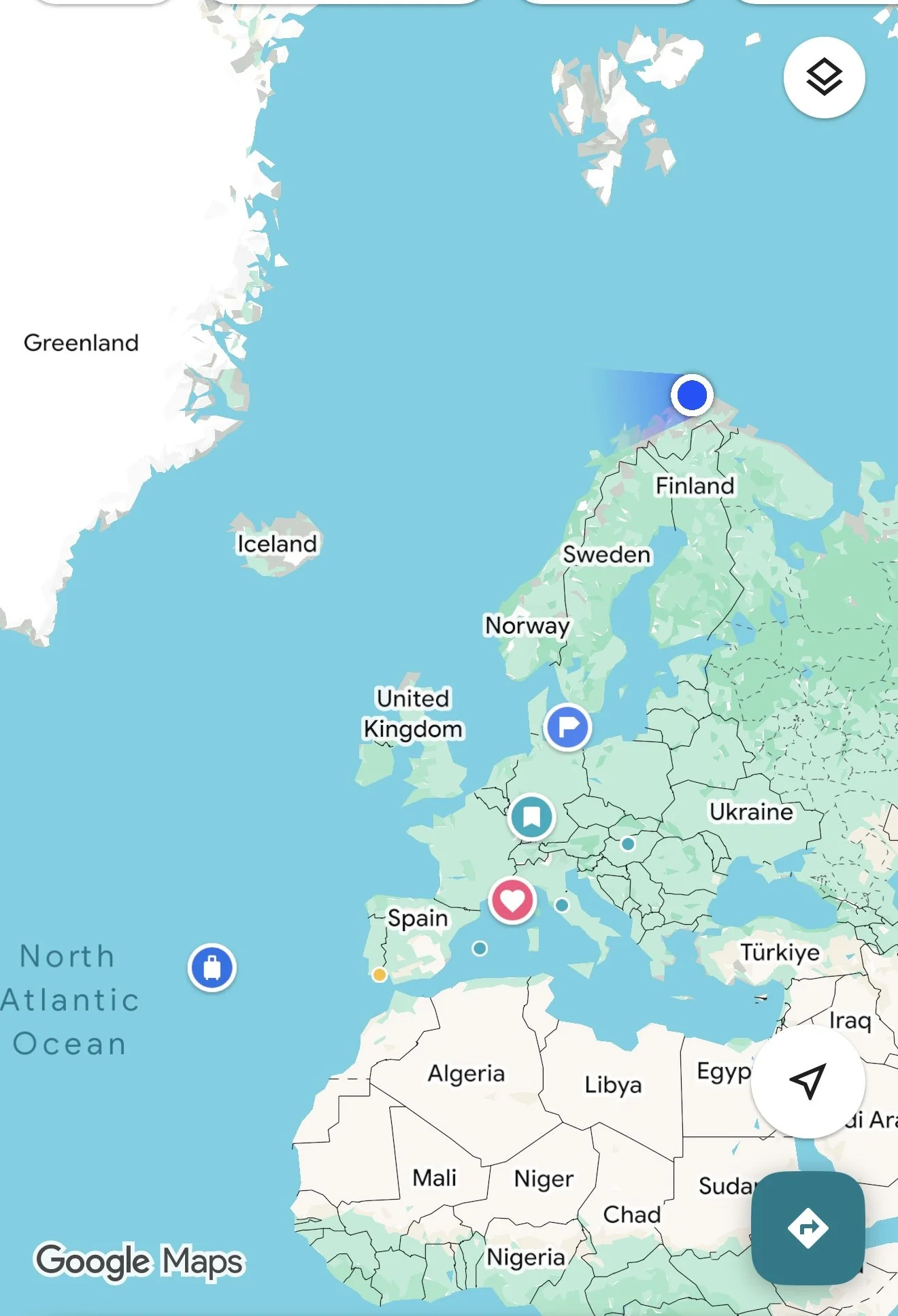
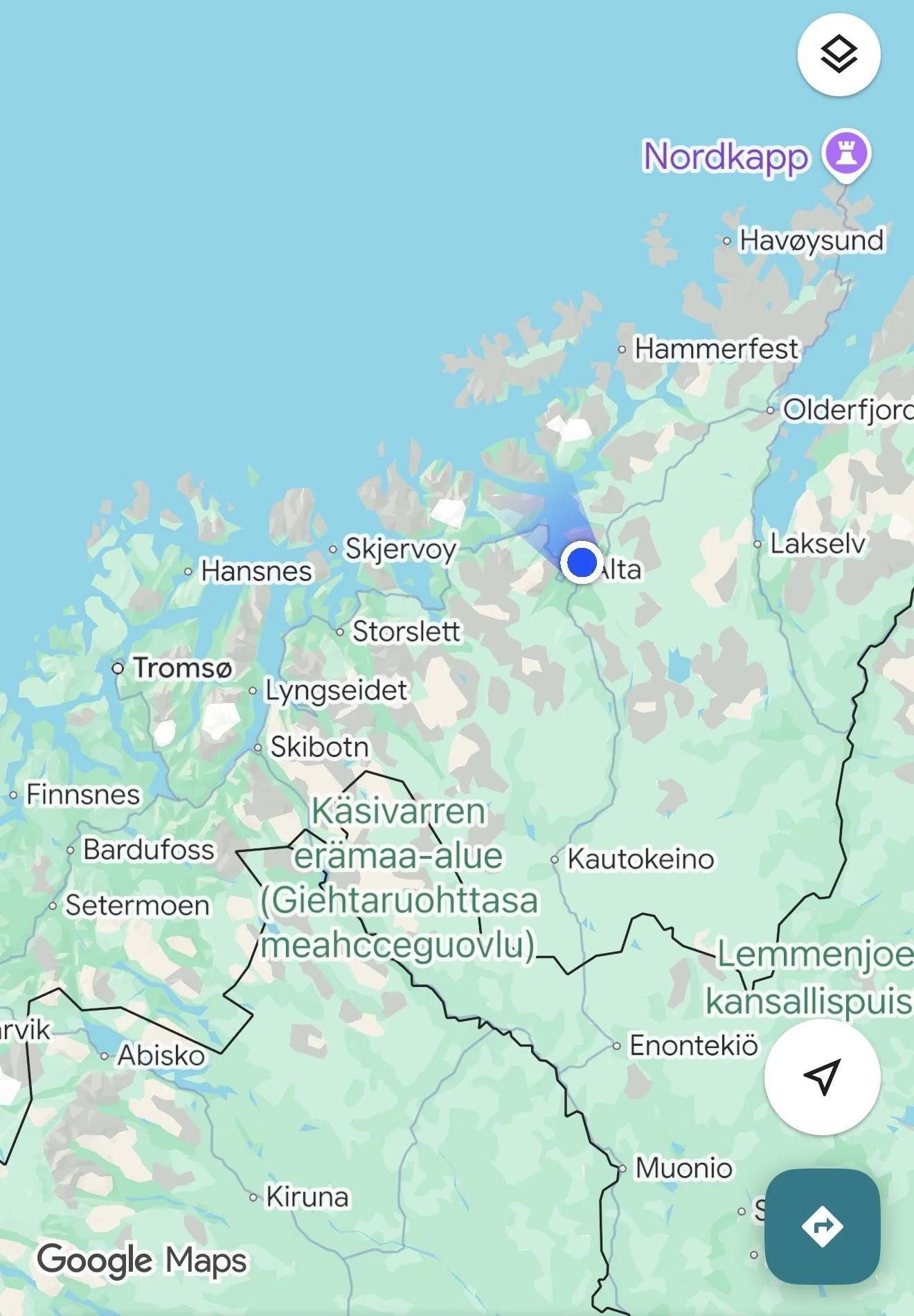
The days that stayed with me most were spent in Honningsvåg, at 71° north — the northernmost point of mainland Europe. With no sunrise or sunset, polar night cast everything in muted blues. Time felt less structured. Softer.
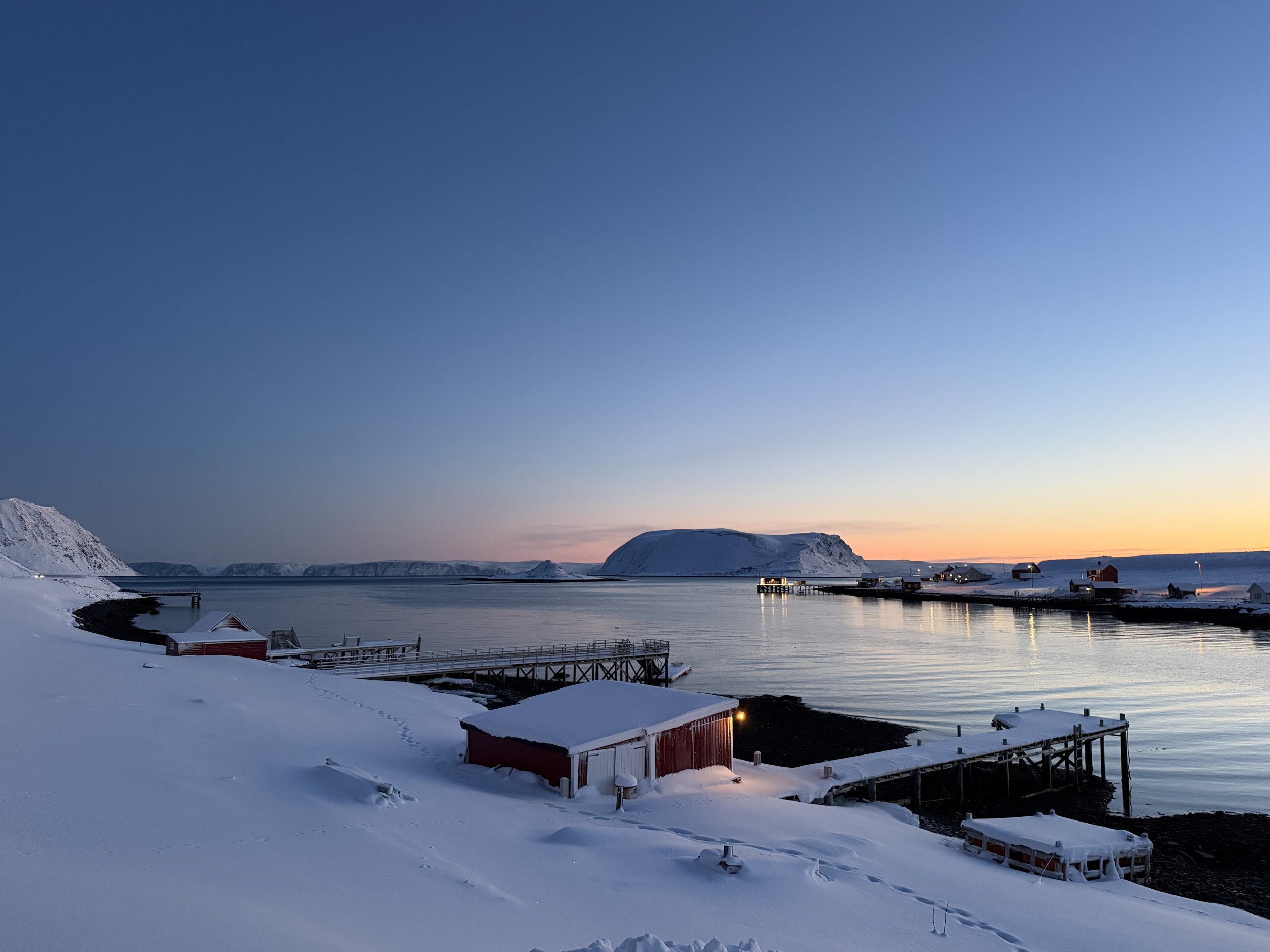
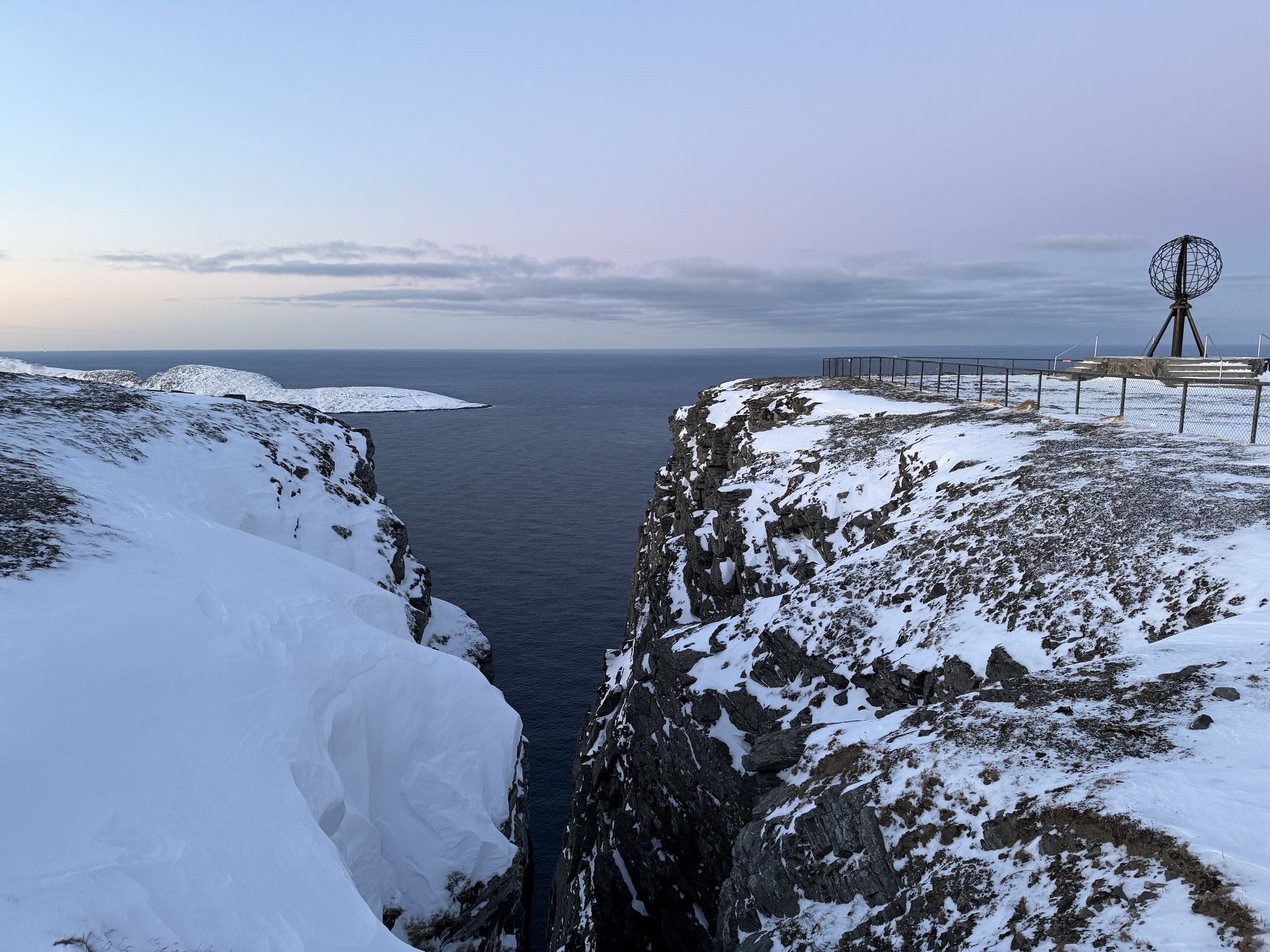
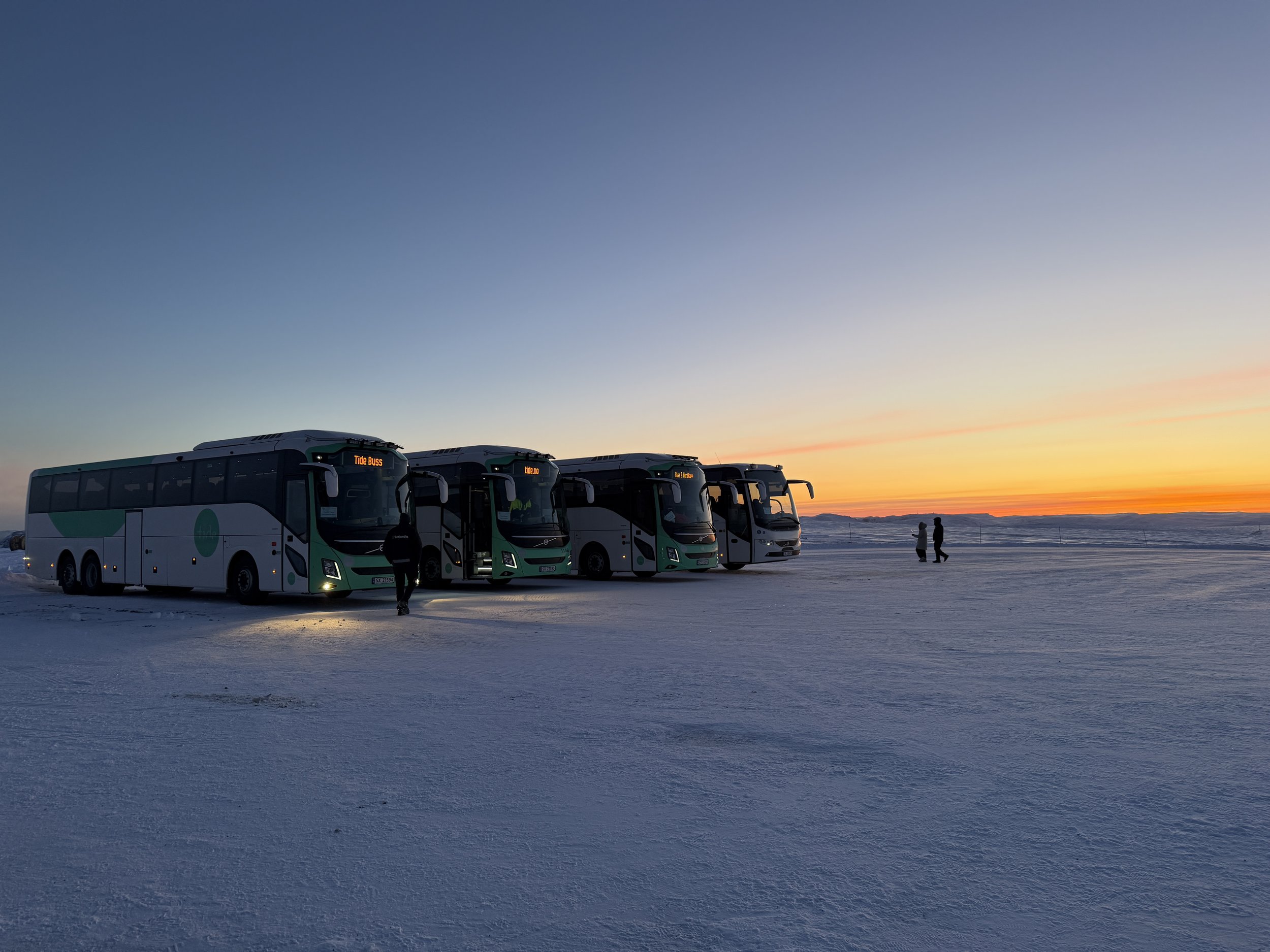
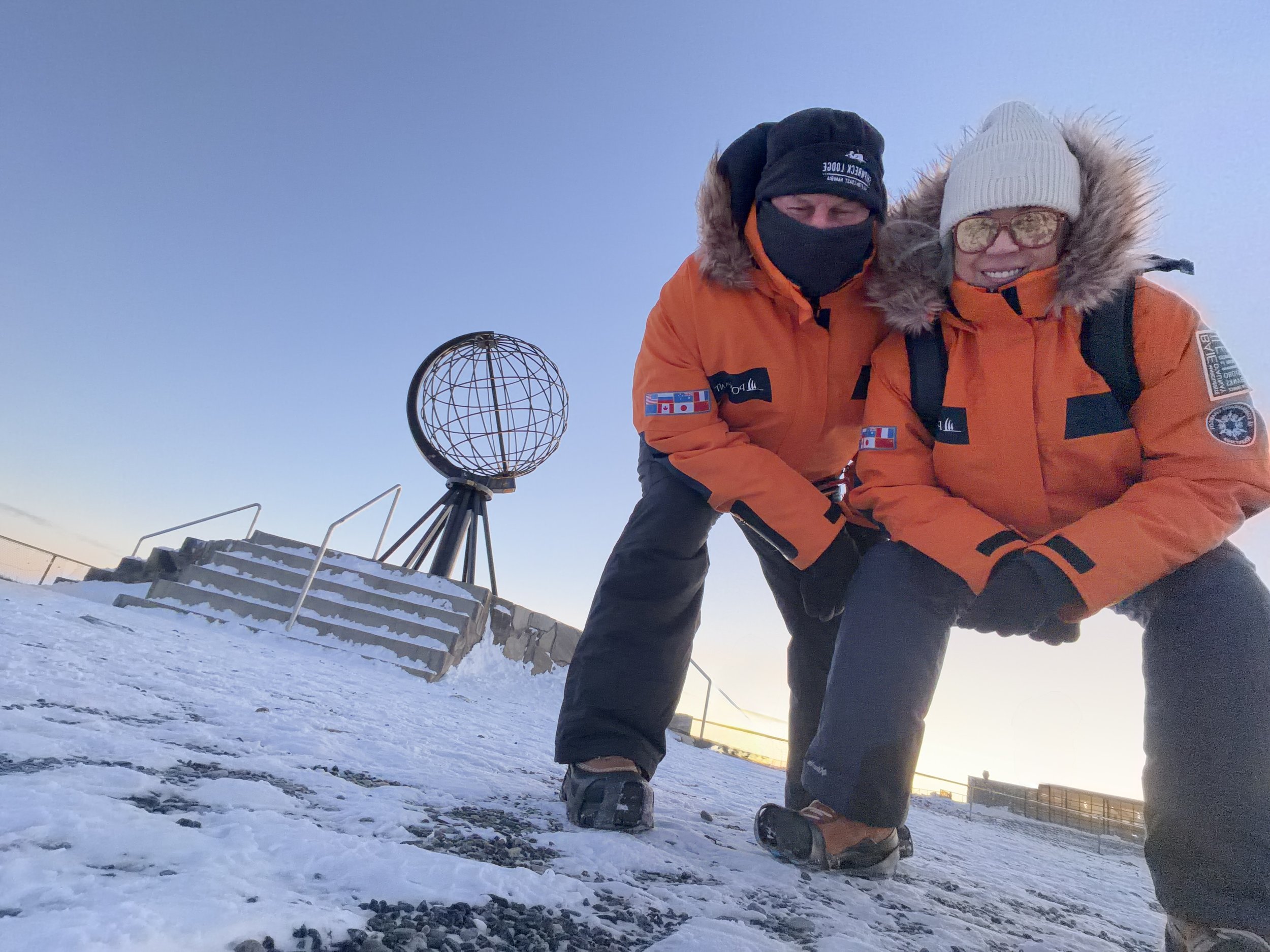
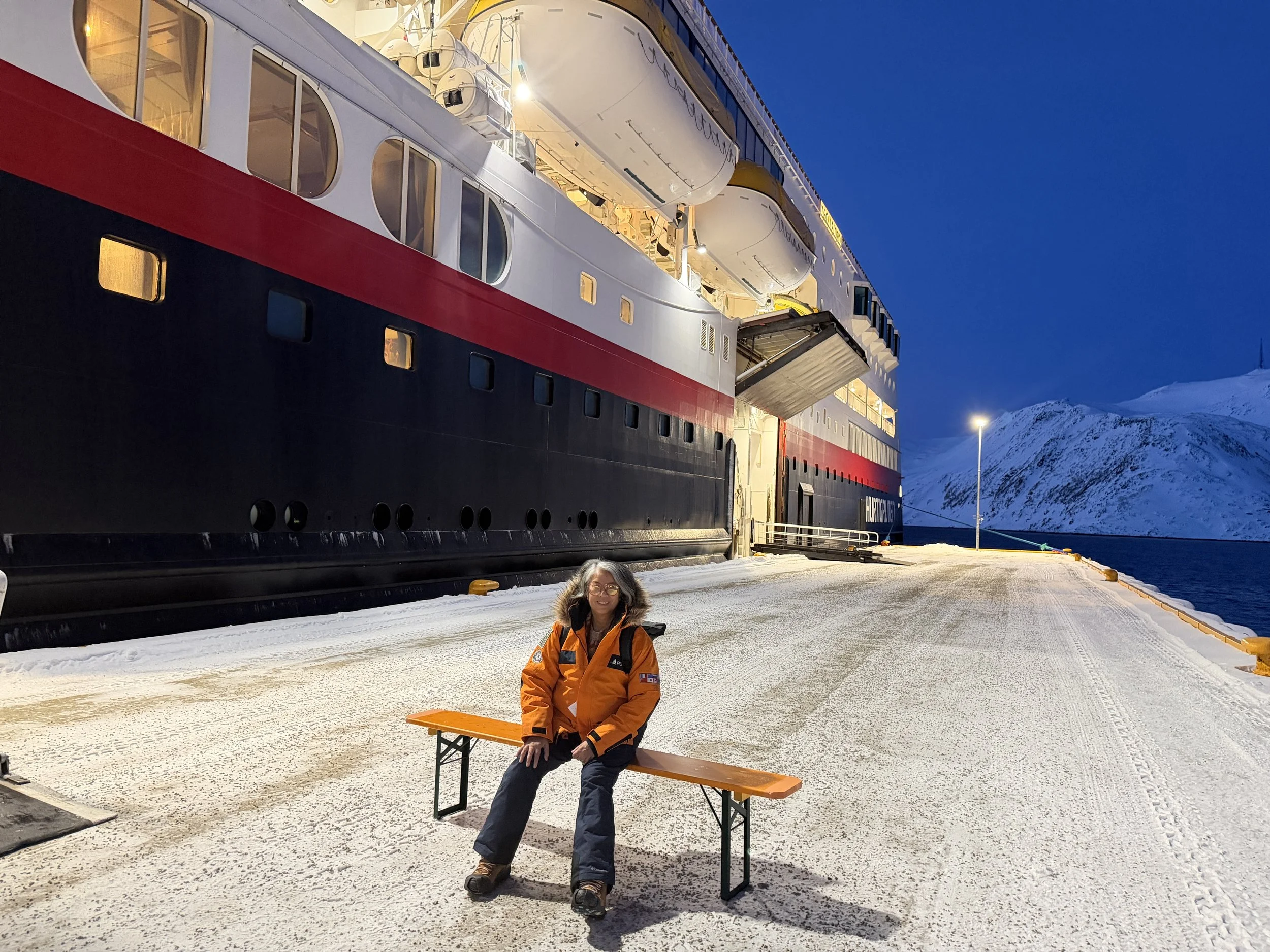
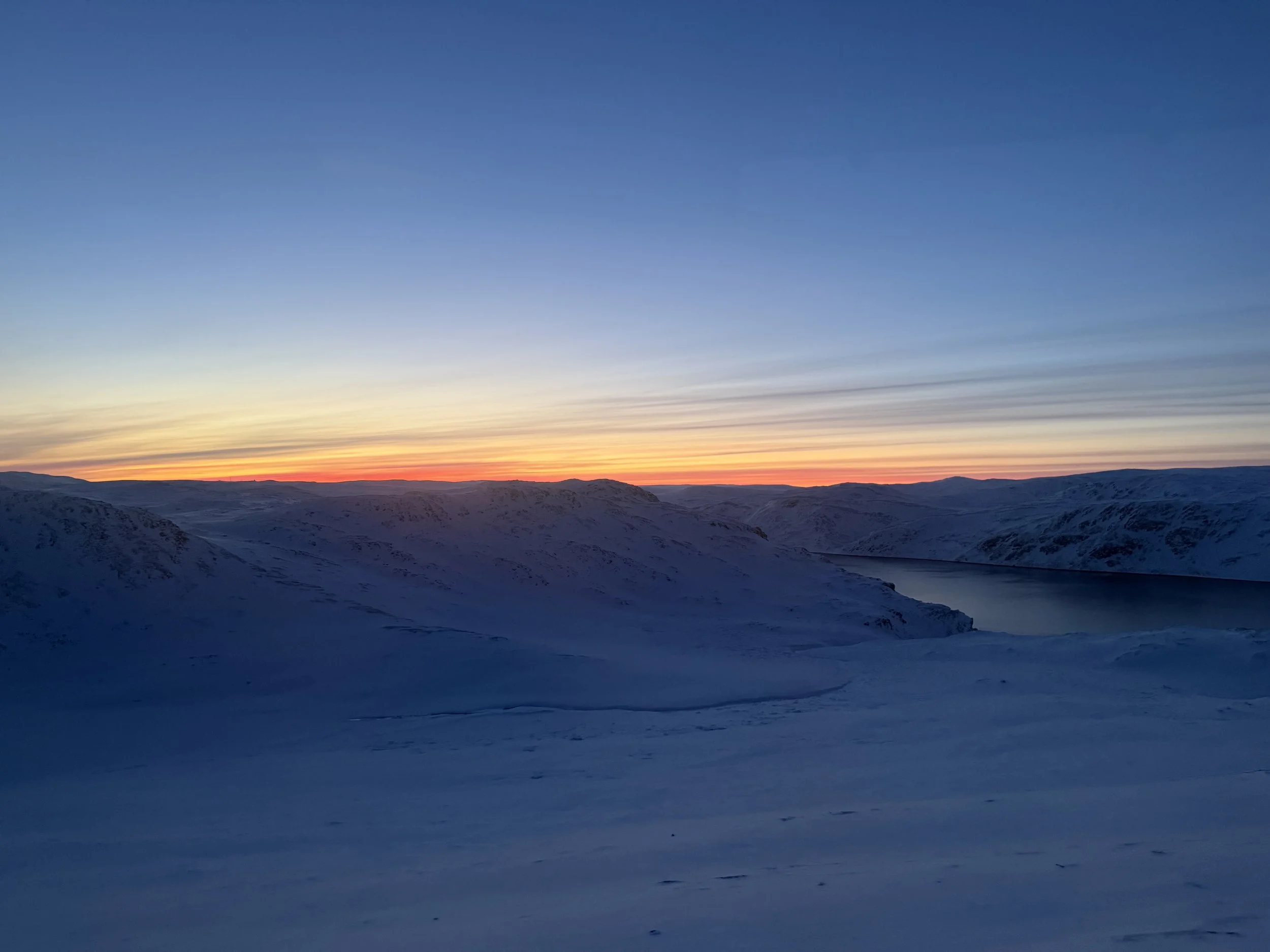
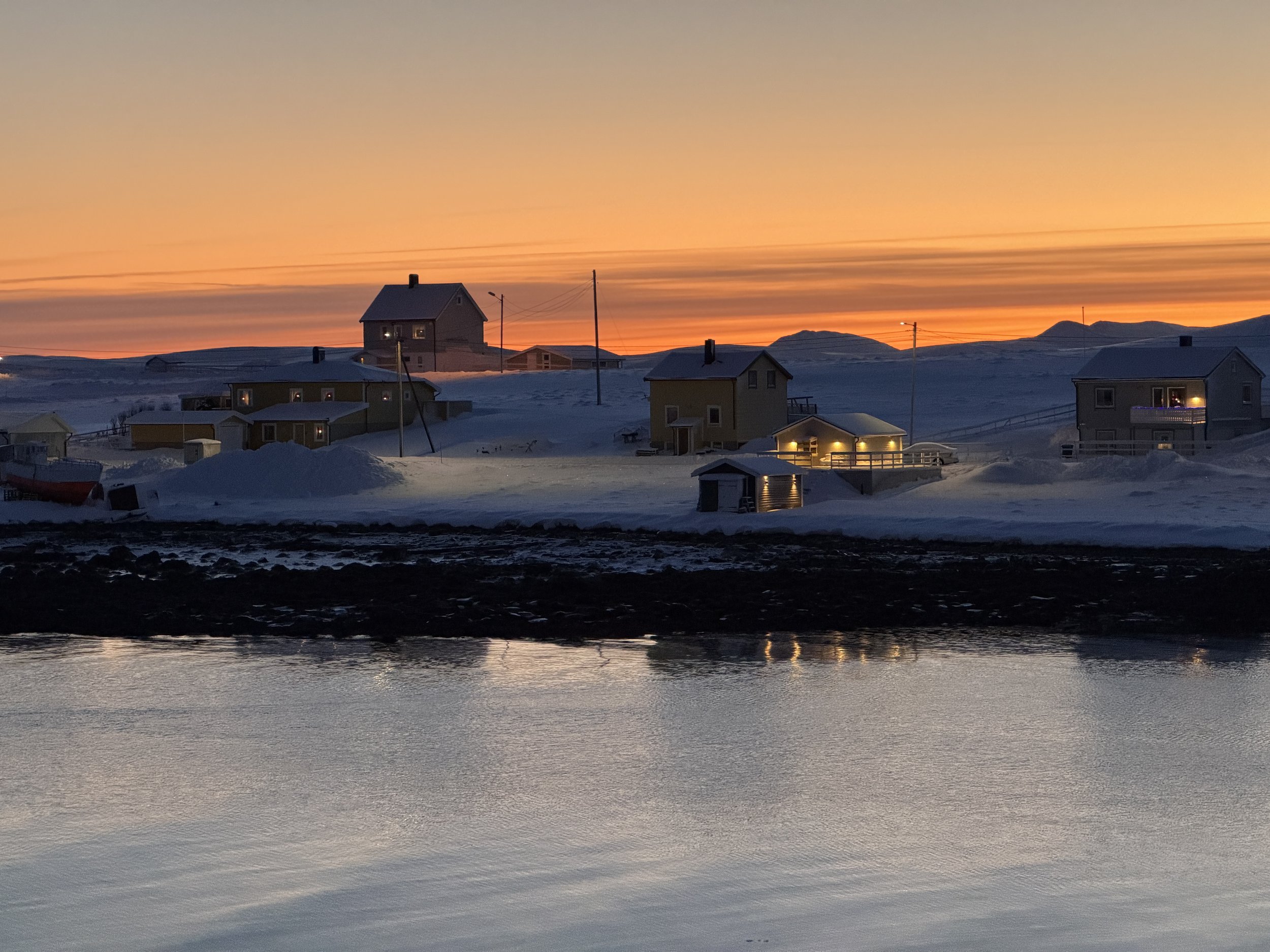
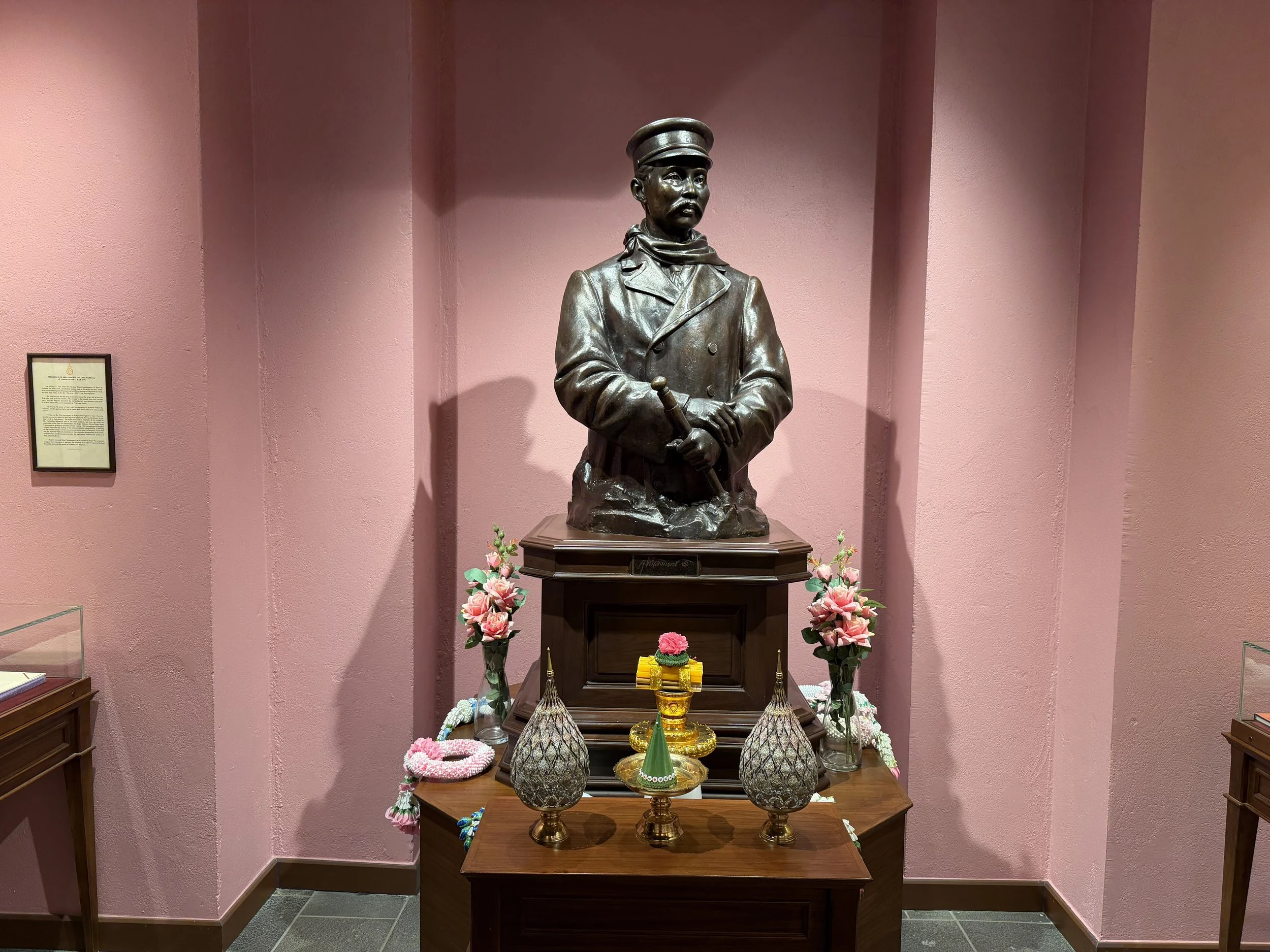
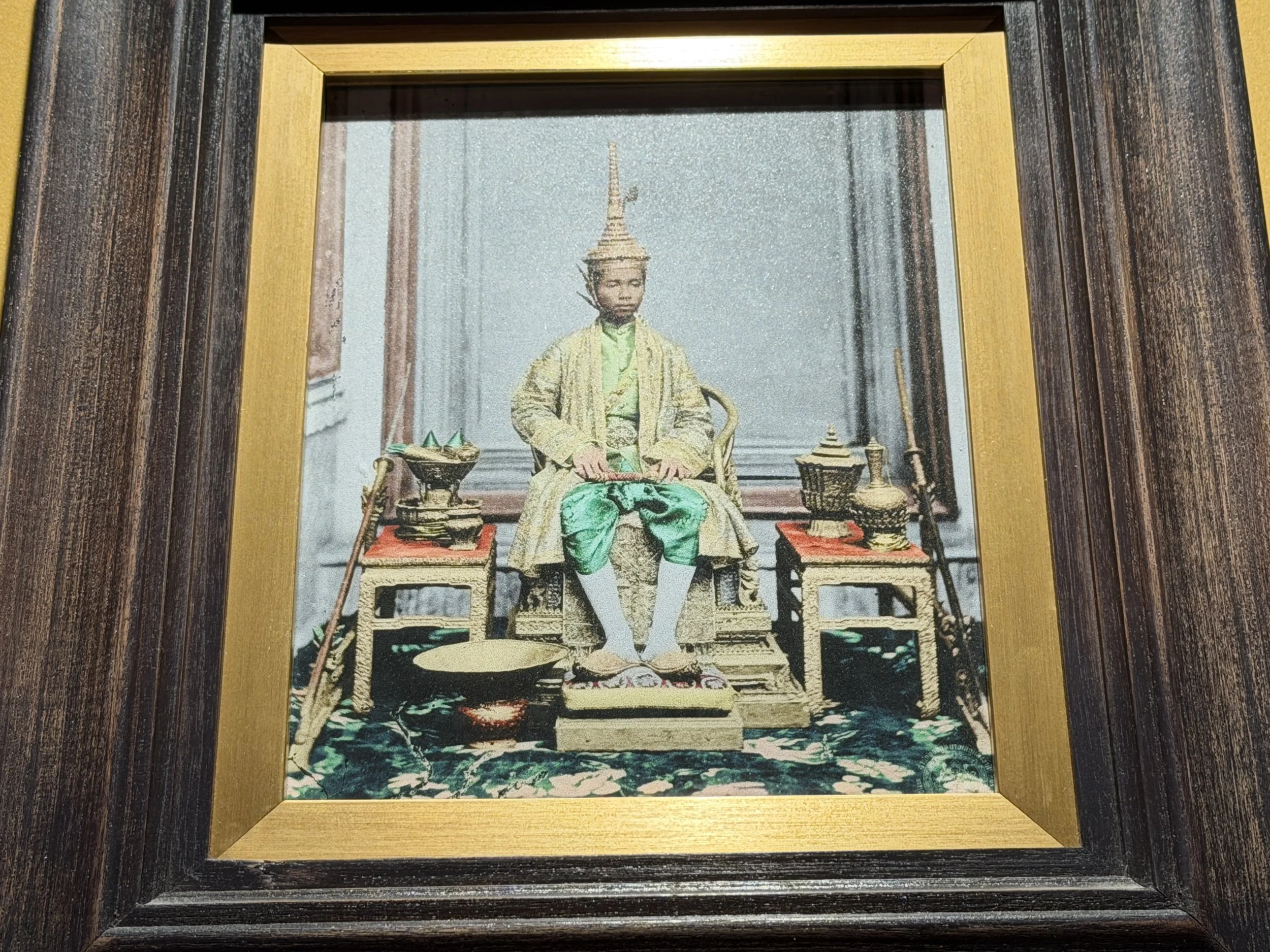
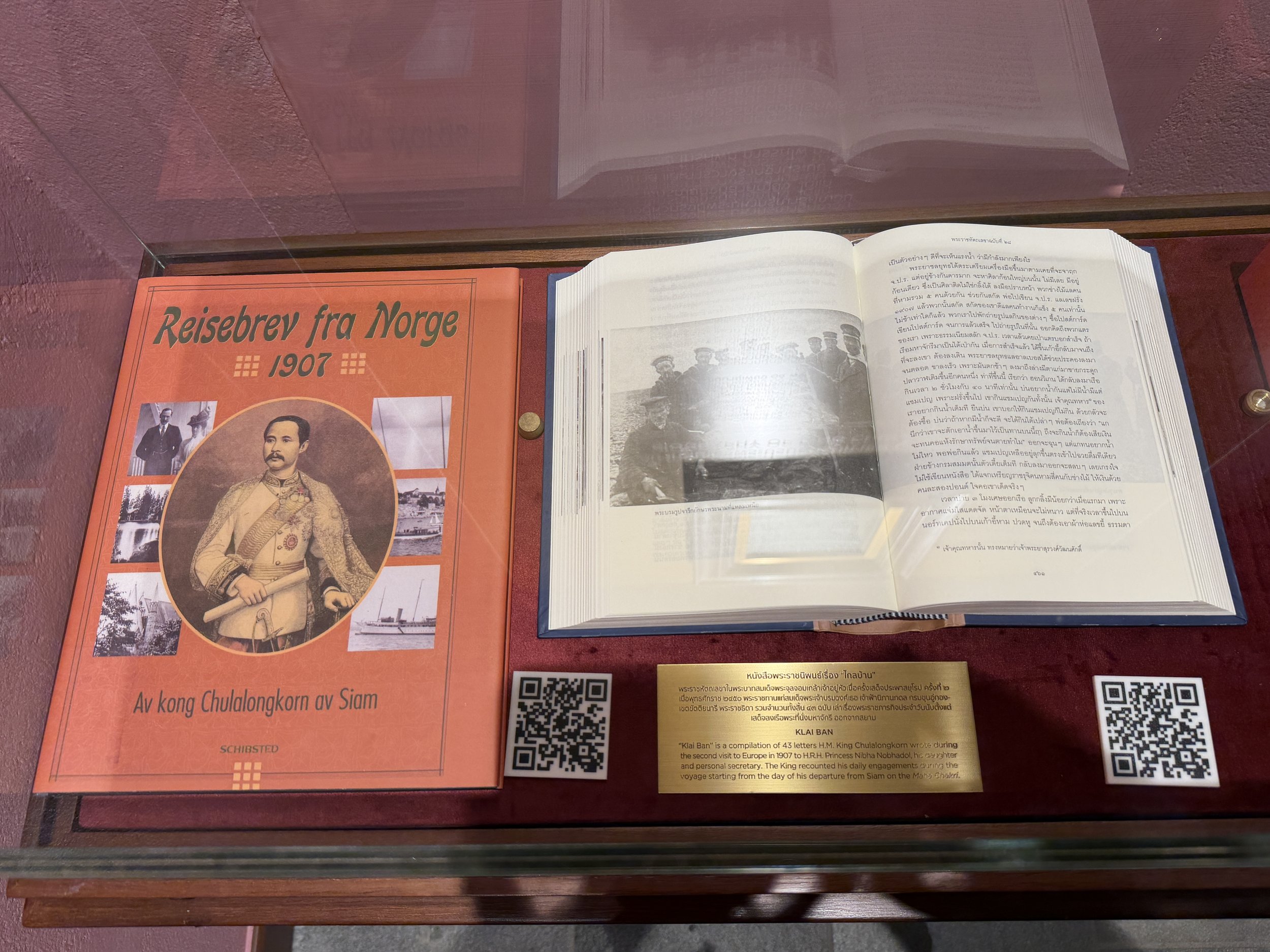
There was a small Thai museum there — unexpected, but grounding. In 1907, King Chulalongkorn of Siam visited this remote corner of Norway. Even places that feel like the end of the world are rarely as isolated as we imagine. That night, the lights appeared again.
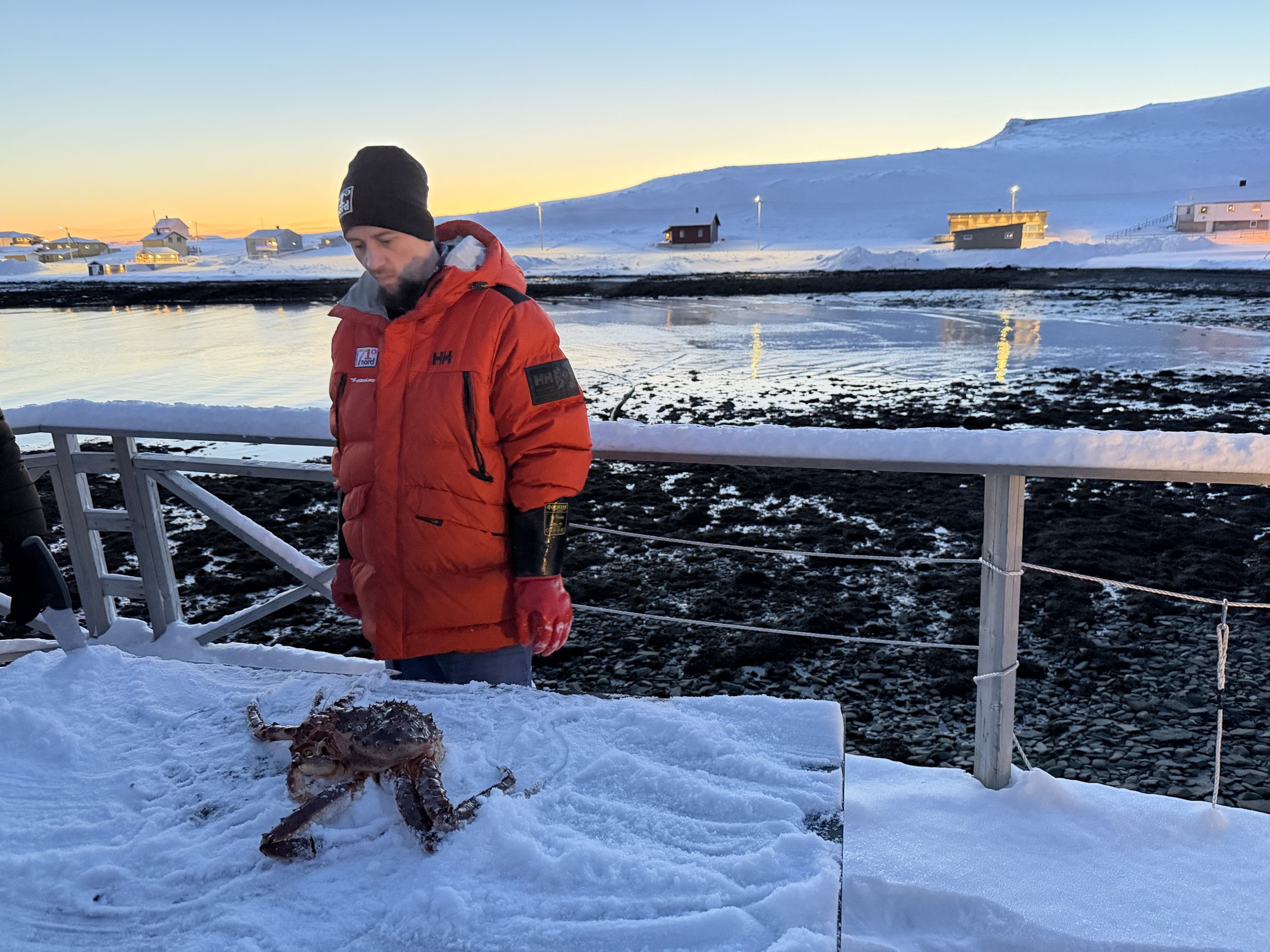
In Sarnes, we met a fisherman who explained the Norwegian king crab — how it arrived, how it’s harvested, and how it has reshaped the local economy. Dinner followed. In Norway, king crab is served simply: flatbread and mayonnaise. No drama. Let the ingredient do the work.
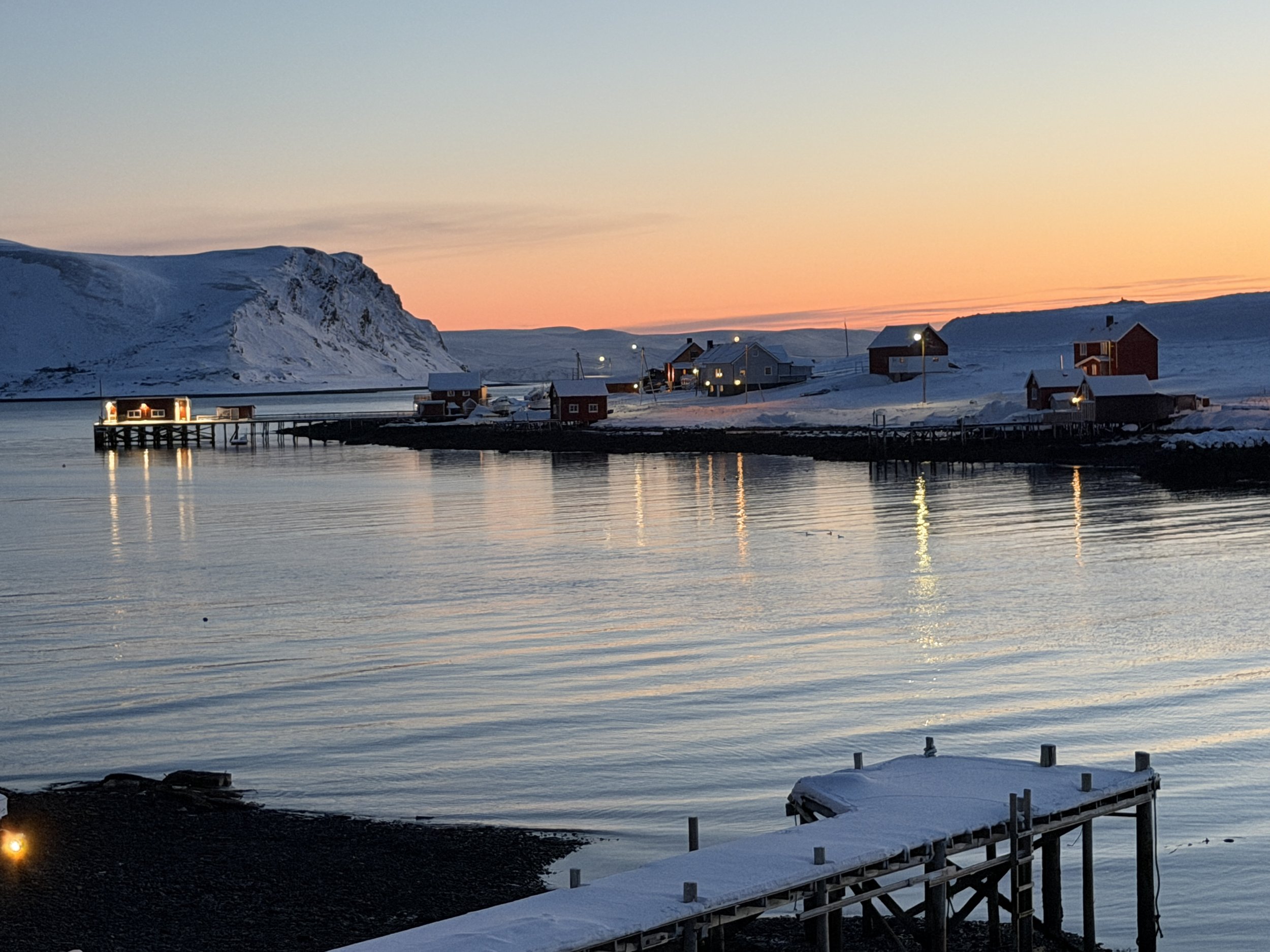
Before arriving in Alta, an email landed in my inbox. The subject line read: “Greetings from Next to Nothing — Alta, Norway.” Perfectly Norwegian. Better to underplay your strengths.
In Alta, we were invited on a whale-watching excursion aboard the Sea Runner. A German television crew was onboard filming a travel segment — so who knows, I may appear briefly on German TV someday. Out on the Altafjord, humpback whales surfaced calmly, breached, lingered, and disappeared again. The sky shifted constantly — pale pinks, slate, steel blue. It was –36°C. Cold, yes. But manageable. That night, the lights returned.
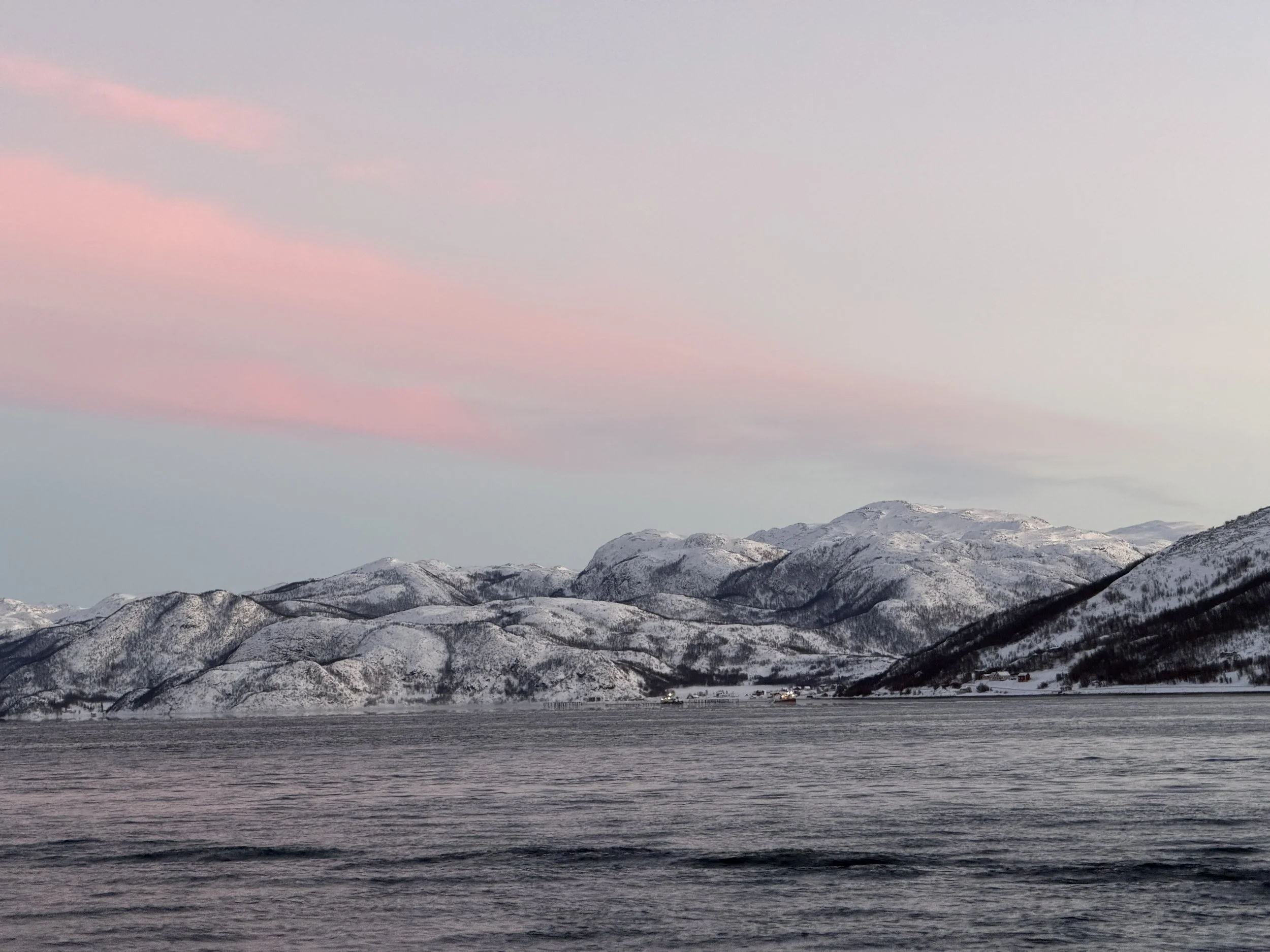
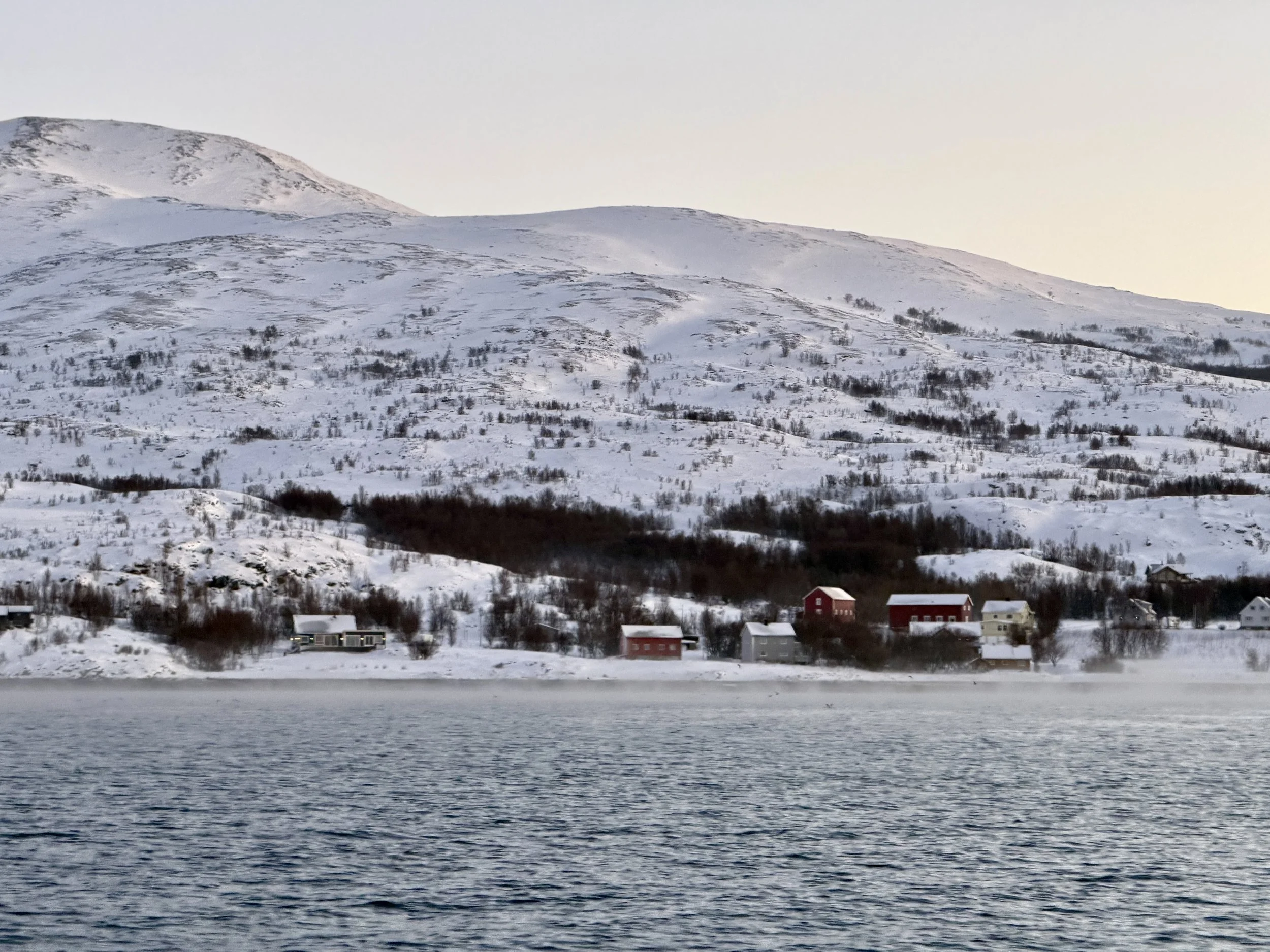
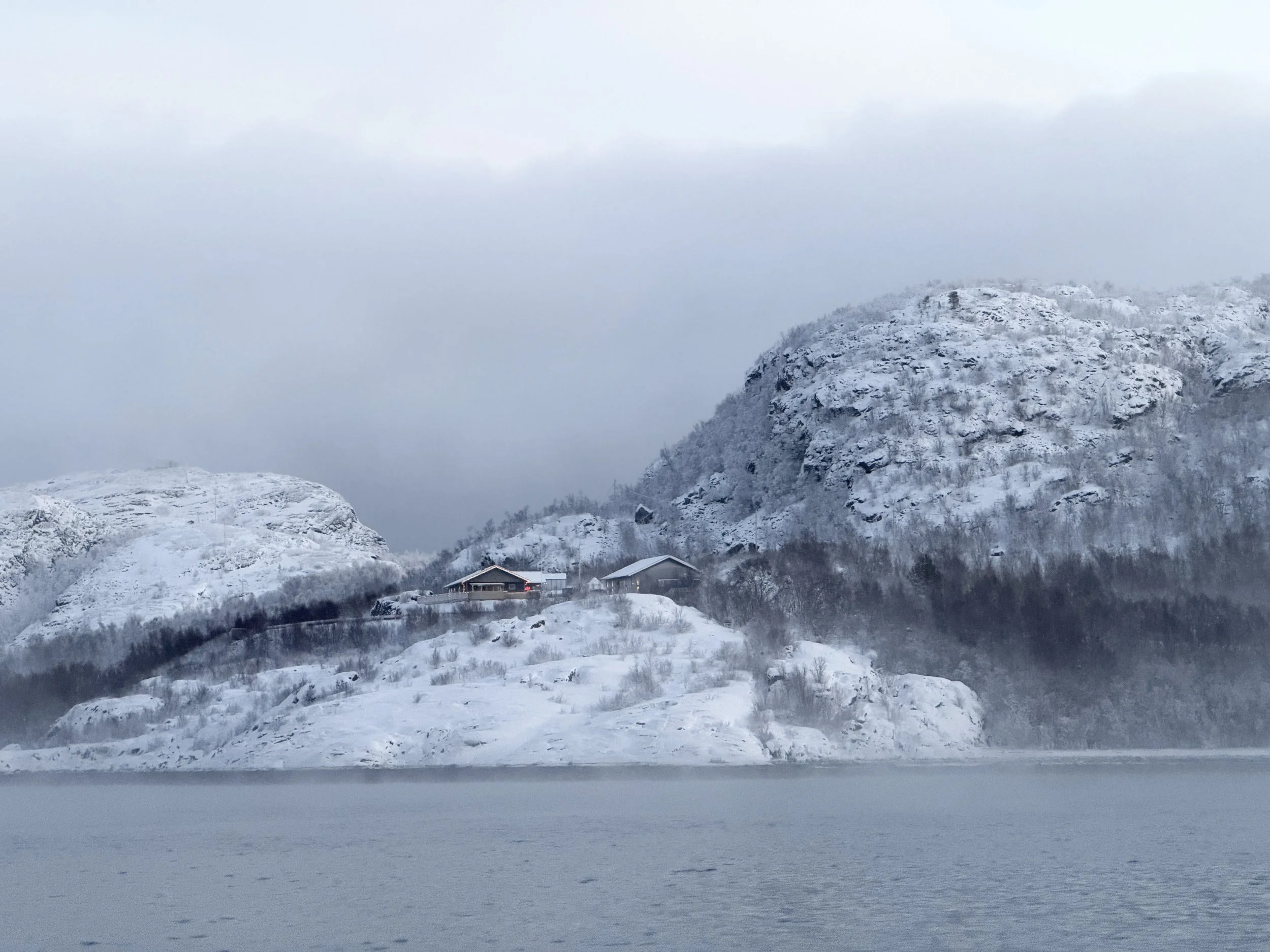
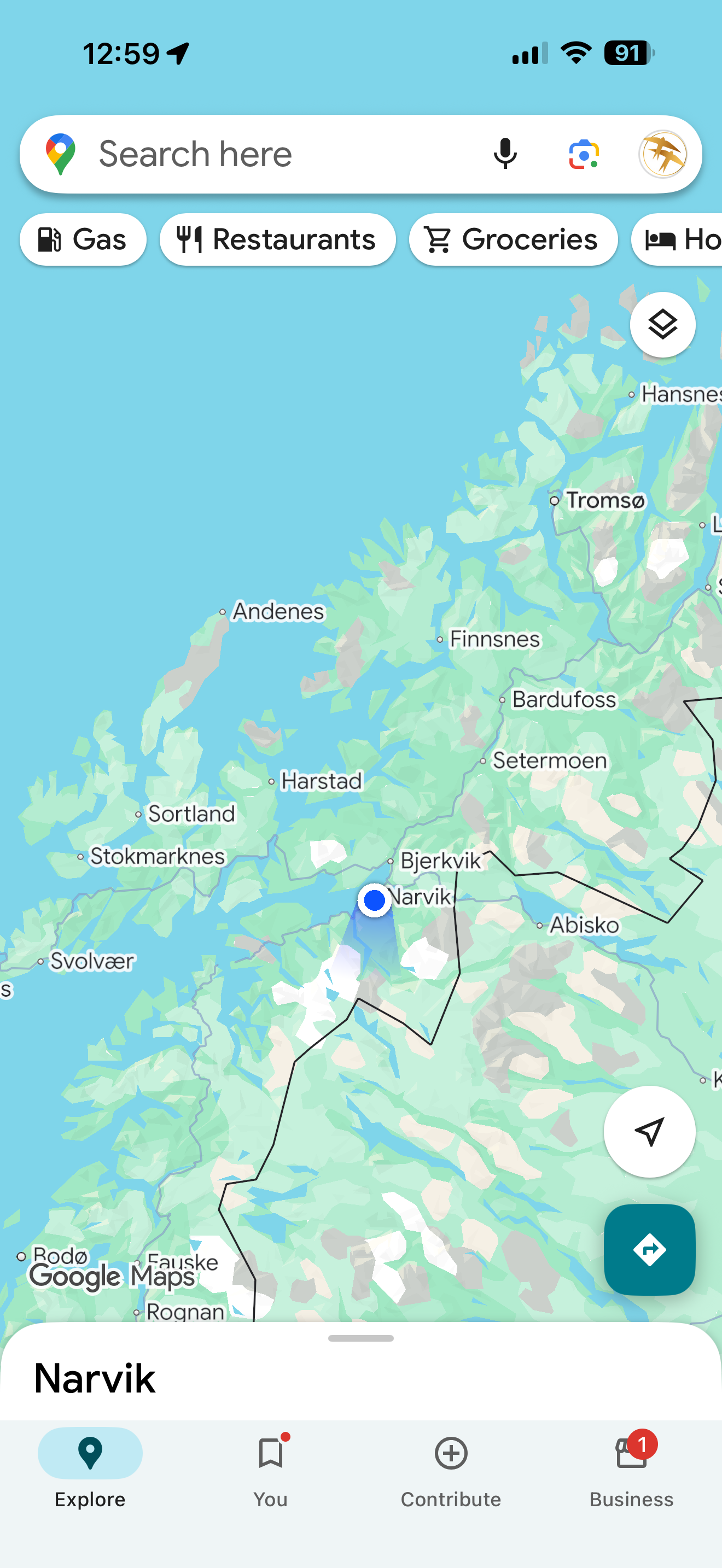
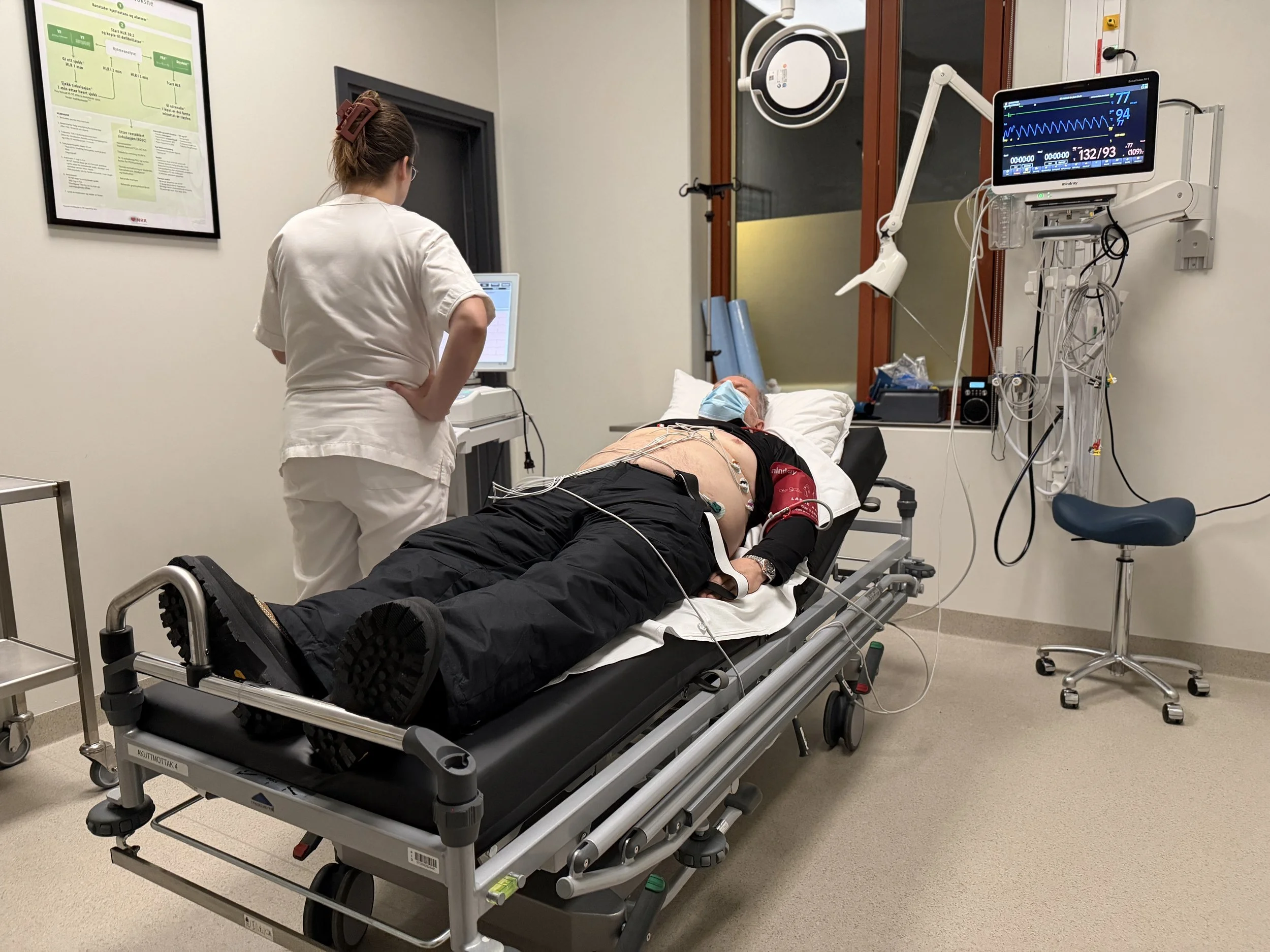
Narvik brought an unexpected detour. On the ship nurse’s advice, Michael visited the local hospital to check a lingering cough. The care was excellent. The hospital spotless. The bill — 440 NOK, roughly $40. No fuss. No paperwork spiral. That evening, the Northern Lights appeared again, as if on schedule.
As we sailed south, we crossed the Arctic Circle at 66° north. The ritual involved a spoonful of cod liver oil, followed by prosecco. Norwegians in the Arctic swear by cod liver oil — Omega-3s for long winters and limited sunlight. Practical solutions for extreme conditions.
And here’s the surprise: the Arctic felt soft. Dreamlike. Almost hushed.
South of the Arctic Circle, snow and rain gave the fjords a darker, more noir quality — sharper lines, heavier skies.
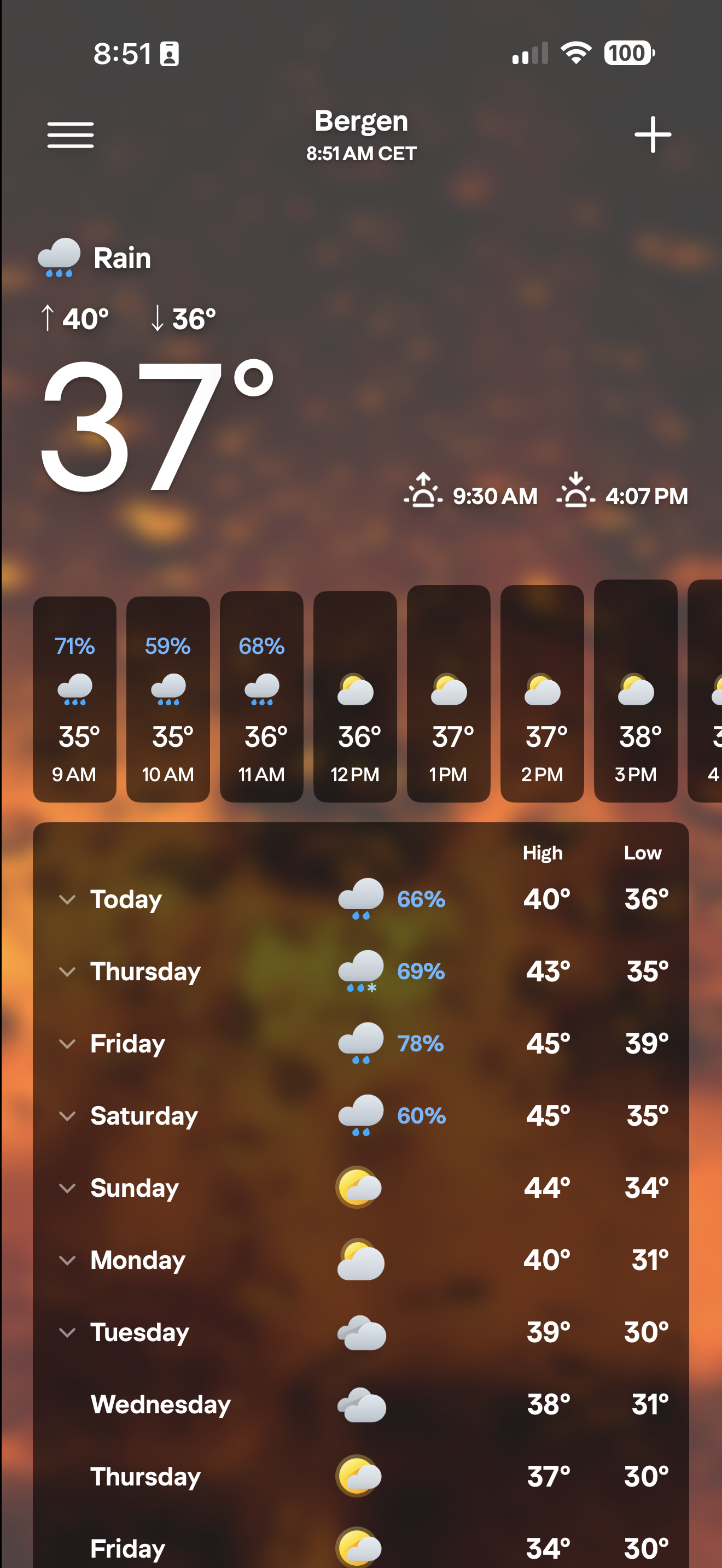
Rain followed us through Åndalsnes, Bergen, Kristiansand, and Oslo.
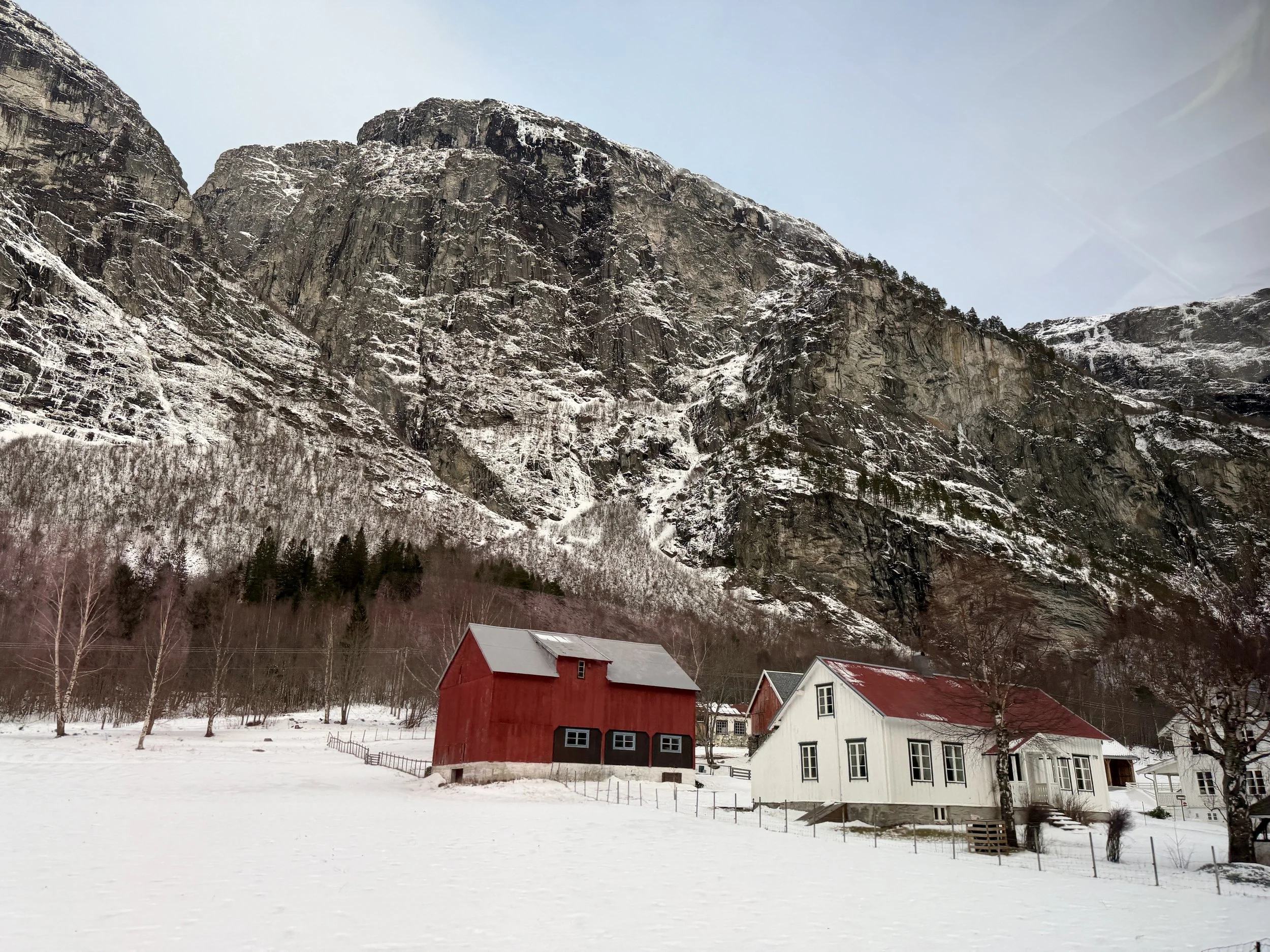
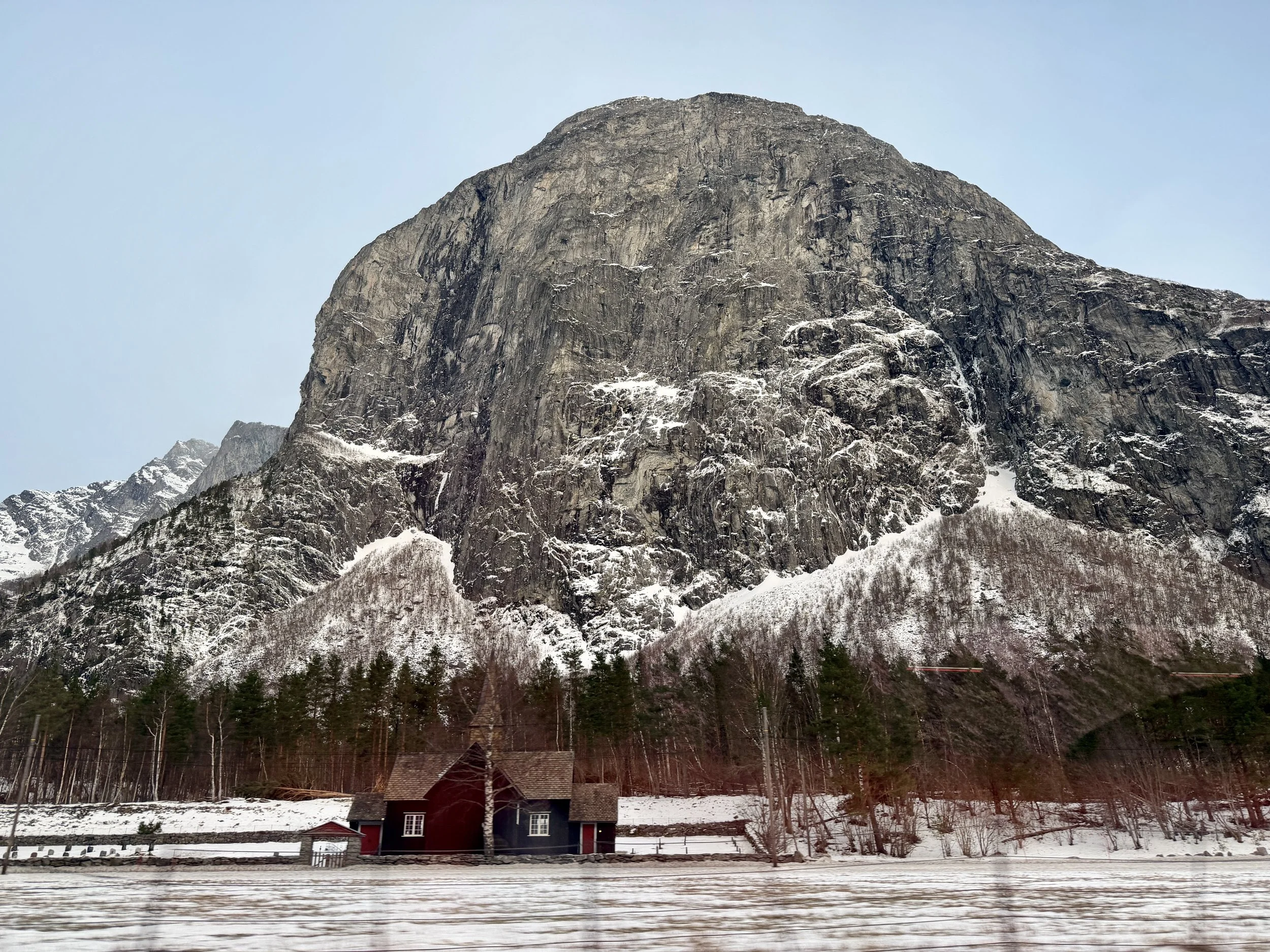
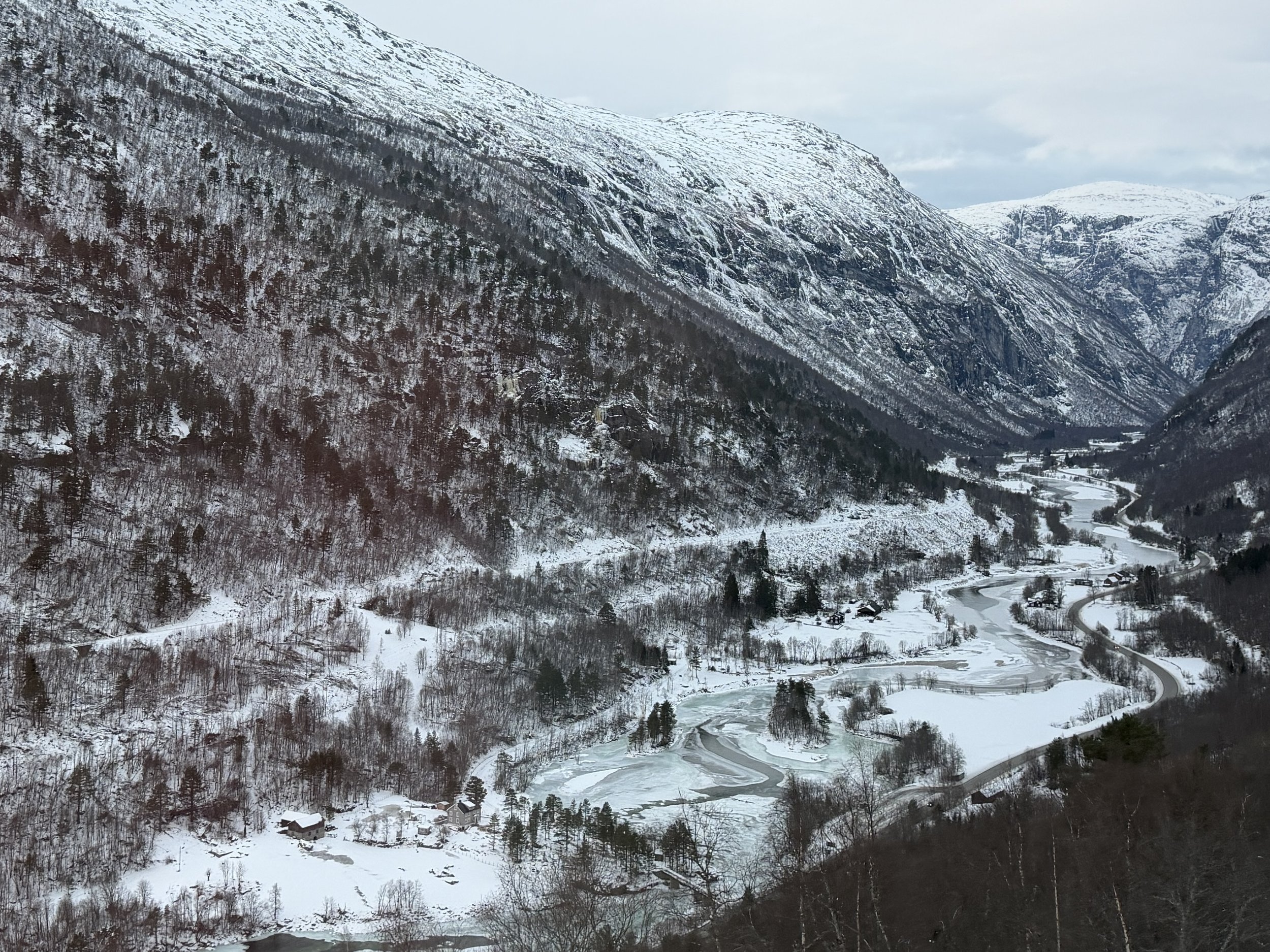
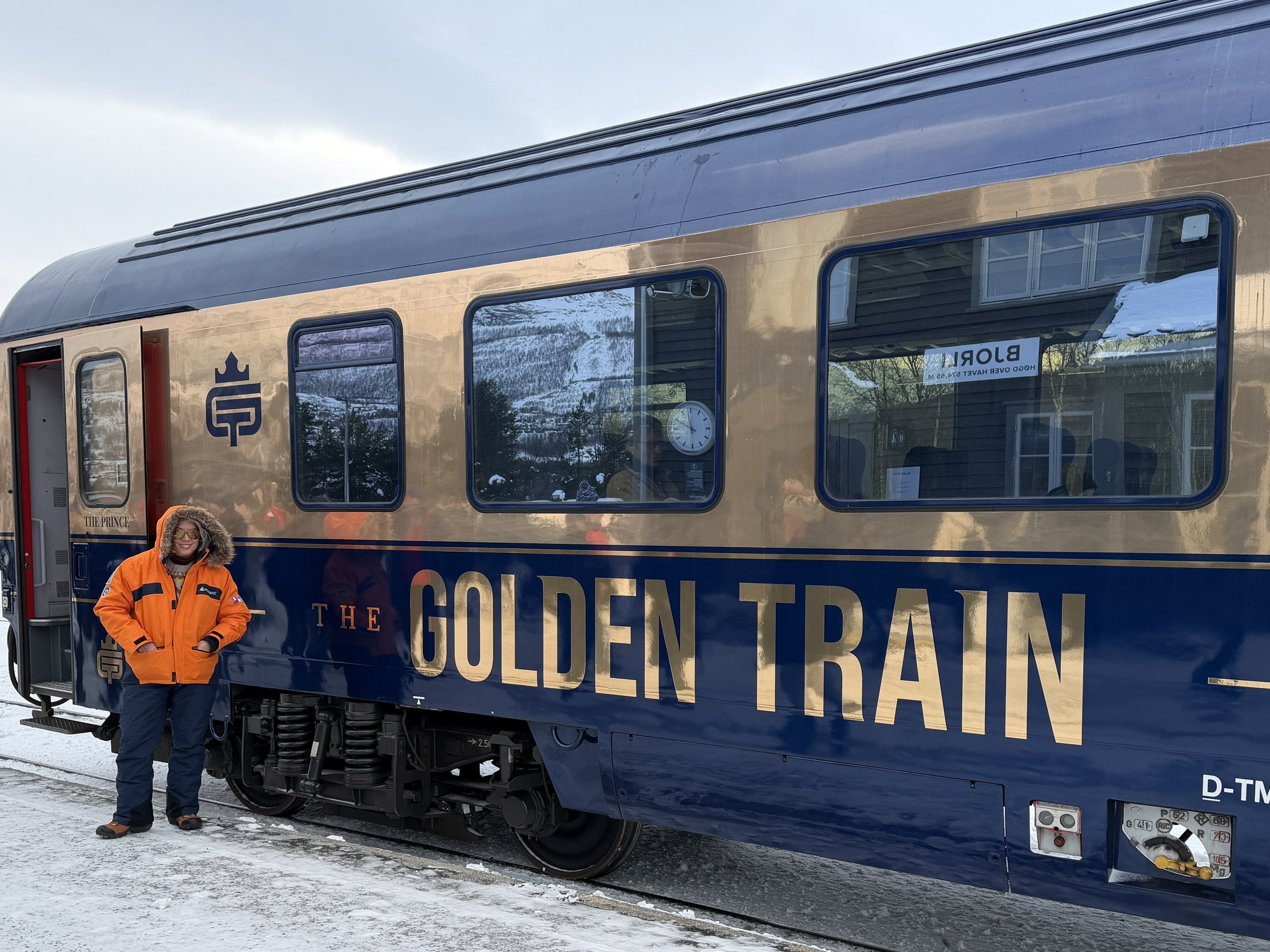
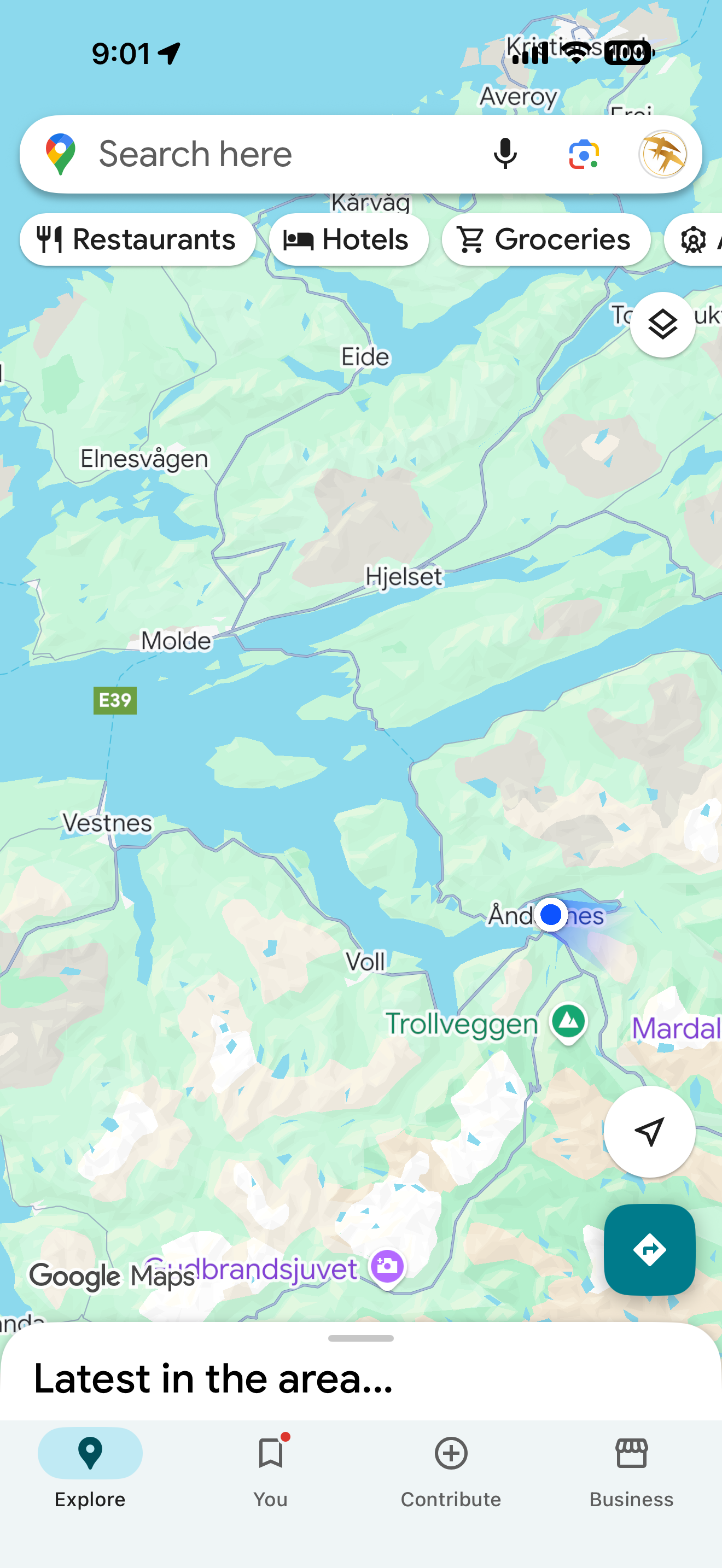
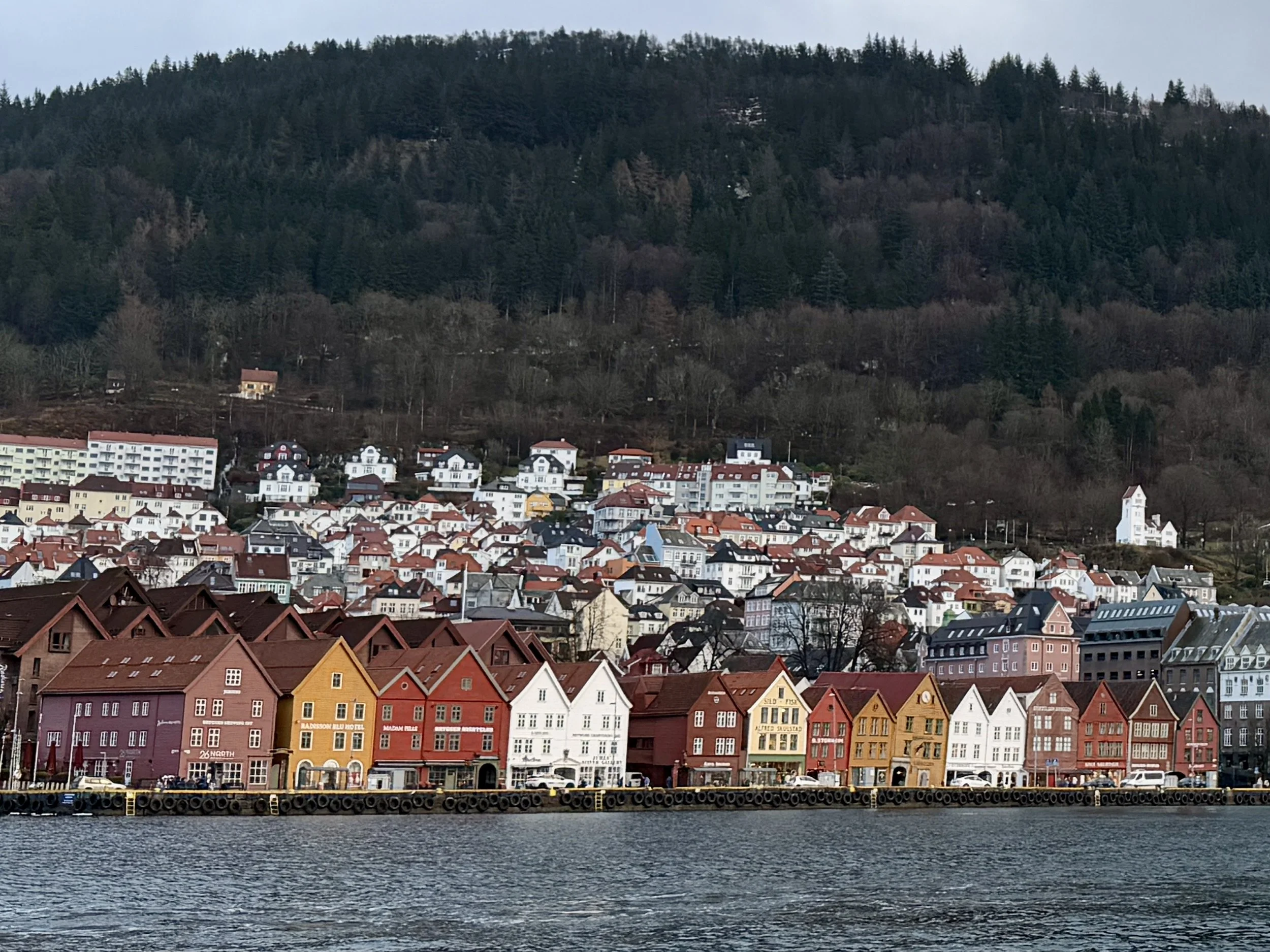
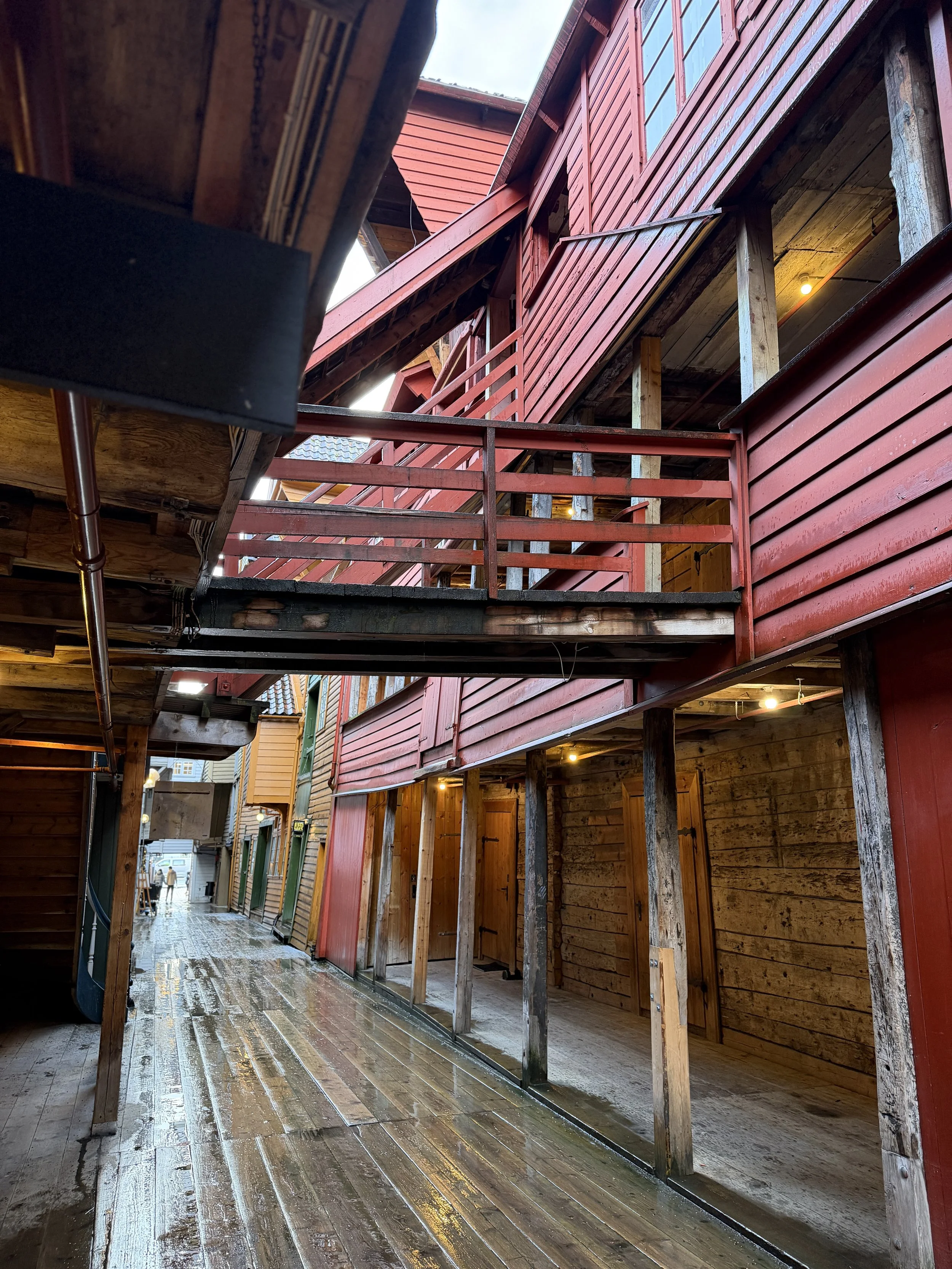
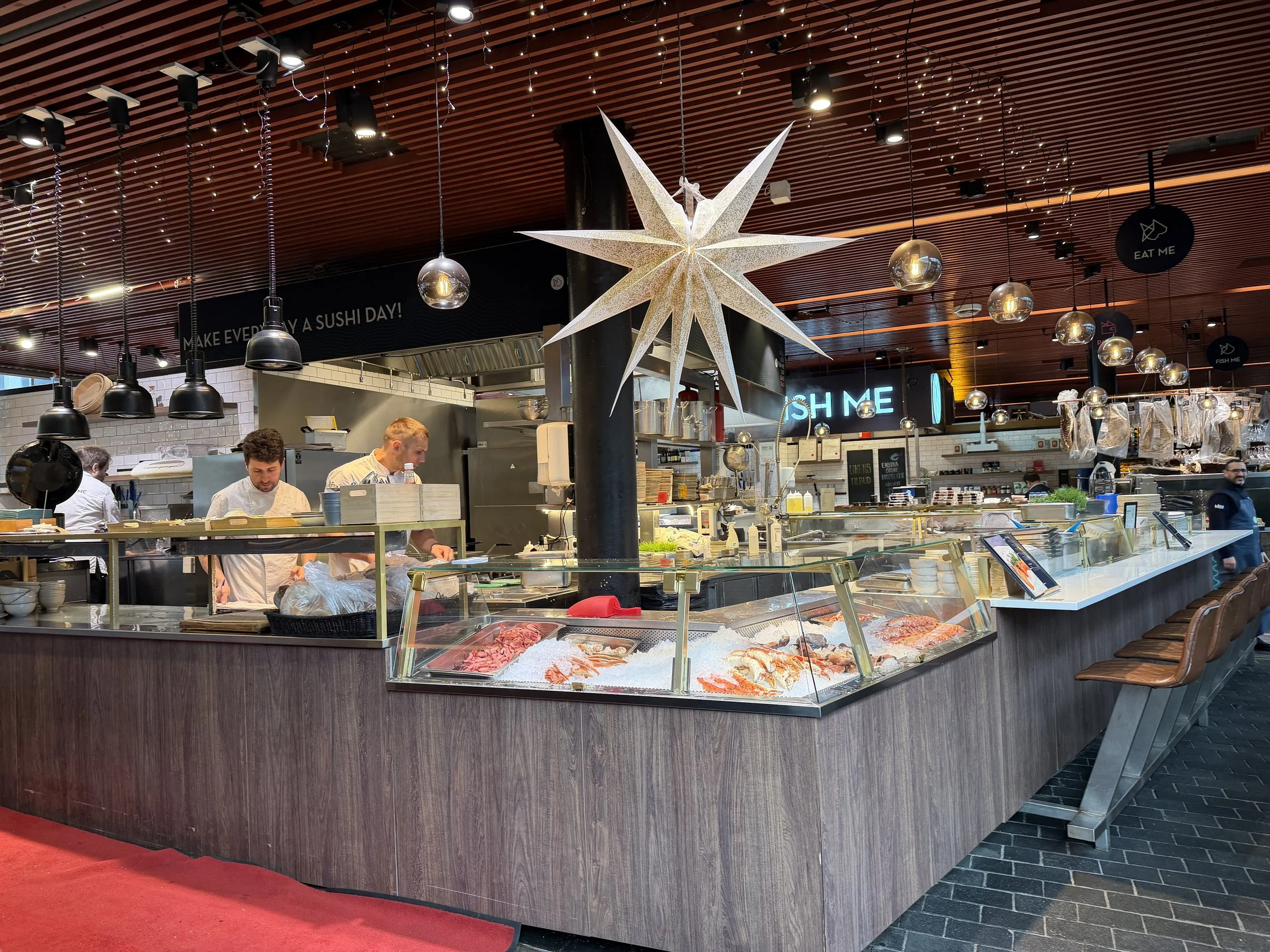
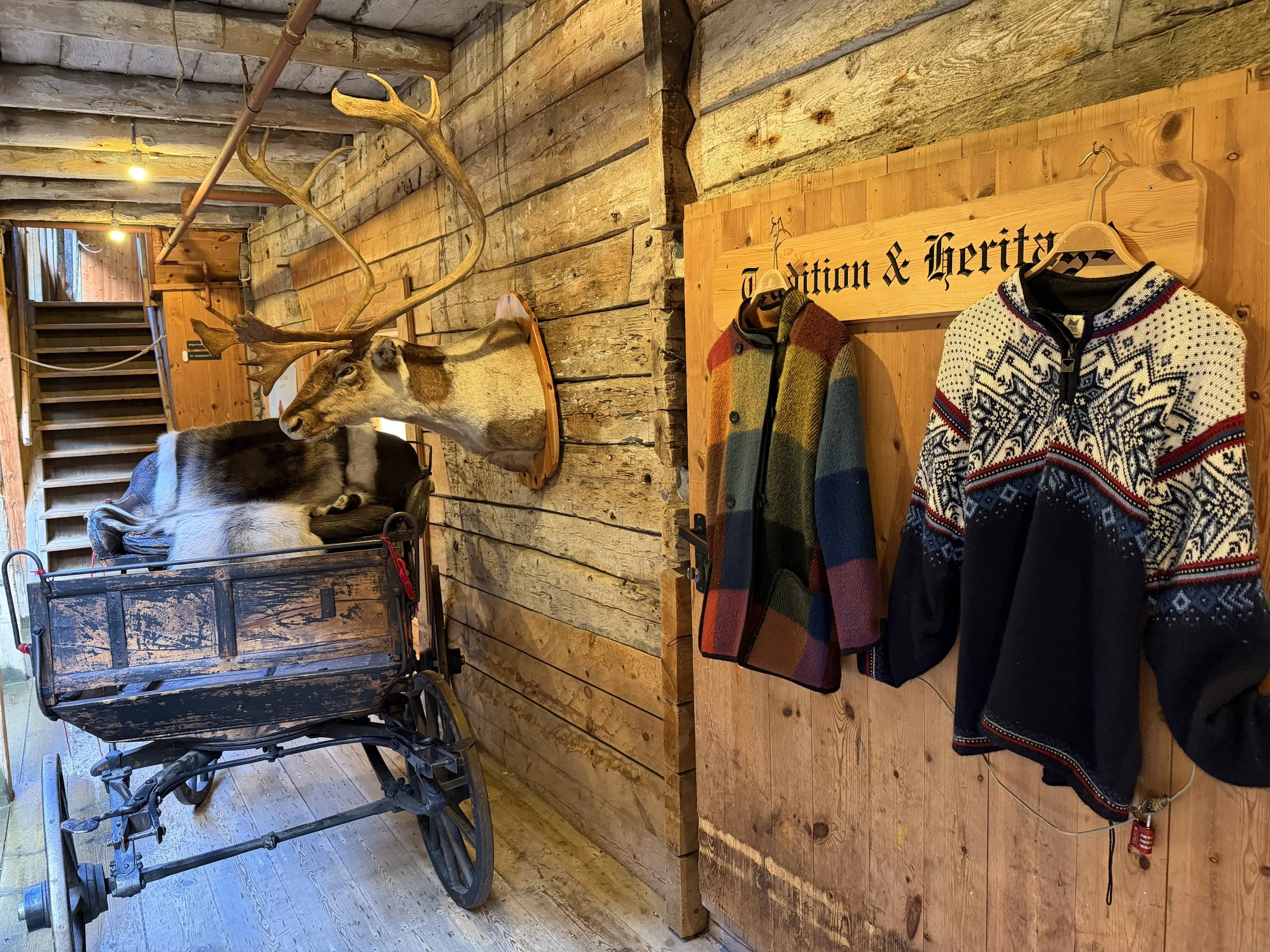
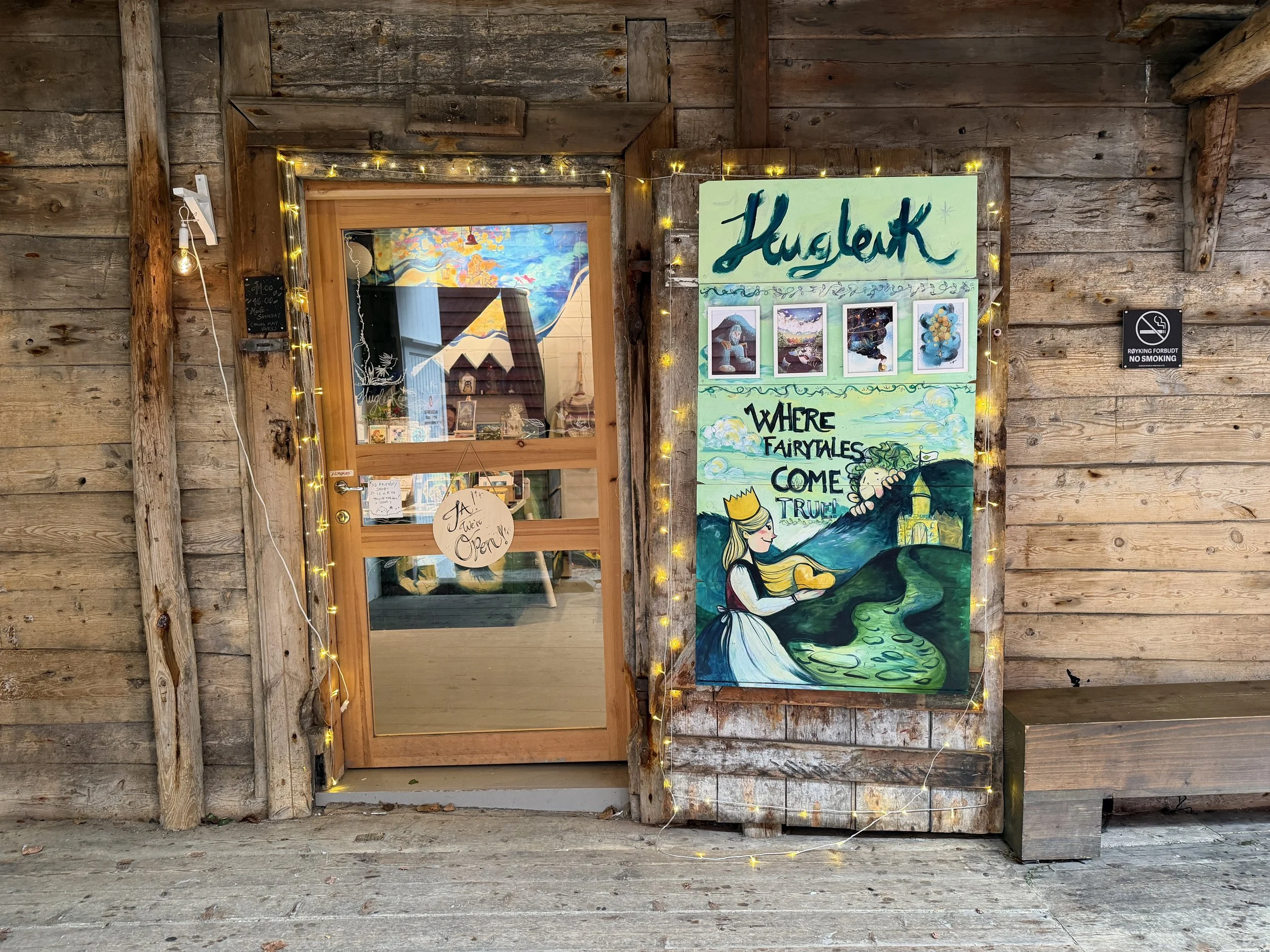
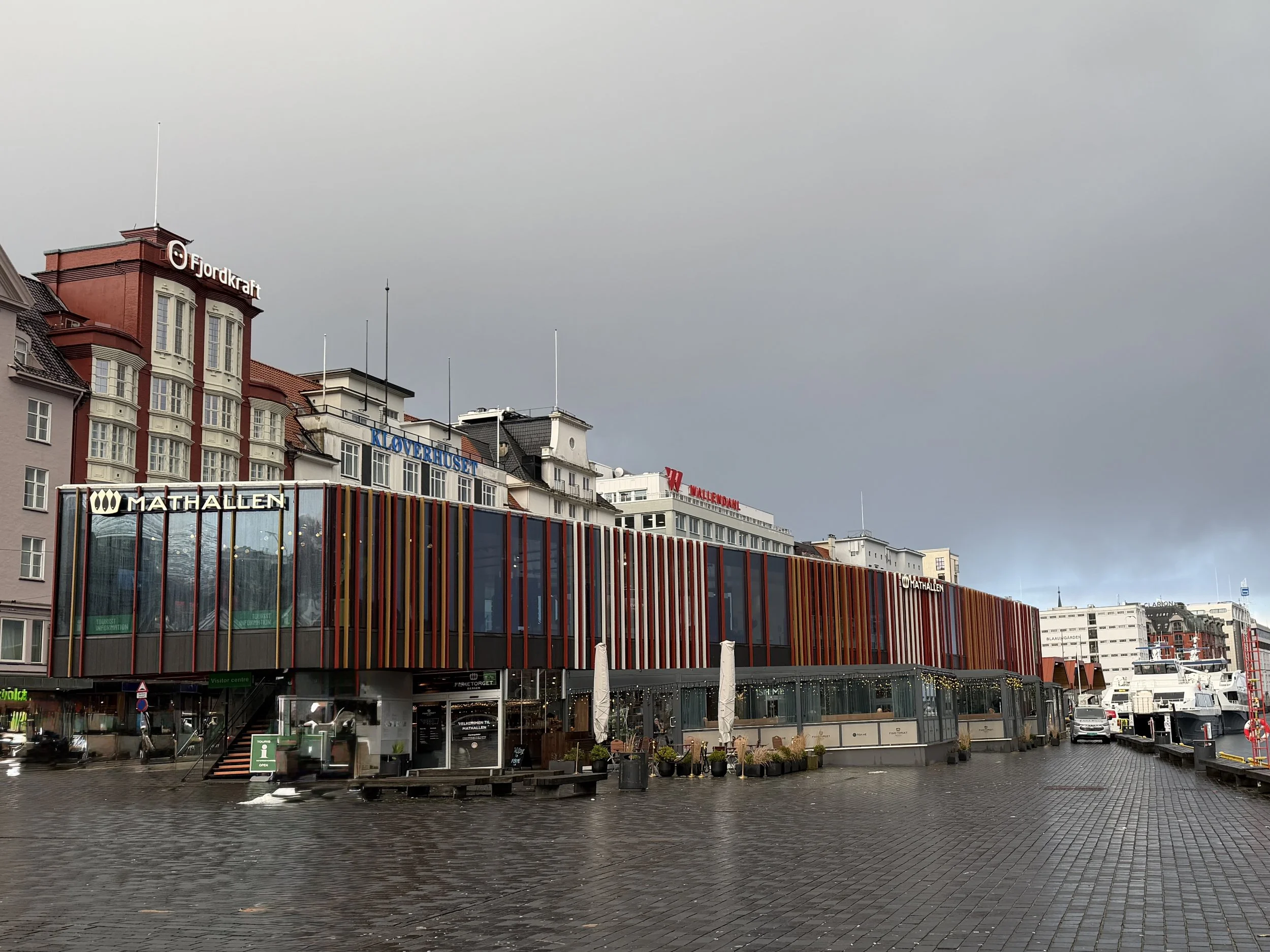
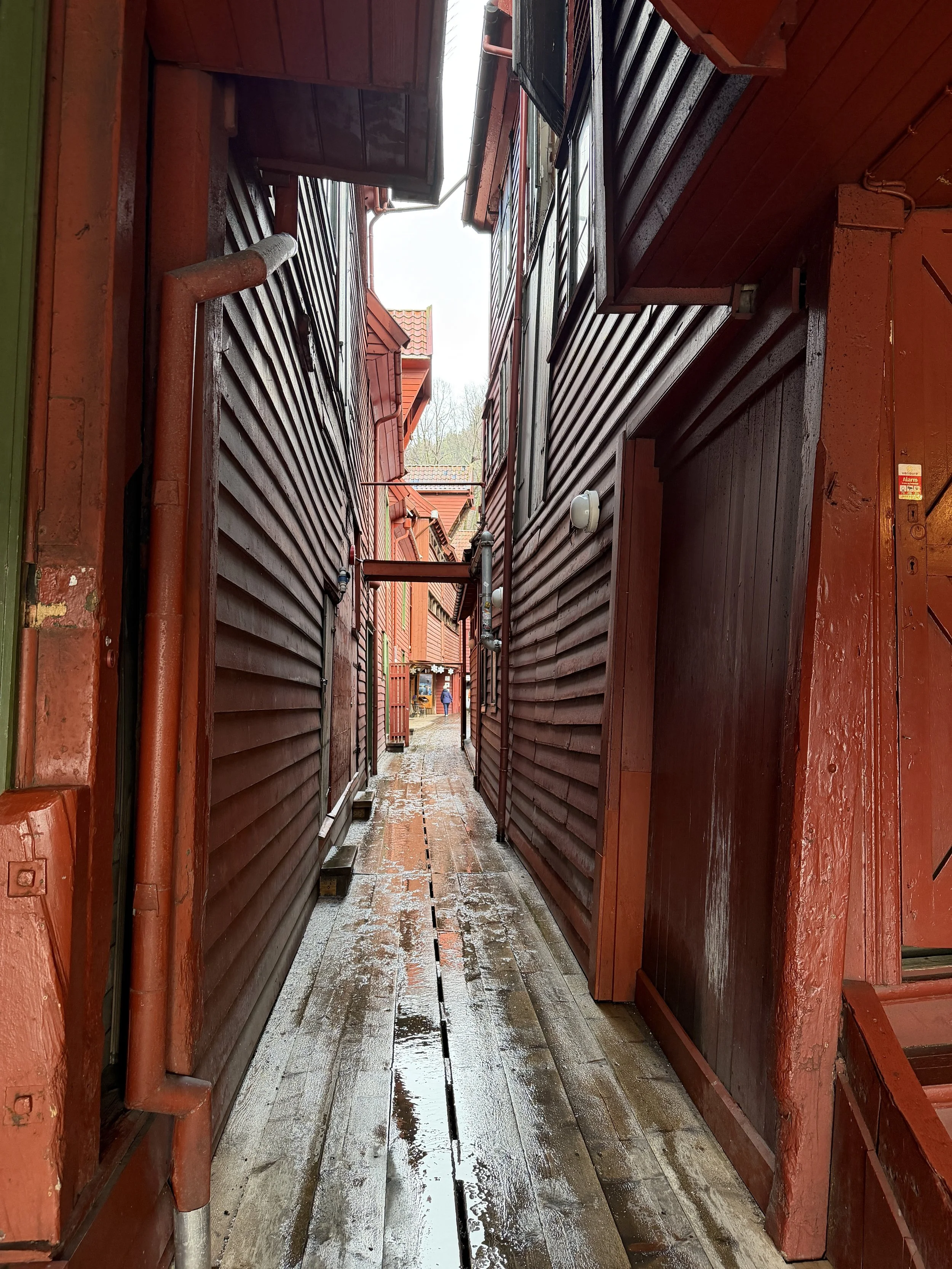
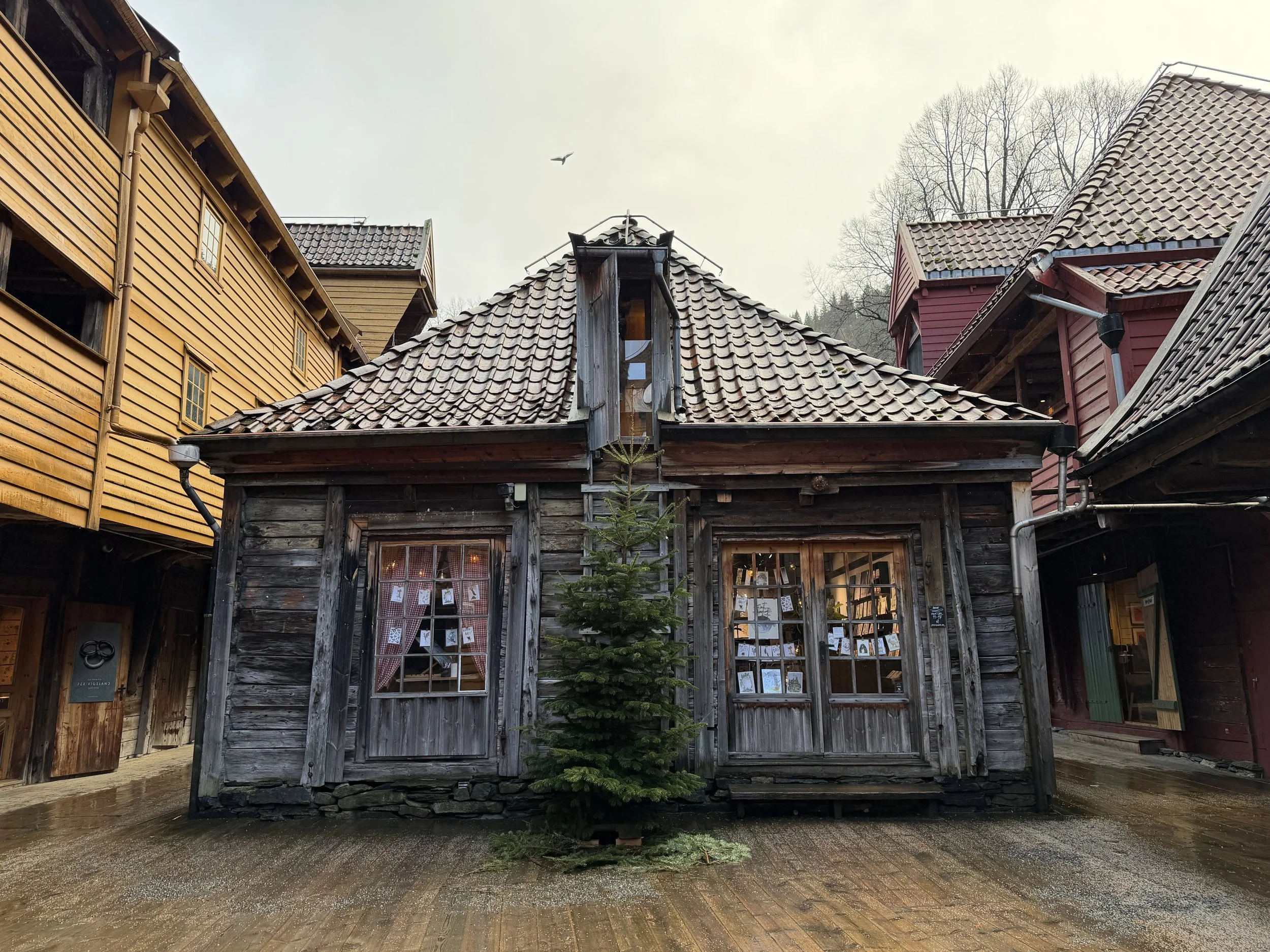
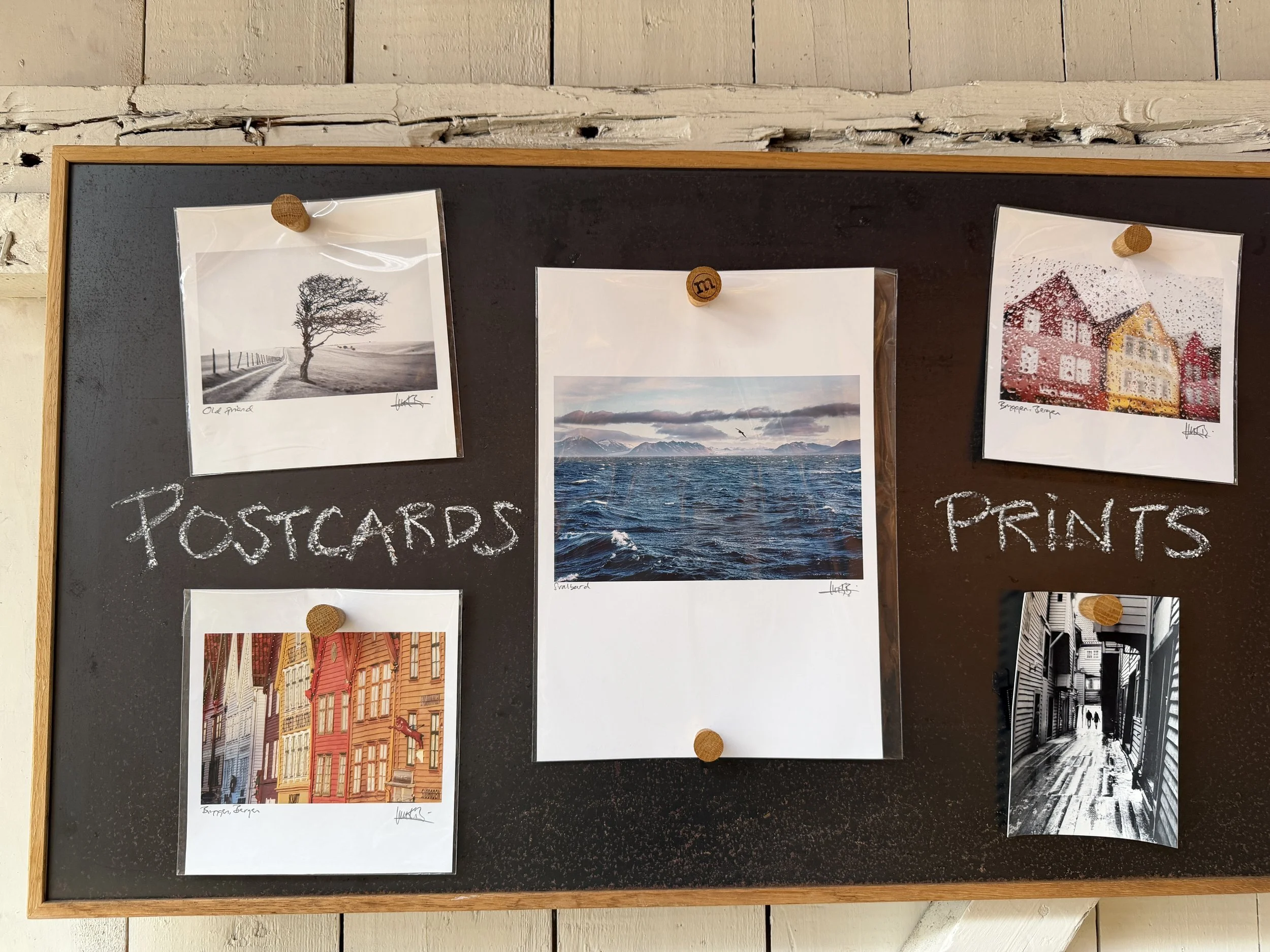
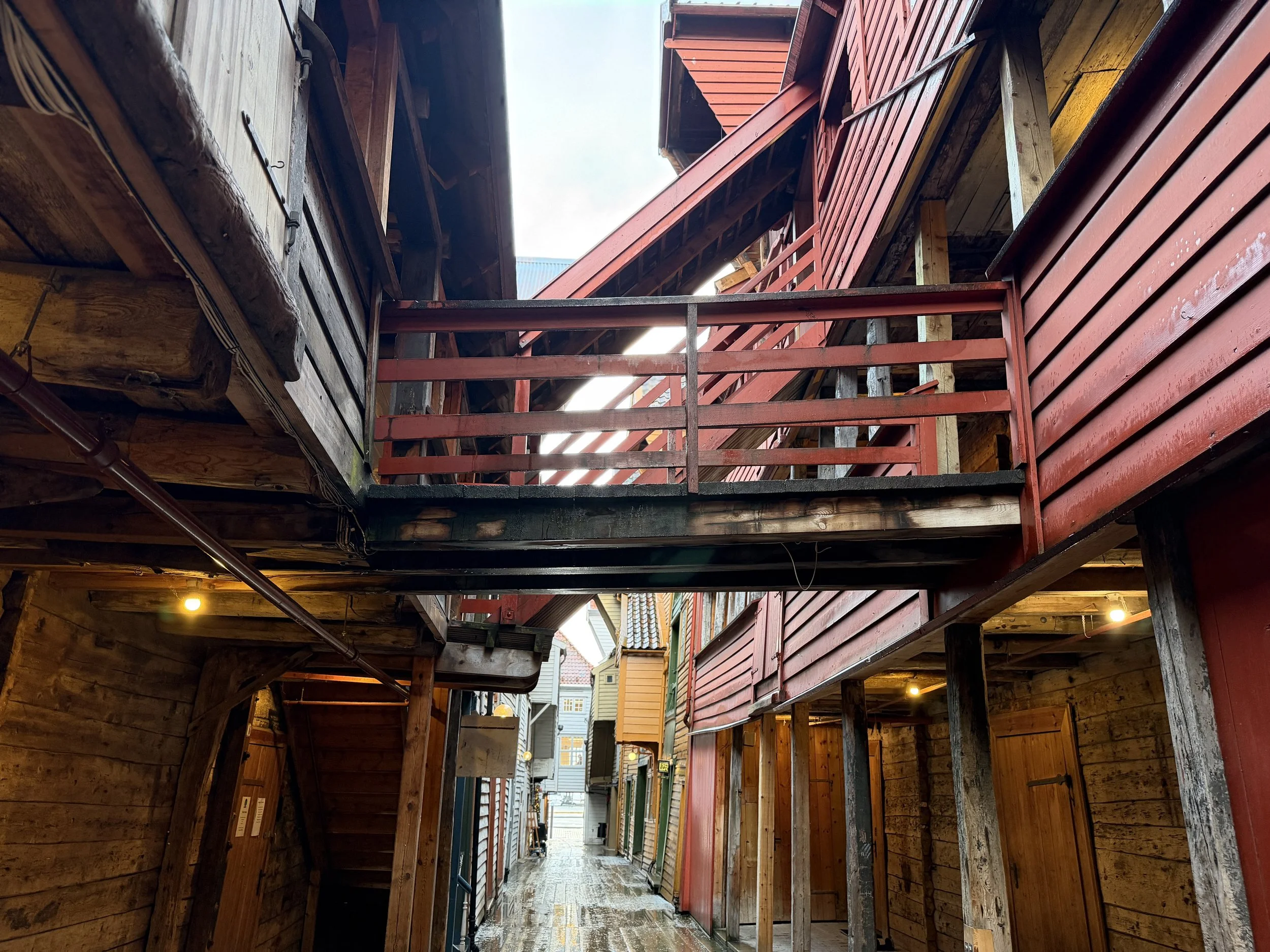
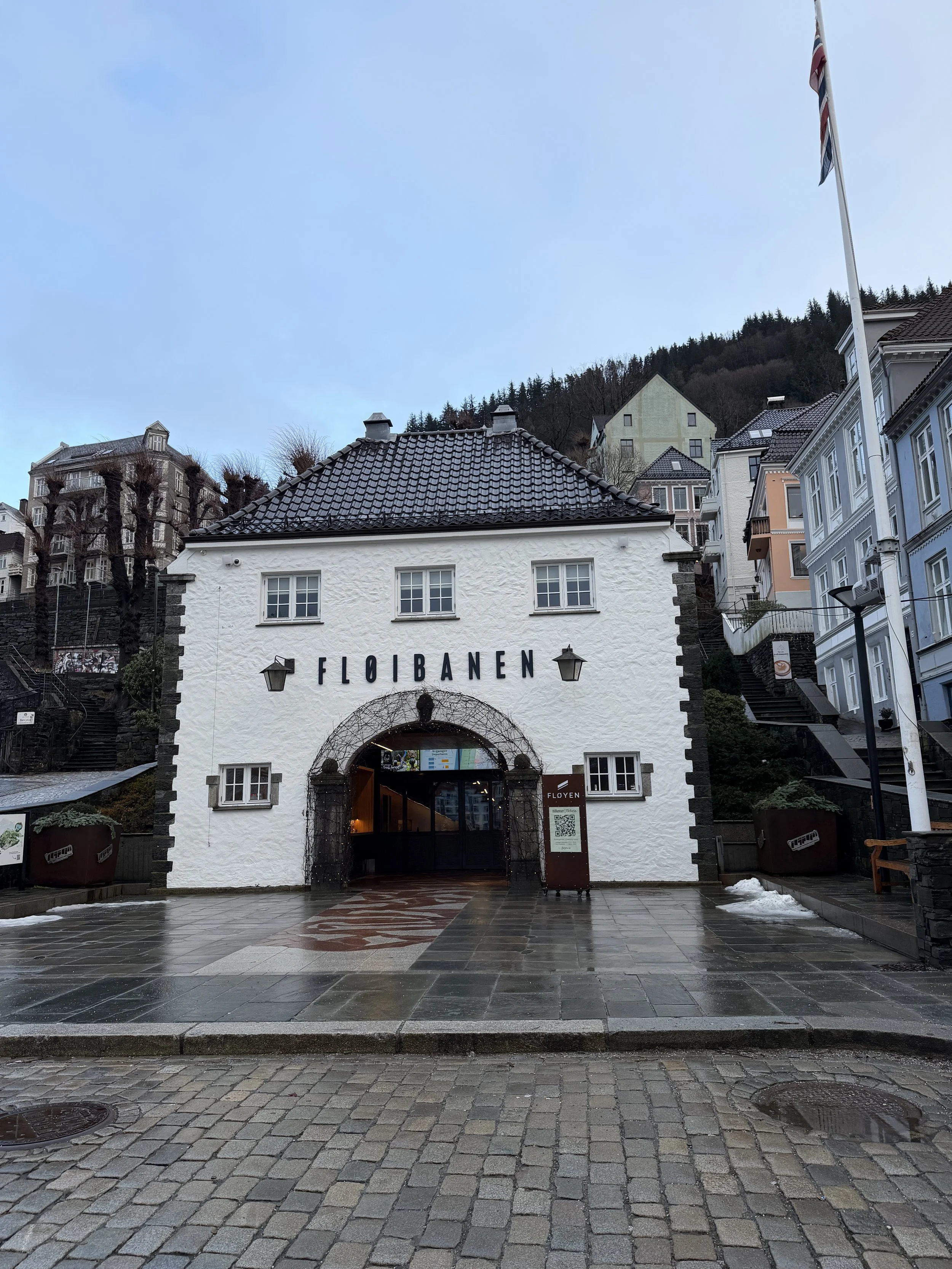
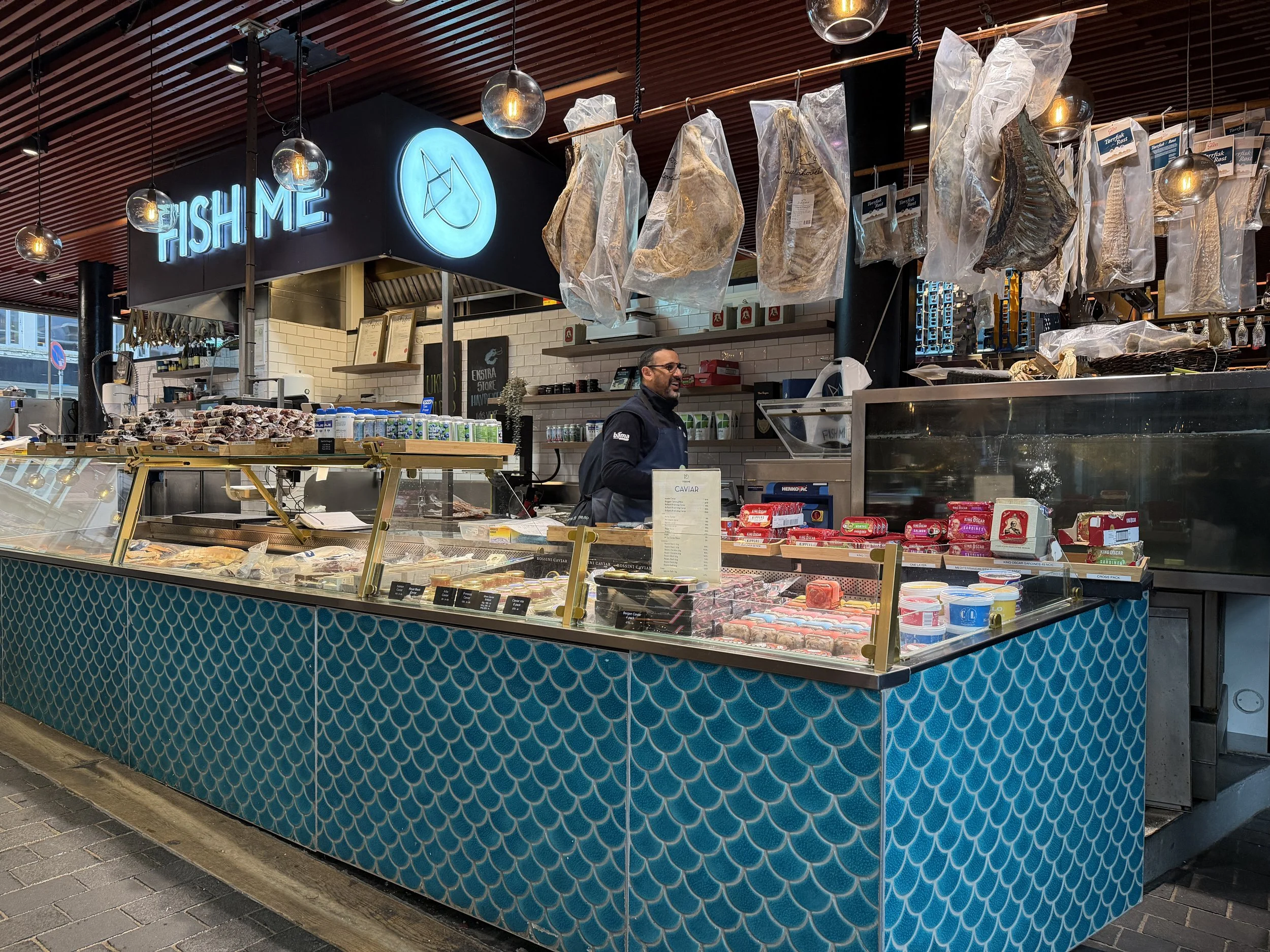
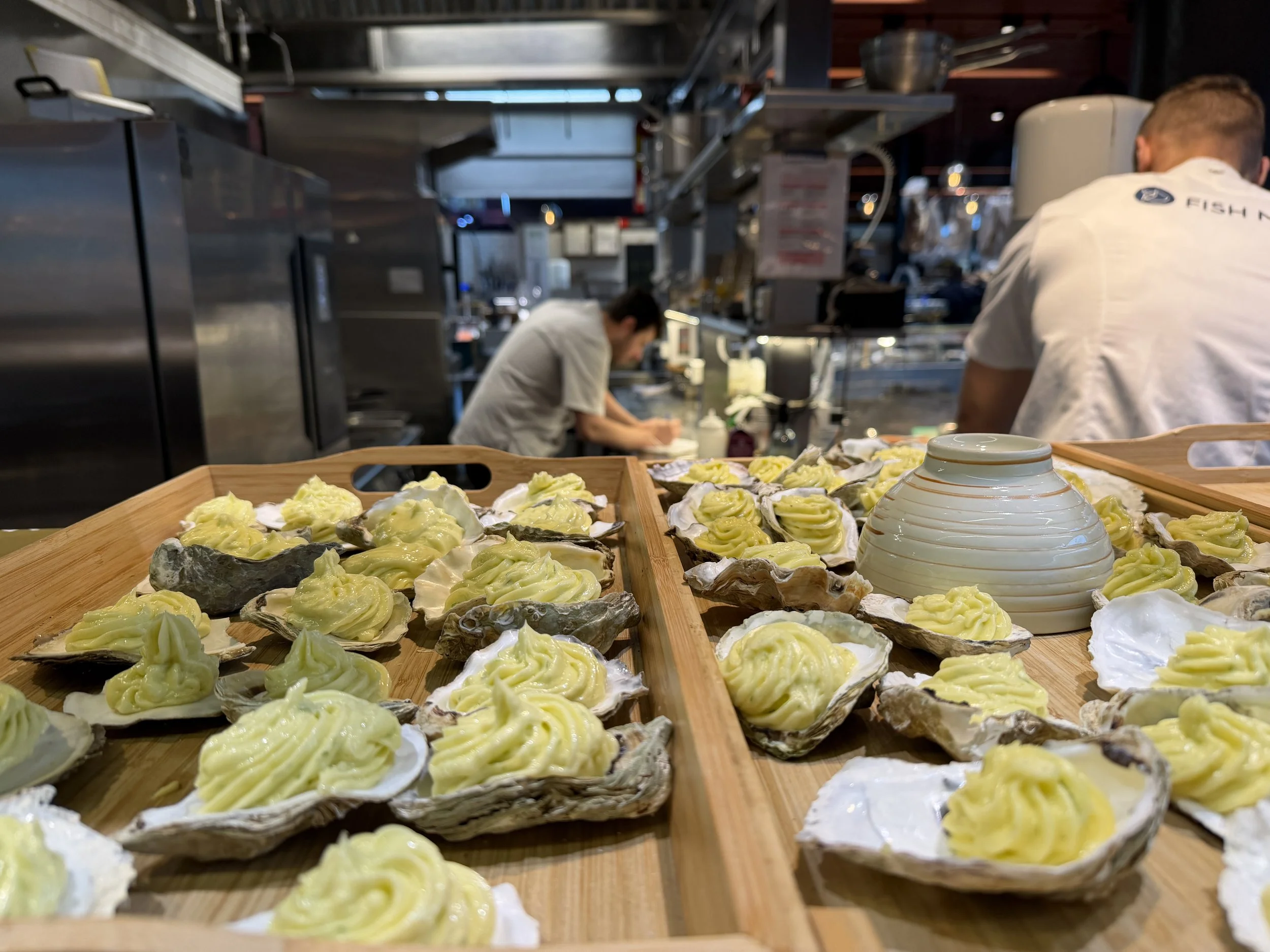
In Åndalsnes, we took the Golden Train through valleys shaped by time rather than design. In Bergen, I walked through Bryggen, rode the funicular, and had lunch at the fish market. Kristiansand was a washout — pouring rain — so we stayed onboard and rested.
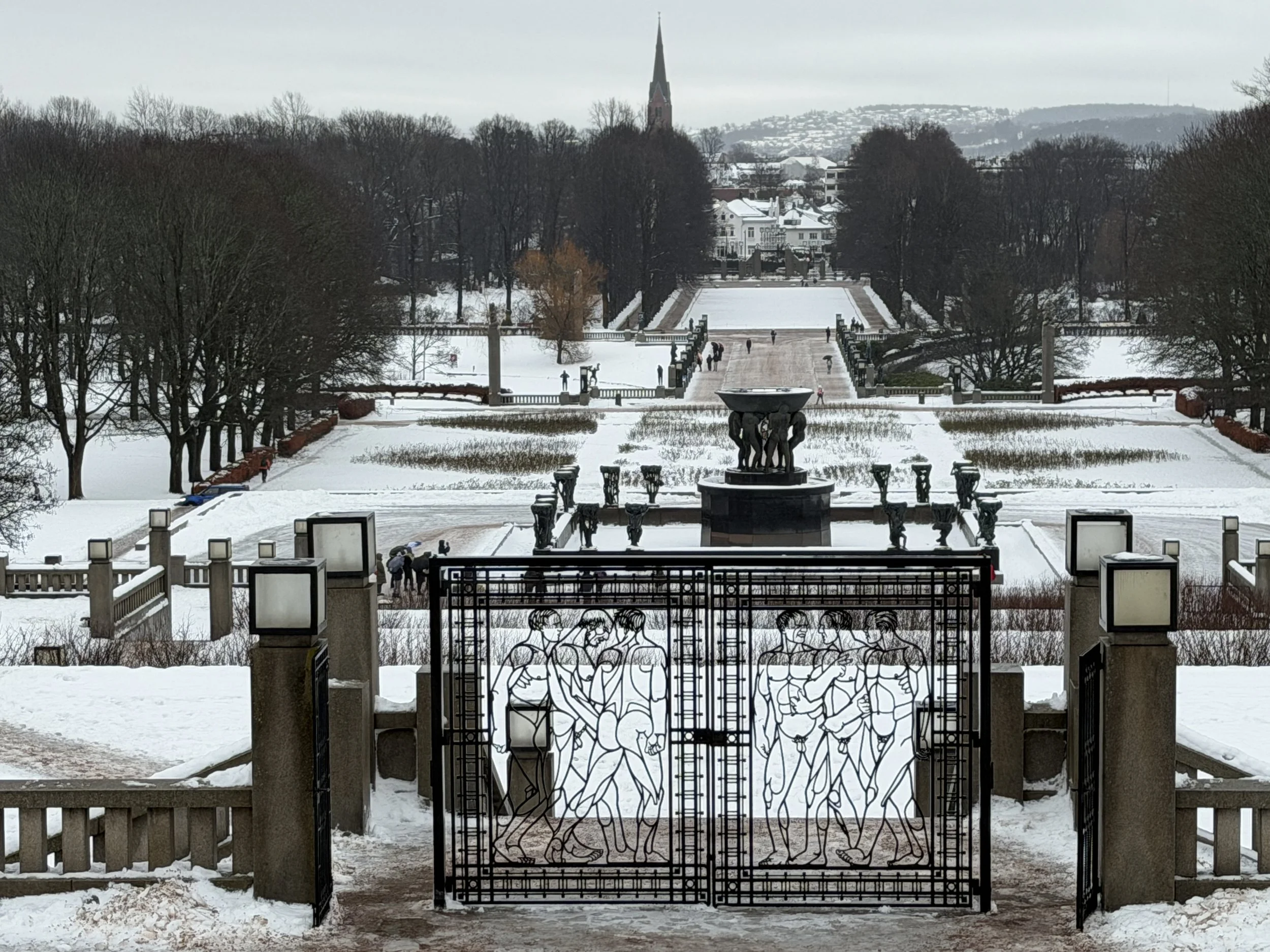
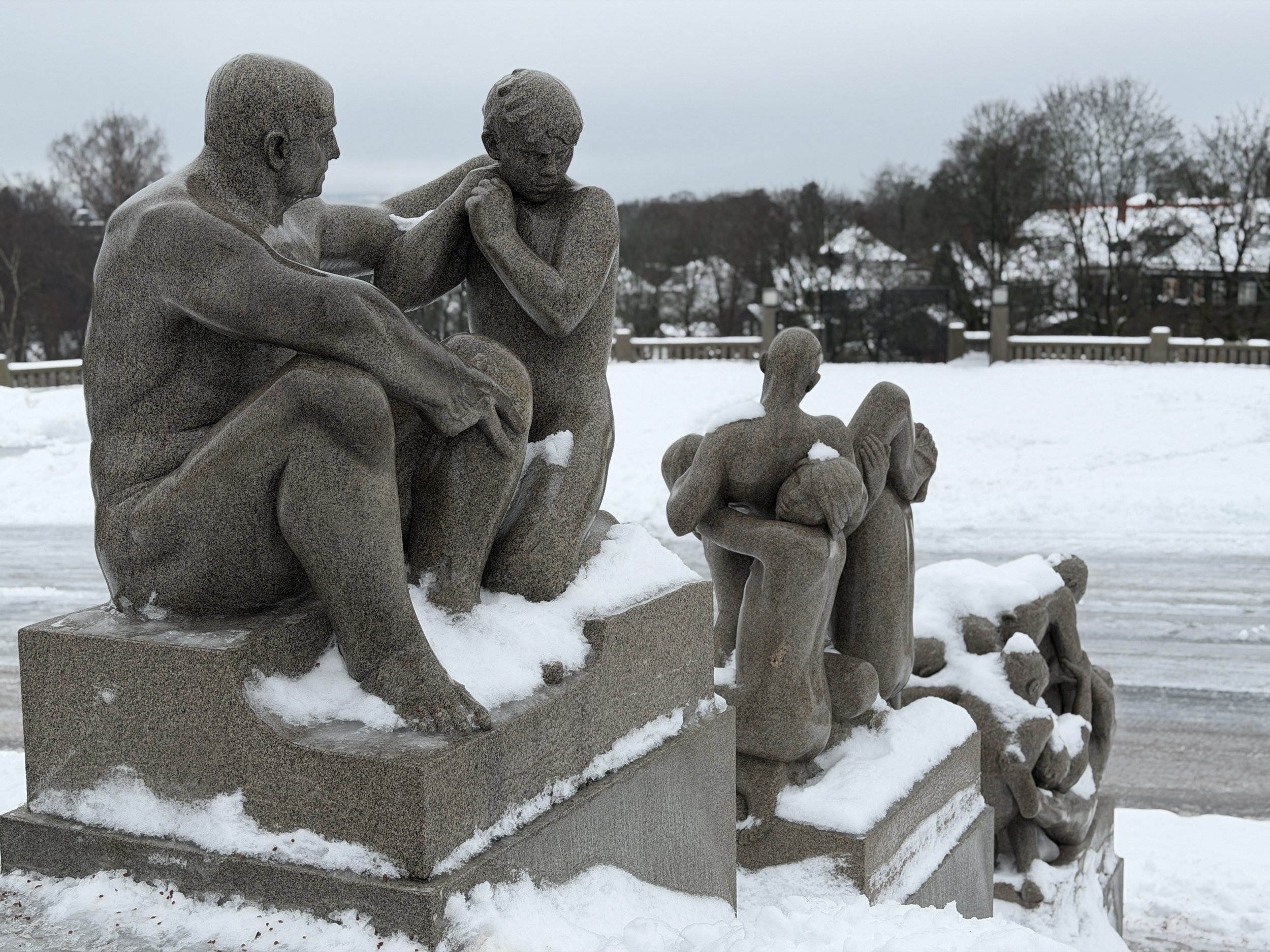
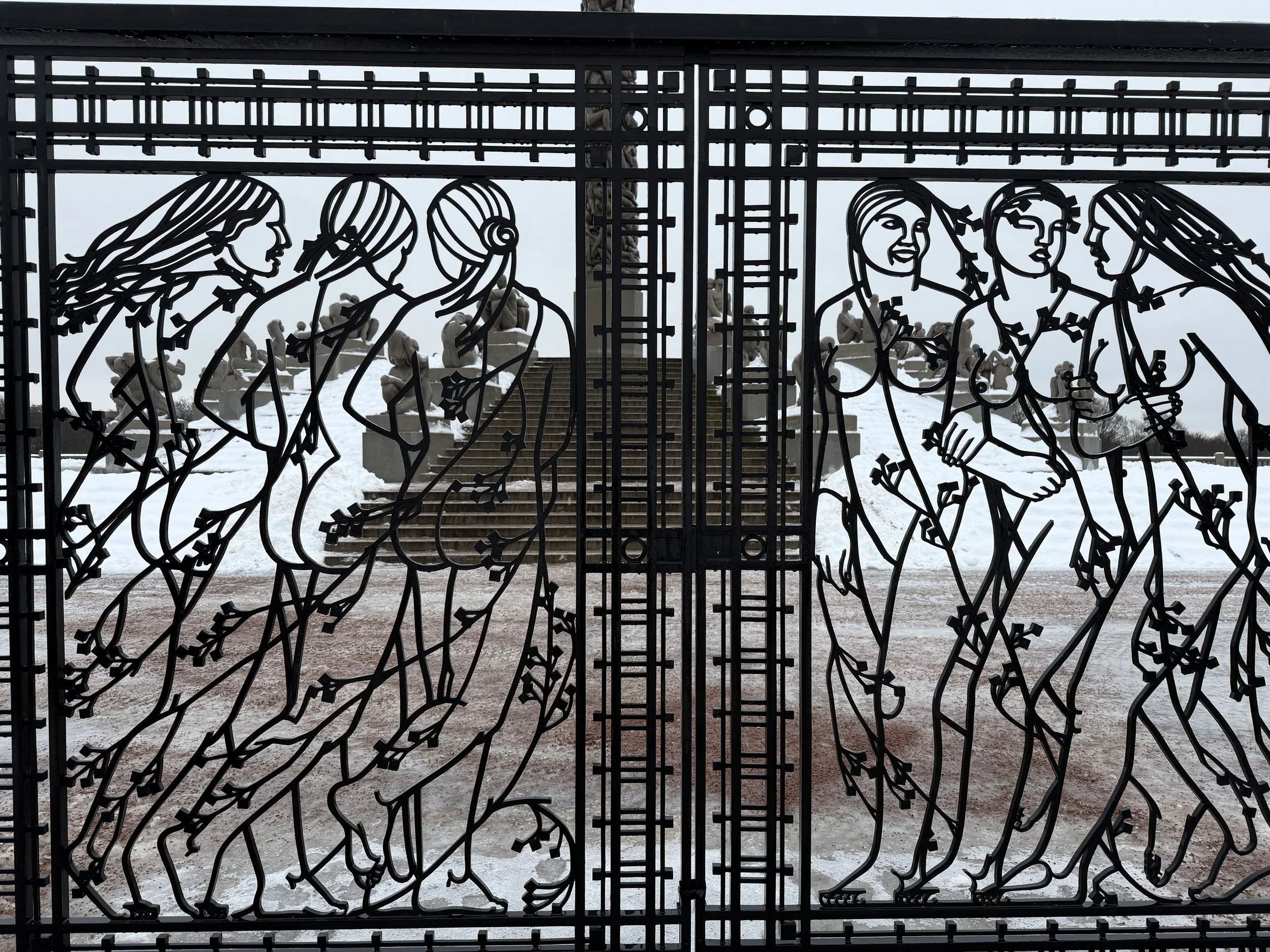
In Oslo, a driver and guide met us. In four hours, we covered the essentials — a practical overview, not an attempt to do everything.
A Note on Hurtigruten
Hurtigruten describes itself as Norway, by Norwegians. That feels accurate.
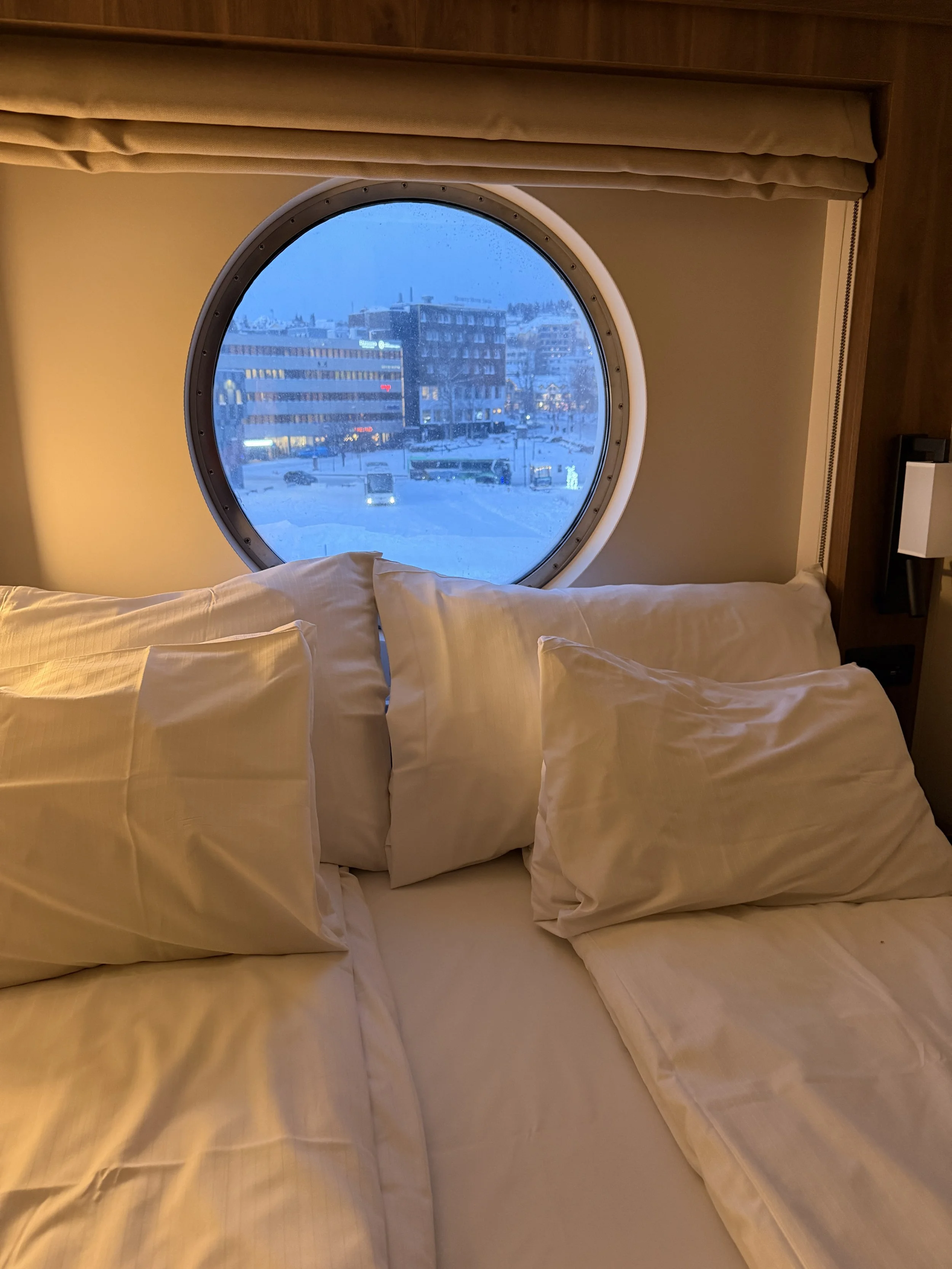
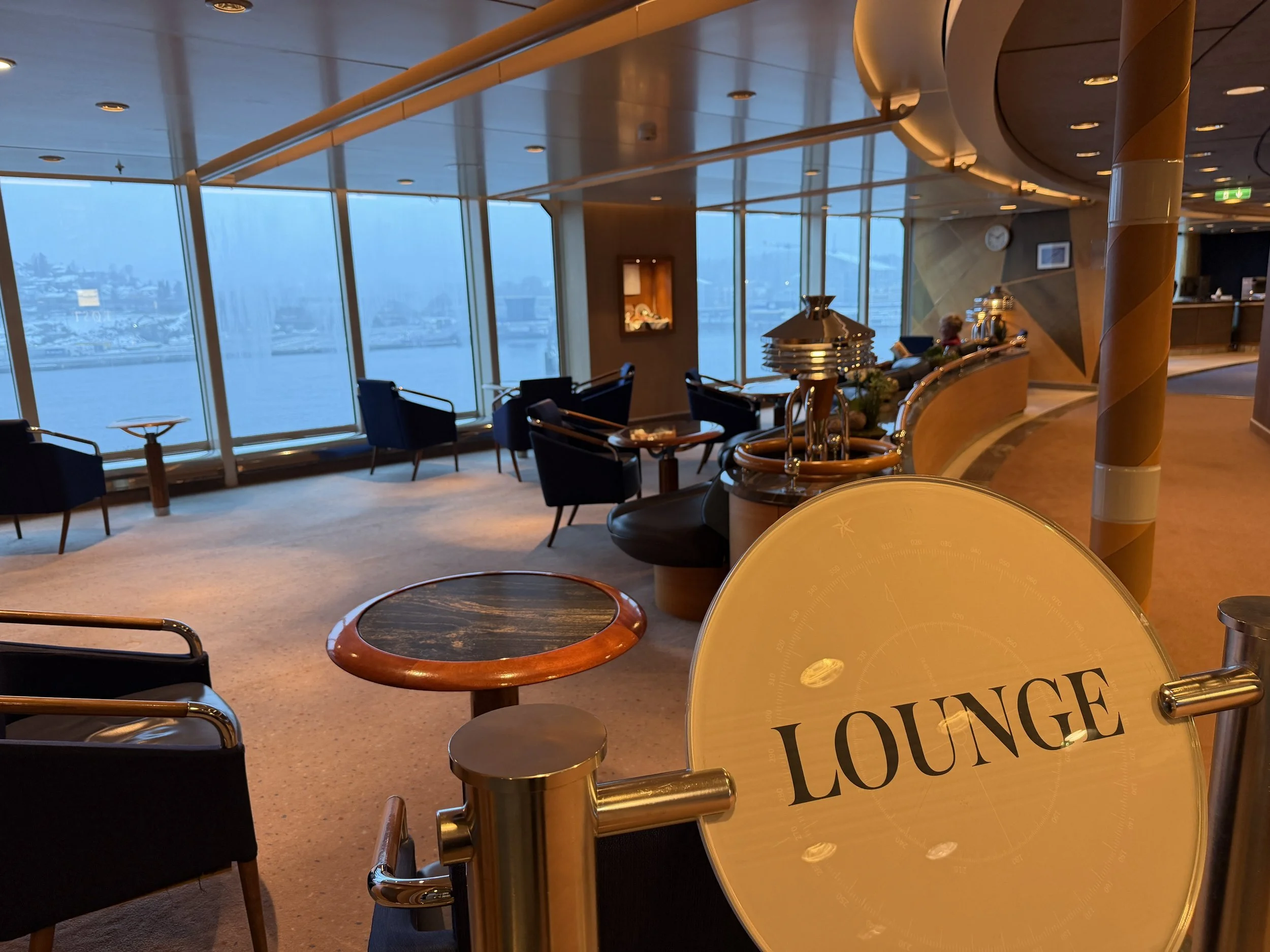
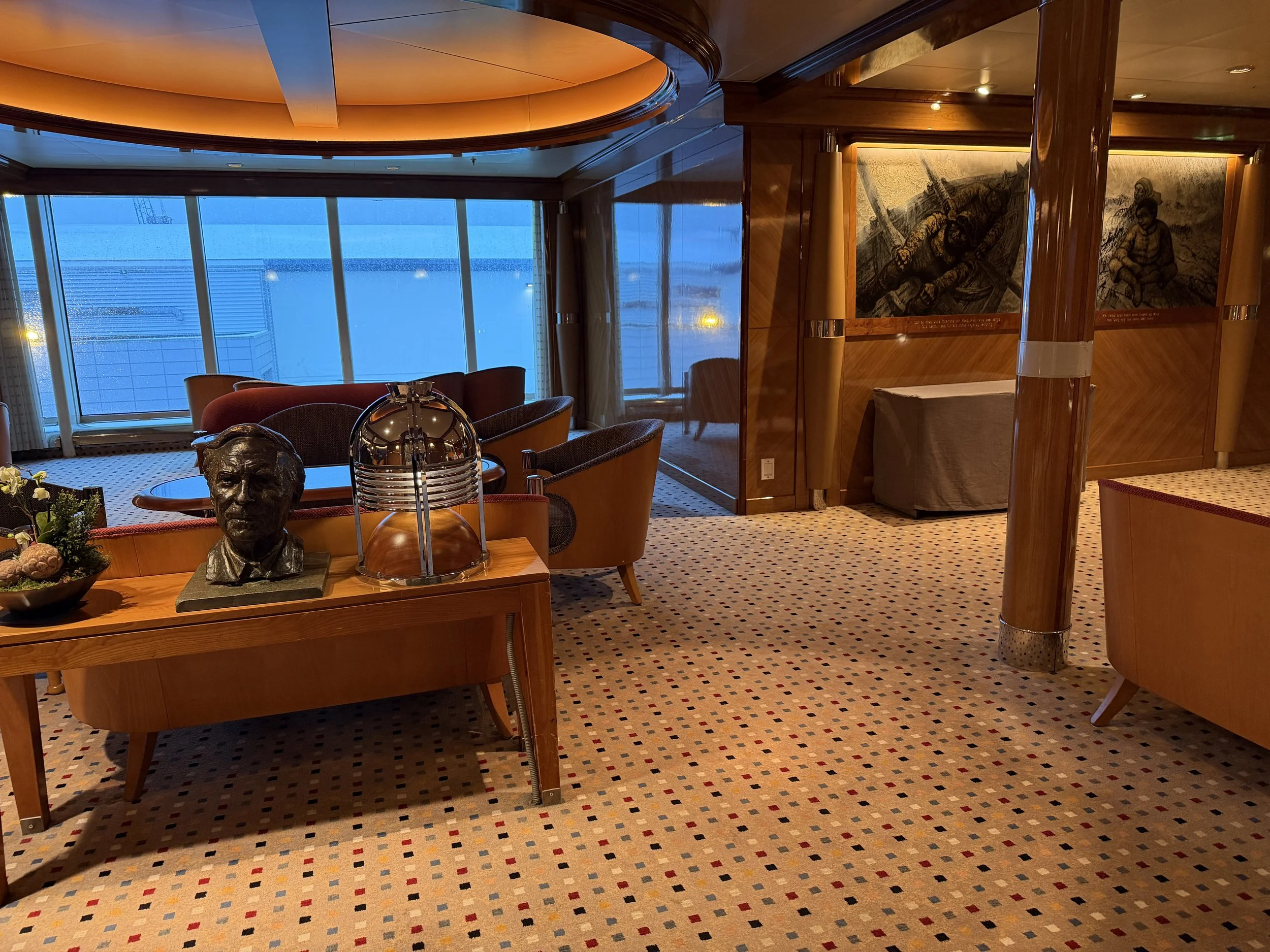
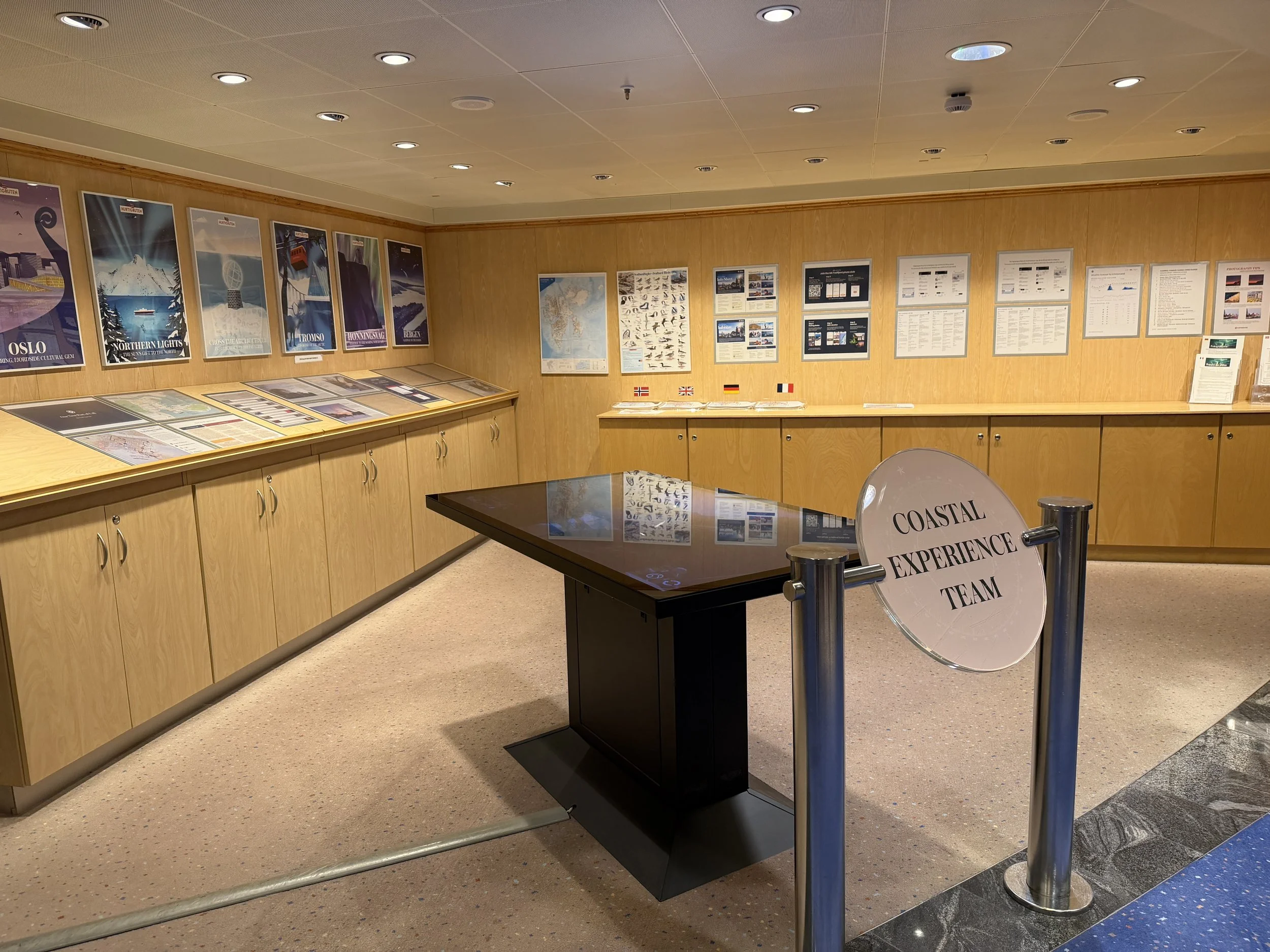
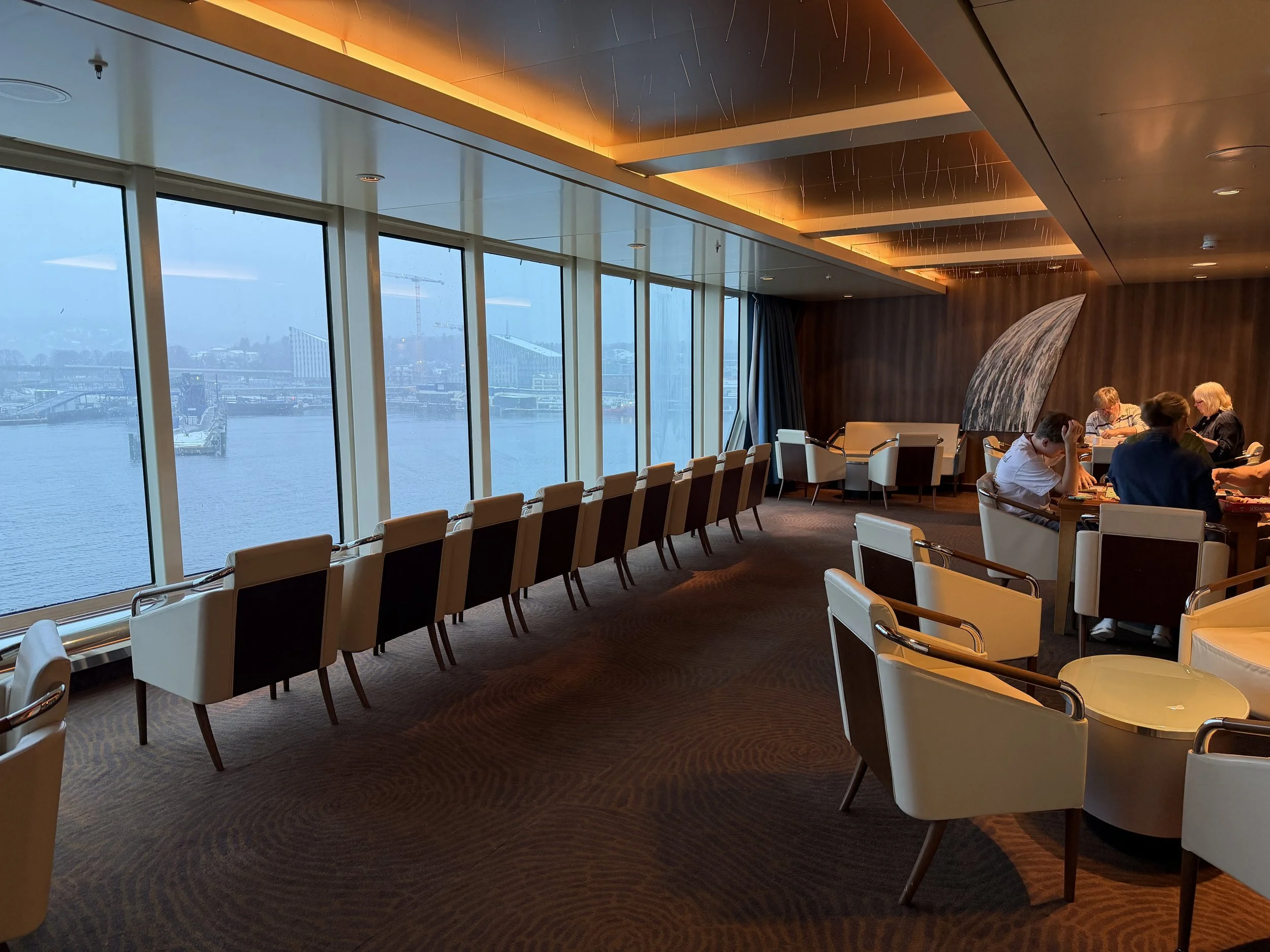
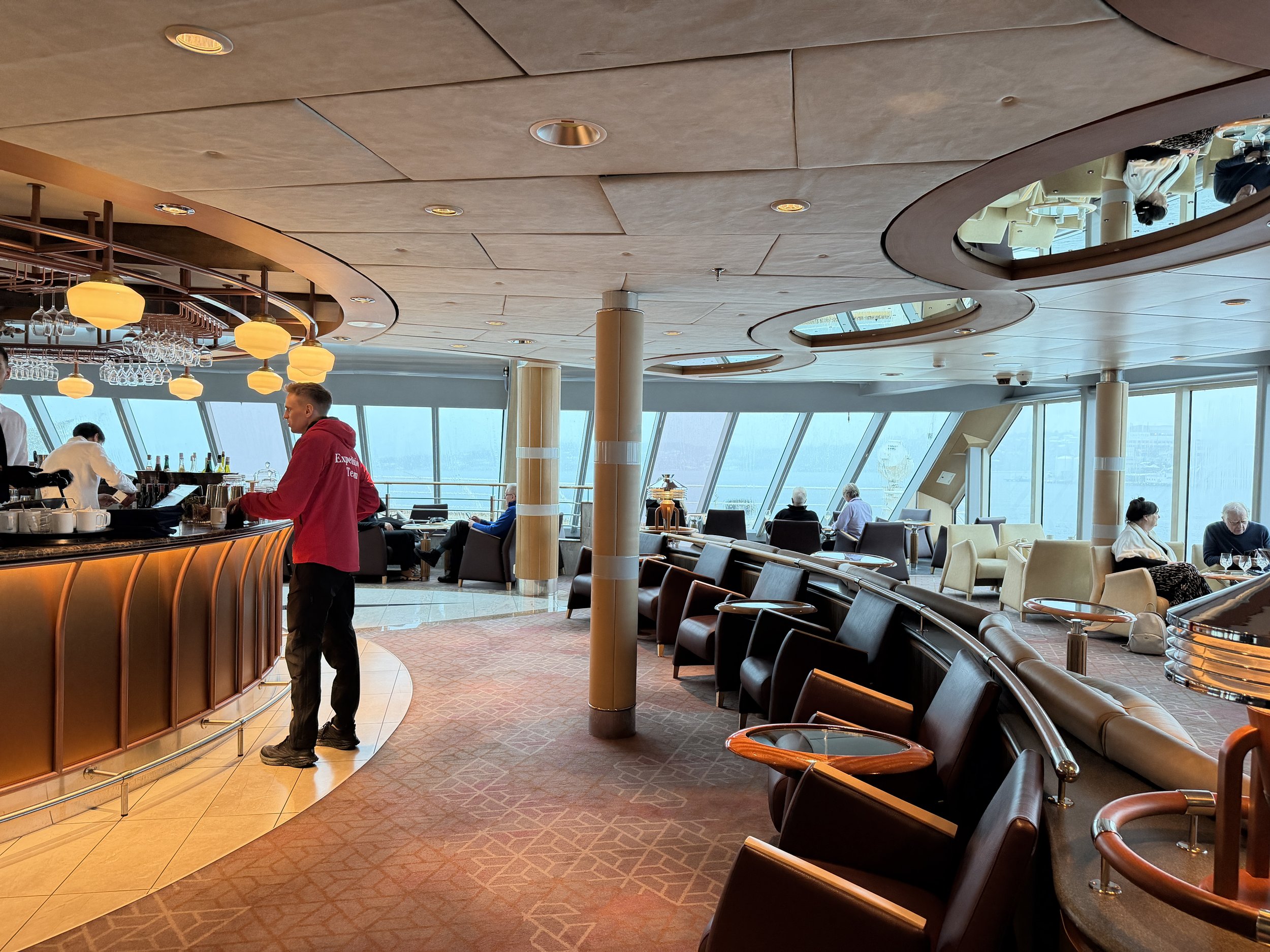
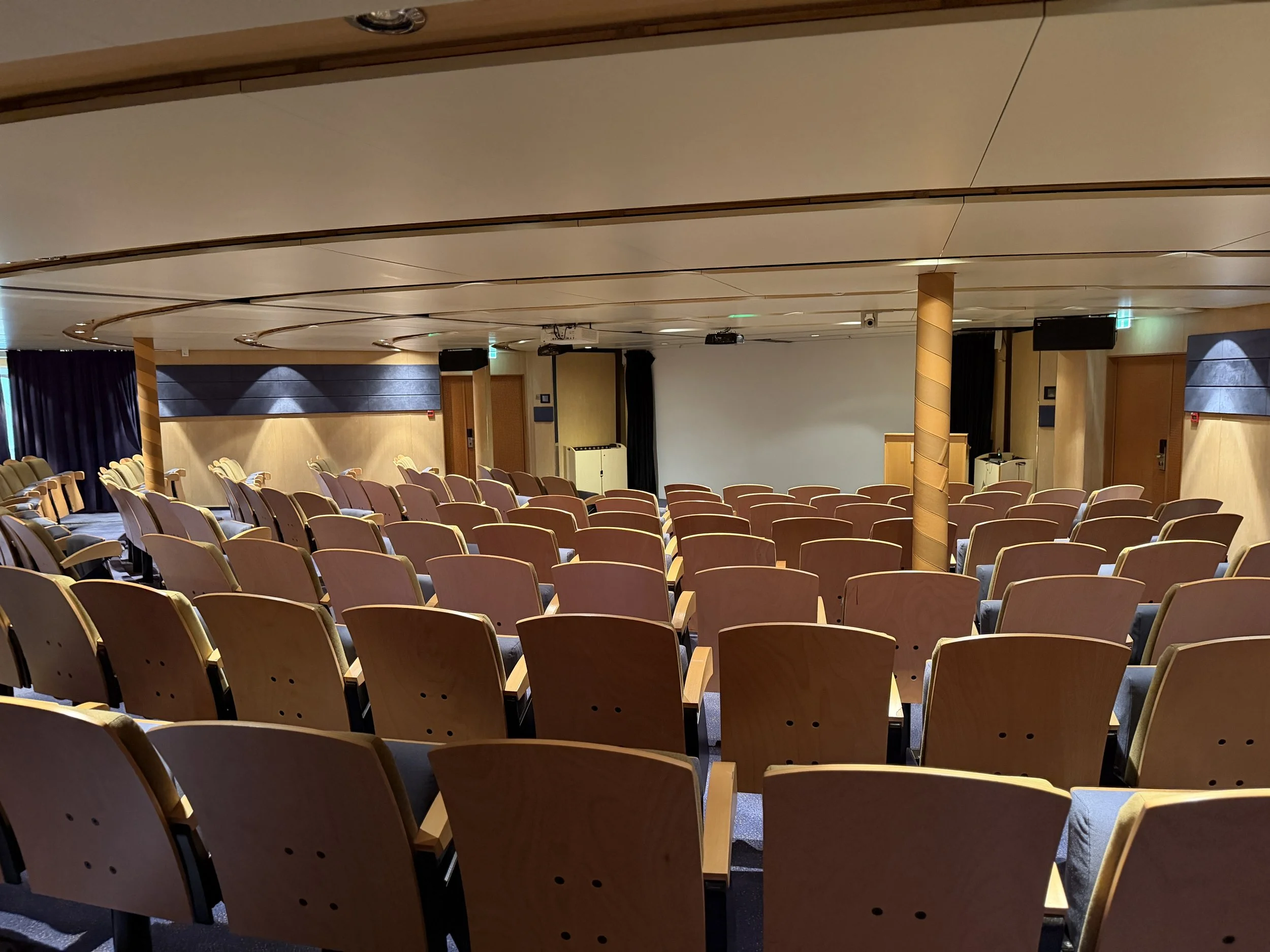
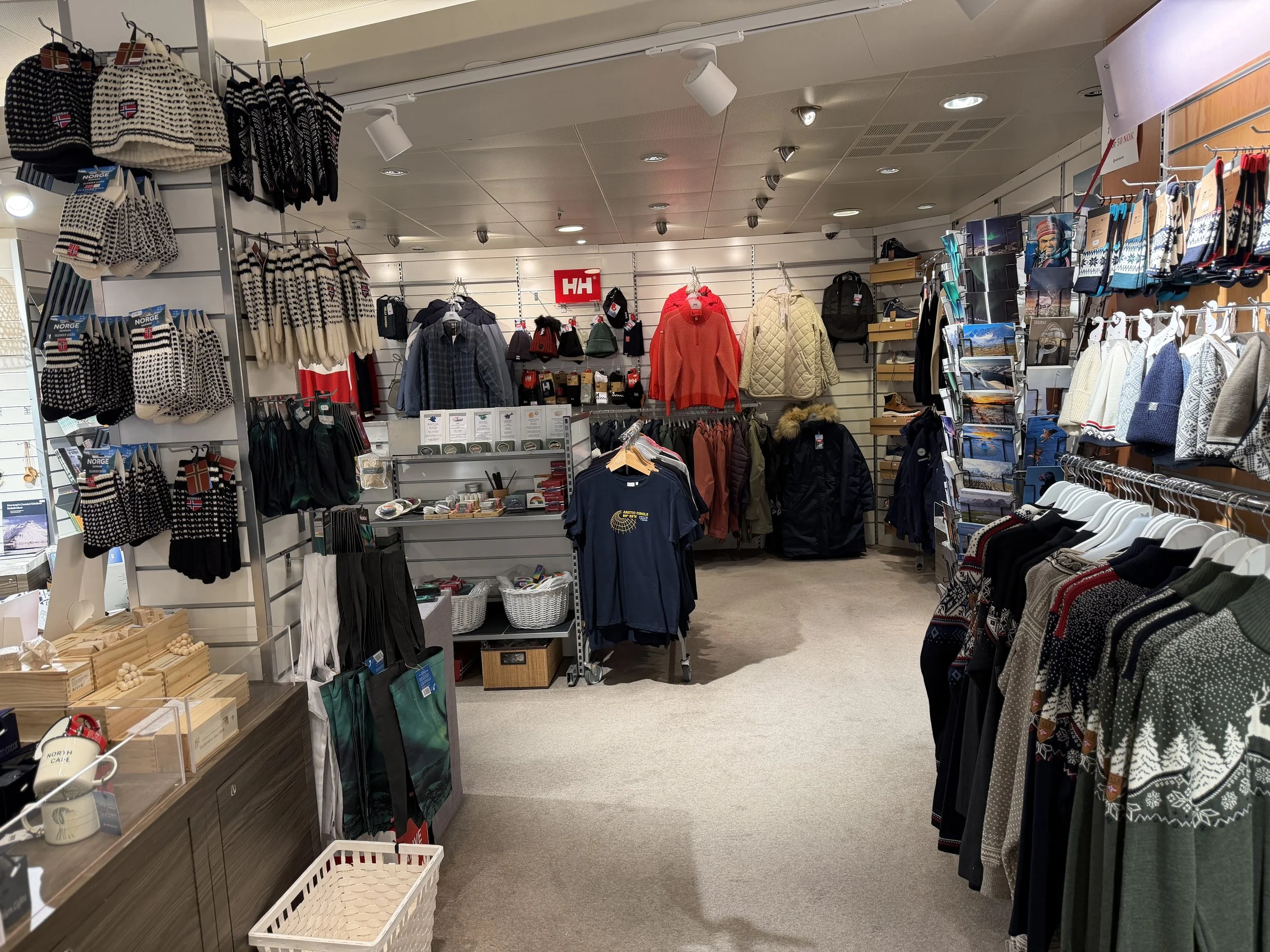
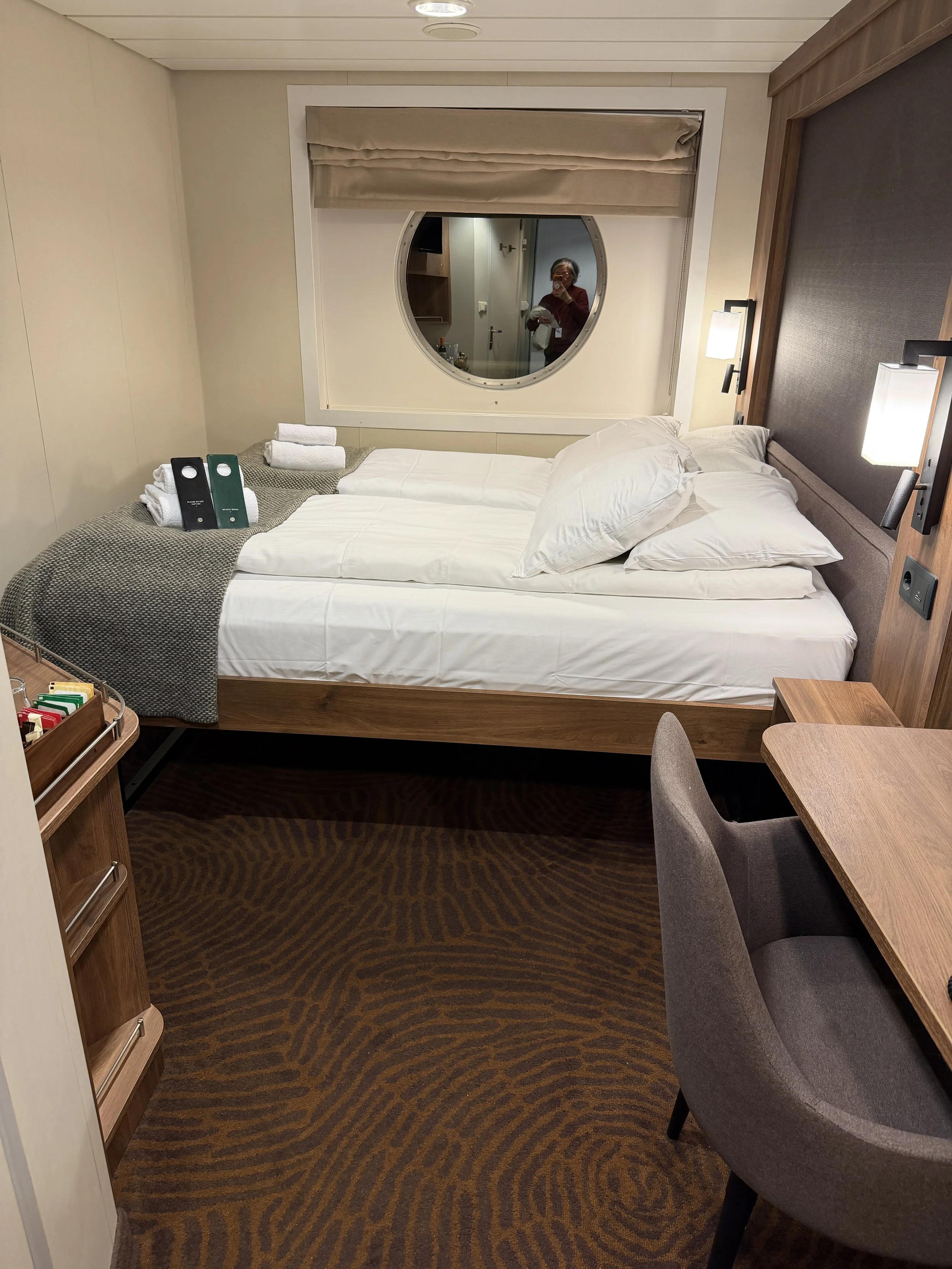
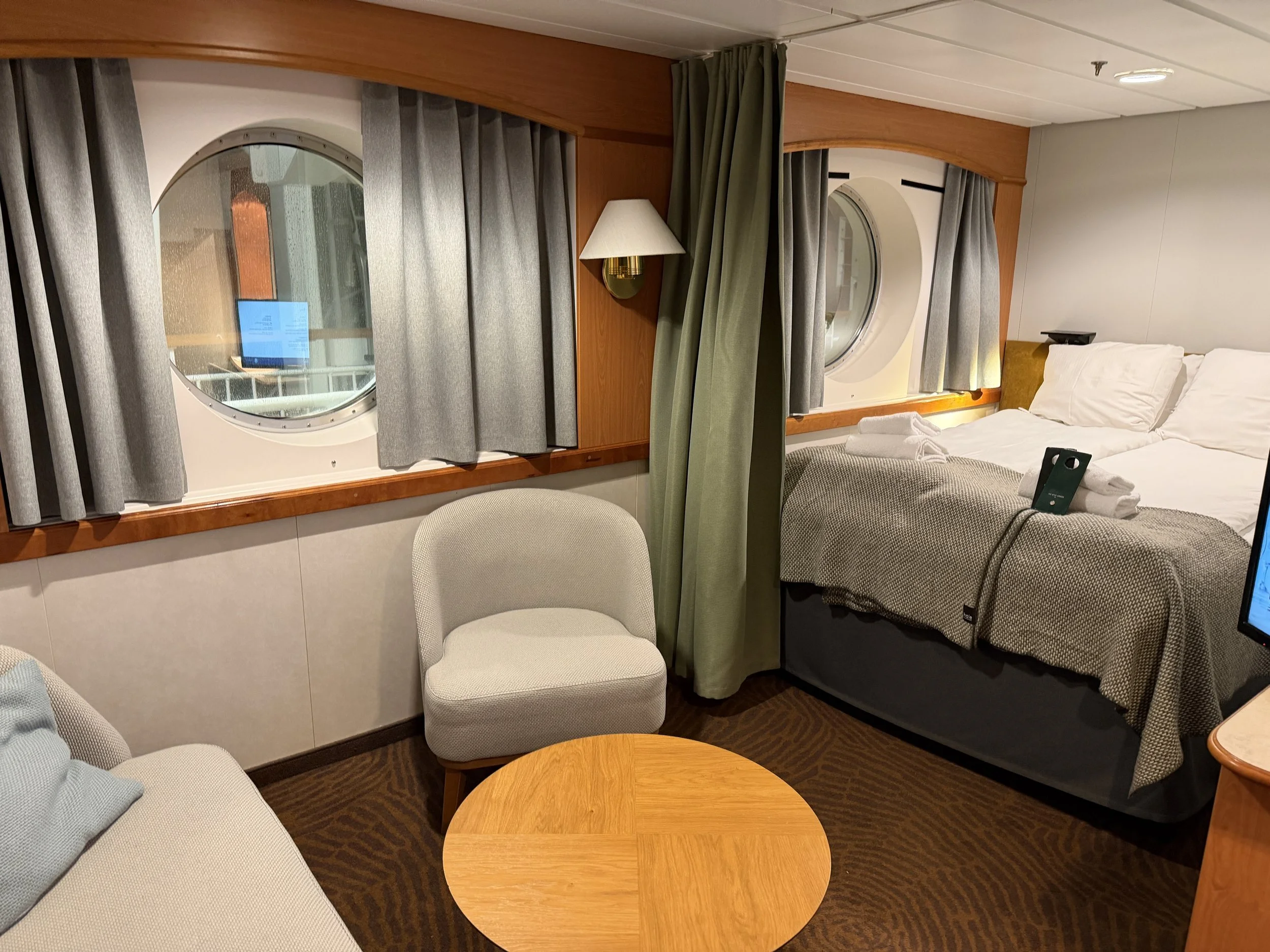
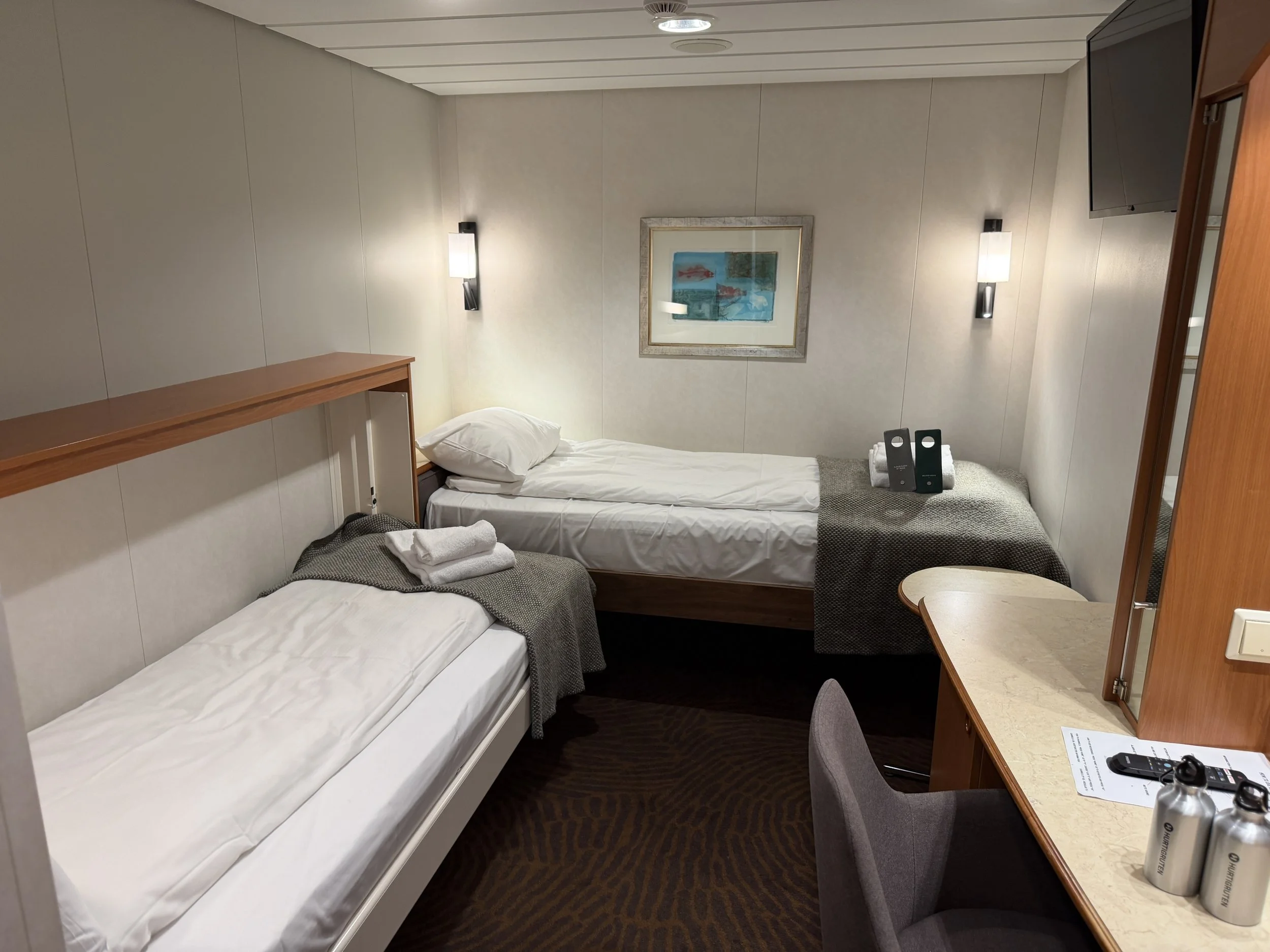
The Signature Voyages are more refined than the classic coastal route. MS Trollfjord carries about 500 passengers. Cabins are compact; in winter, a suite makes a noticeable difference.
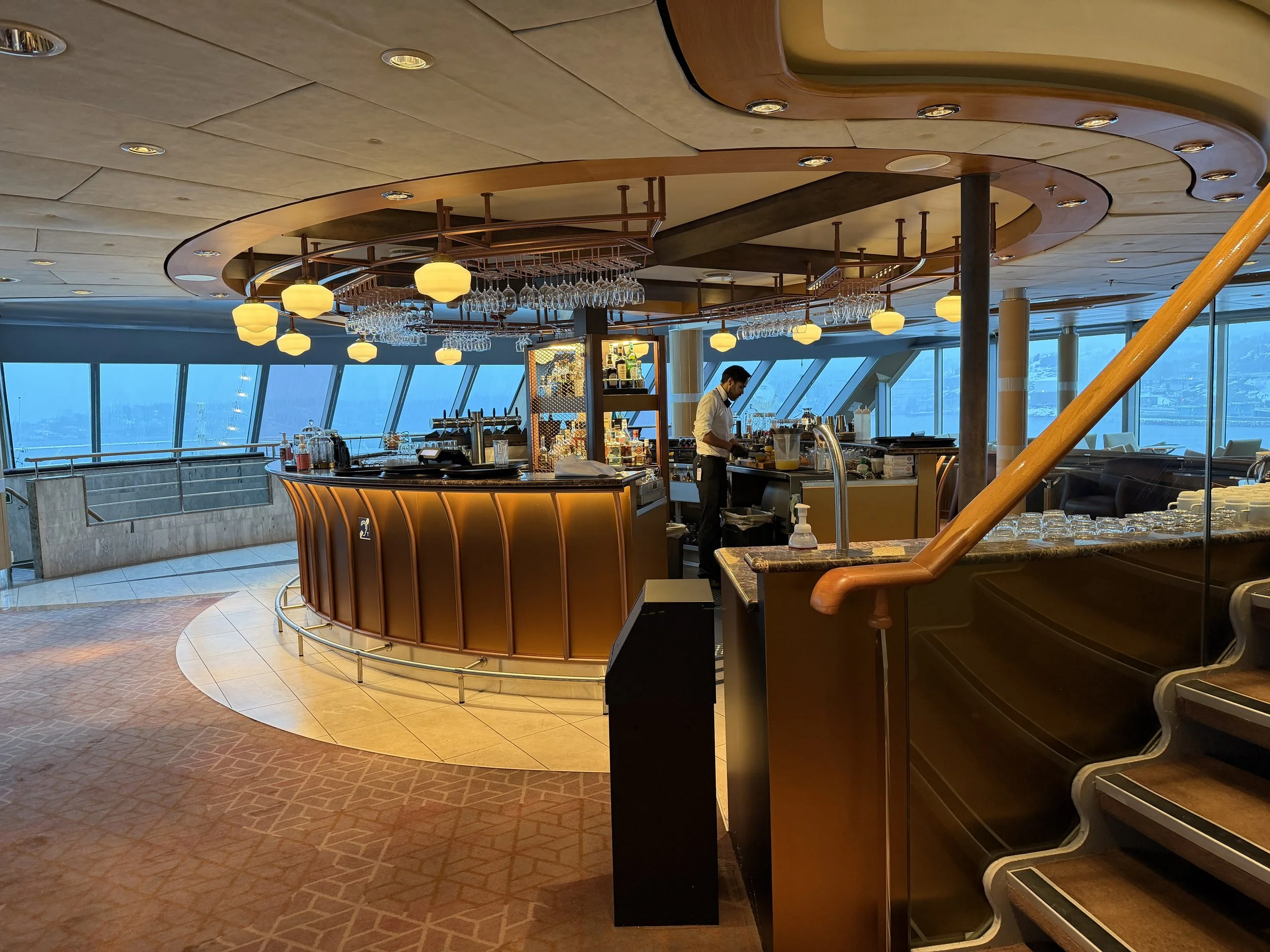
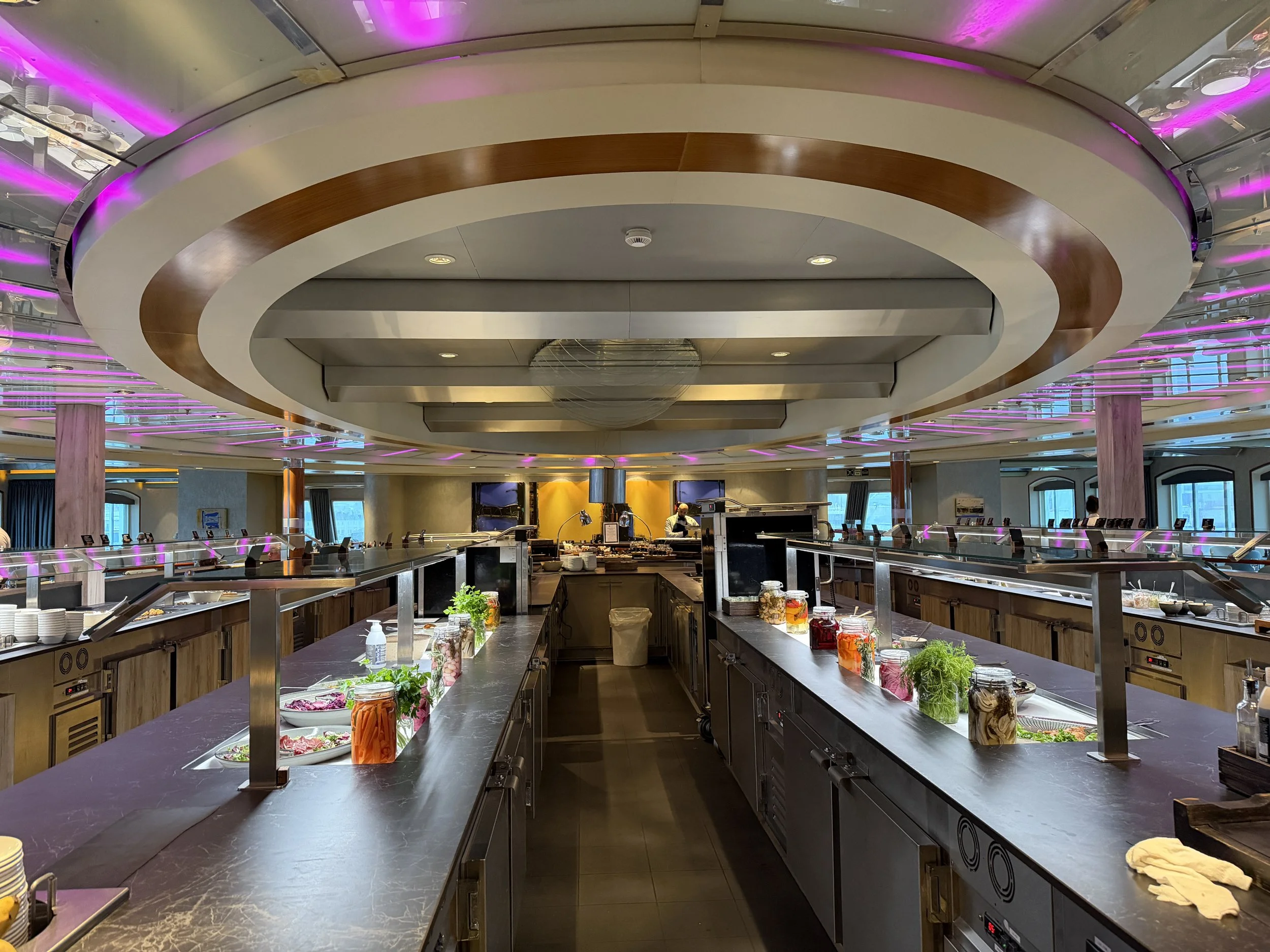
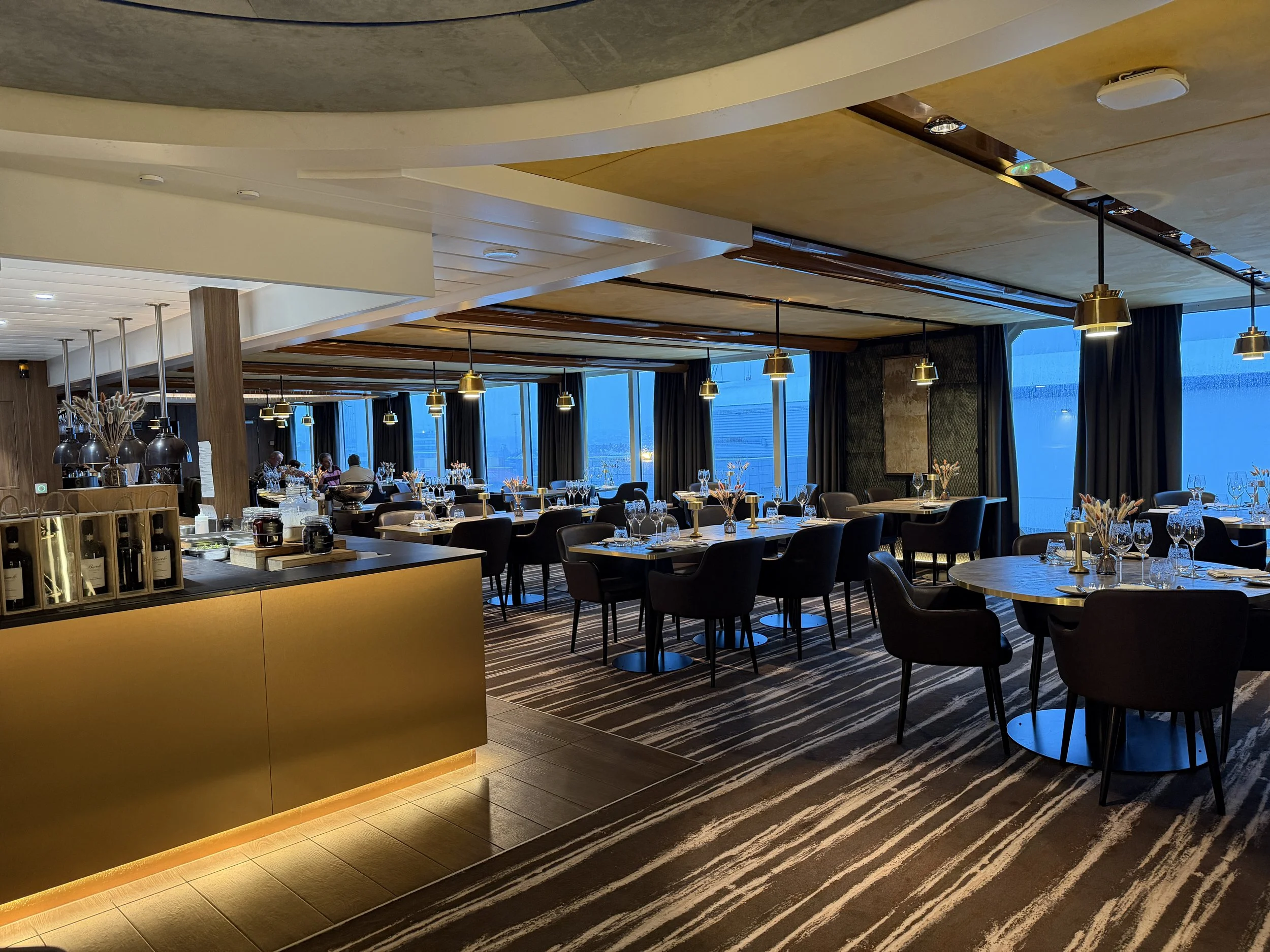
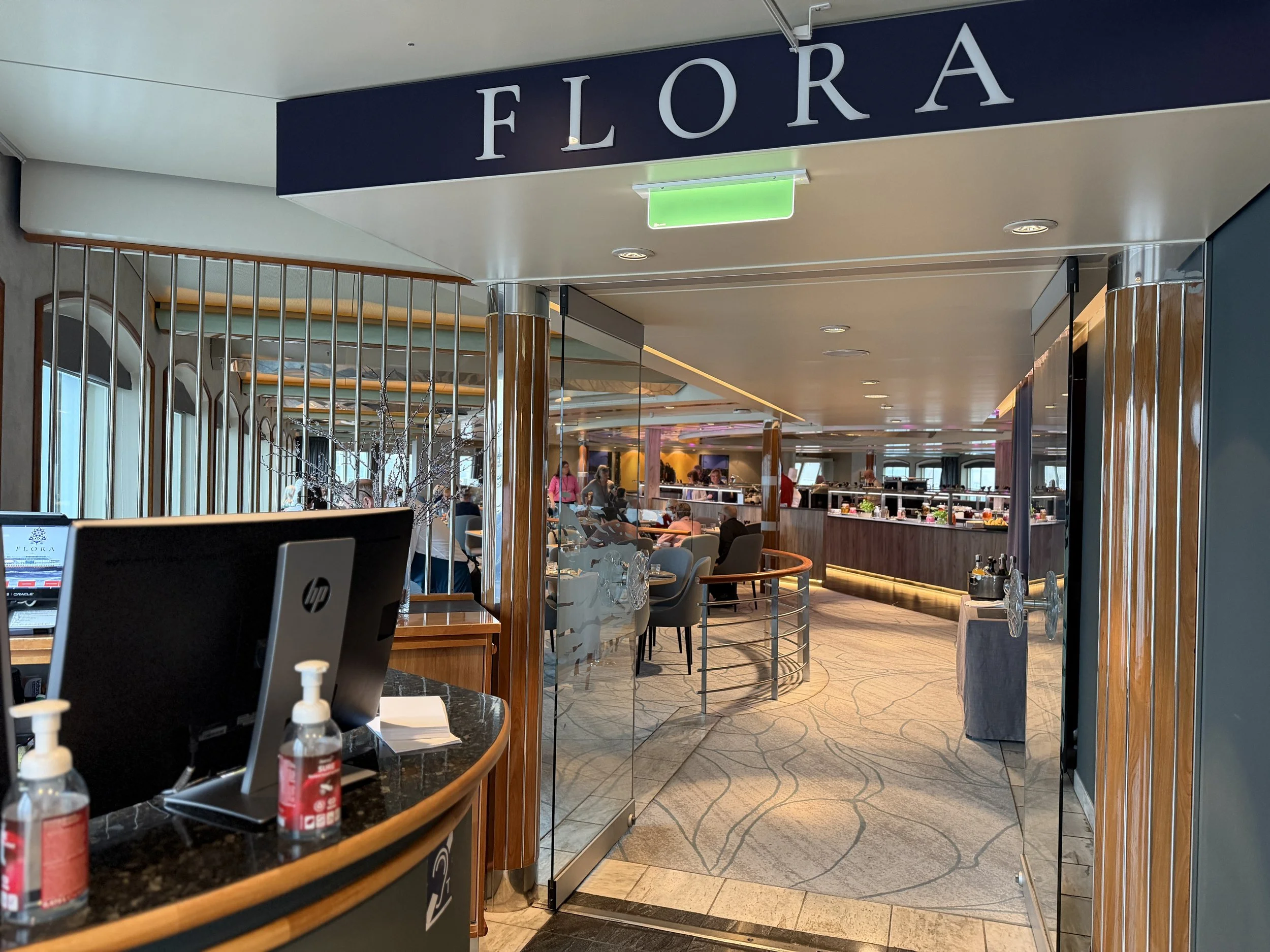
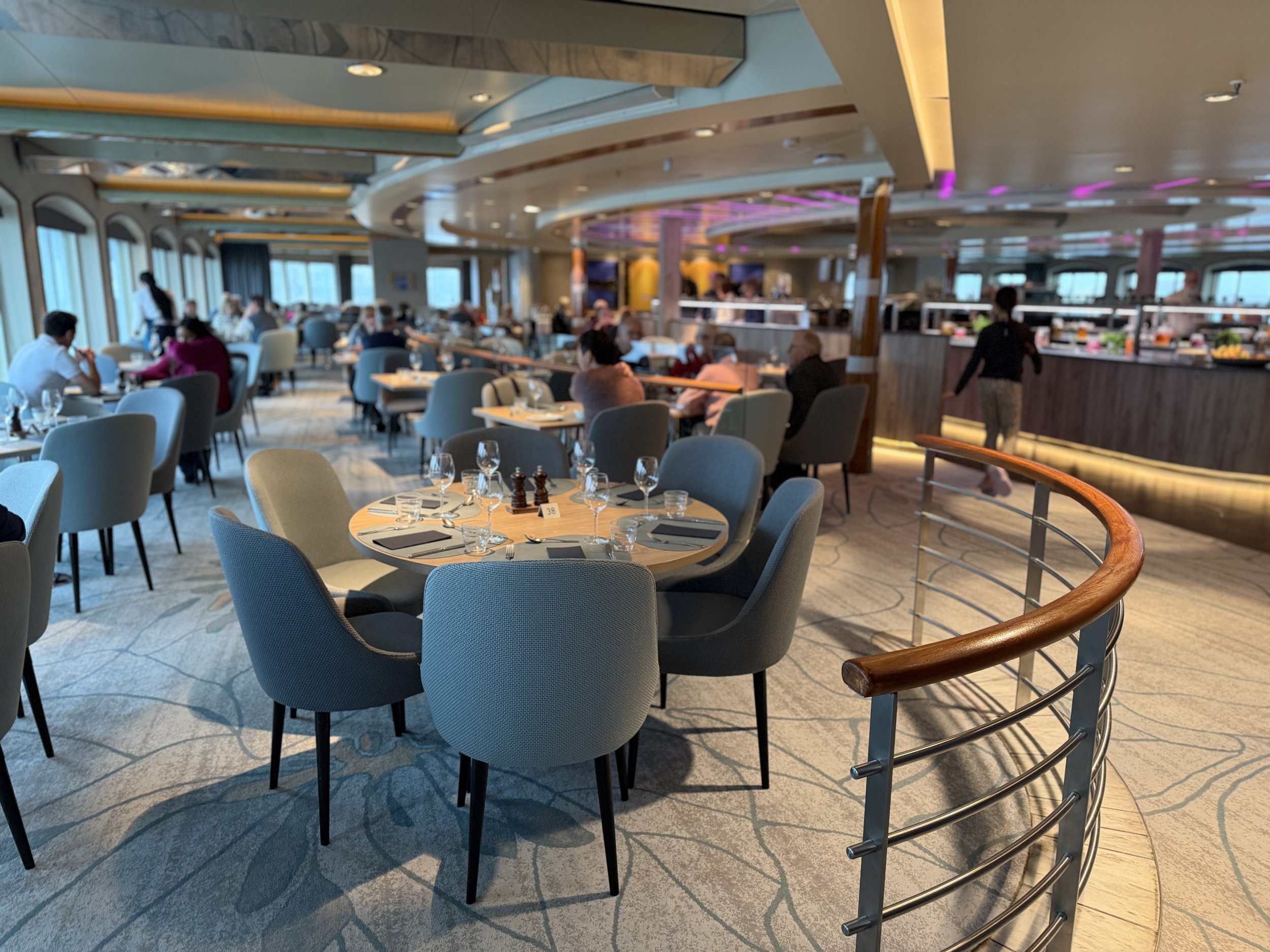
Life onboard is calm and structured. Meals anchor the day. Flora serves breakfast, lunch, and dinner — international in approach, grounded in Norwegian coastal flavors. Aune, with Sámi-inspired dishes, stood out most. Røst offers fine dining; it’s included for suite guests and available by surcharge for others.
Food and standard drinks are included. Specialty wines and beers are extra. Housekeeping is provided daily, with a green option available. Everything works efficiently, without spectacle.
Lapland showed me how much effort it can take to see the Northern Lights. Norway showed me what happens when the conditions are simply right.
Together, they completed the picture — effort on one hand, conditions on the other.
If the Arctic is calling and you’d like a journey shaped to your own pace and curiosities, contact me to help plan your trip.