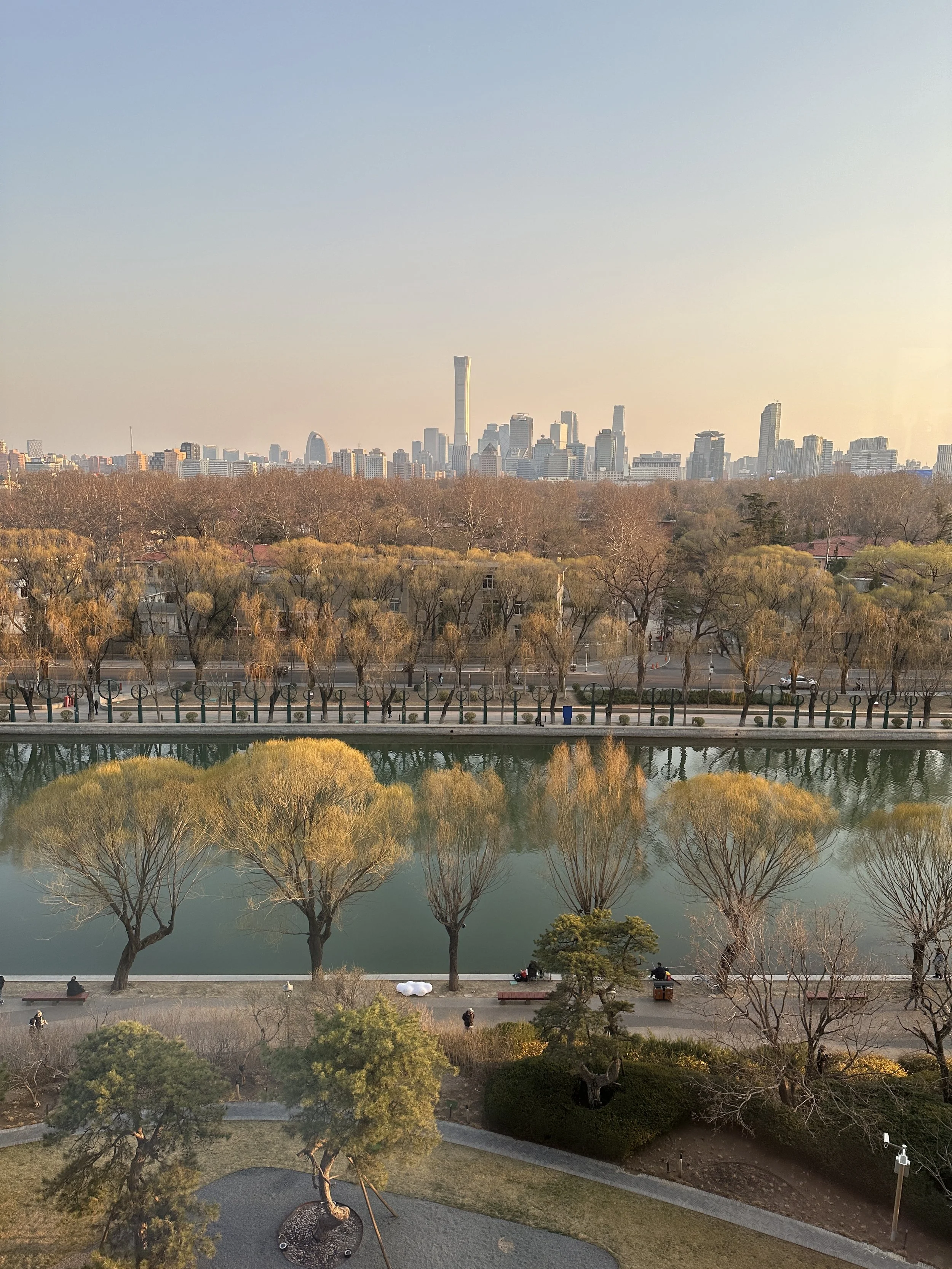
Three Nights in Beijing
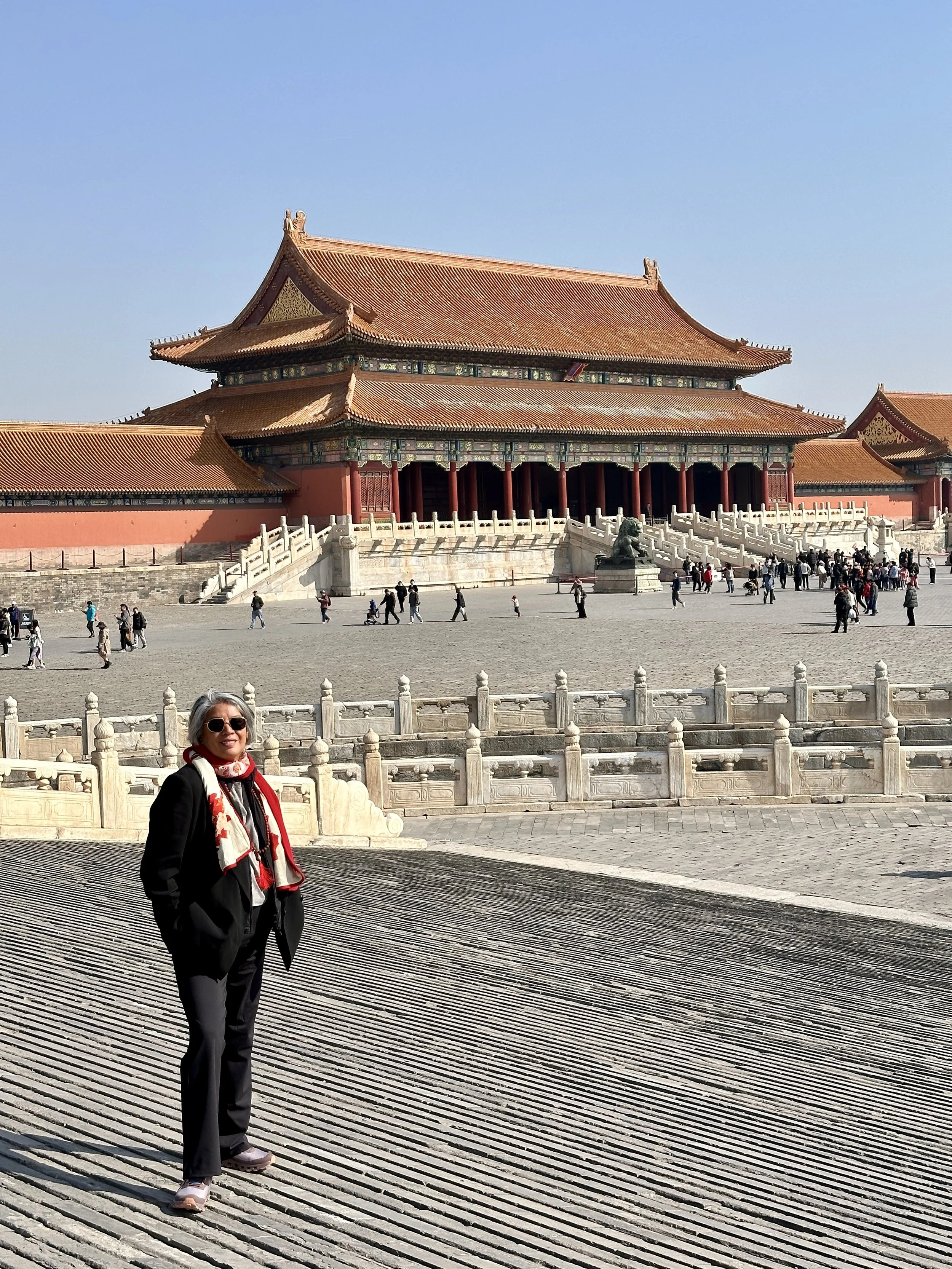
Forbidden City - Beijing, China
““They’re asking if you’re Chinese,” he said. And just like that, Beijing became personal.”
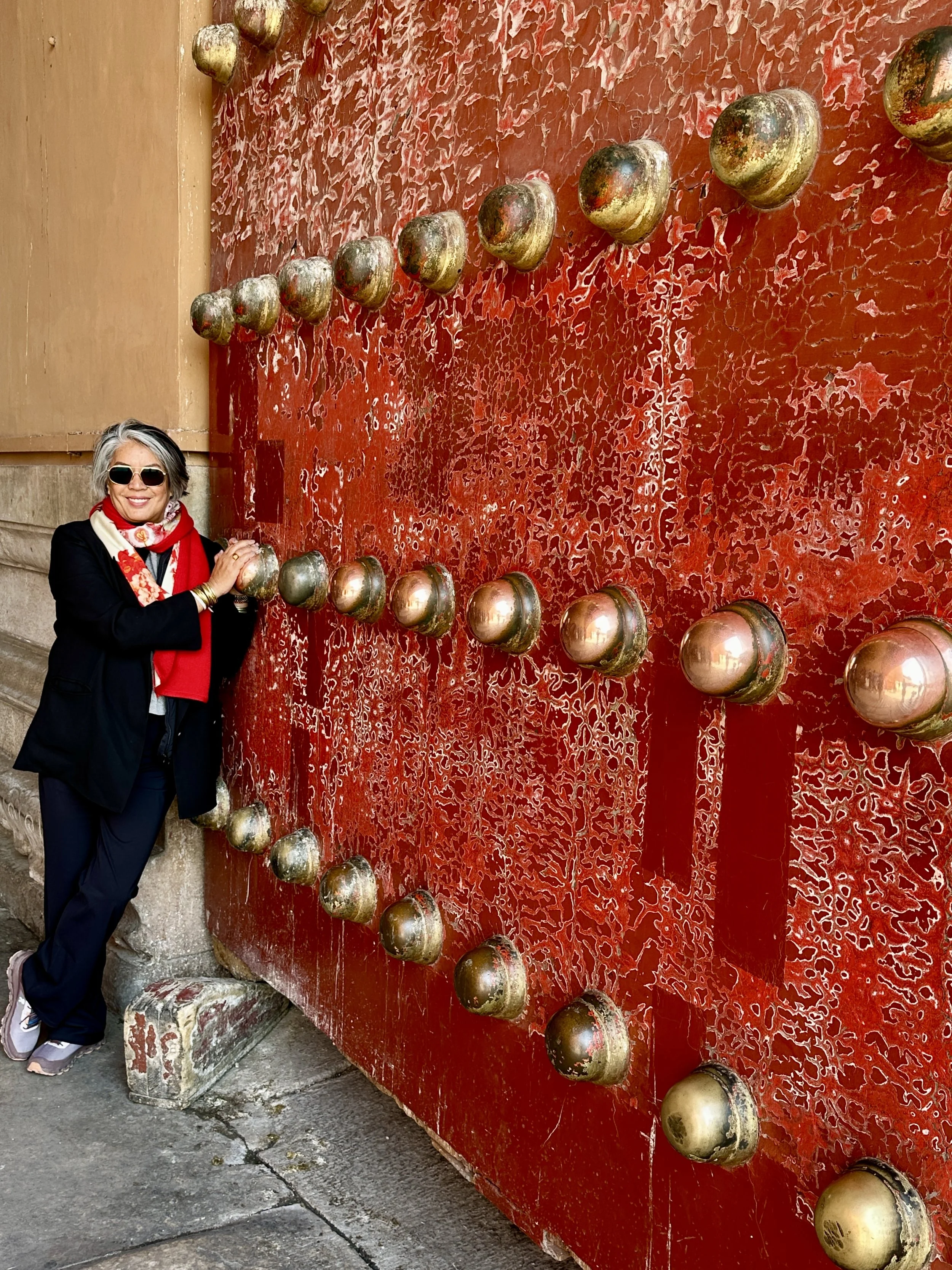
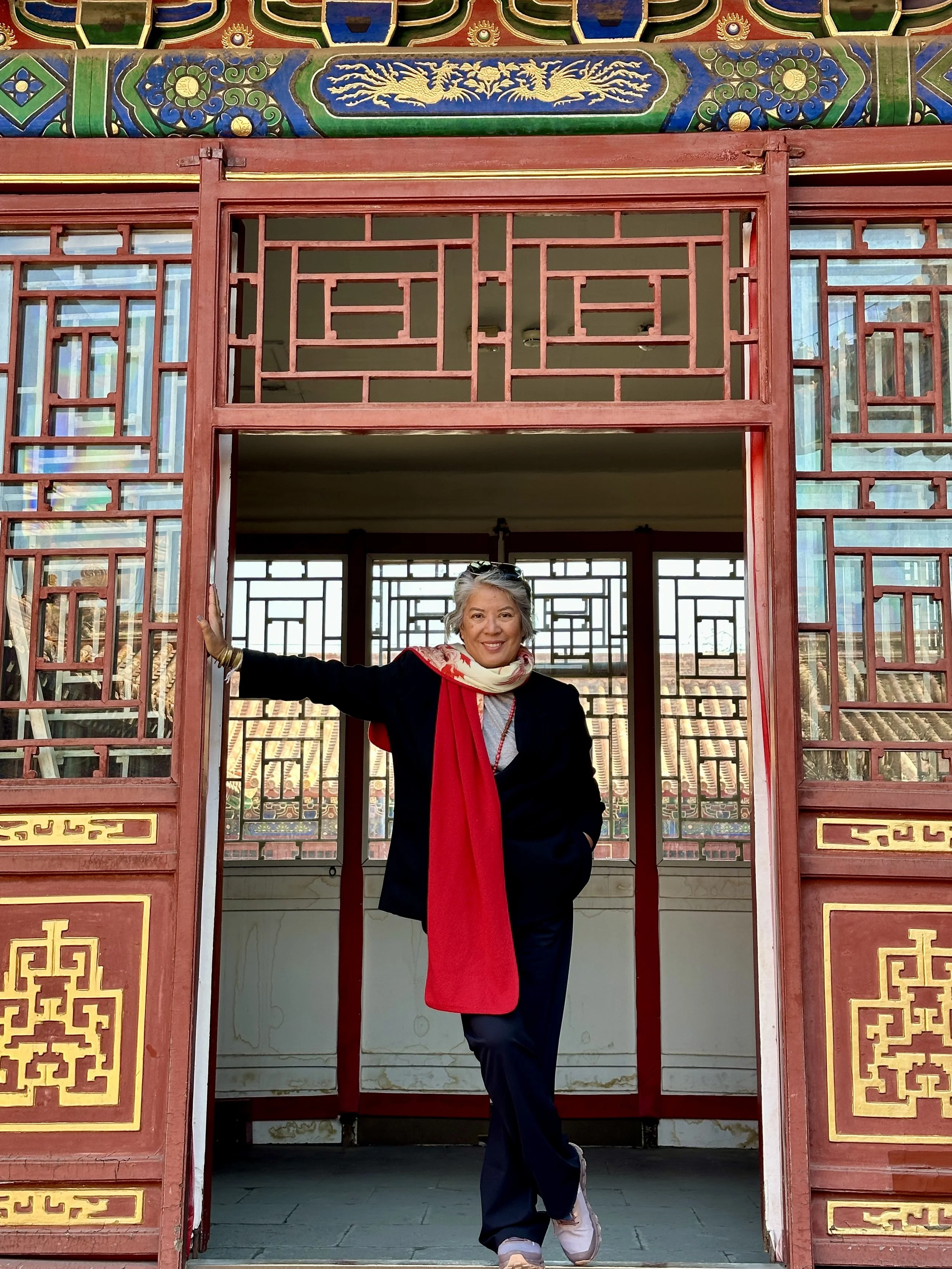
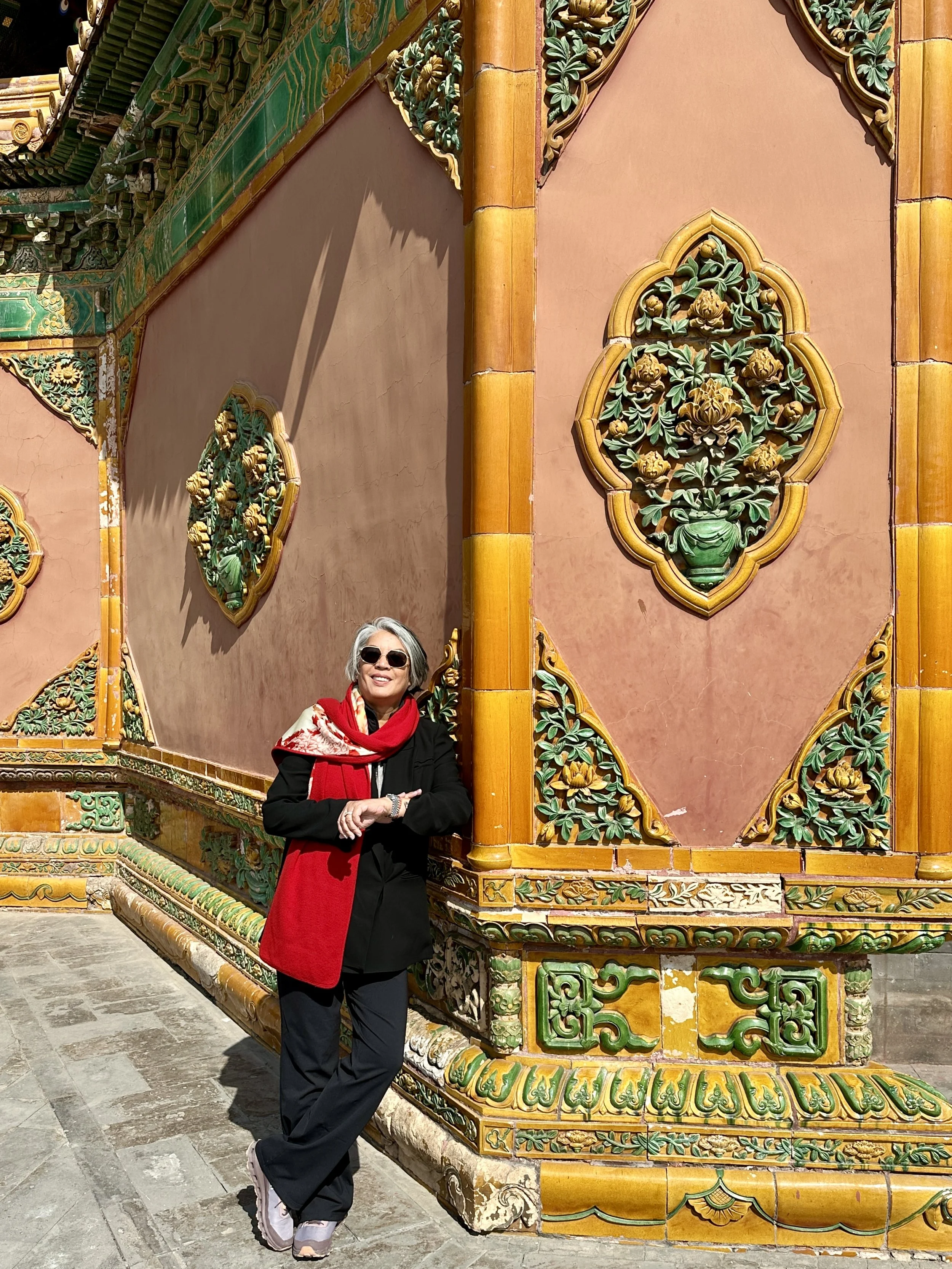
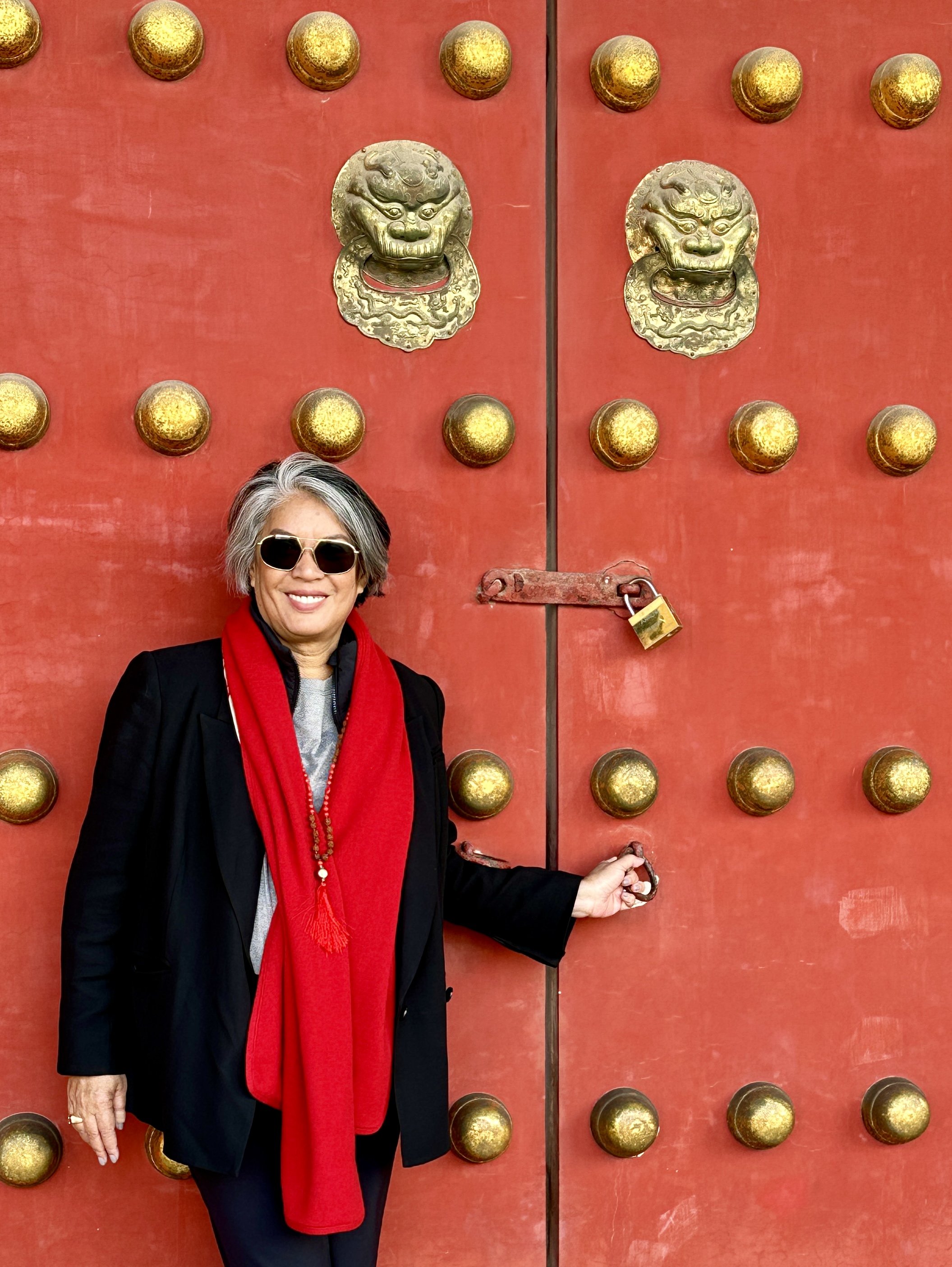
In the Forbidden City, I noticed people whispering to my guide while looking directly at me. Not discreetly. Not politely. Just glances, murmurs, and the occasional double take.
I finally asked Leon what they were saying.
“They’re asking if you’re Chinese,” he said.
Ah. So that was going to be the theme.
Arrival: No Soft Launch
Beijing does not ease you in. It announces itself. The scale is immediate — roads wide enough to feel ceremonial, gates that remind you this was once the center of the world. You don’t wander into Beijing; you are ushered.
Leon, my English-speaking local guide, delivered information with calm precision and impeccable timing. Our driver — a woman who didn’t speak a word of English — communicated entirely through confident lane changes and expressive glances in the rearview mirror. Between the two of them, I felt oddly well taken care of.
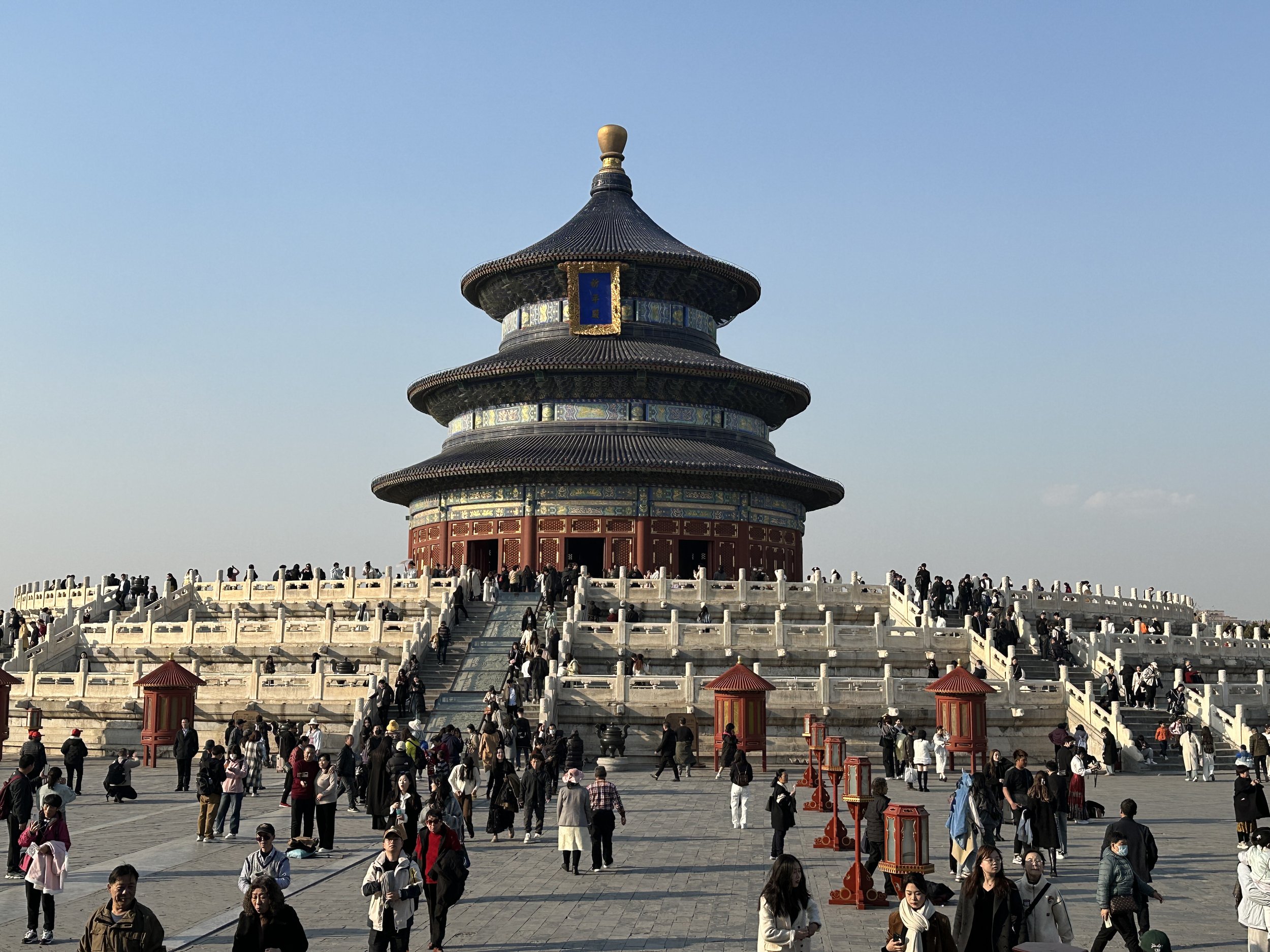
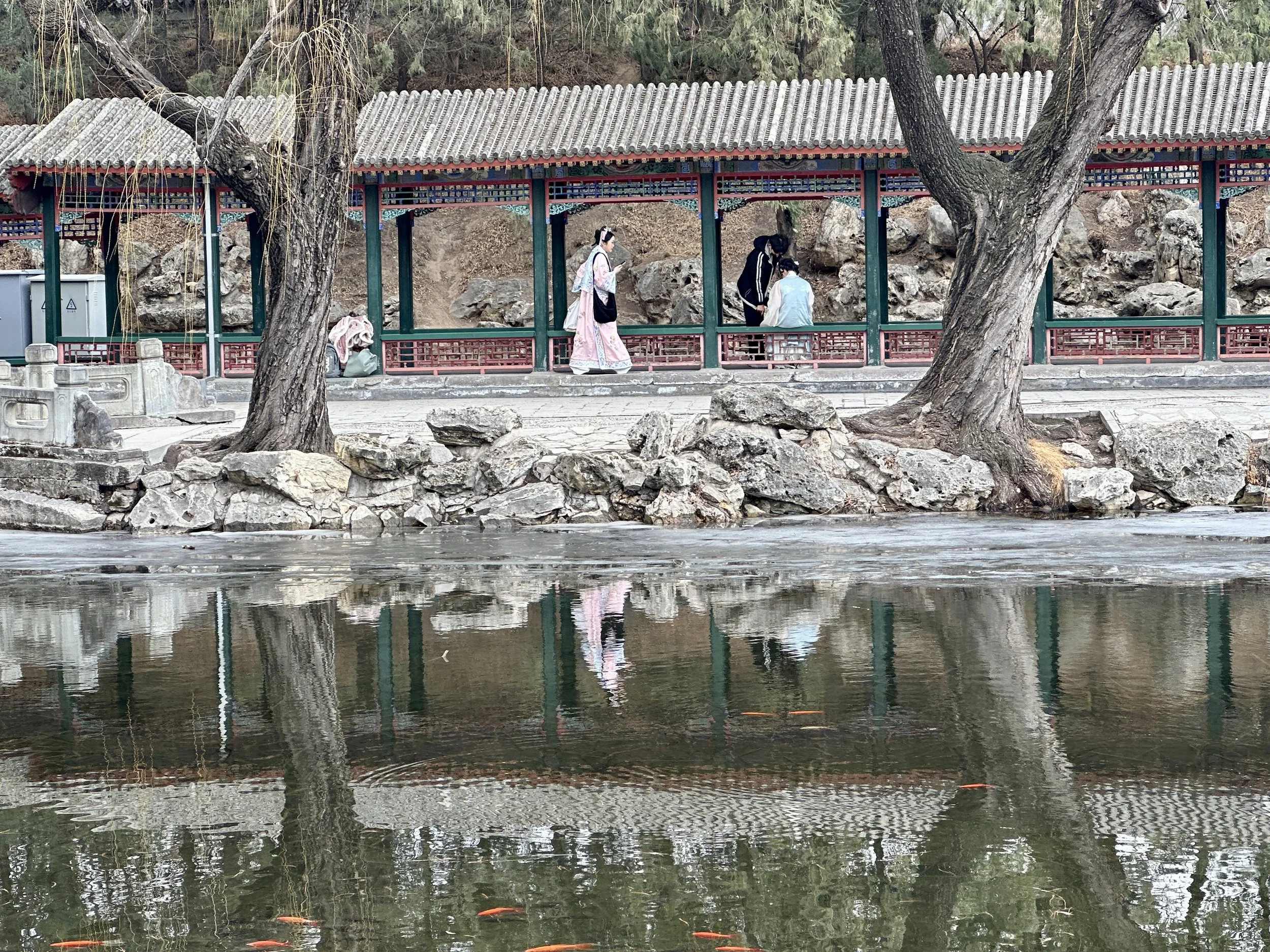
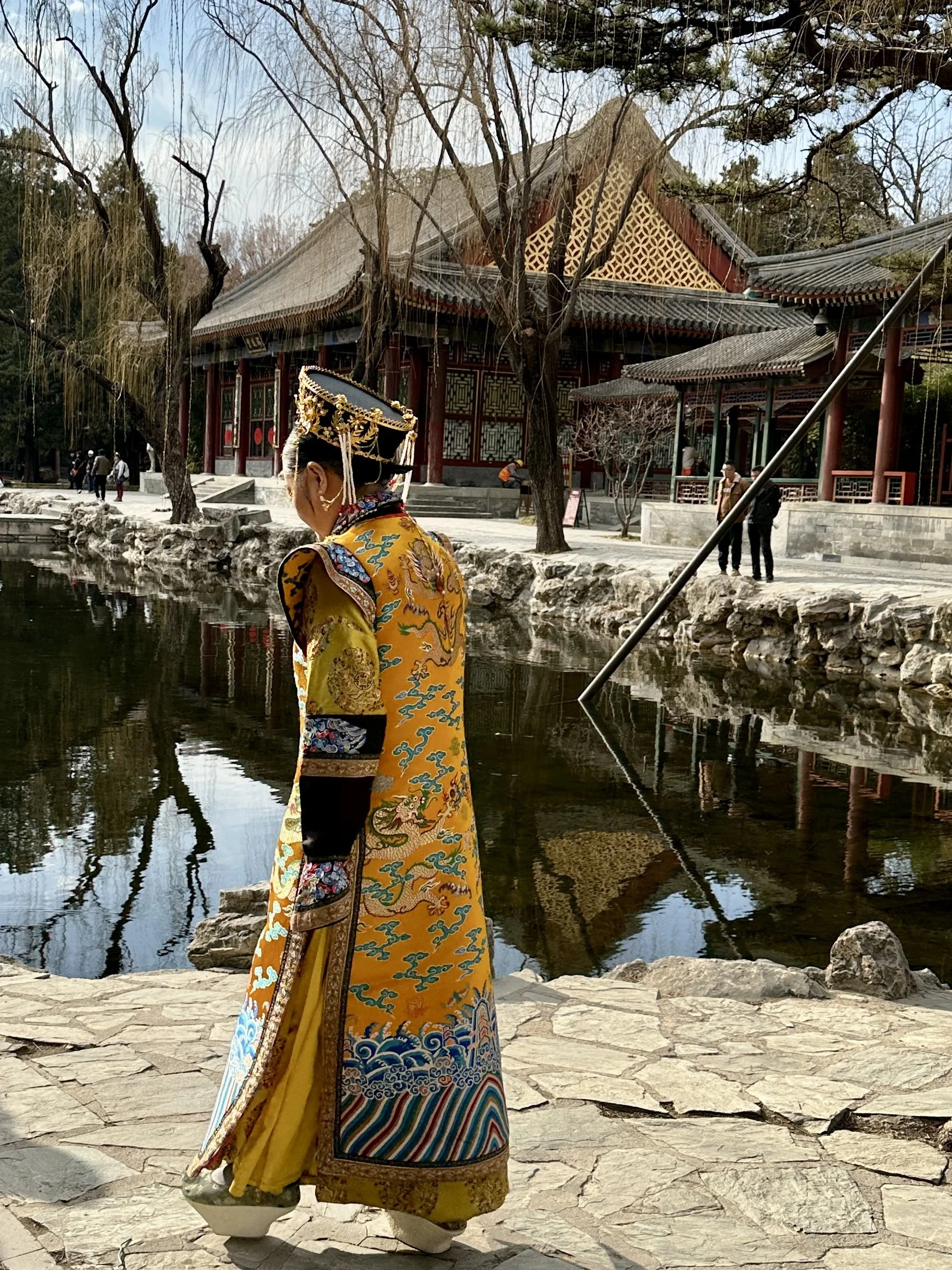
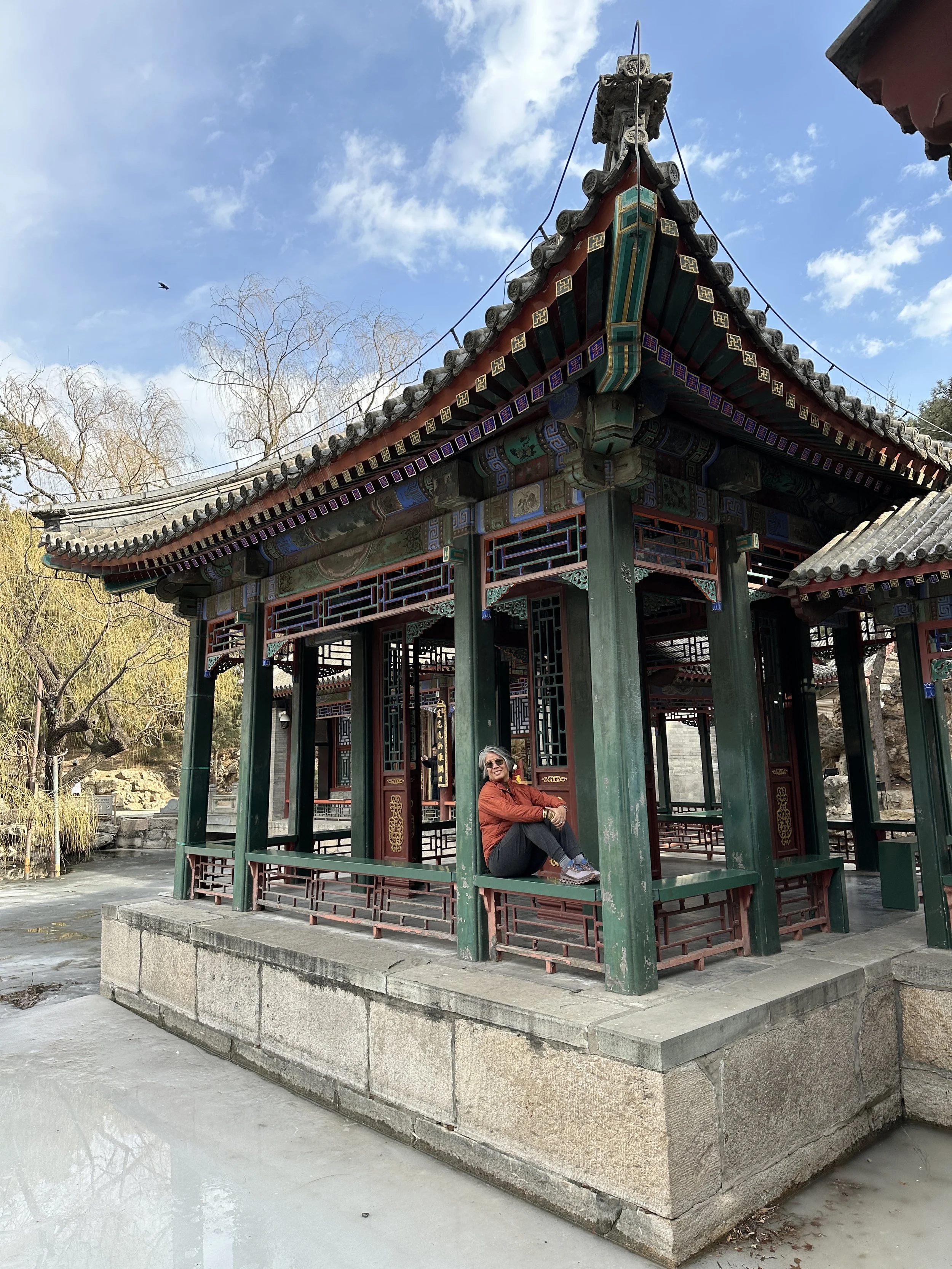
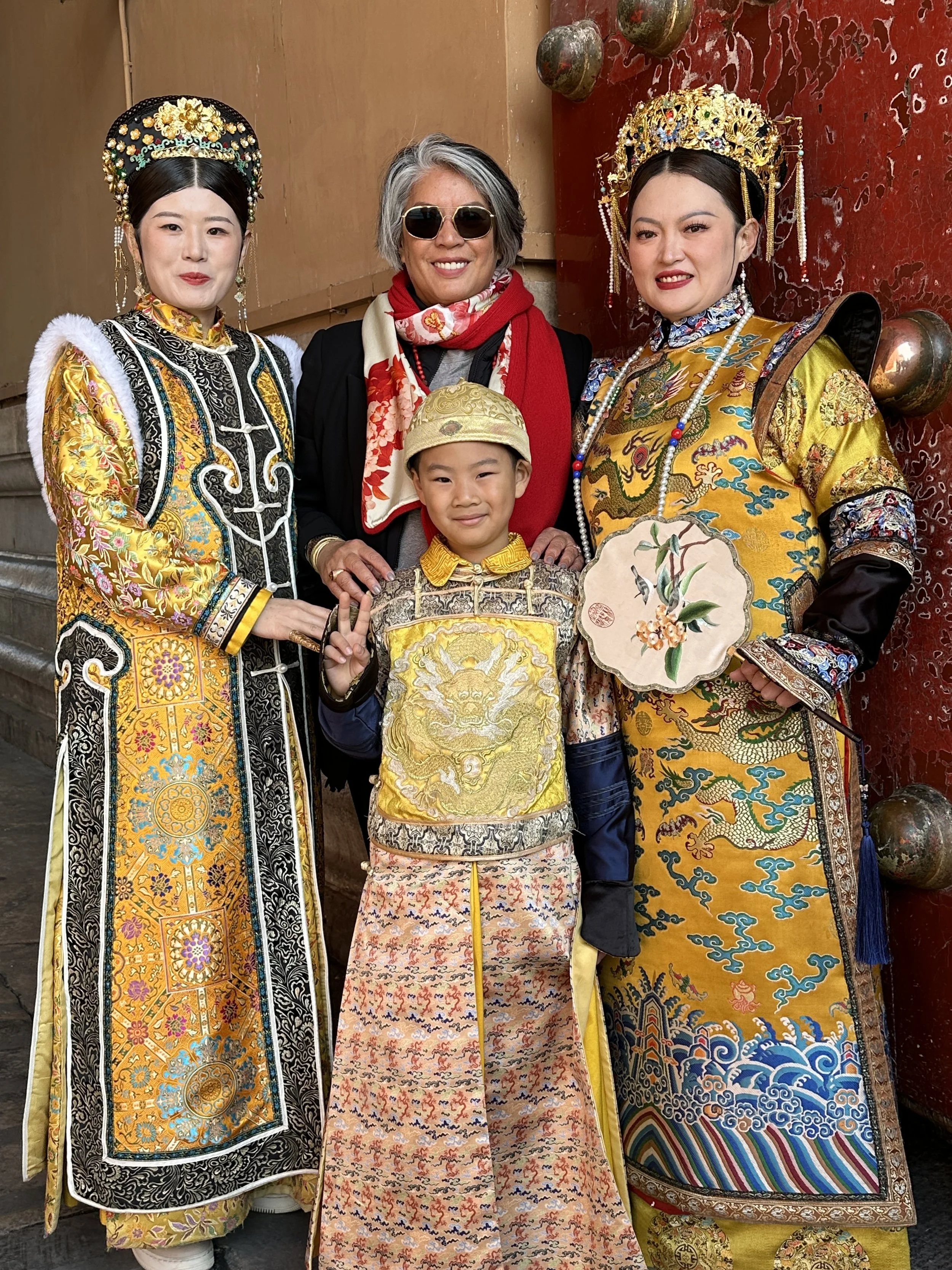
We began at the Summer Palace, rebuilt by Empress Dowager Cixi so that every turn revealed a different view. Lakes. Bridges. Painted corridors. Imperial indulgence elevated to an art form. Power, I learned, likes variety.
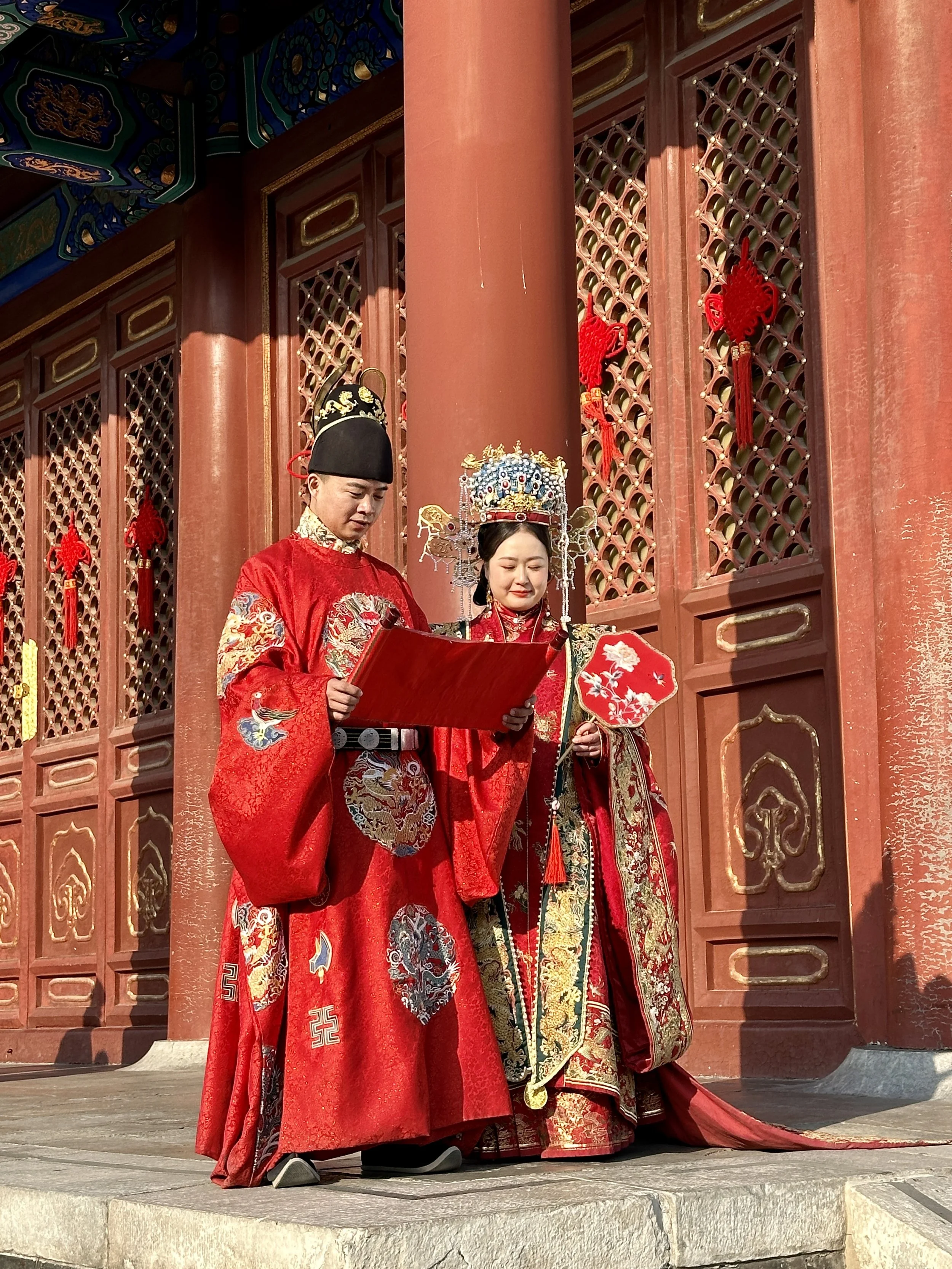
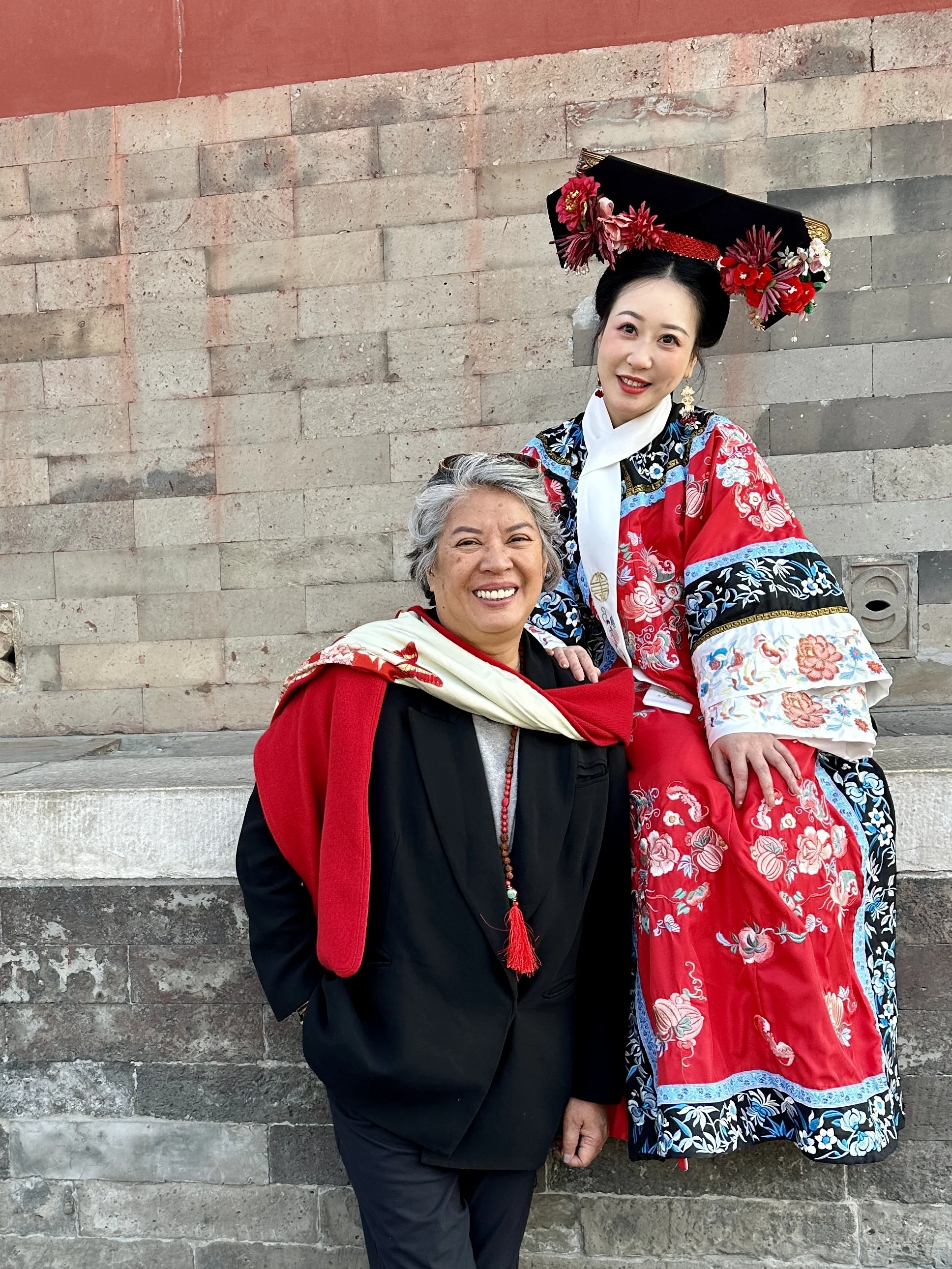
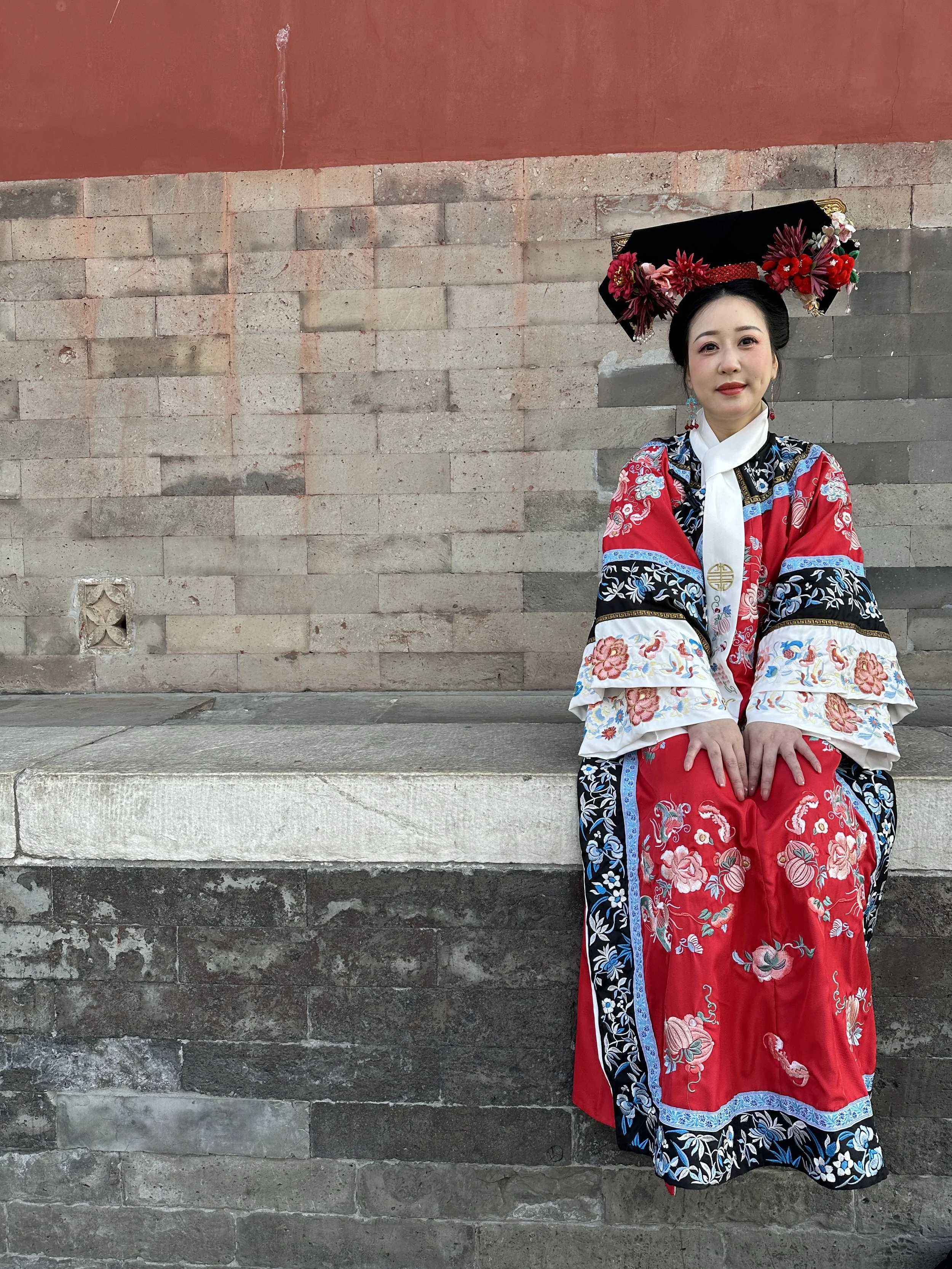
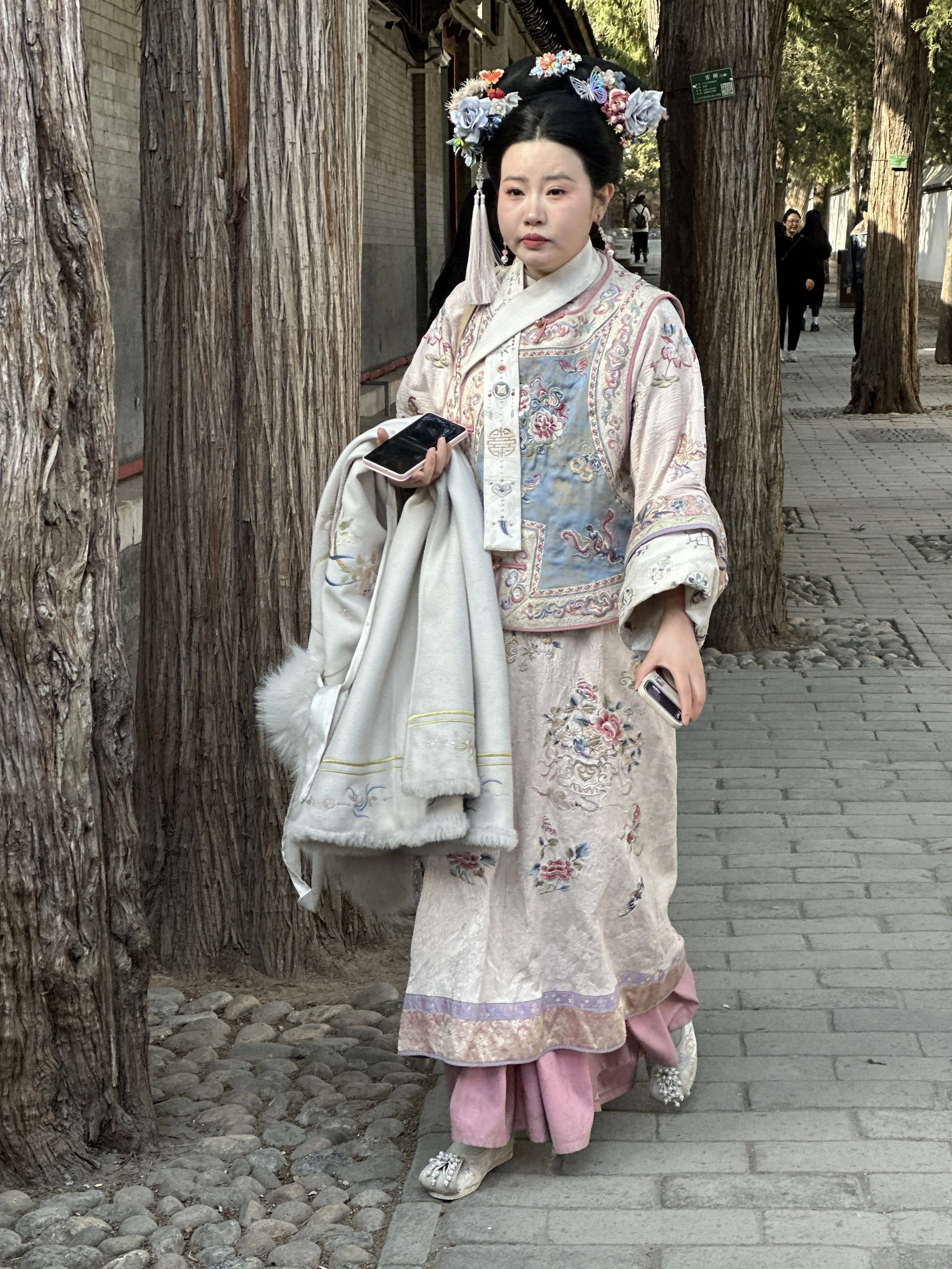
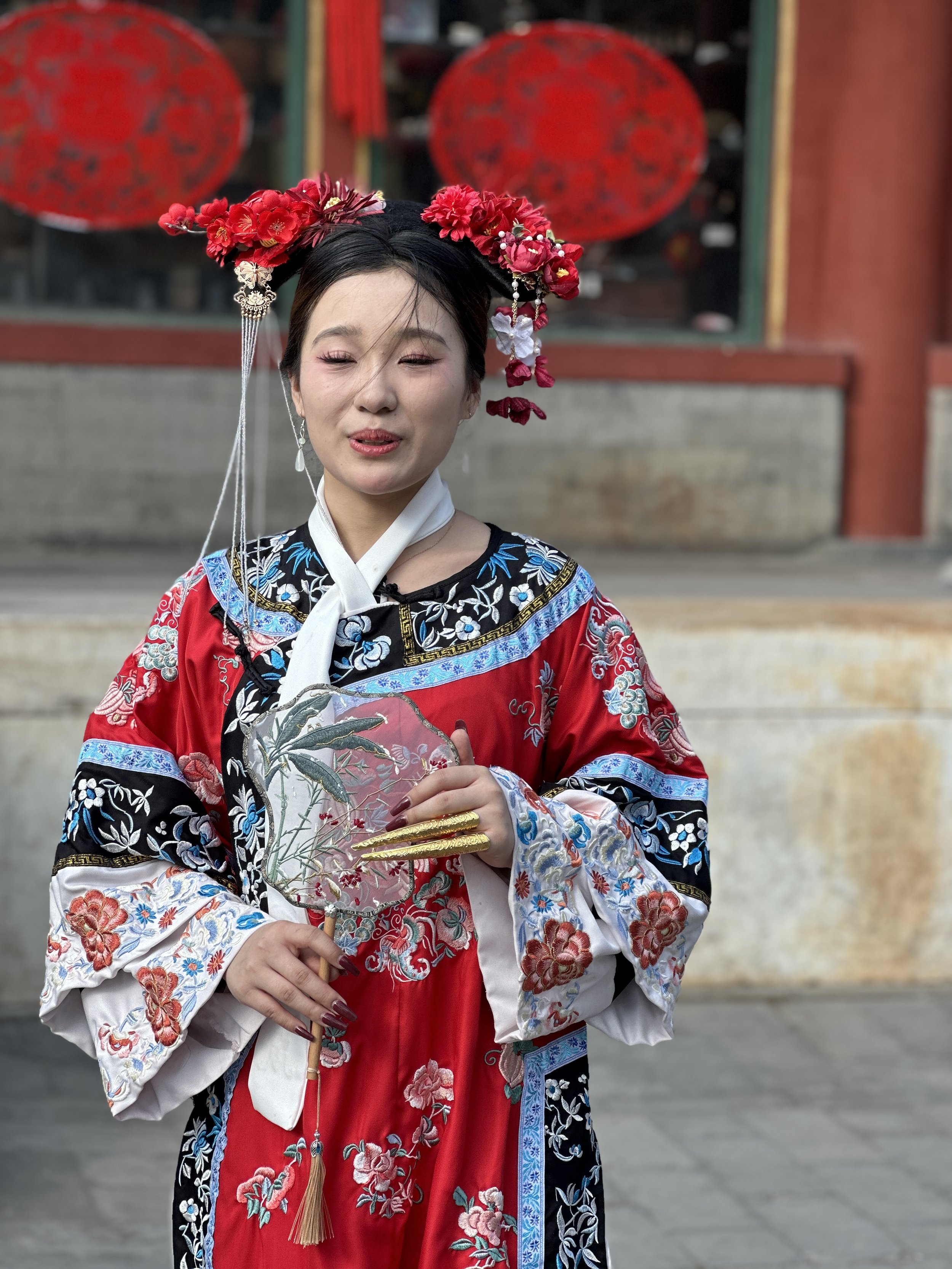
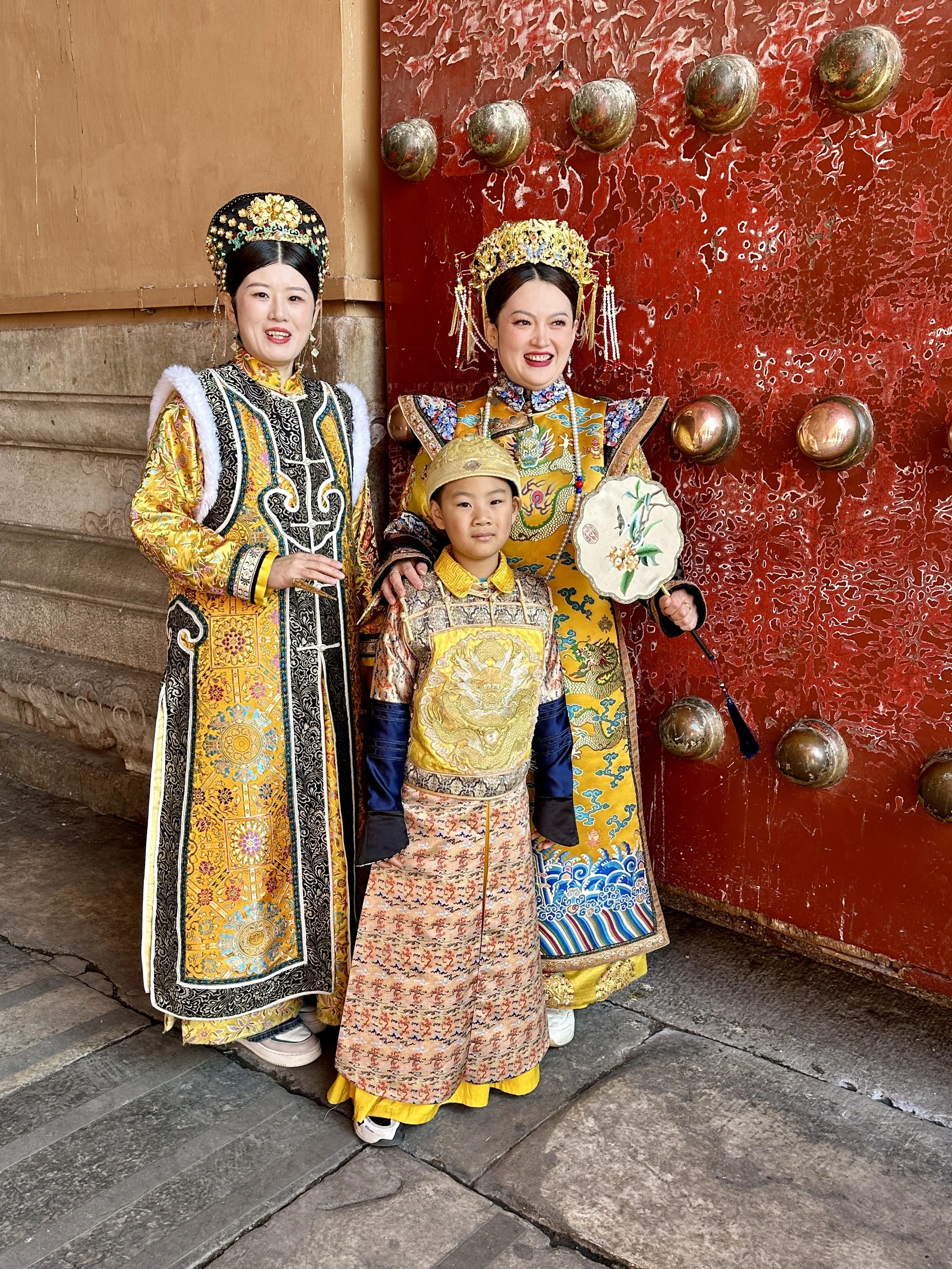
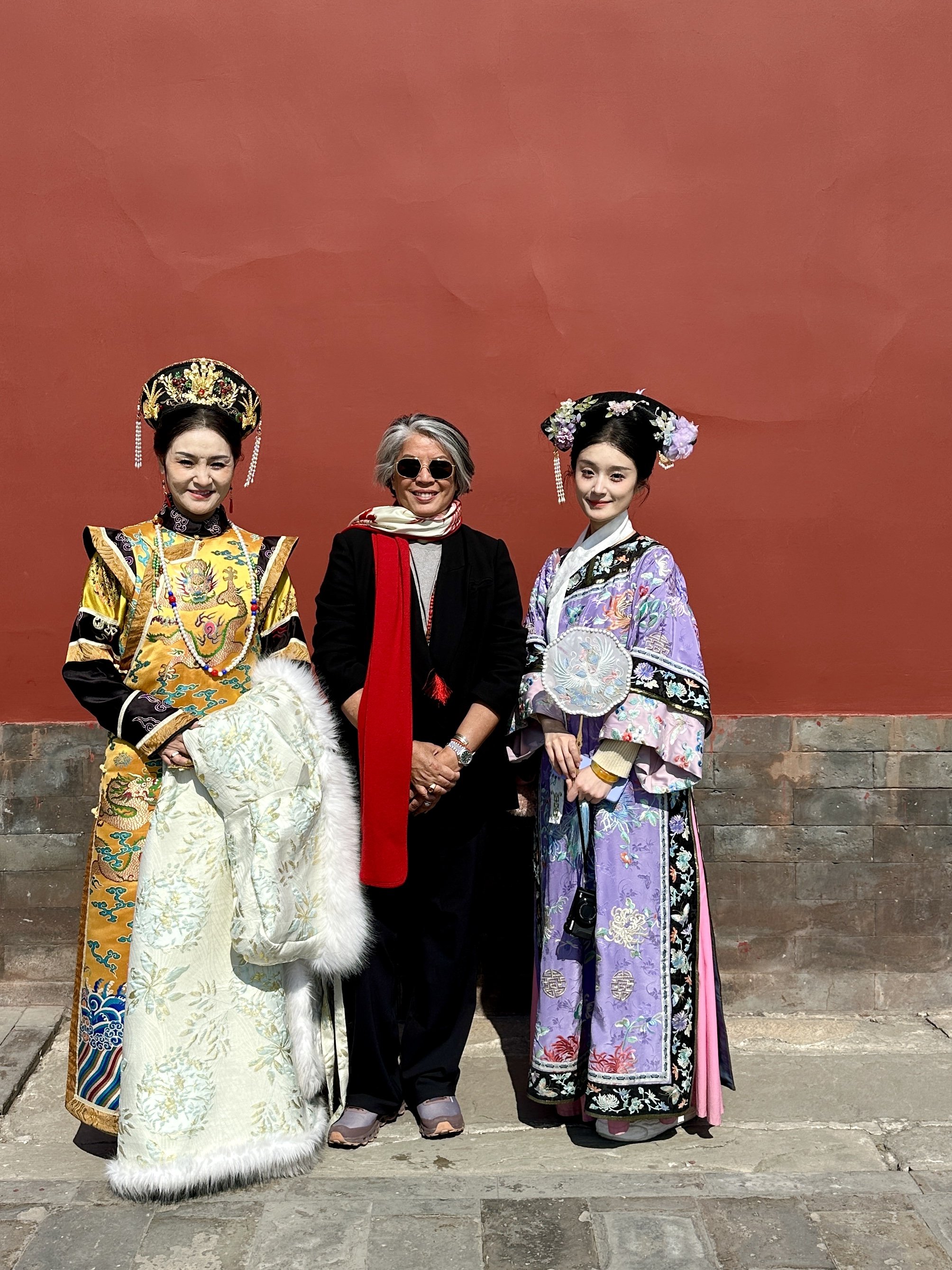
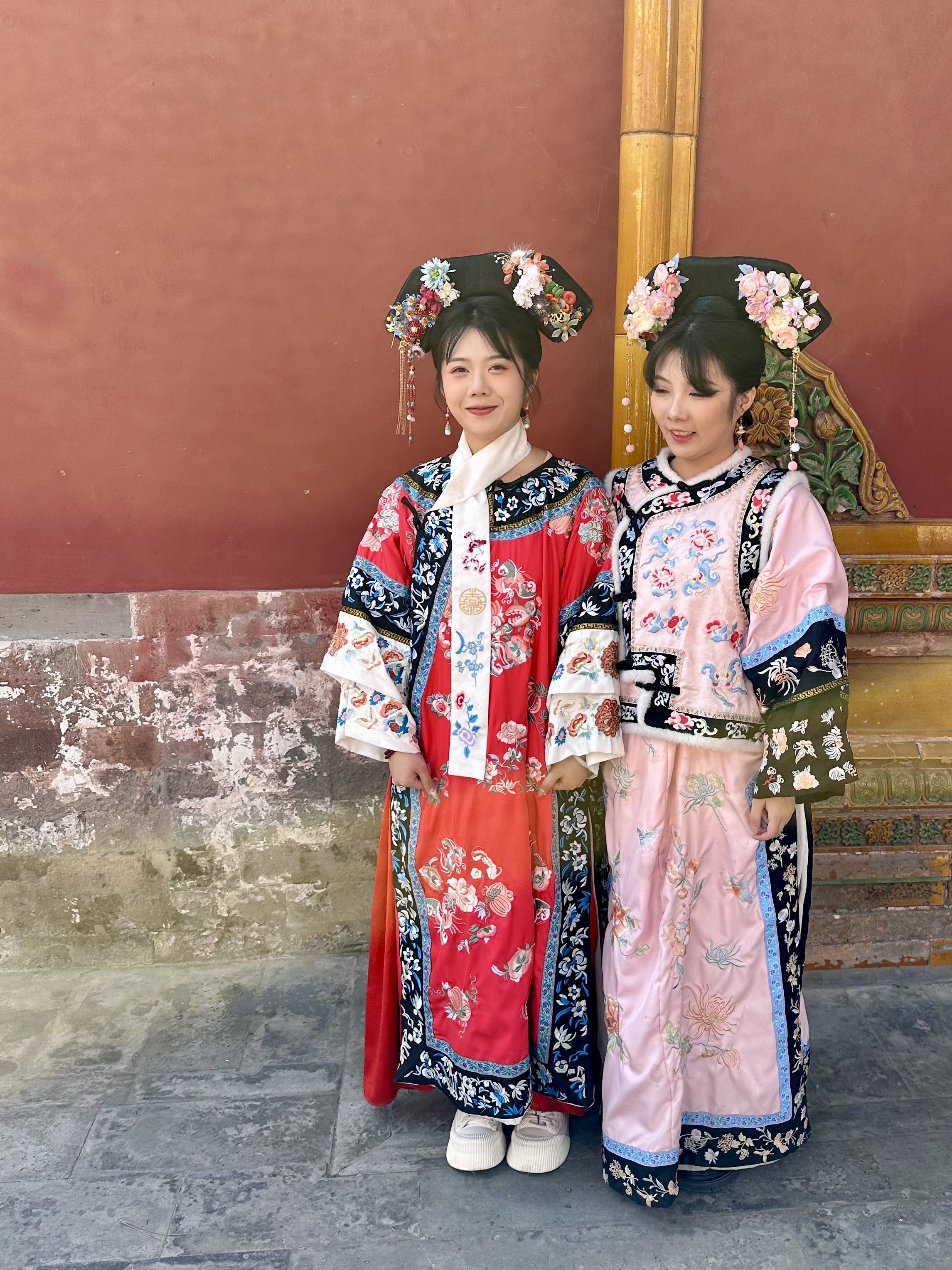
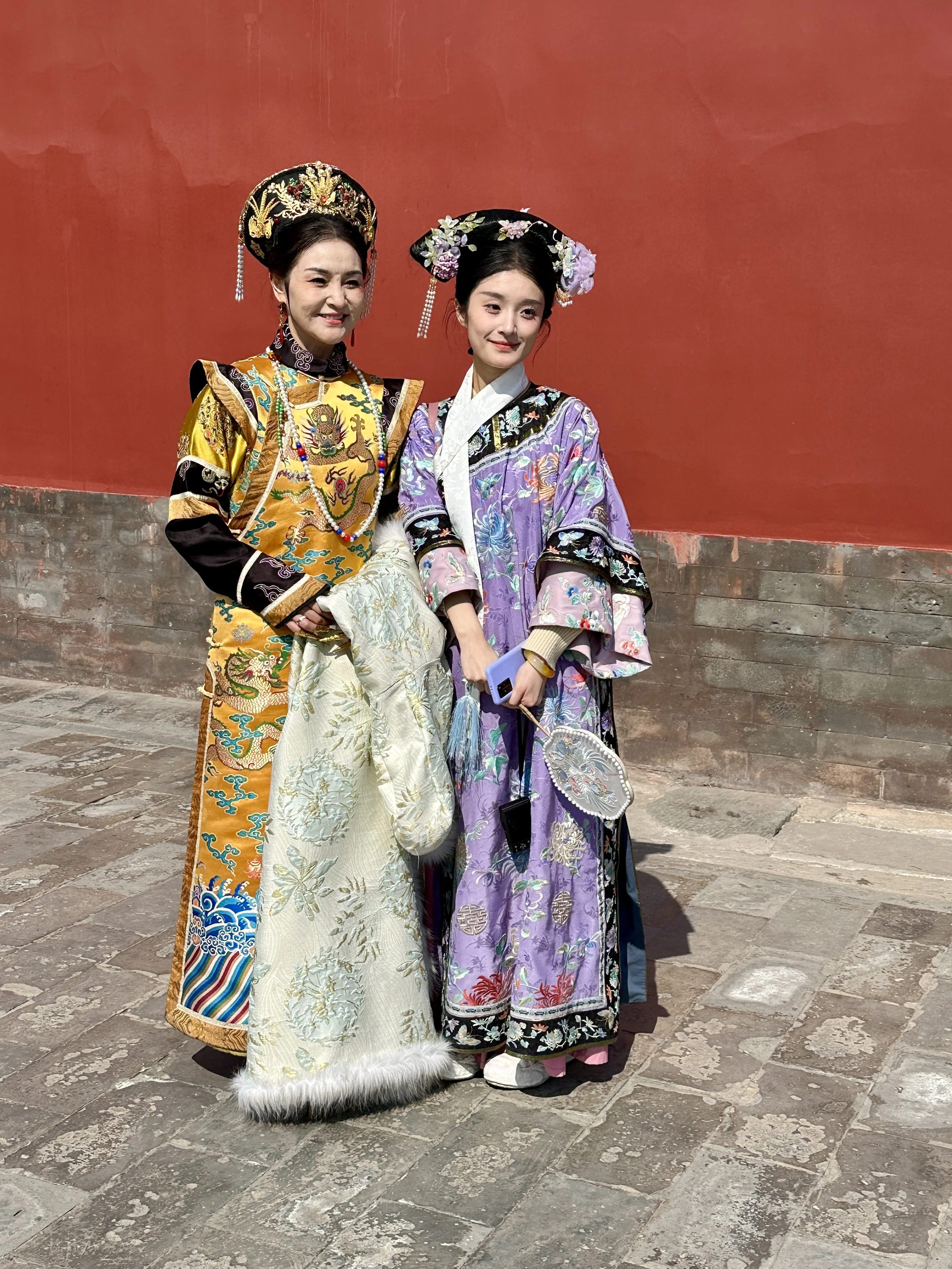
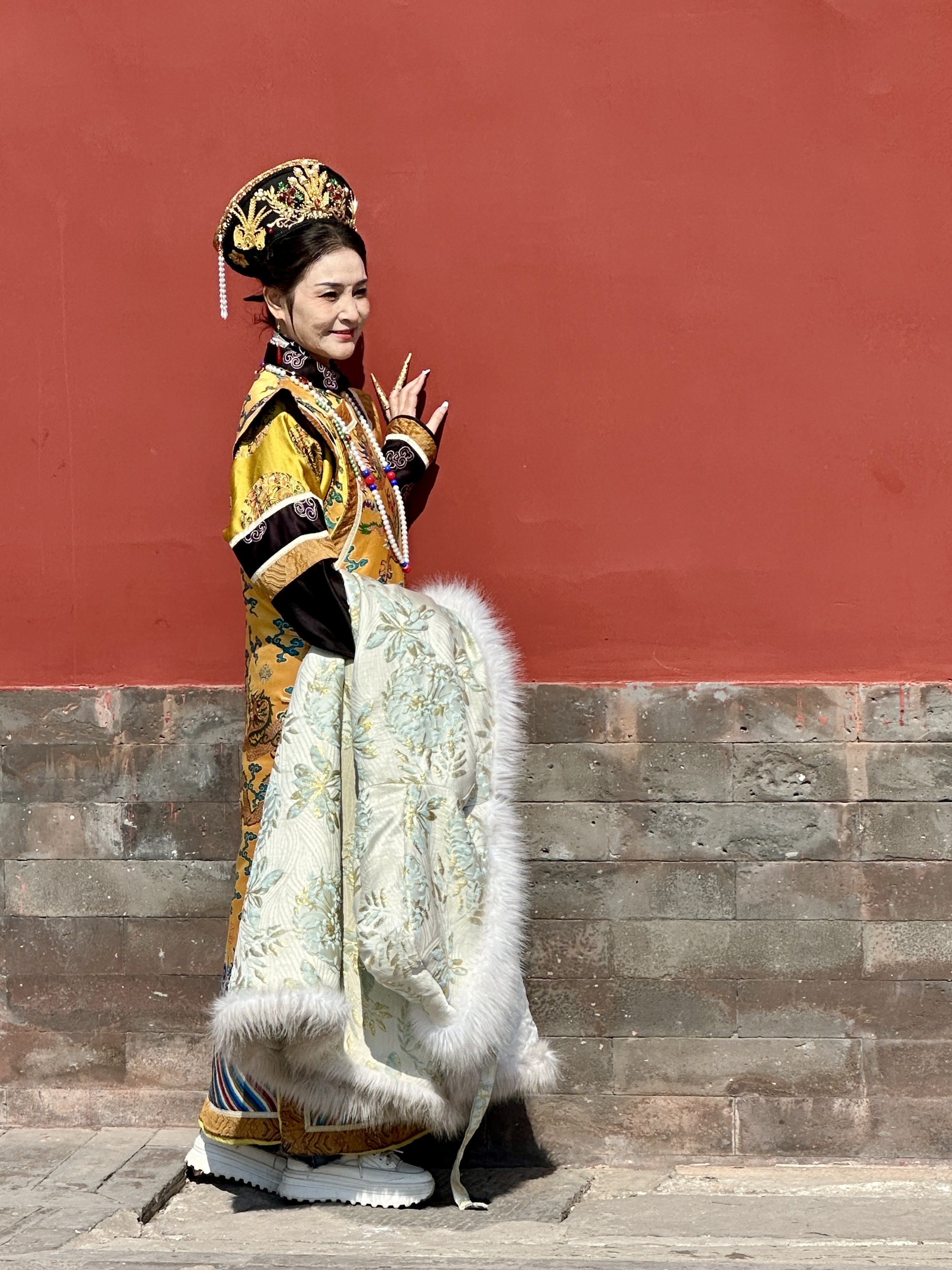
What surprised me most, though, were the people. Locals dressed in traditional and historical attire — embroidered robes, delicate hairpieces — wandering the grounds for photo shoots. History wasn’t just preserved here; it was being actively performed. People smiled, posed, insisted I join their photos, then took one with me. It was playful, communal, and utterly delightful.
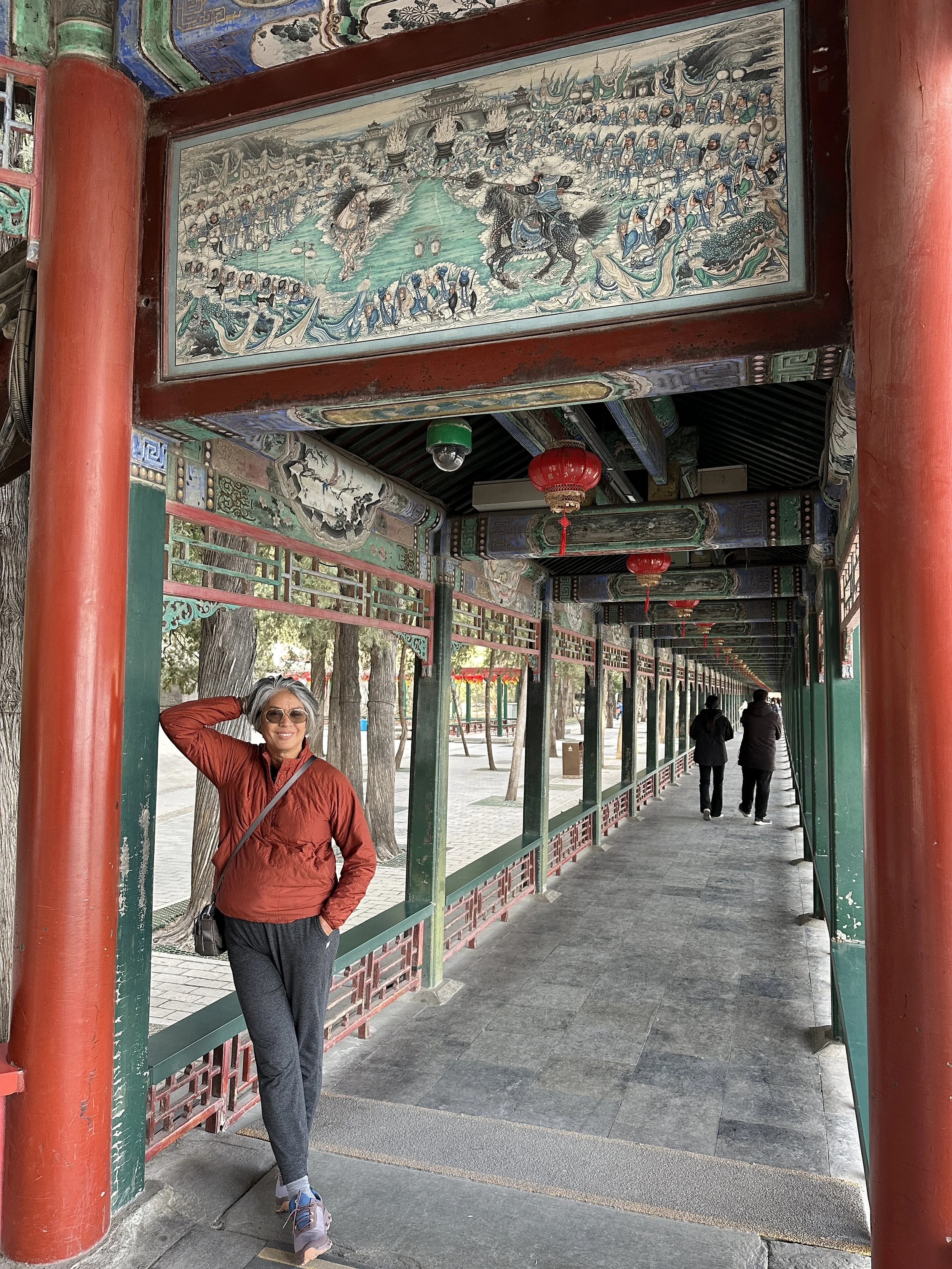
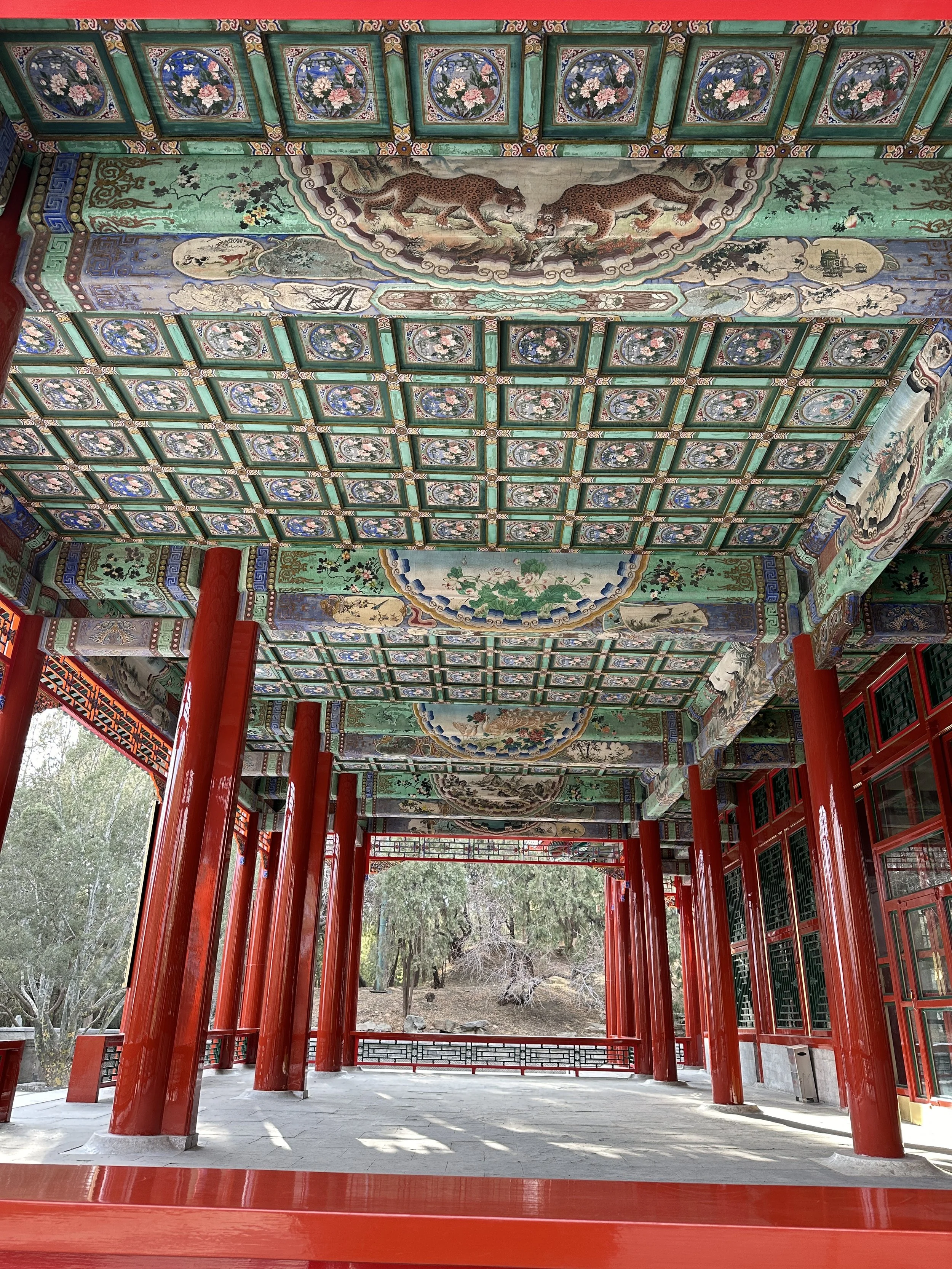
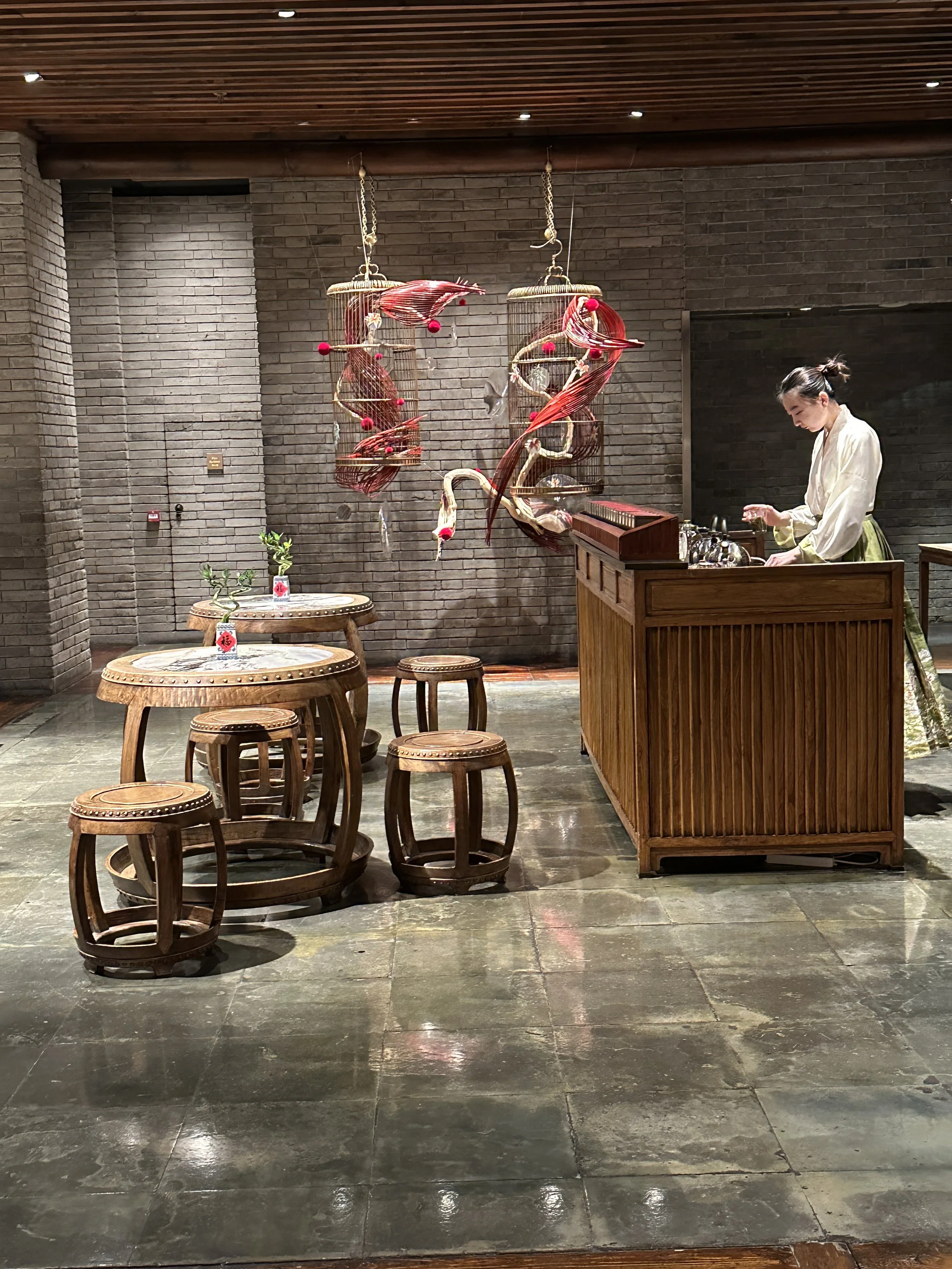
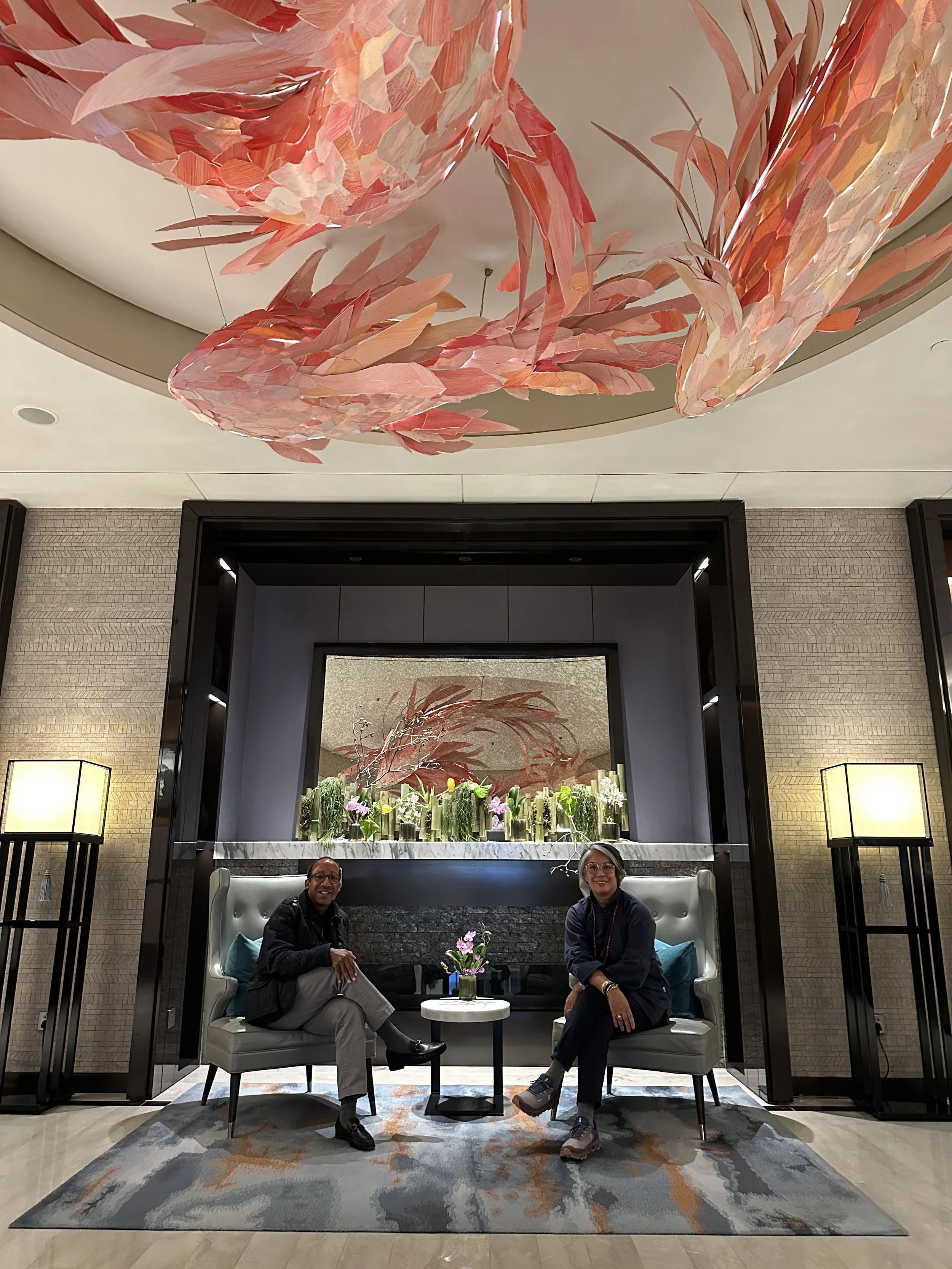
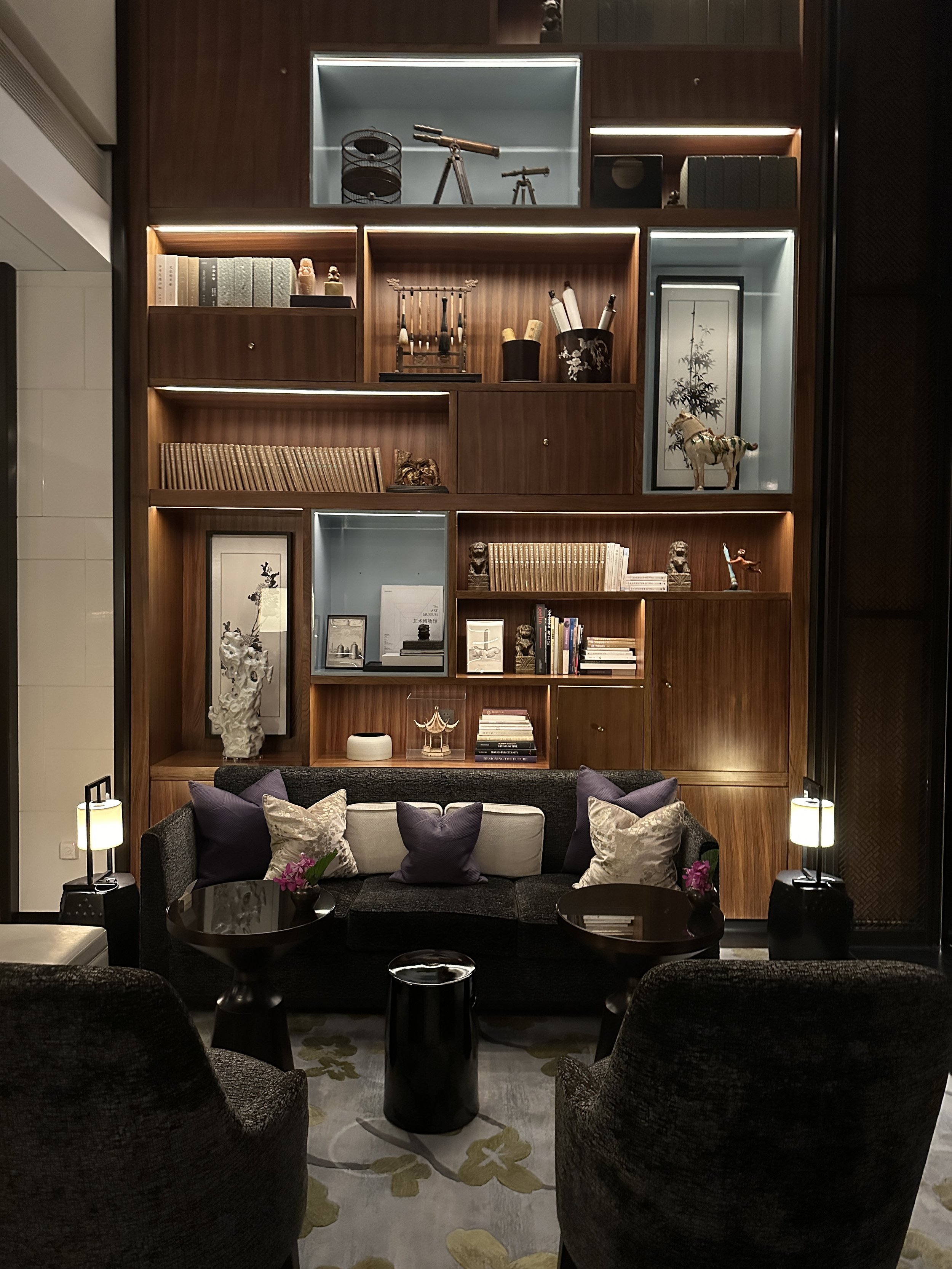
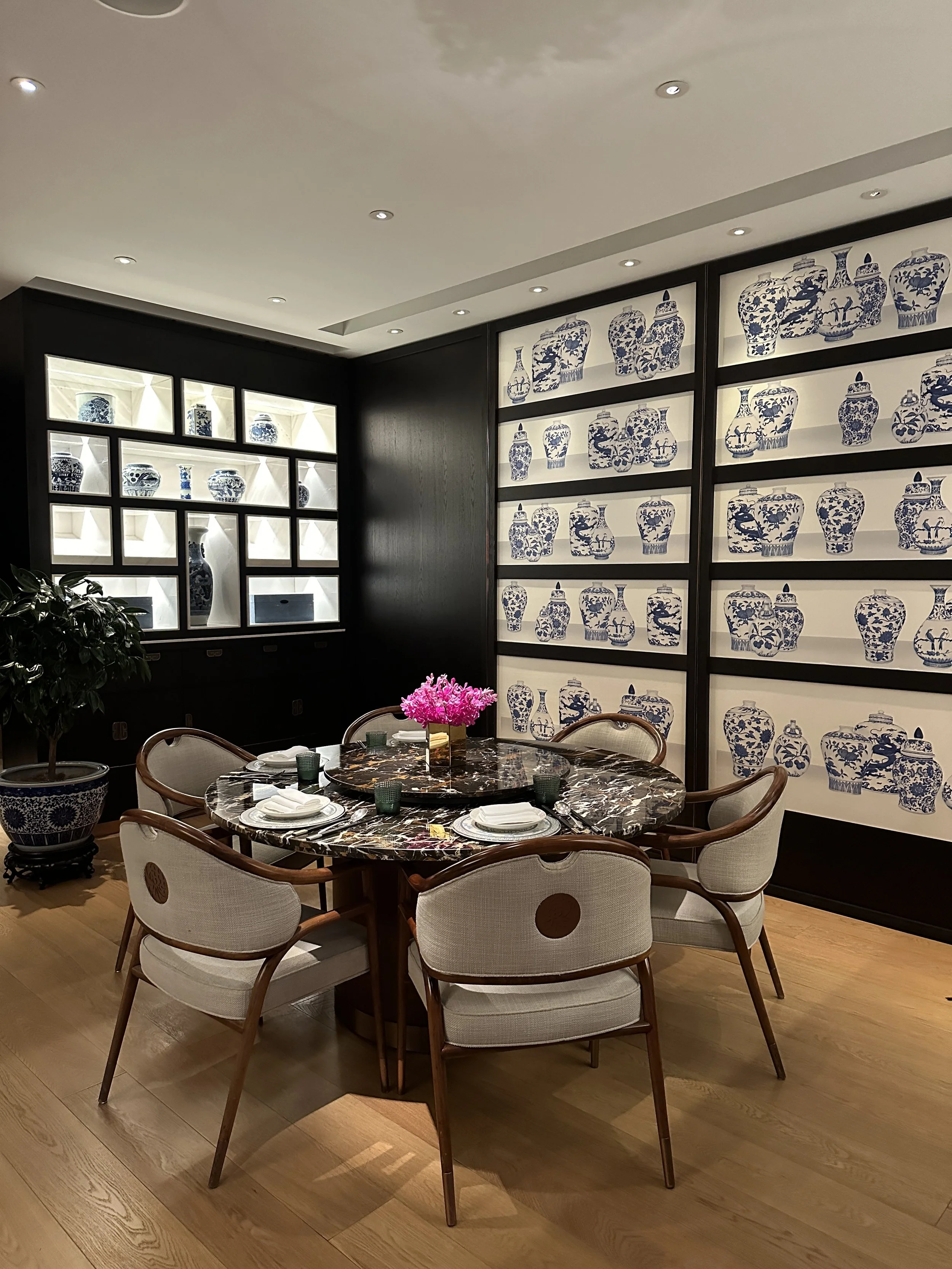
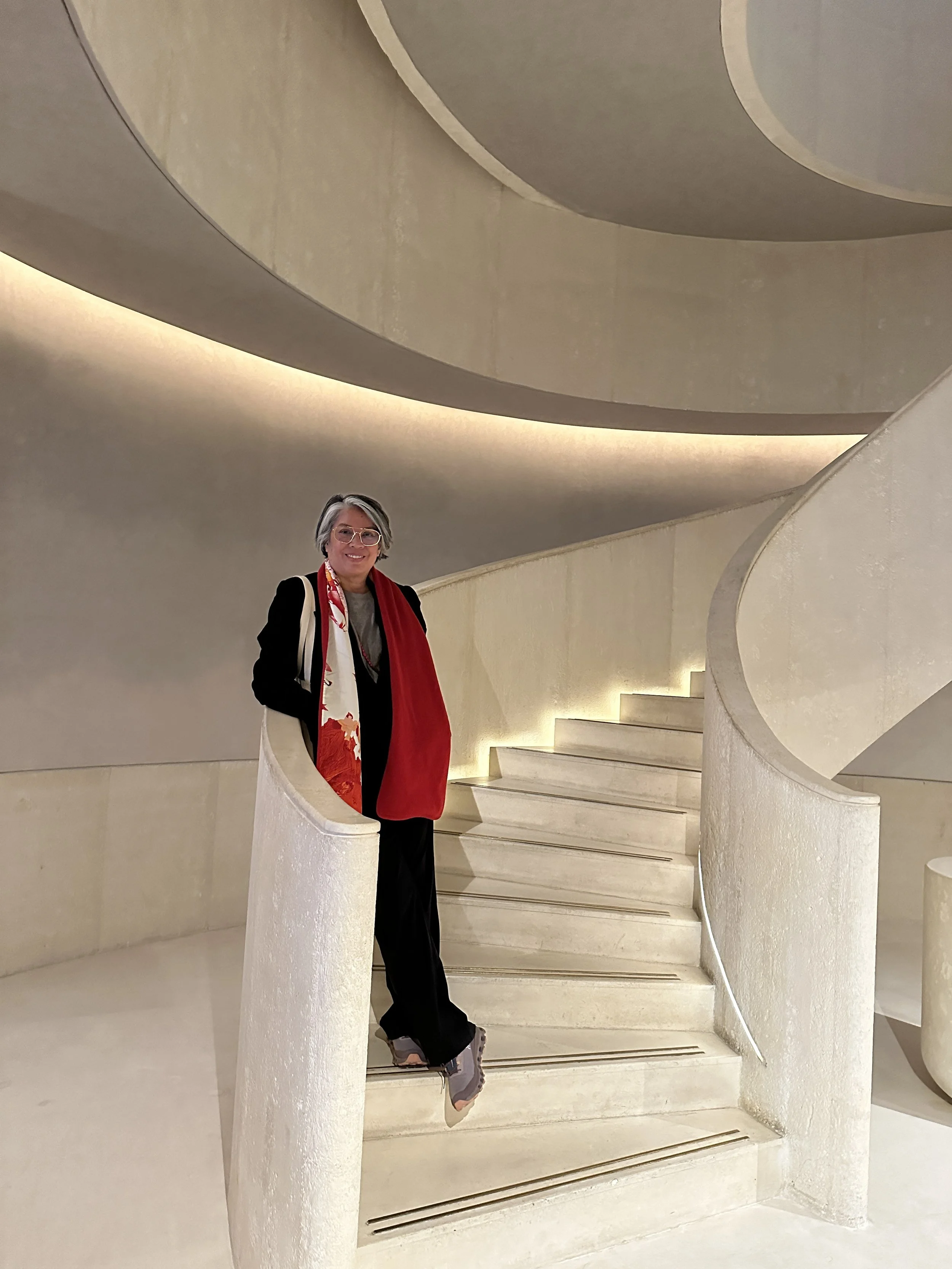
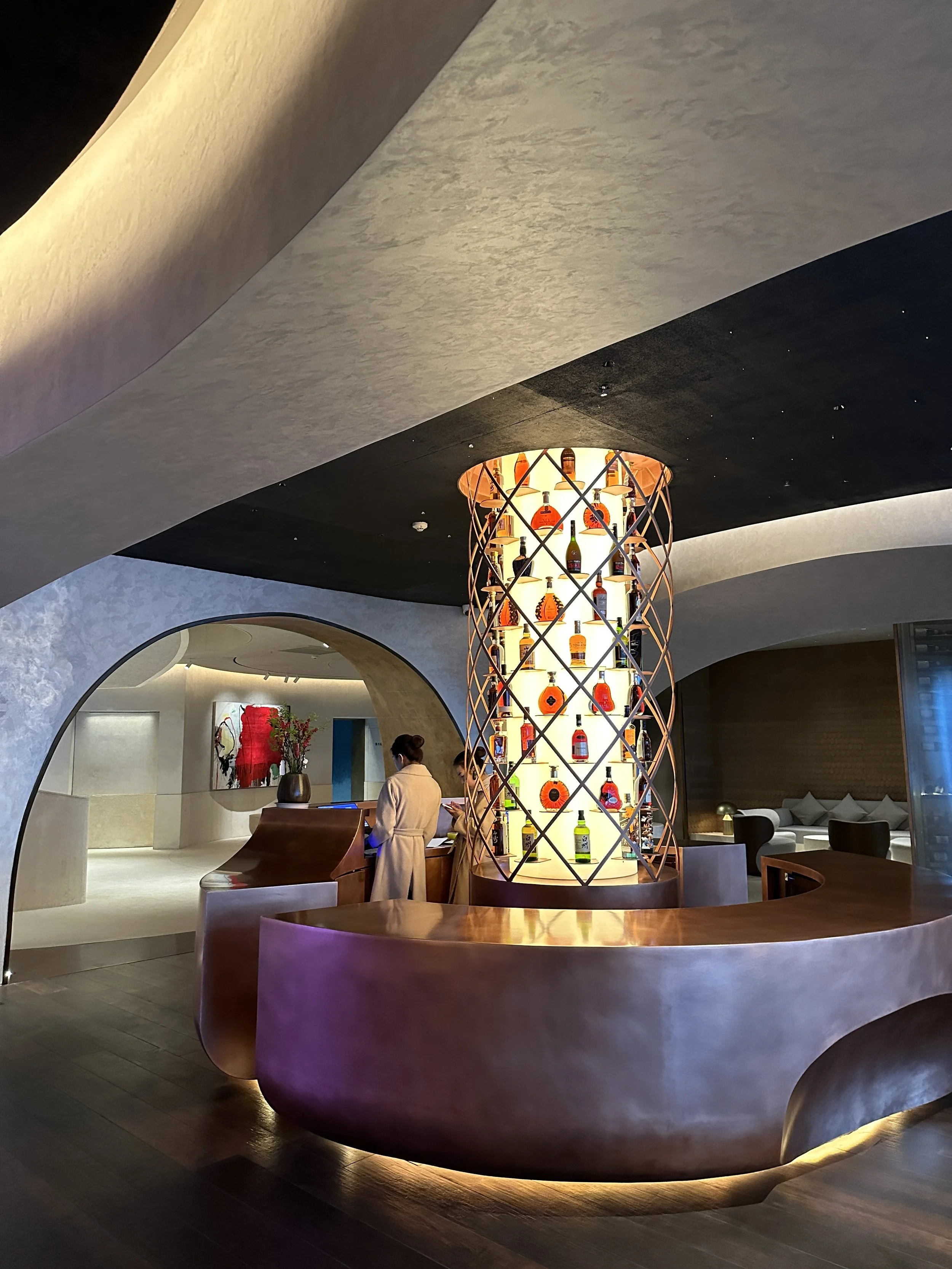
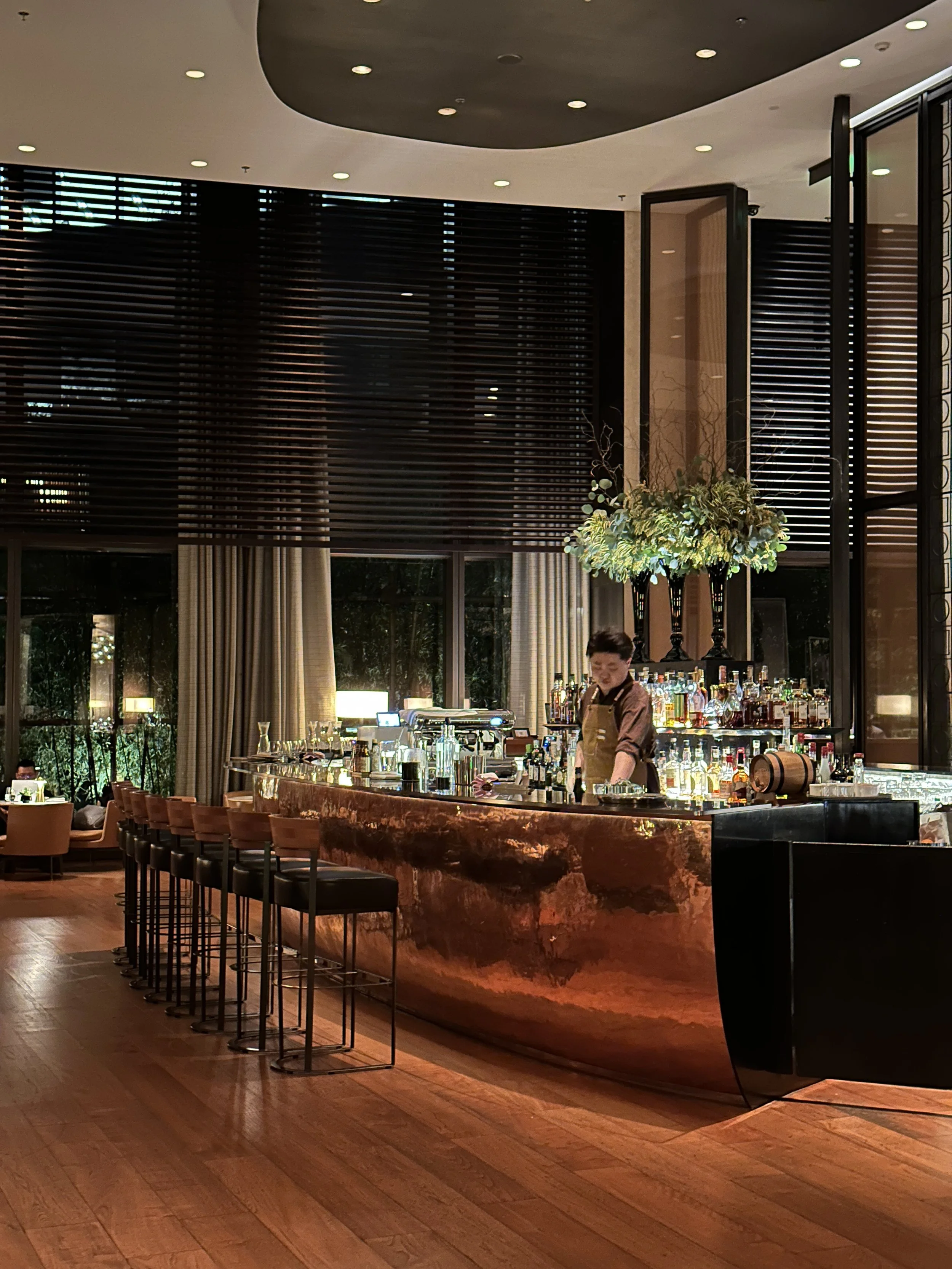
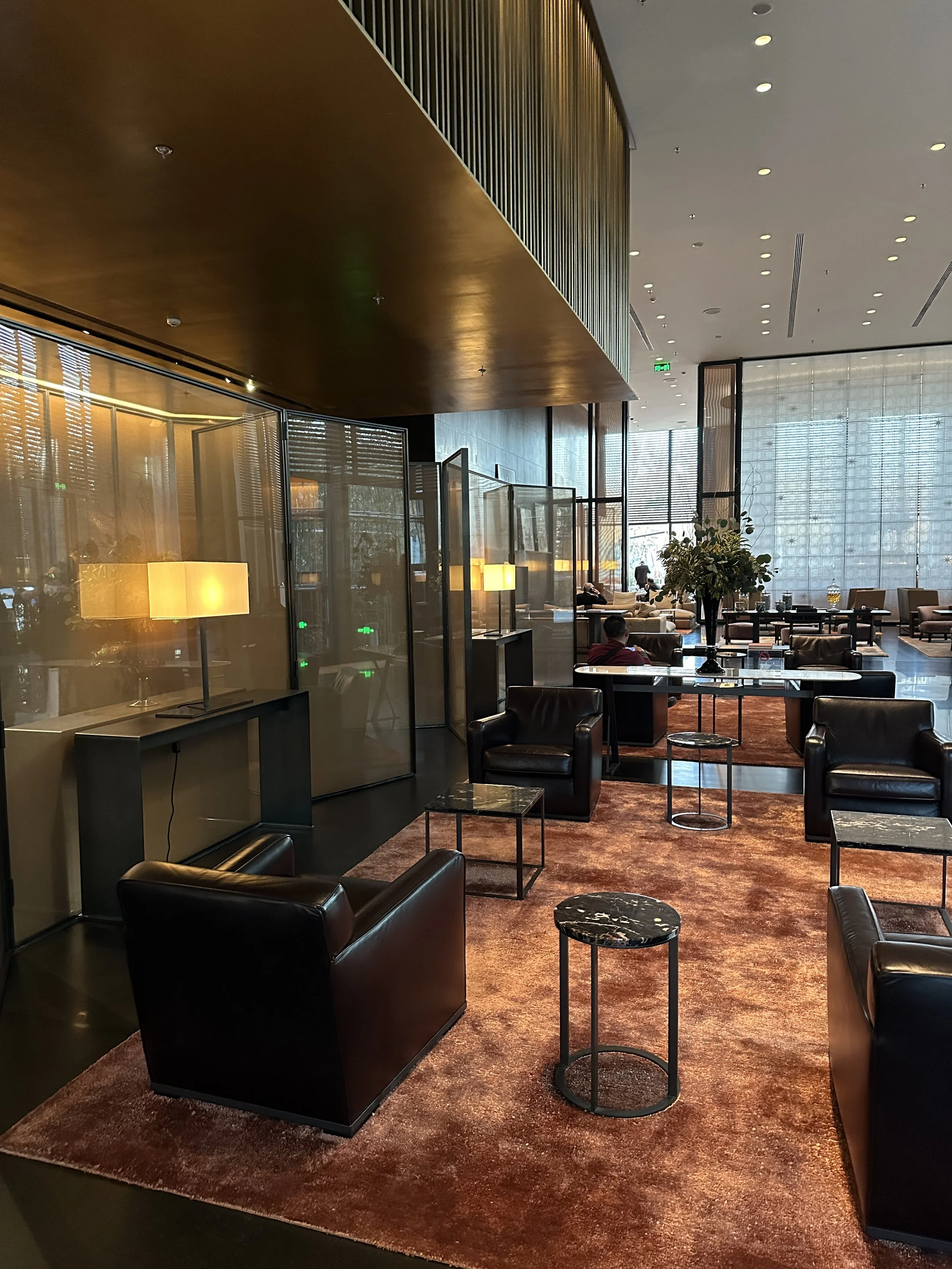
That evening, I checked into the Rosewood Beijing, ate extremely well, and accepted that this city had no interest in being casual — and neither did I.
The Great Wall: Silence, Stone, and a Very Good Lunch
The Great Wall earns its reputation — if you go far enough. Leon took us to the Jinshanling section, close to Mongolia, where the hills roll quietly and there was no one else on our stretch of wall. No crowds. No noise. Just stone, wind, and history.
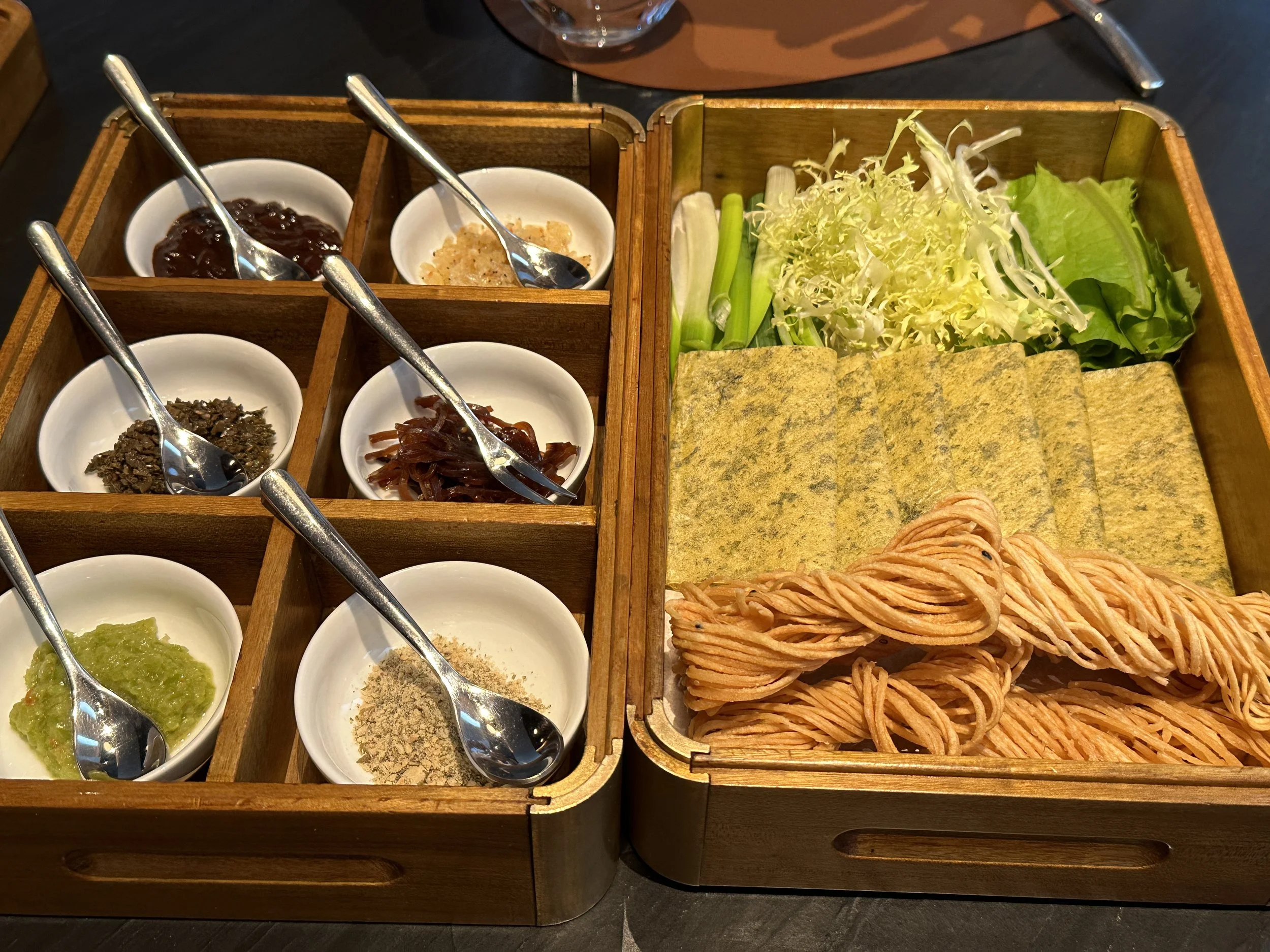
Lunch was set on the Wall itself. White linens. A private chef. Courses arriving improbably from nowhere. It was one of those moments that feels slightly unreal while it’s happening — the kind you don’t narrate out loud because you don’t want to break the spell.
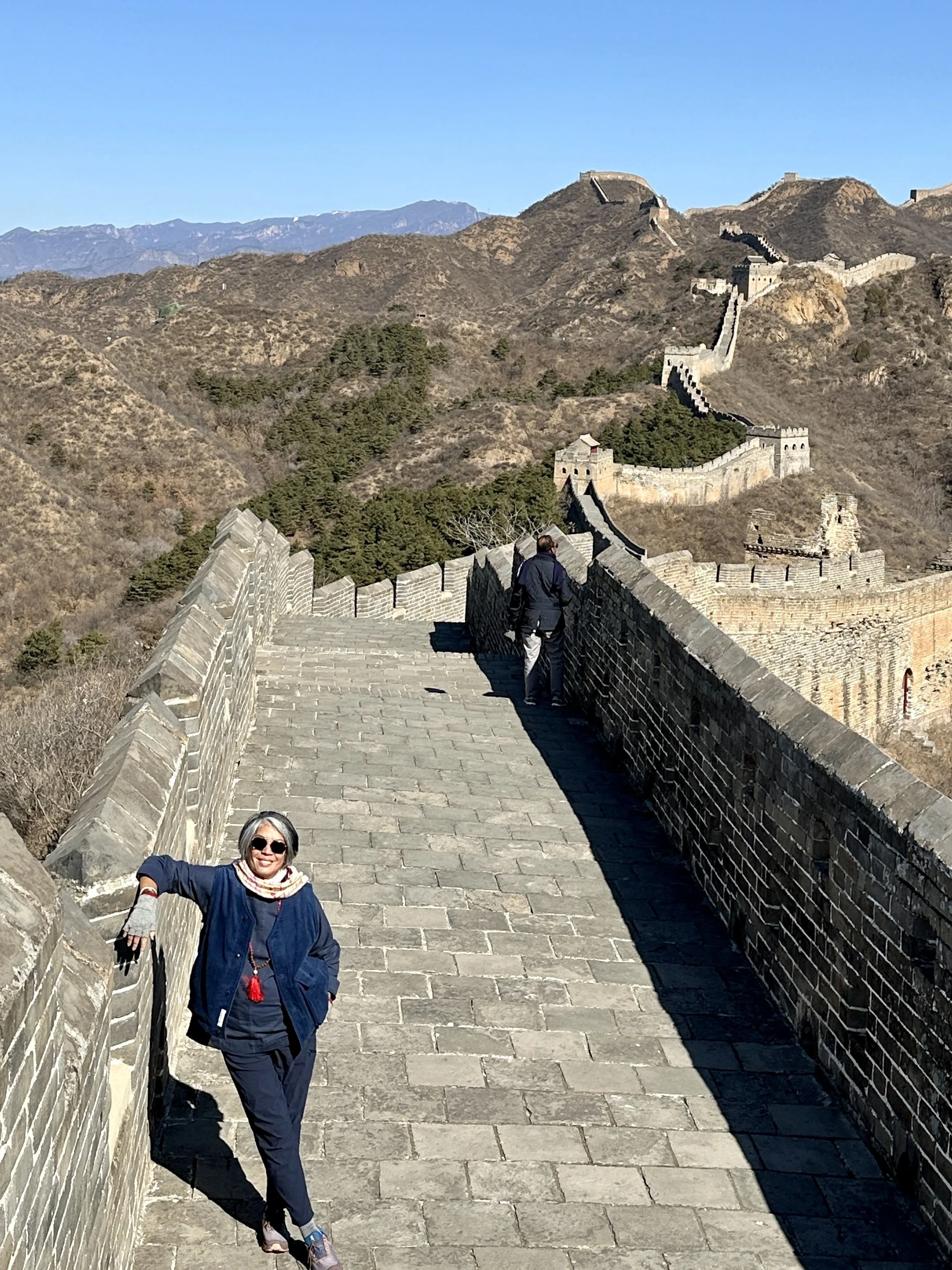
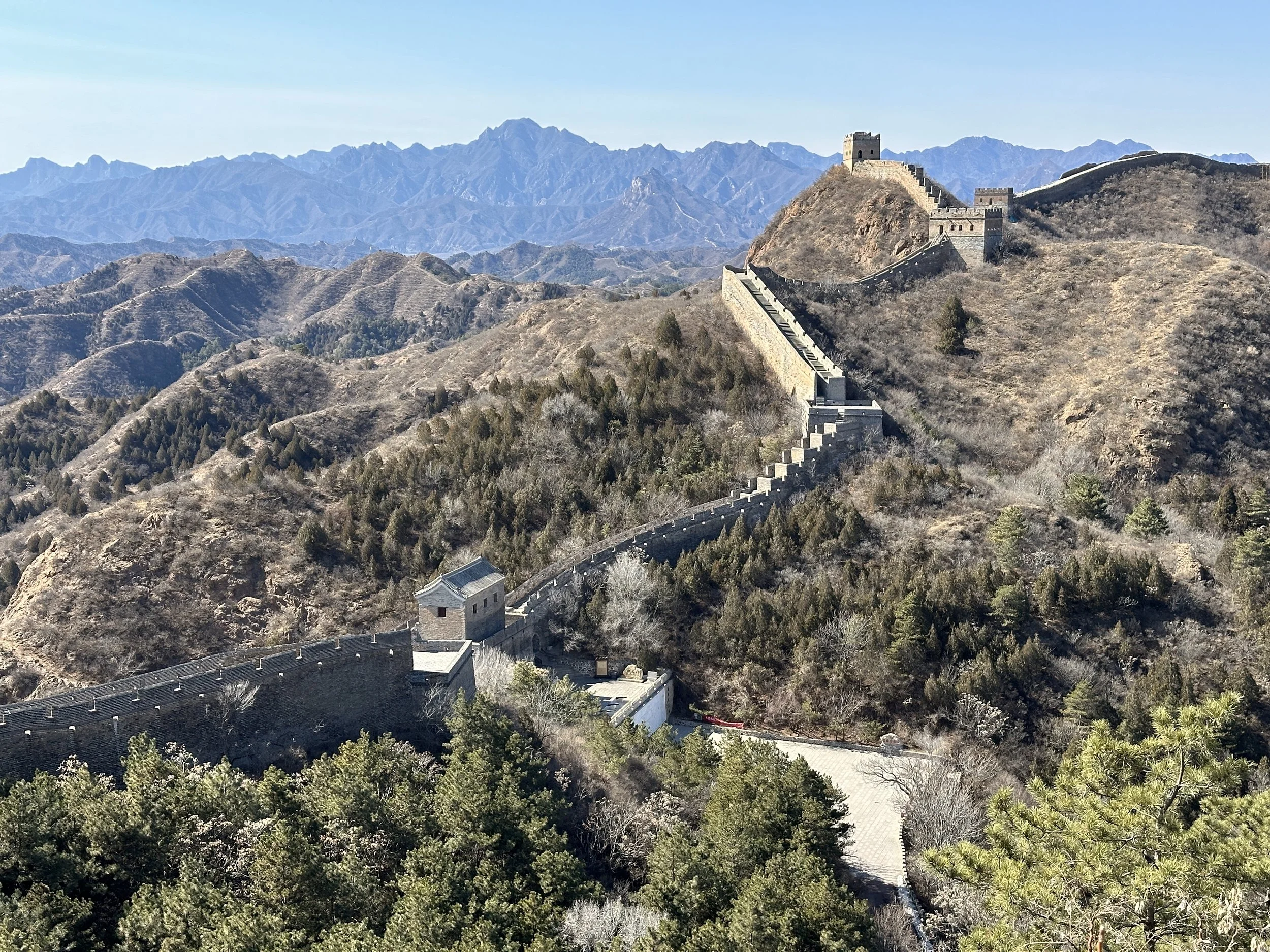
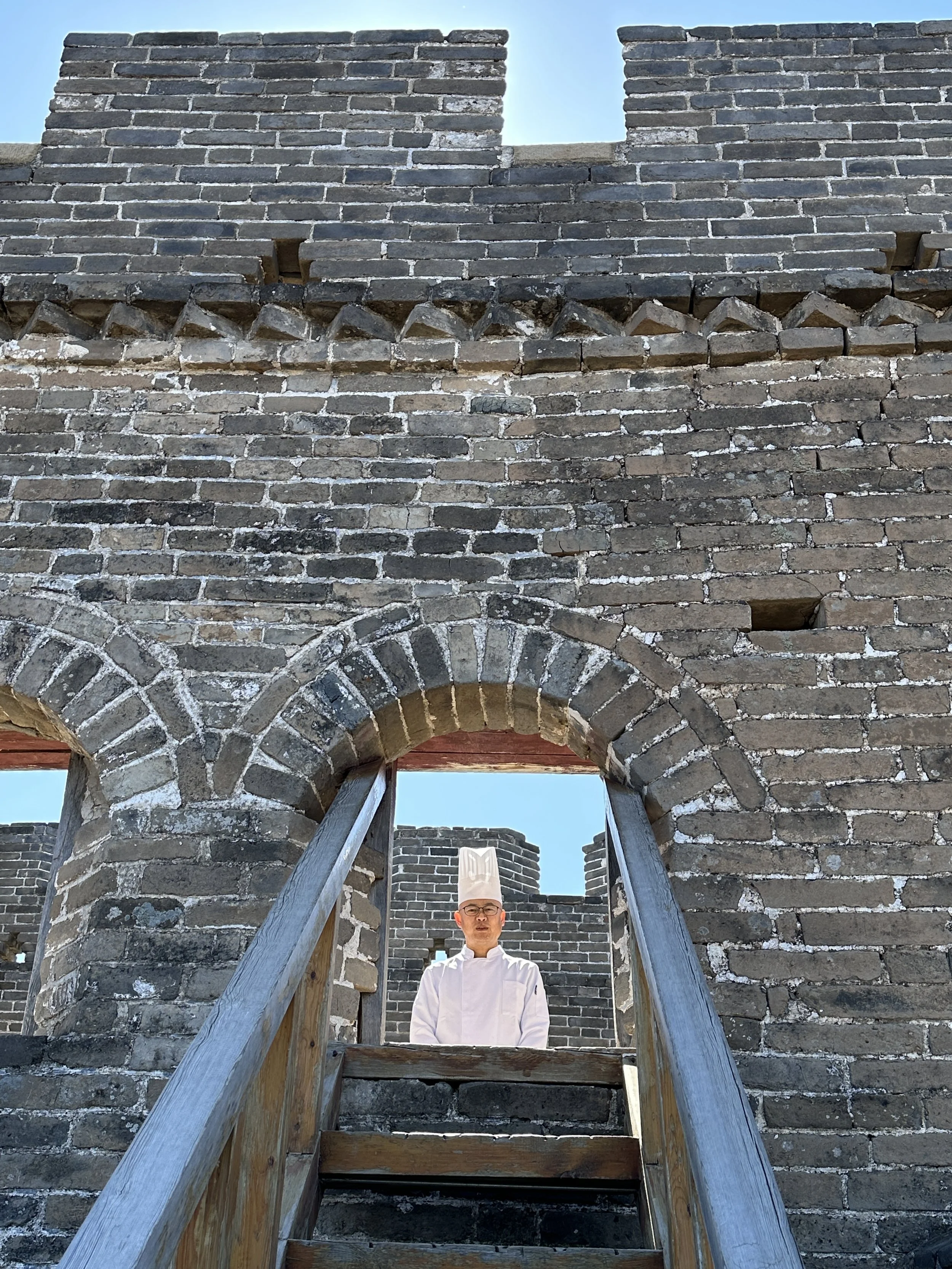
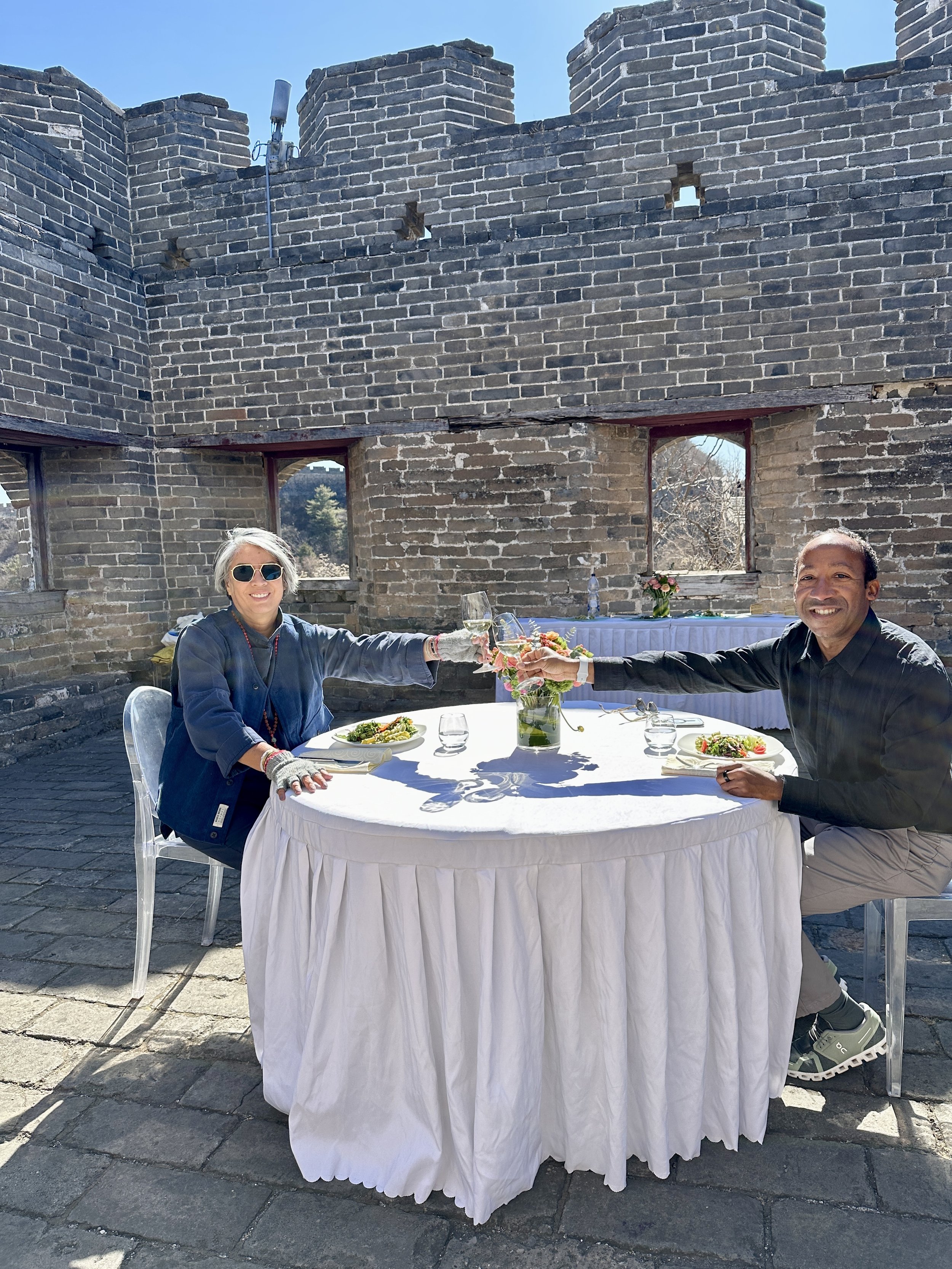
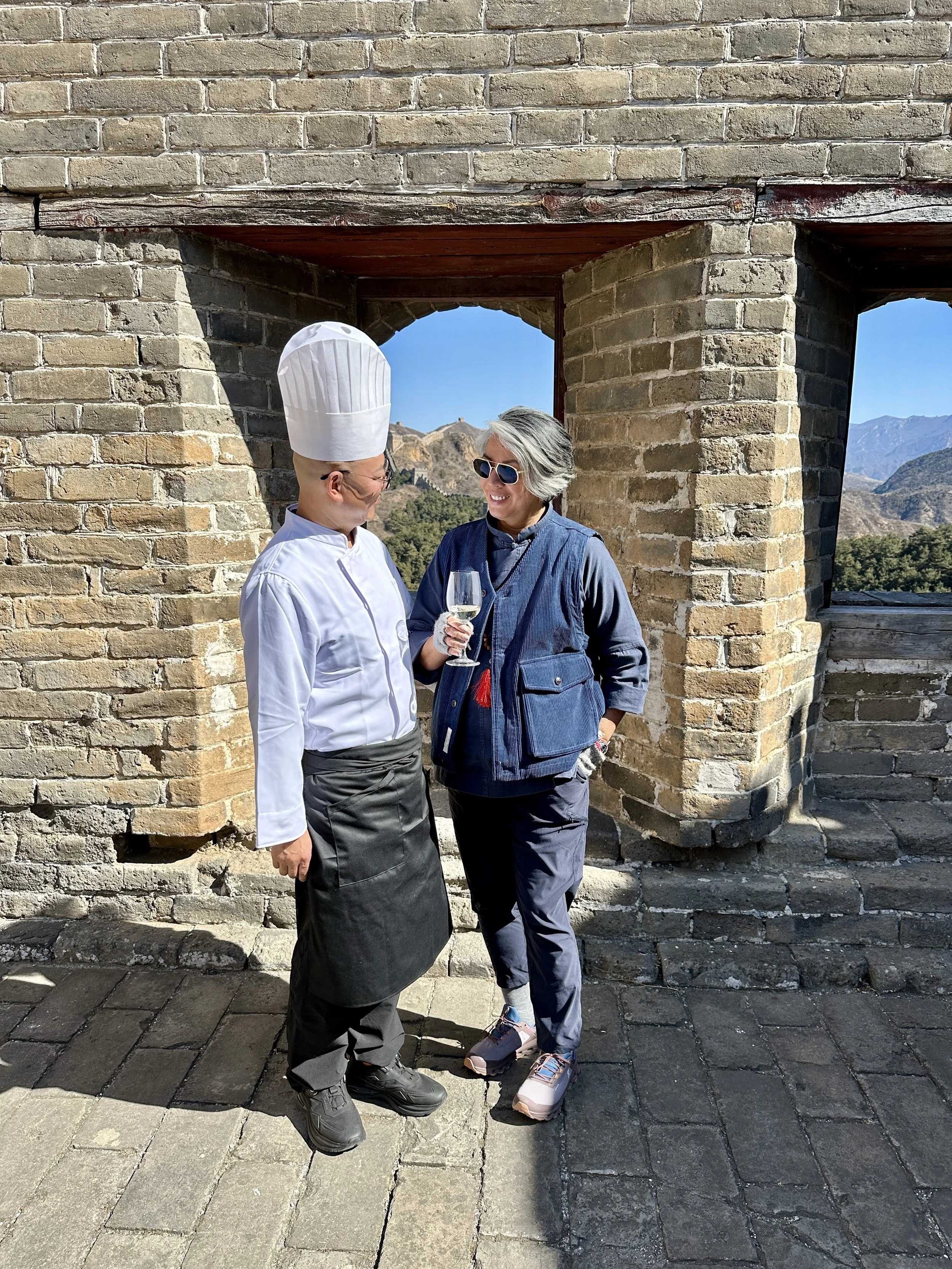
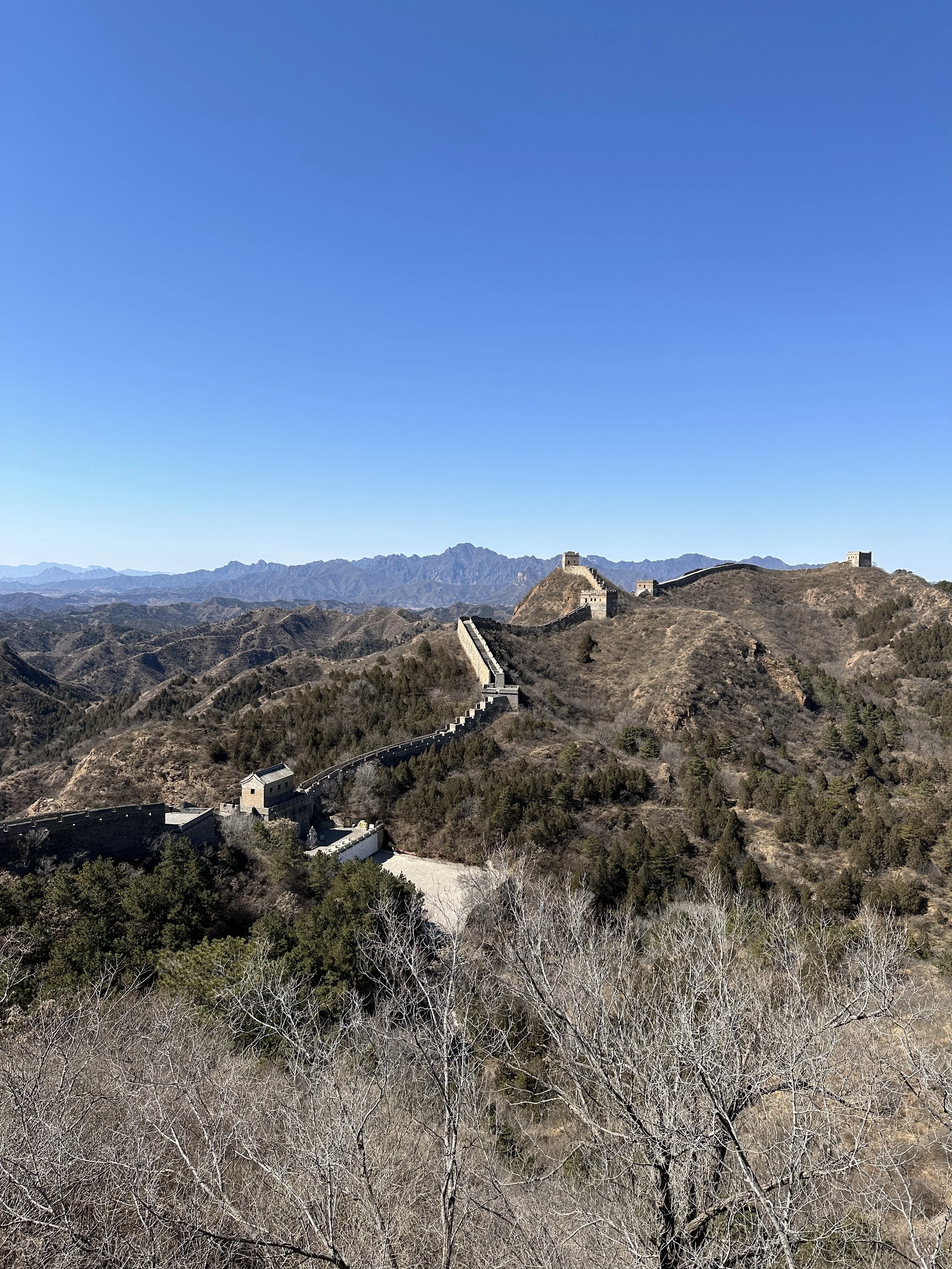
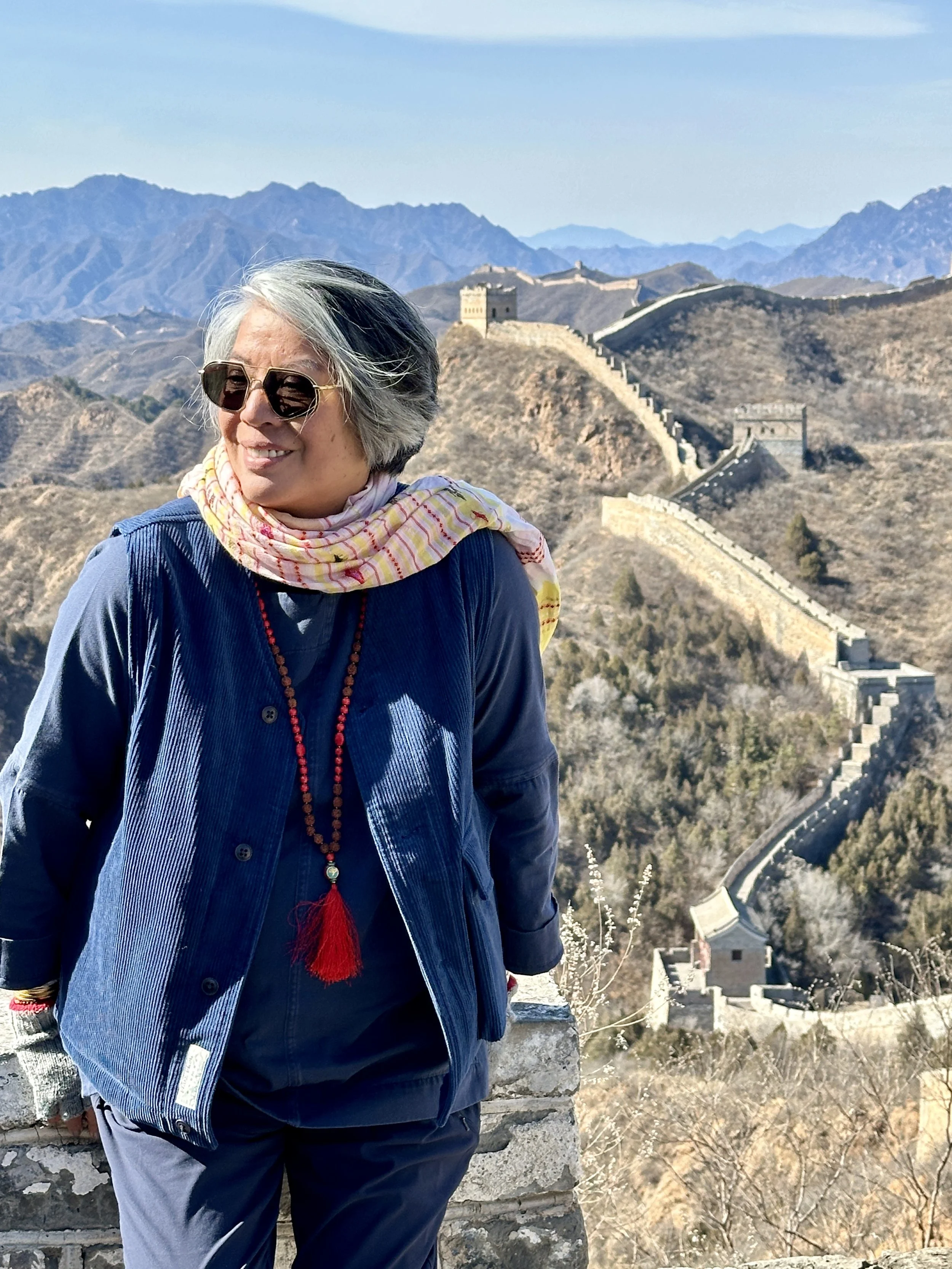
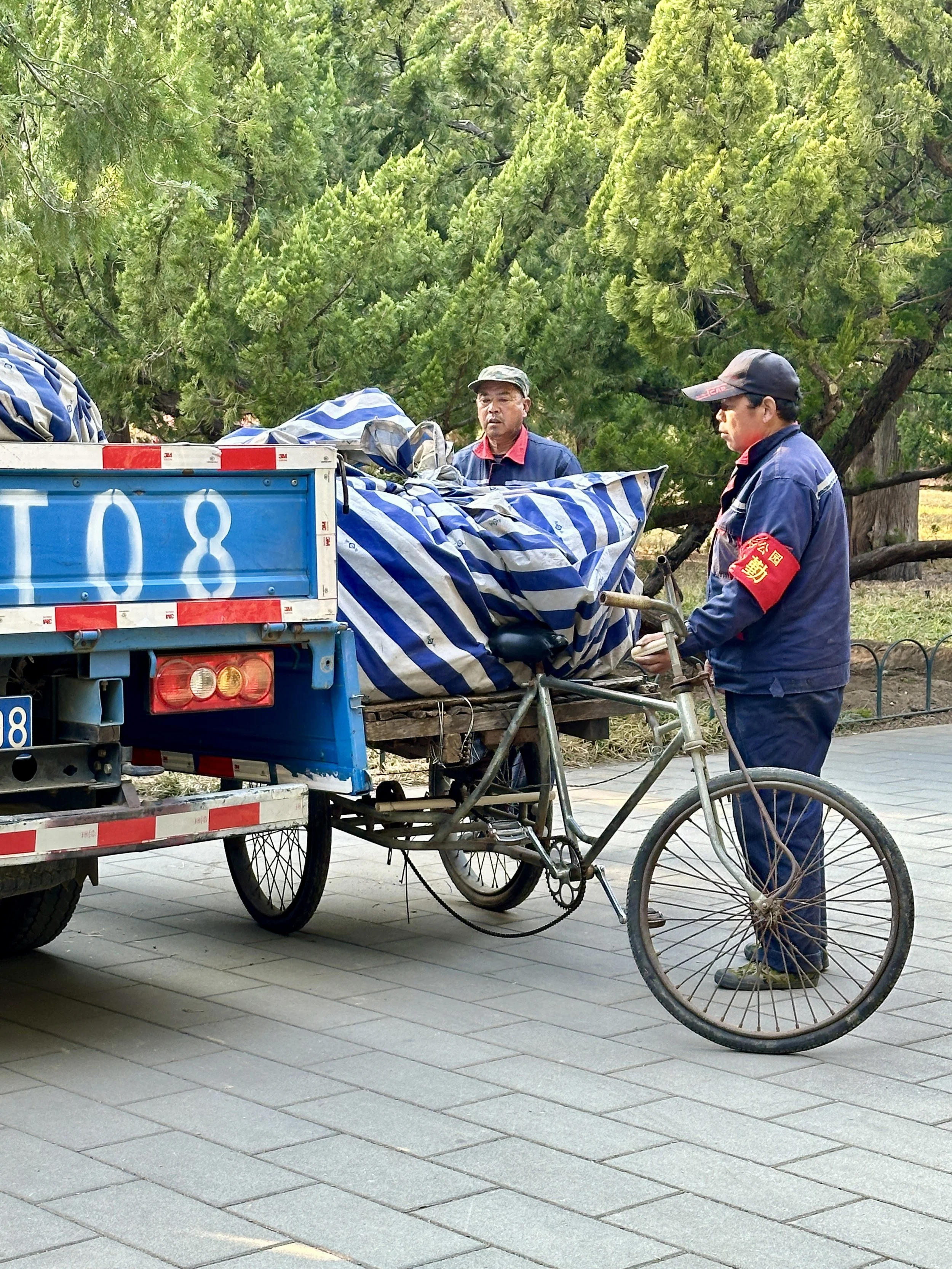
Later, as we began our descent, I noticed farmers carrying our table and chairs down the Wall, piece by piece, back to their farmhouse for storage. Luxury dismantled and returned to real life. It was grounding, humbling, and quietly beautiful.
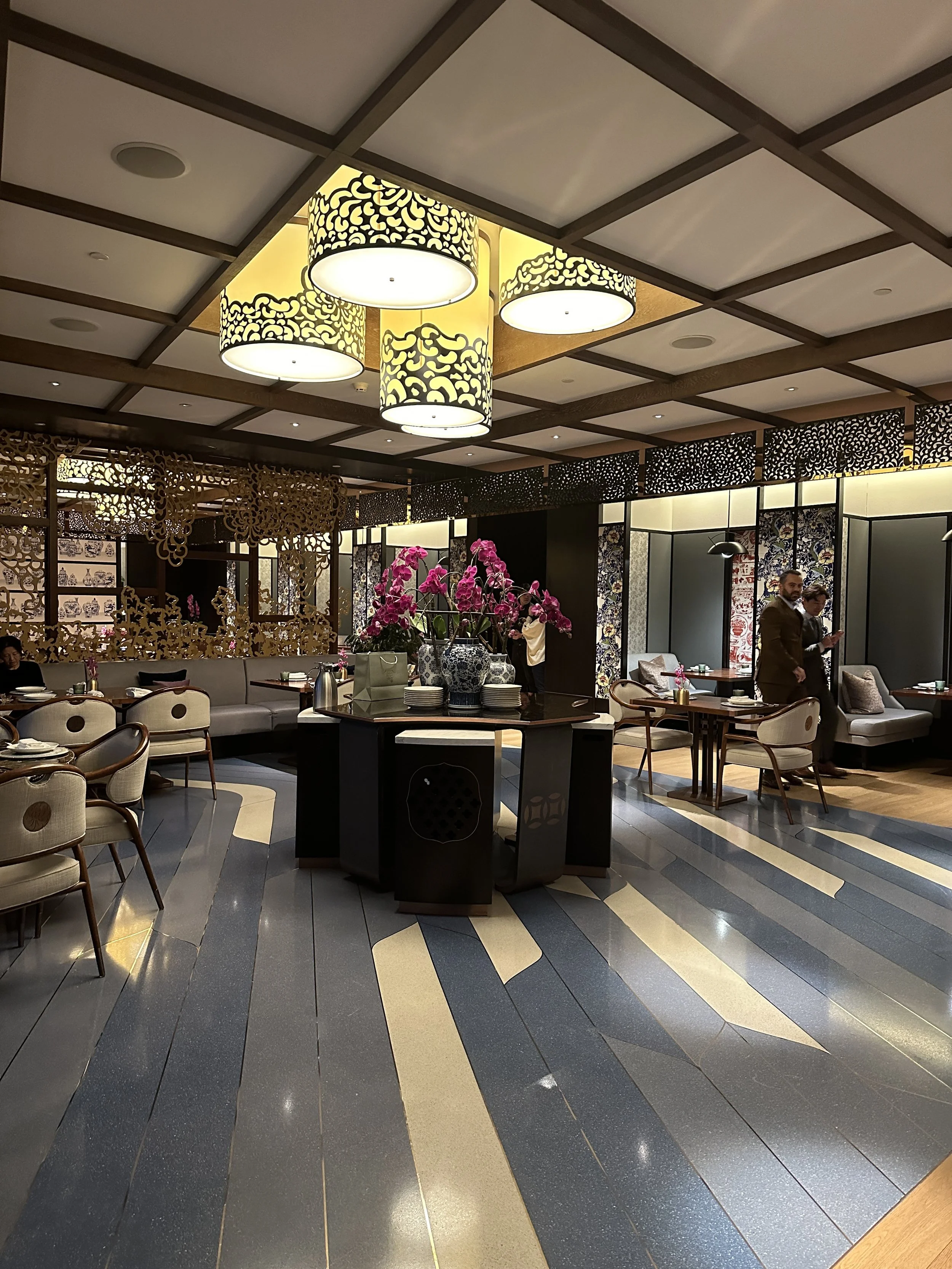
That evening back in Beijing, the city shifted gears. Dinner at The Peninsula Beijing for Shanghai cuisine was non-negotiable — and the legendary XO sauce lived fully up to its reputation. A must. I also used the evening to scout other standout properties, including Mandarin Oriental and Bulgari Beijing, each offering a very different, very compelling version of modern luxury in the capital.
Tiananmen Square: Rethinking Assumptions
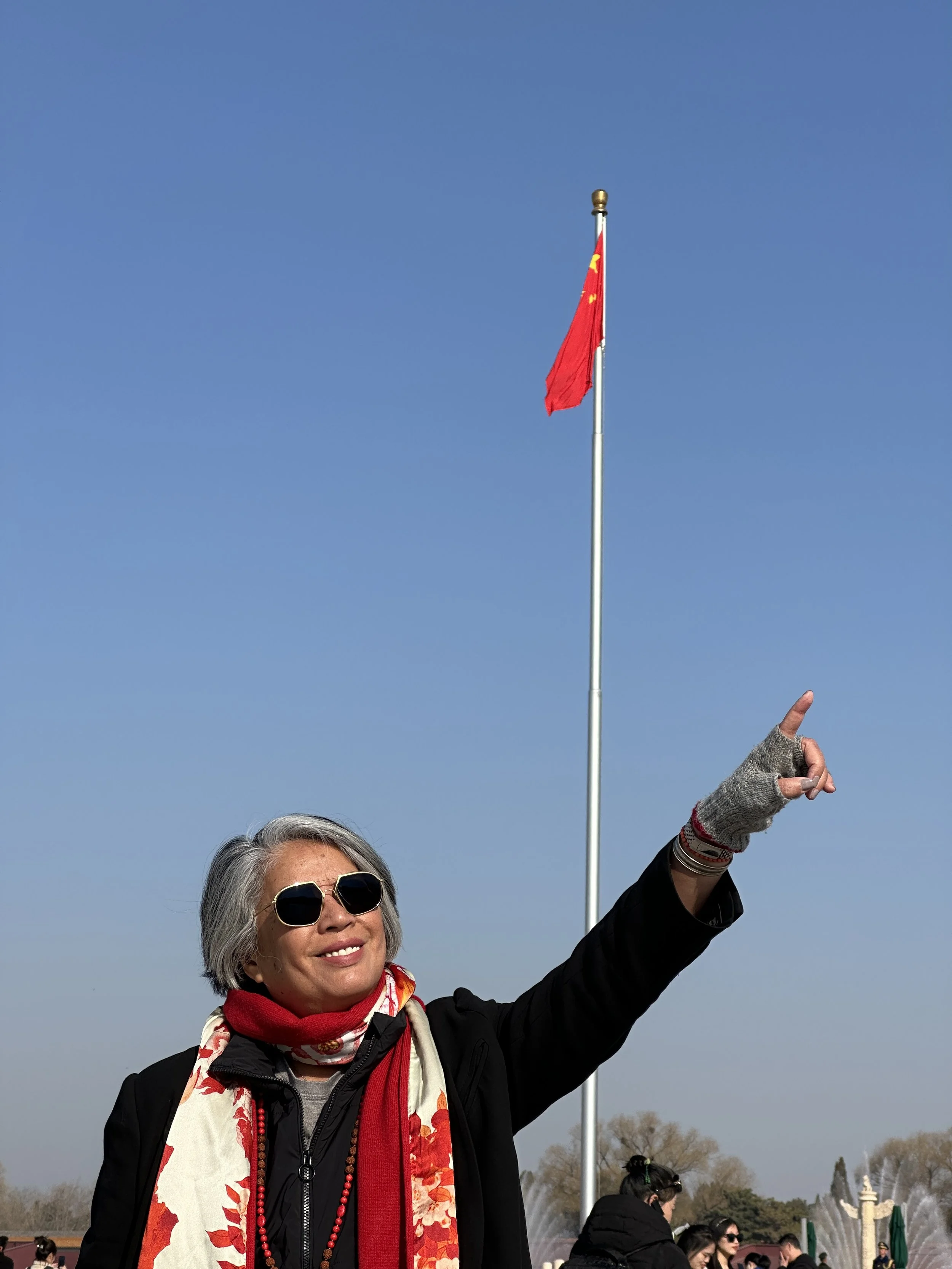
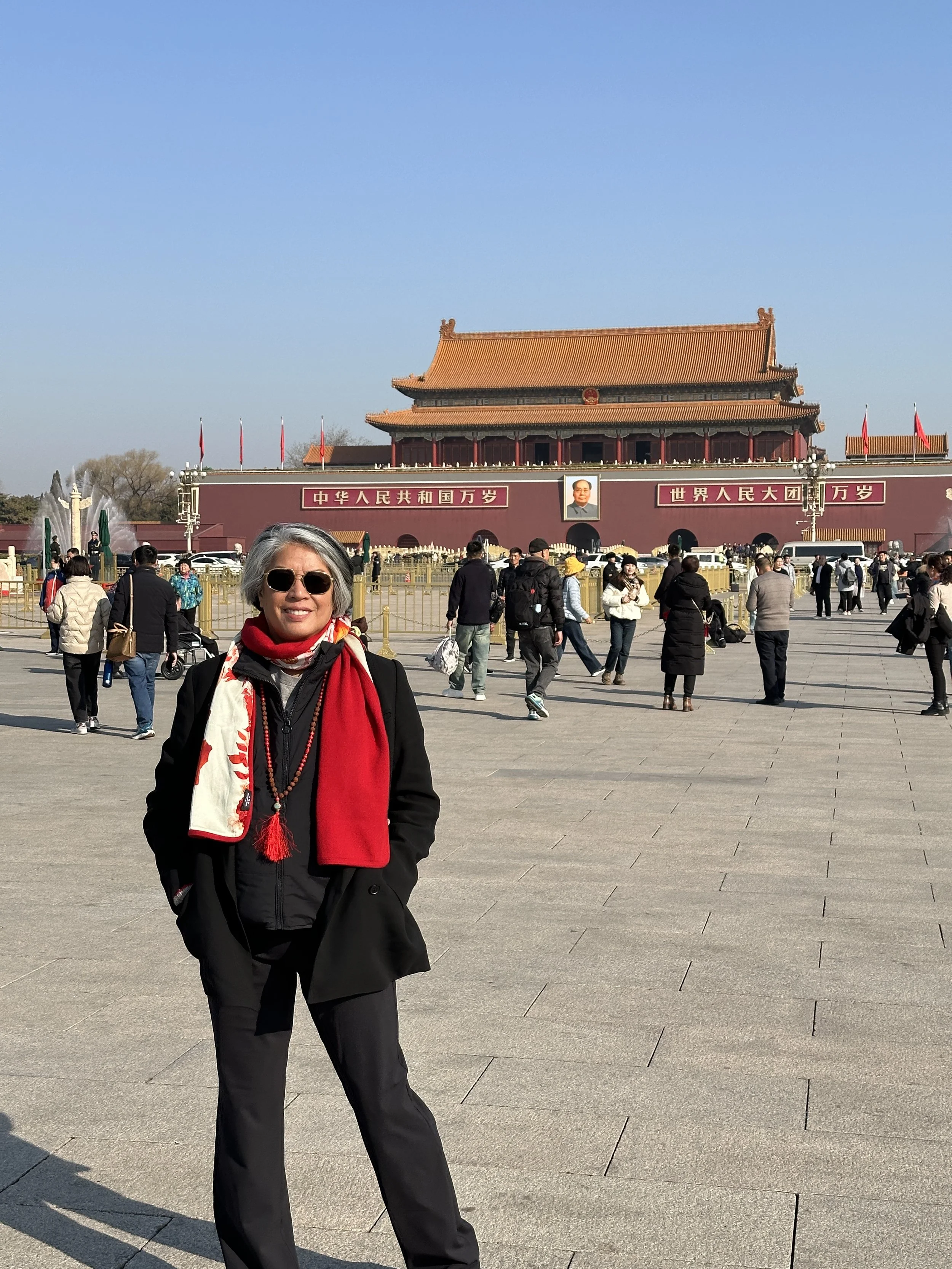
The next day, while queuing to pass through the turnstiles at Tiananmen Square, I noticed locals pushing and shoving, pressing forward with urgency.
My first reaction was irritation.
I asked Leon why everyone was behaving this way.
“They’re from the provinces,” he explained. “Many have never been here before. They’re afraid of getting separated from their group.”
That stopped me.
What I had interpreted as rudeness was actually fear — fear of getting lost in a place too vast to navigate alone. It shifted how I saw the square, the crowds, and the quiet anxieties people carry when they travel far from home.
“What I thought was rude was actually fear. Travel has a way of correcting you.”
The Forbidden City & a Question That Stayed With Me
Before visiting the Forbidden City, do yourself a favor and rewatch Bertolucci’s The Last Emperor. The film doesn’t just provide context — it gives emotional scale.
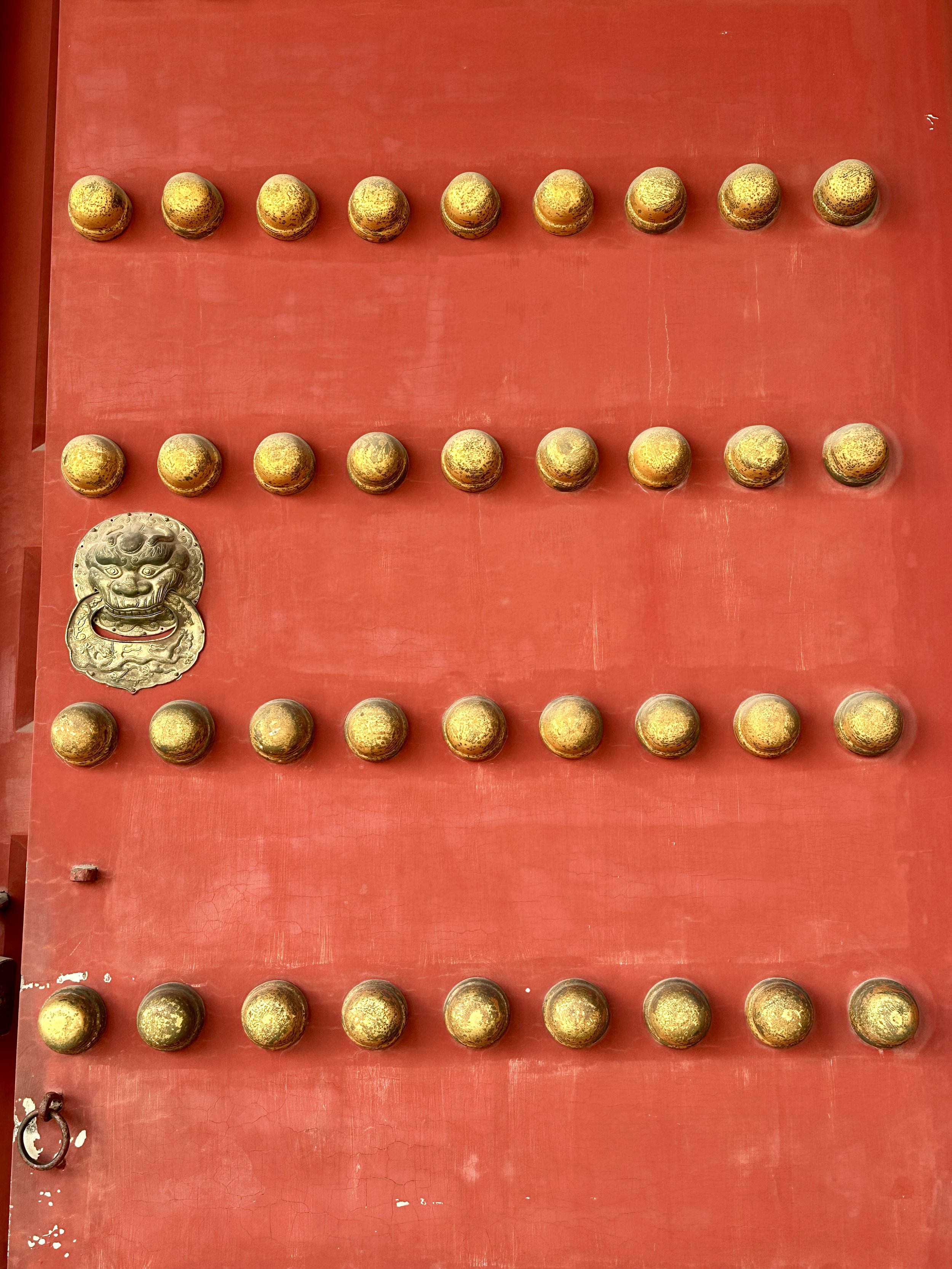
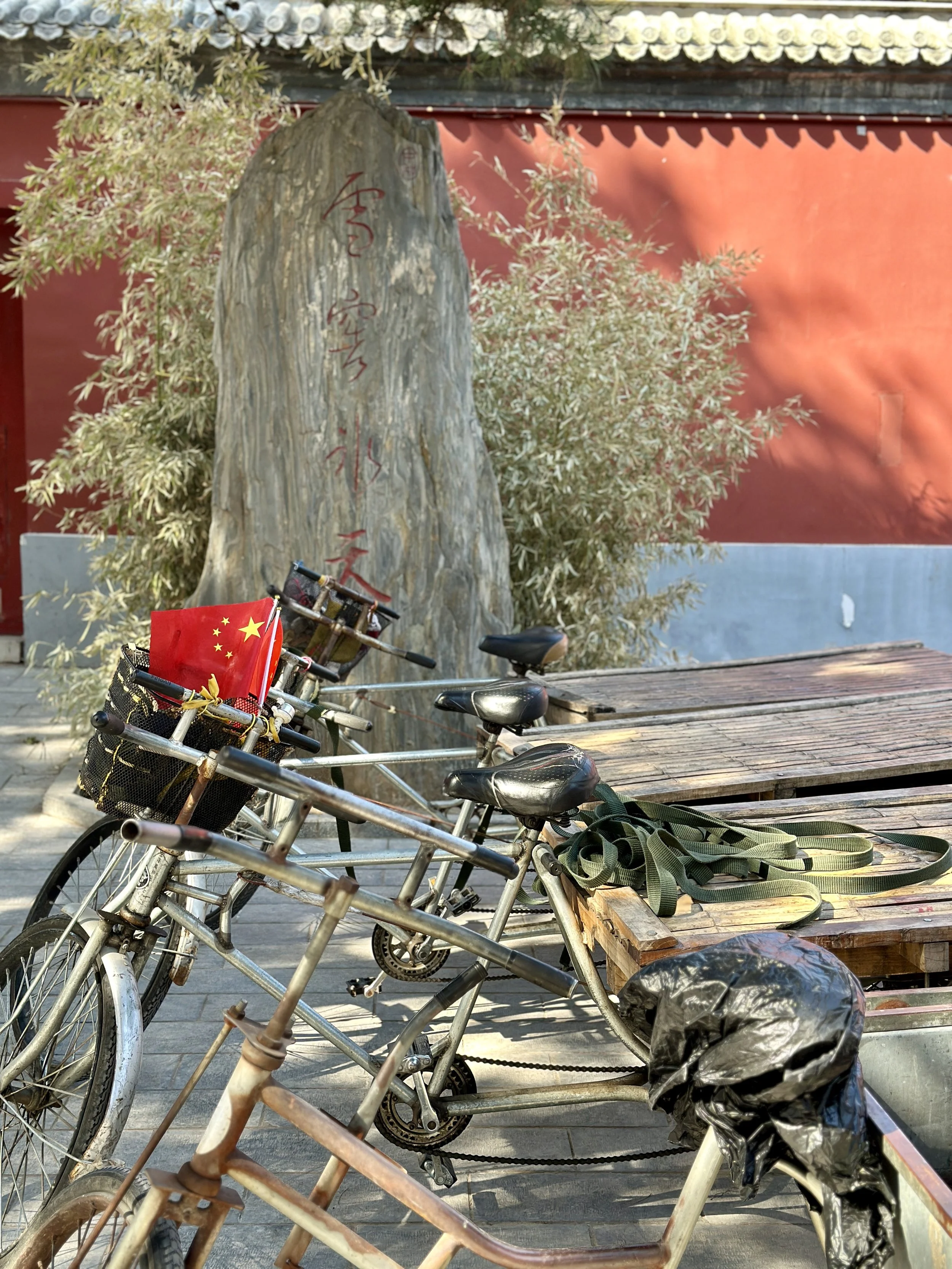
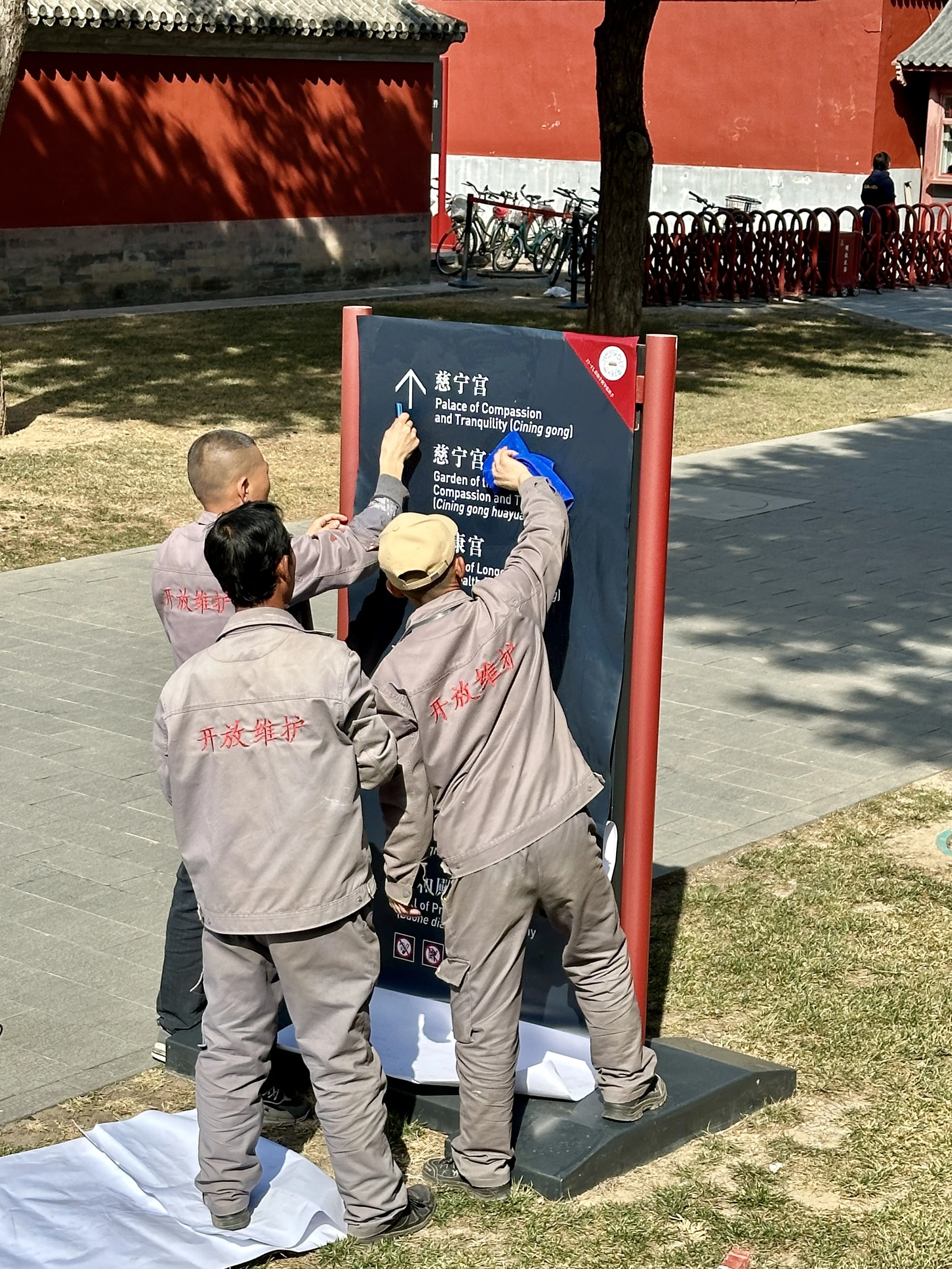
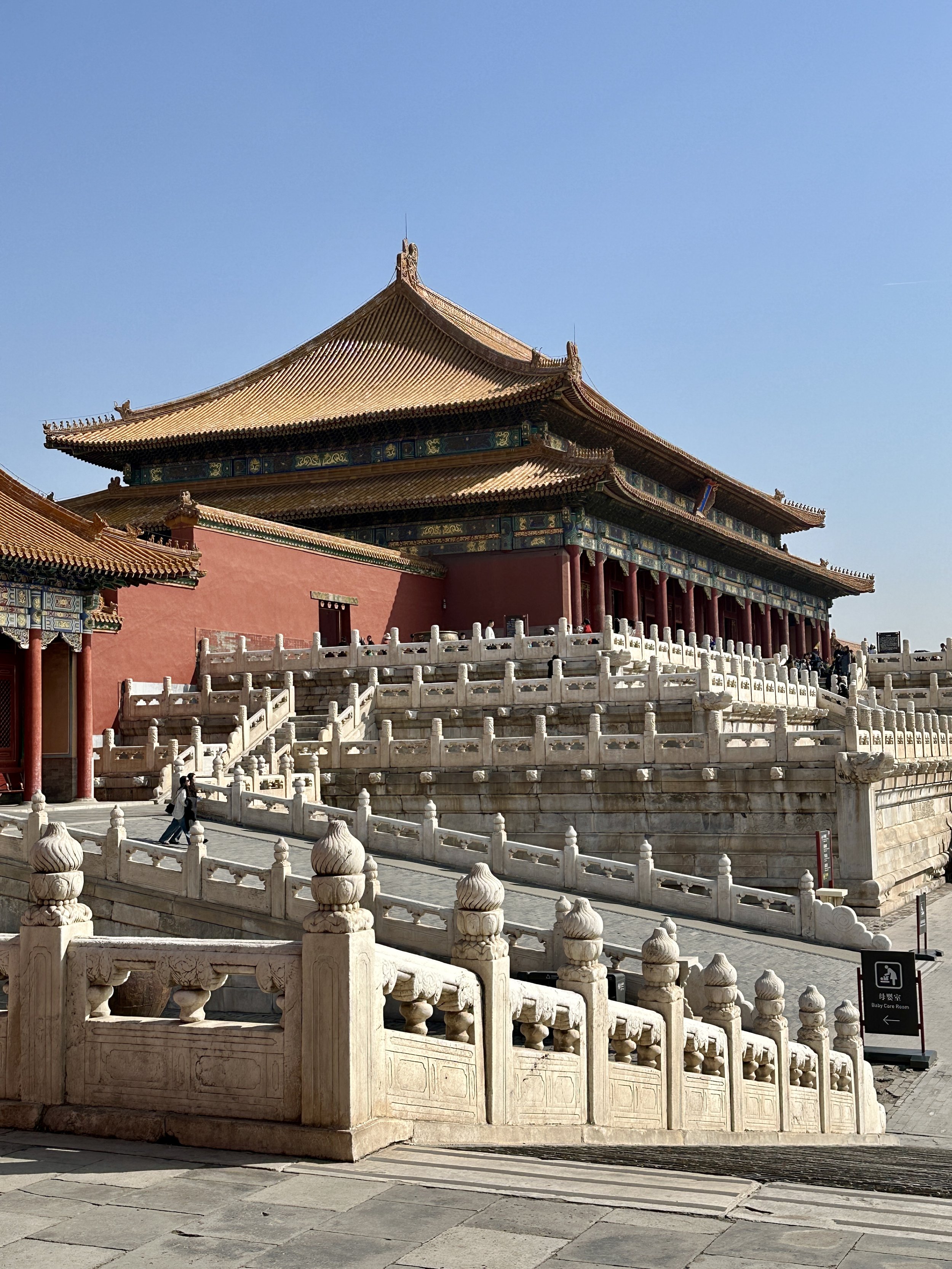
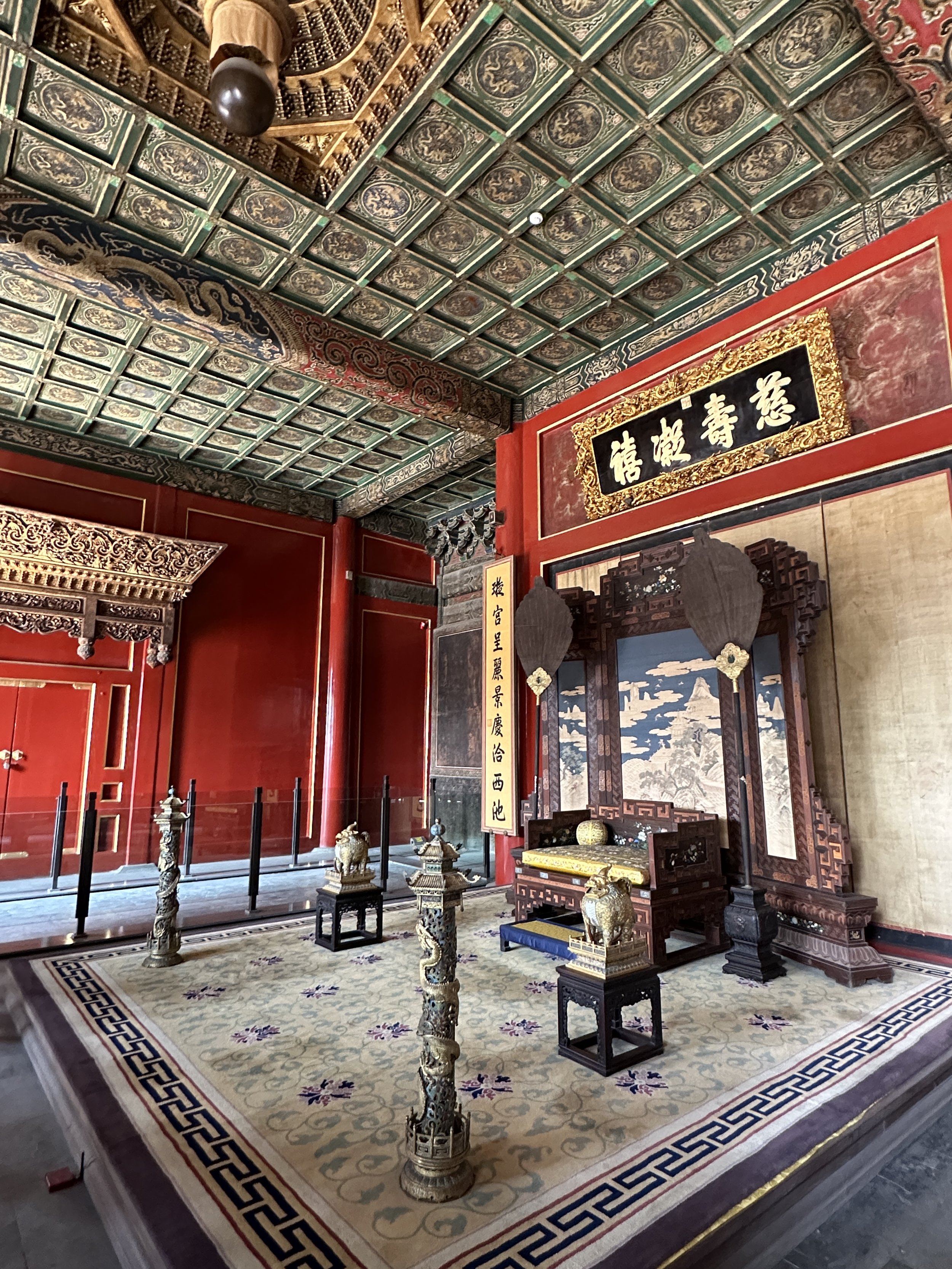
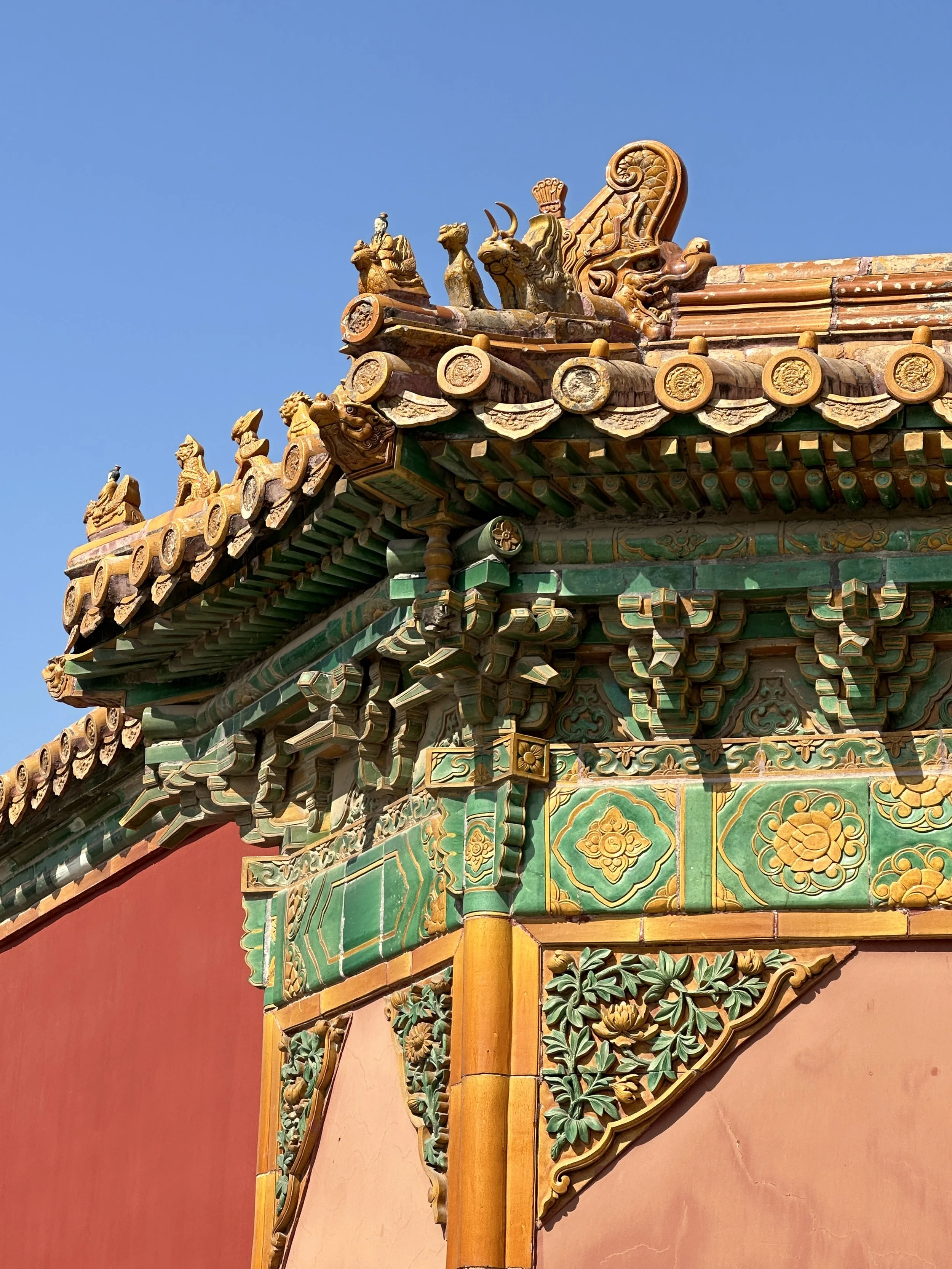
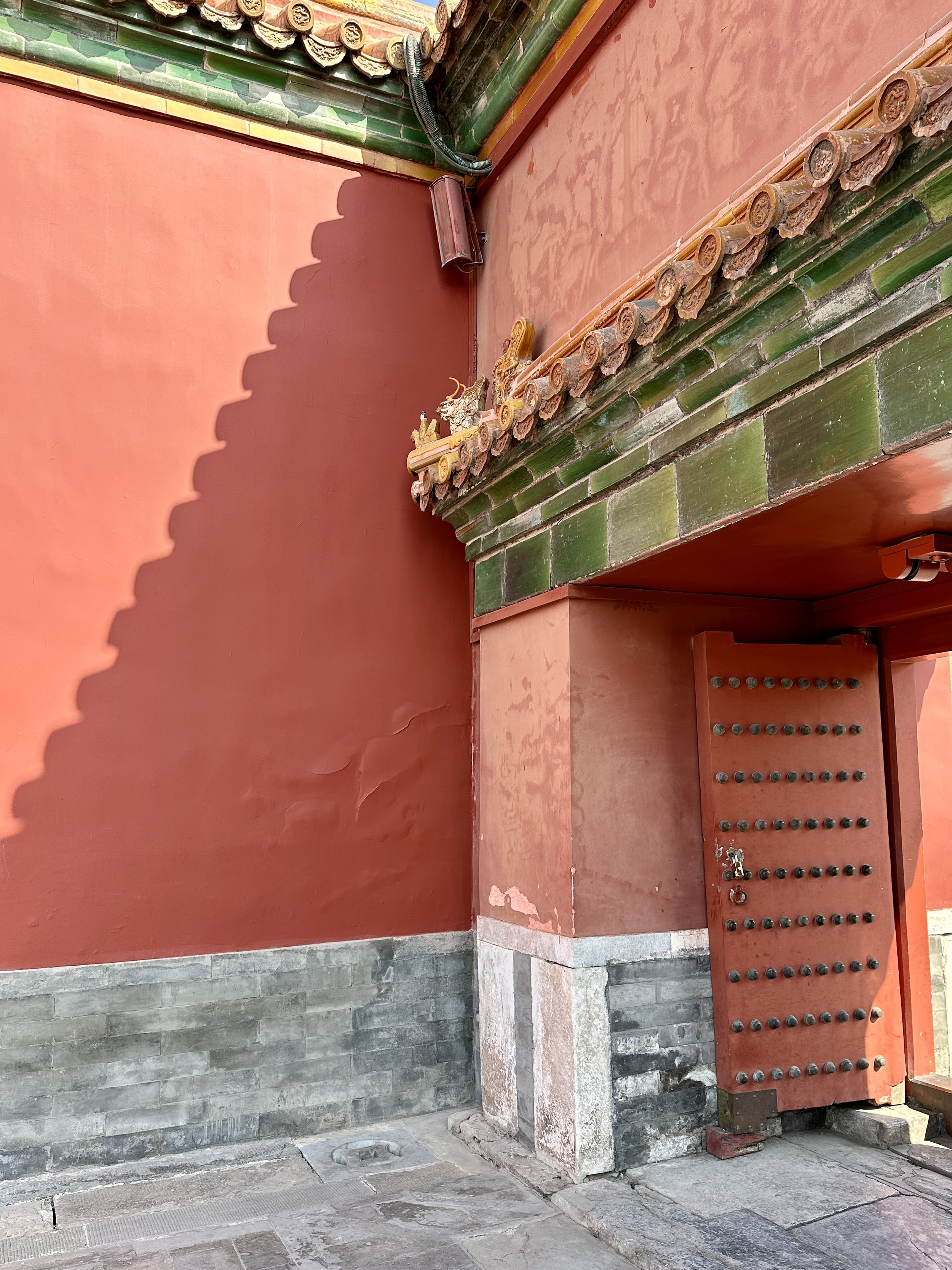
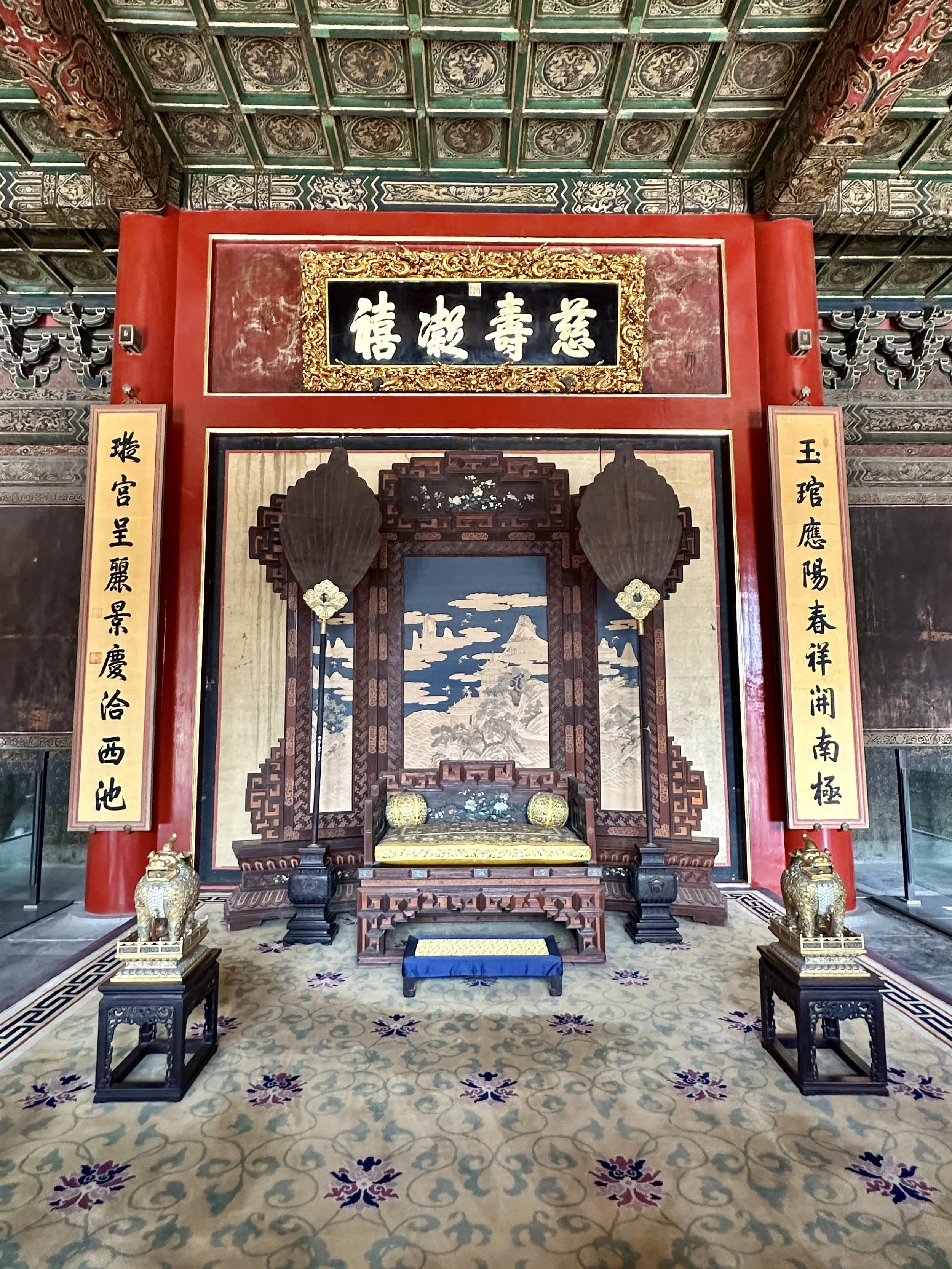
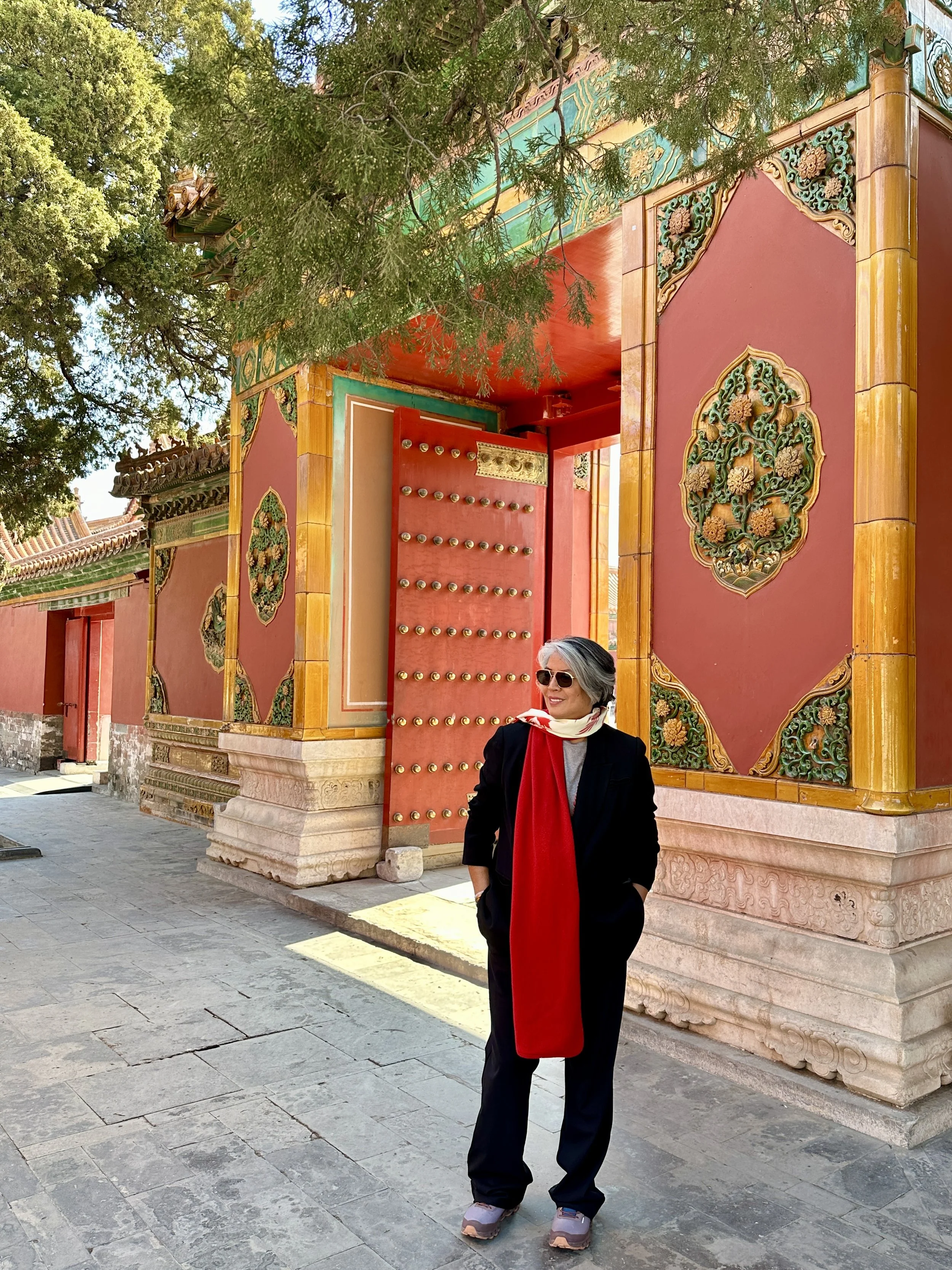
Inside, the vermilion walls and endless courtyards make it clear: this was the seat of absolute power for centuries, and it makes no attempt to soften that fact.
It was here that the whispering resumed.
“They’re asking if you’re Chinese,” Leon repeated.
That night, curiosity took over and I messaged my cousin Orville in Manila. What came back wasn’t a detail — it was a story.
Our paternal great-grandfather was a goatherd from Amoy, now Fujian Province, along China’s eastern coast. After being scolded by his parents — apparently enough to spark rebellion — he stowed away on a Chinese junk ship. It landed in Iloilo. He crossed to Negros Occidental, married a Filipina, and began a family. One of his children was Lolo Ramon.
Our surname, Totengco, followed — the “co” meaning Mister, as with many Chinese-Filipino names. His name may have been Teng To, or Tsieng To, or Cheng Chu. Migration, I learned, rarely preserves clean records.
Leon later mentioned that family registries still exist in Fujian. I made a mental note. Some journeys quietly suggest future ones.
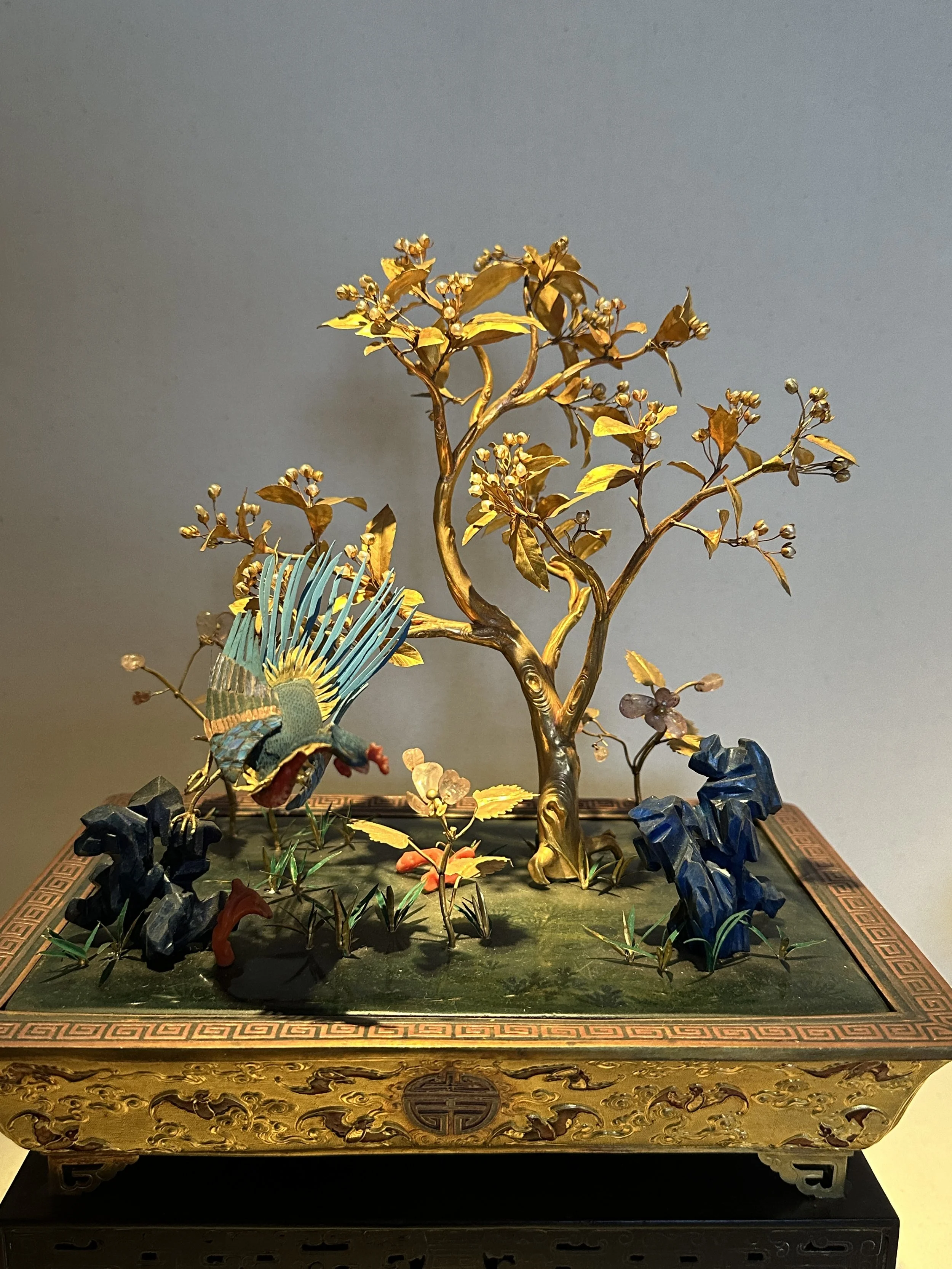
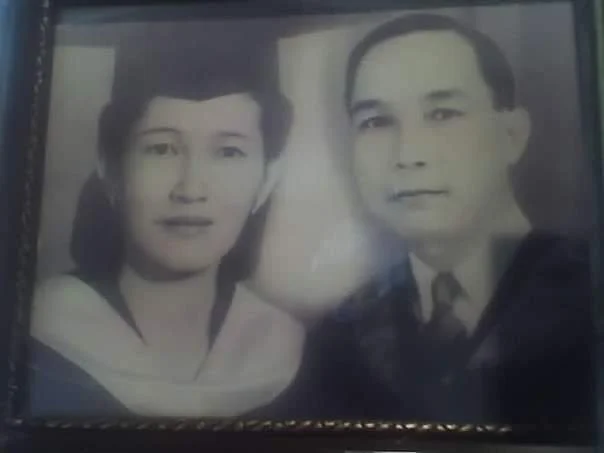
My paternal grandparents: Rufina and Ramon Totengco
Hutongs, Shopping, and Radical Honesty
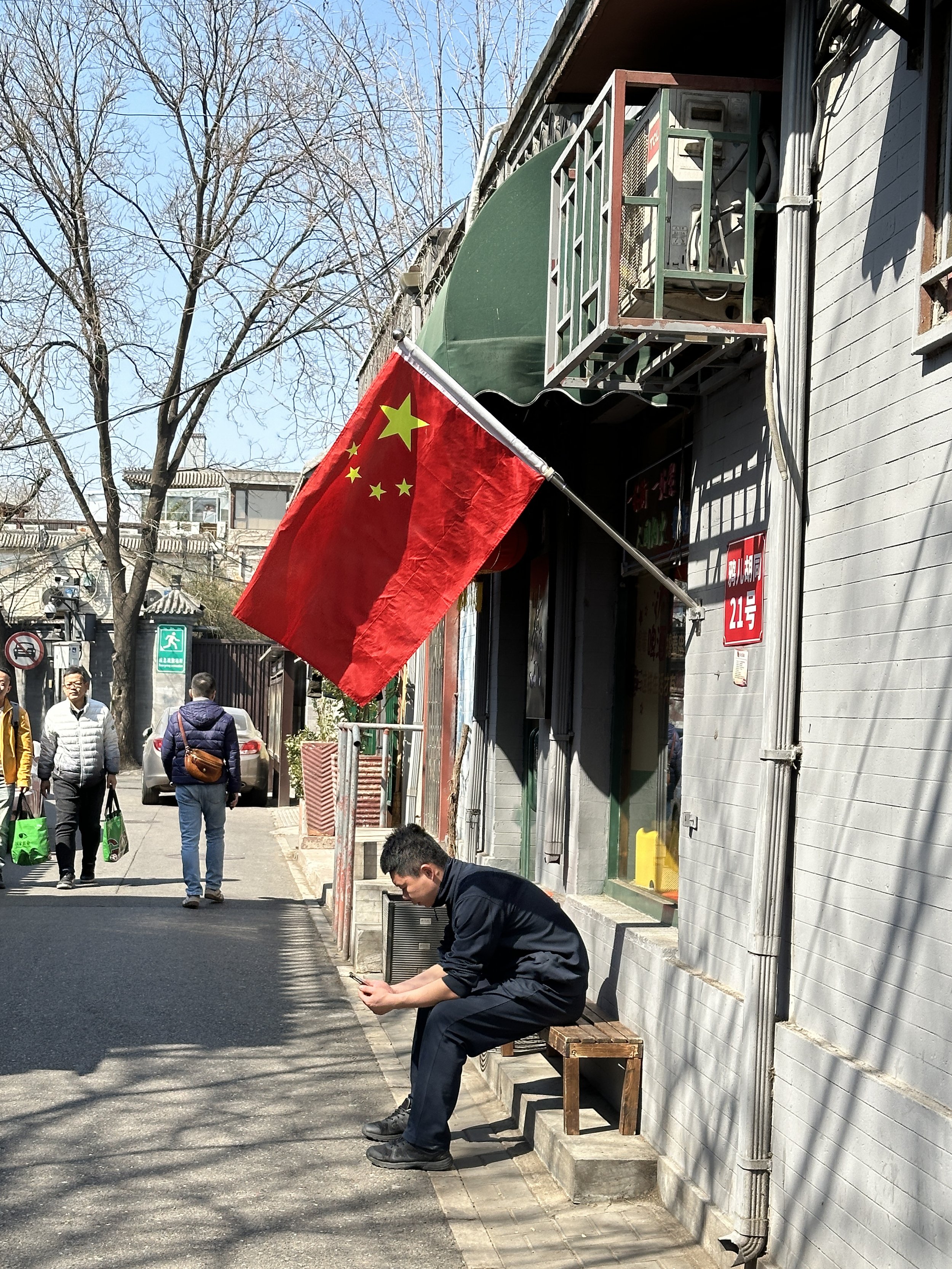
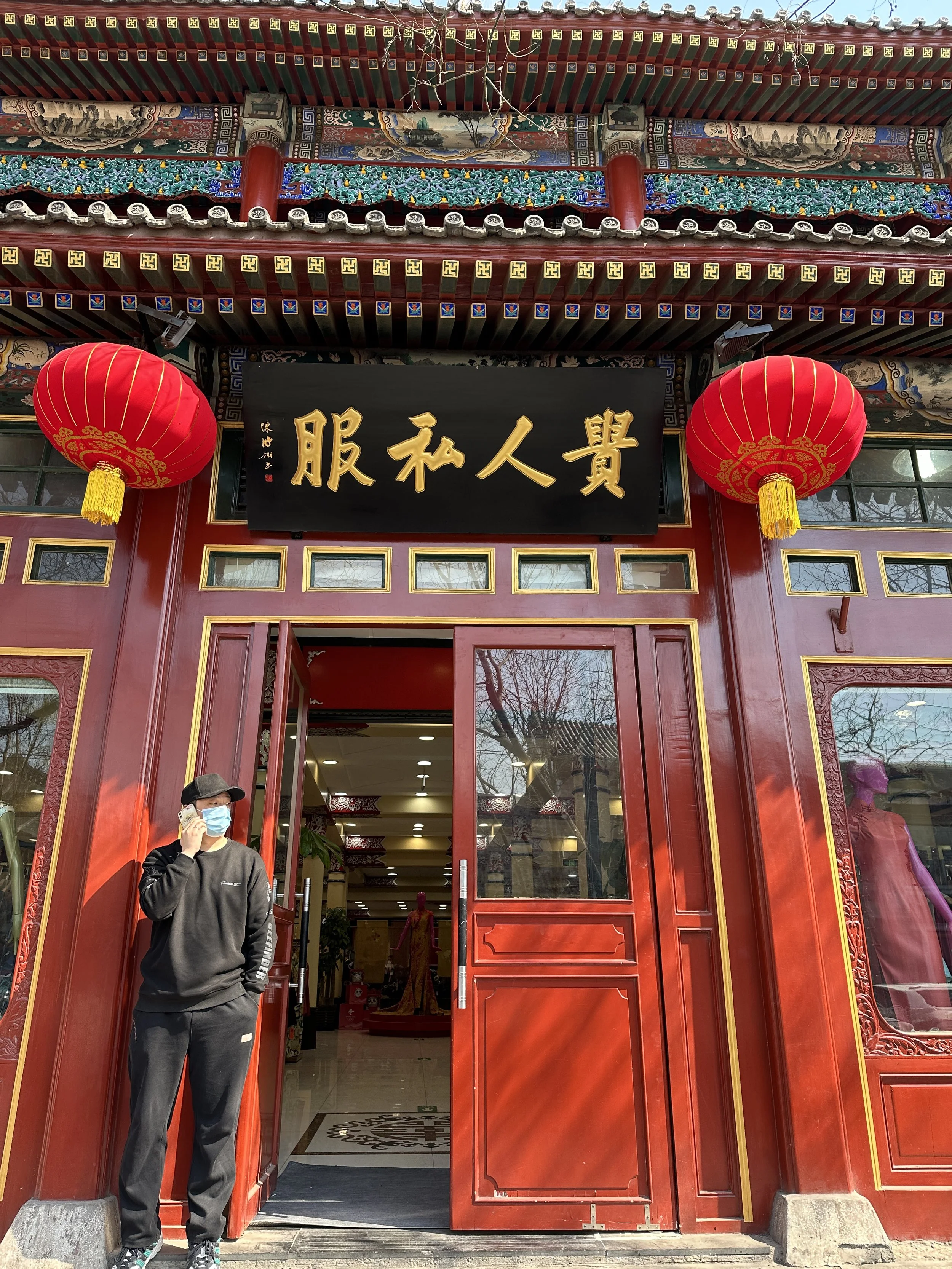
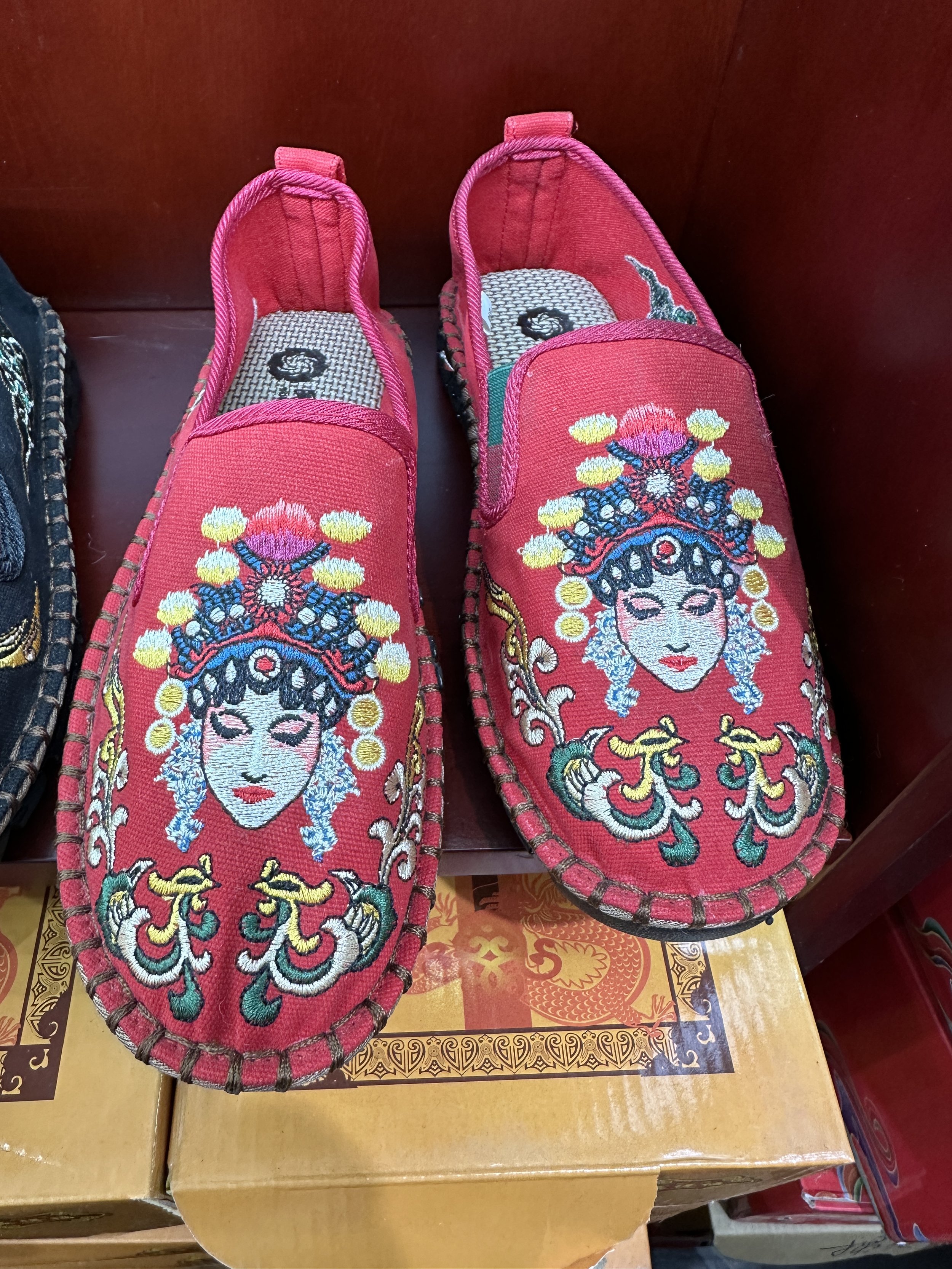
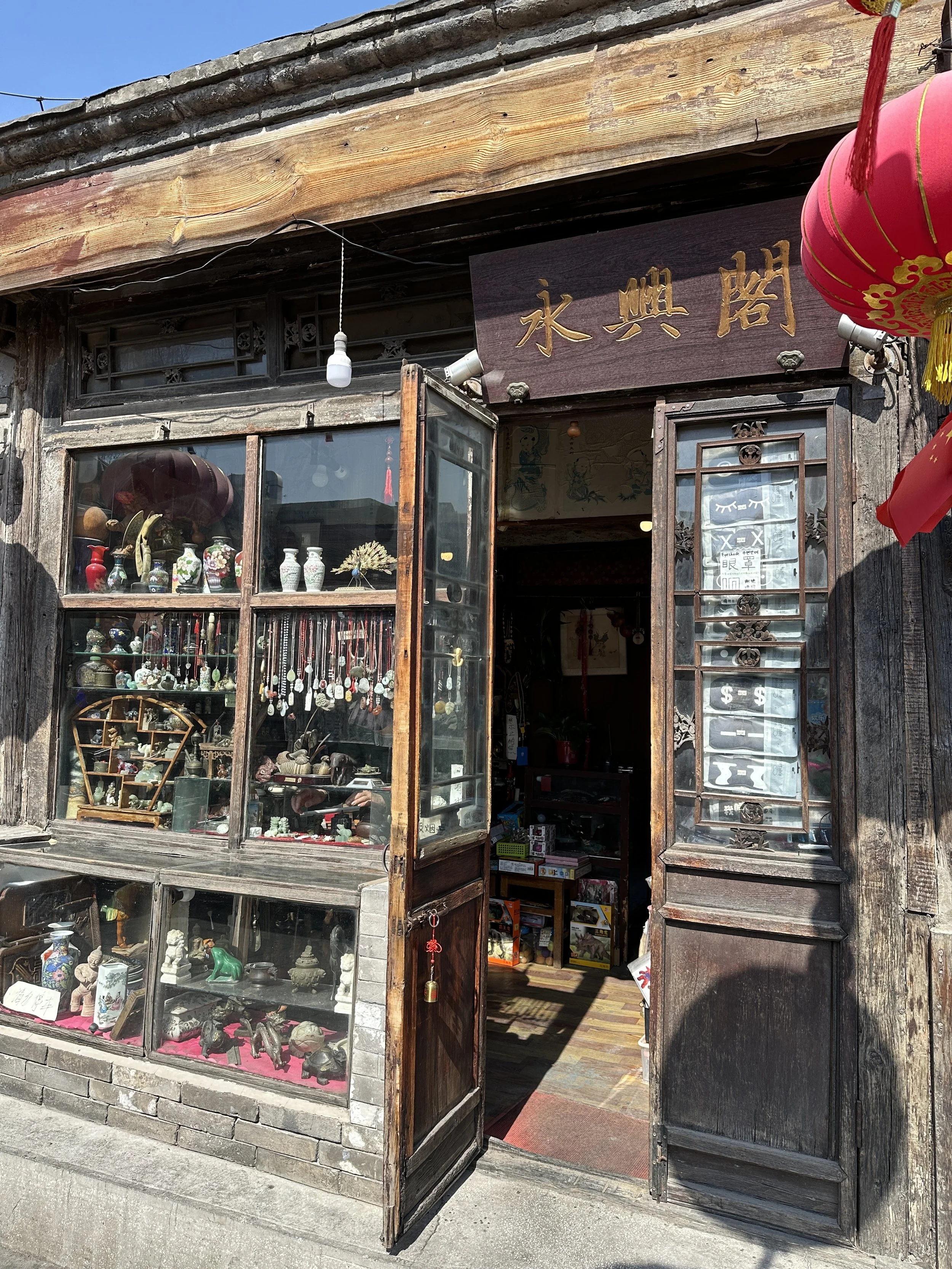
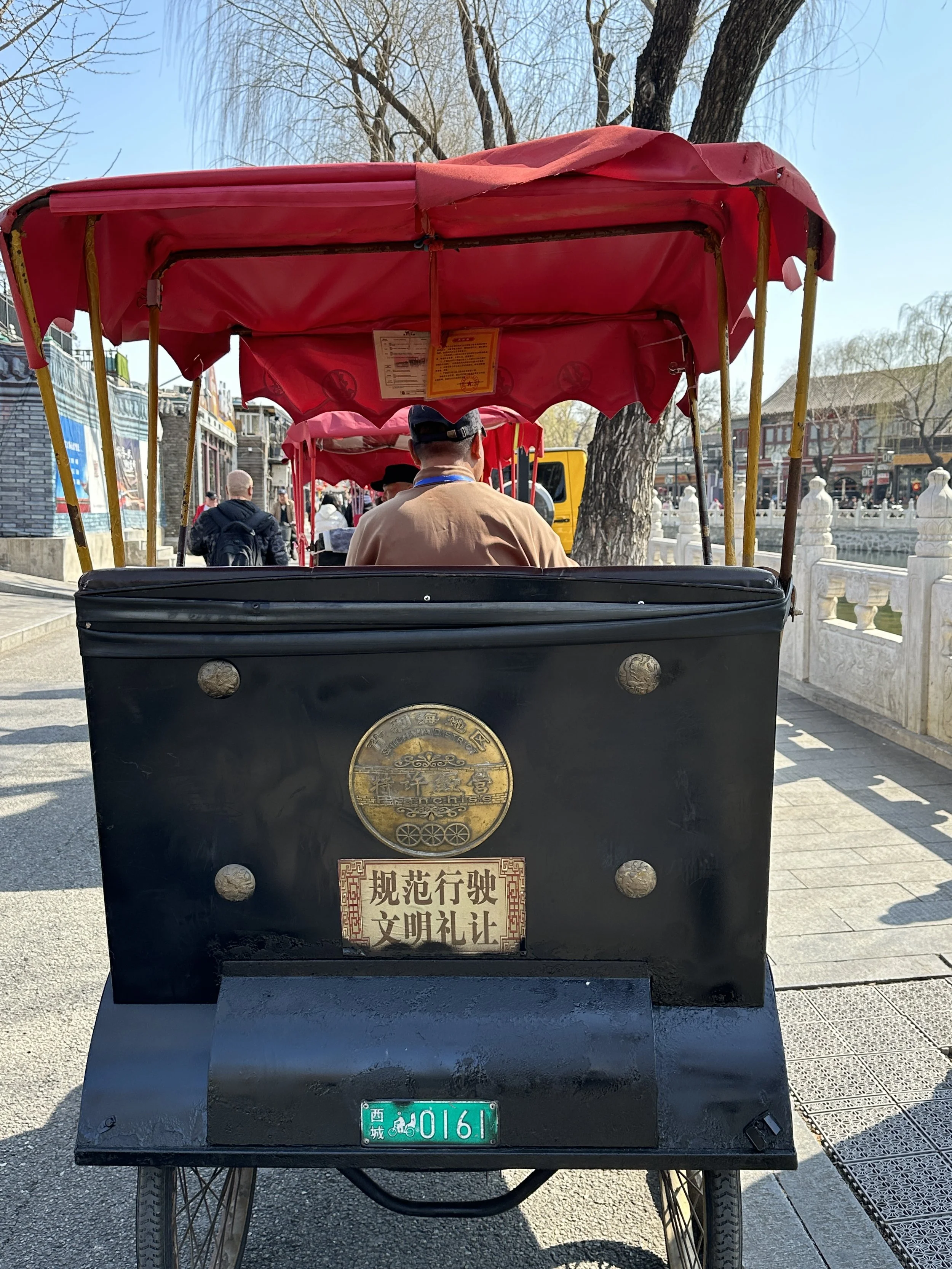
My final day unfolded in the hutongs, Beijing’s old alleyways where life returns to human scale. Courtyards. Cafés. Small boutiques selling things you didn’t know you wanted until suddenly you do.
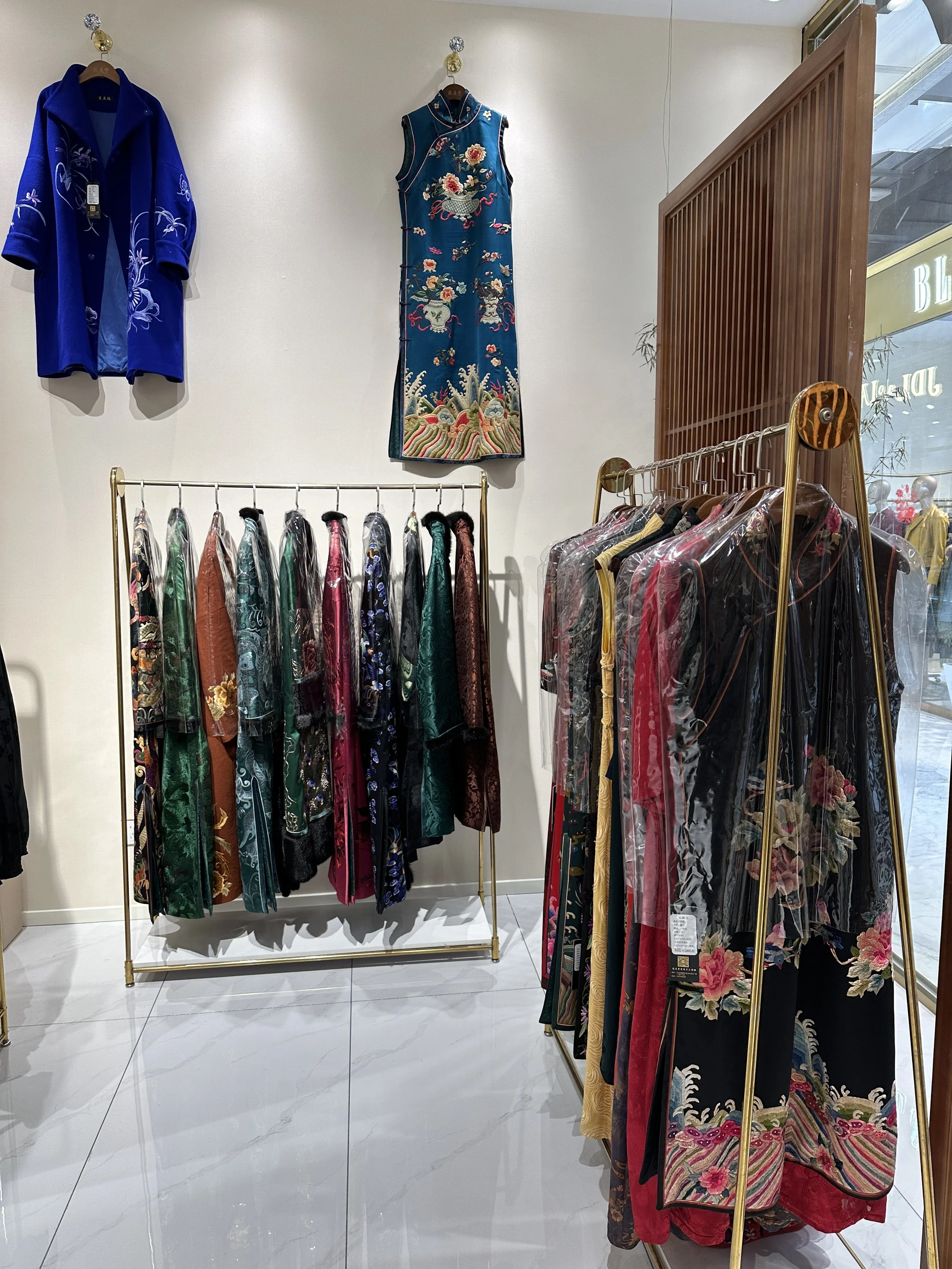
I wandered into an upscale shop specializing in traditional winter jackets — rich silks, architectural cuts, restrained palettes. Black. Minimal. Elegant. Entirely my aesthetic.
I tried on everything.
Nothing fit.
There was whispering again.
I asked Leon to translate.
“They’re saying… you’re too fat.”
For context: I wear a size Large. In China, this apparently places me in the category of aspirational self-editing.
We laughed — because honestly, what else can you do?
And then redemption arrived: a black silk winter jacket, beautifully cut, quietly dramatic. It fit. I bought it immediately. Cultural recalibration, purchased and worn.
“In China, my size L is considered fat. I left with a jacket anyway.”
A Final Lunch, All in White
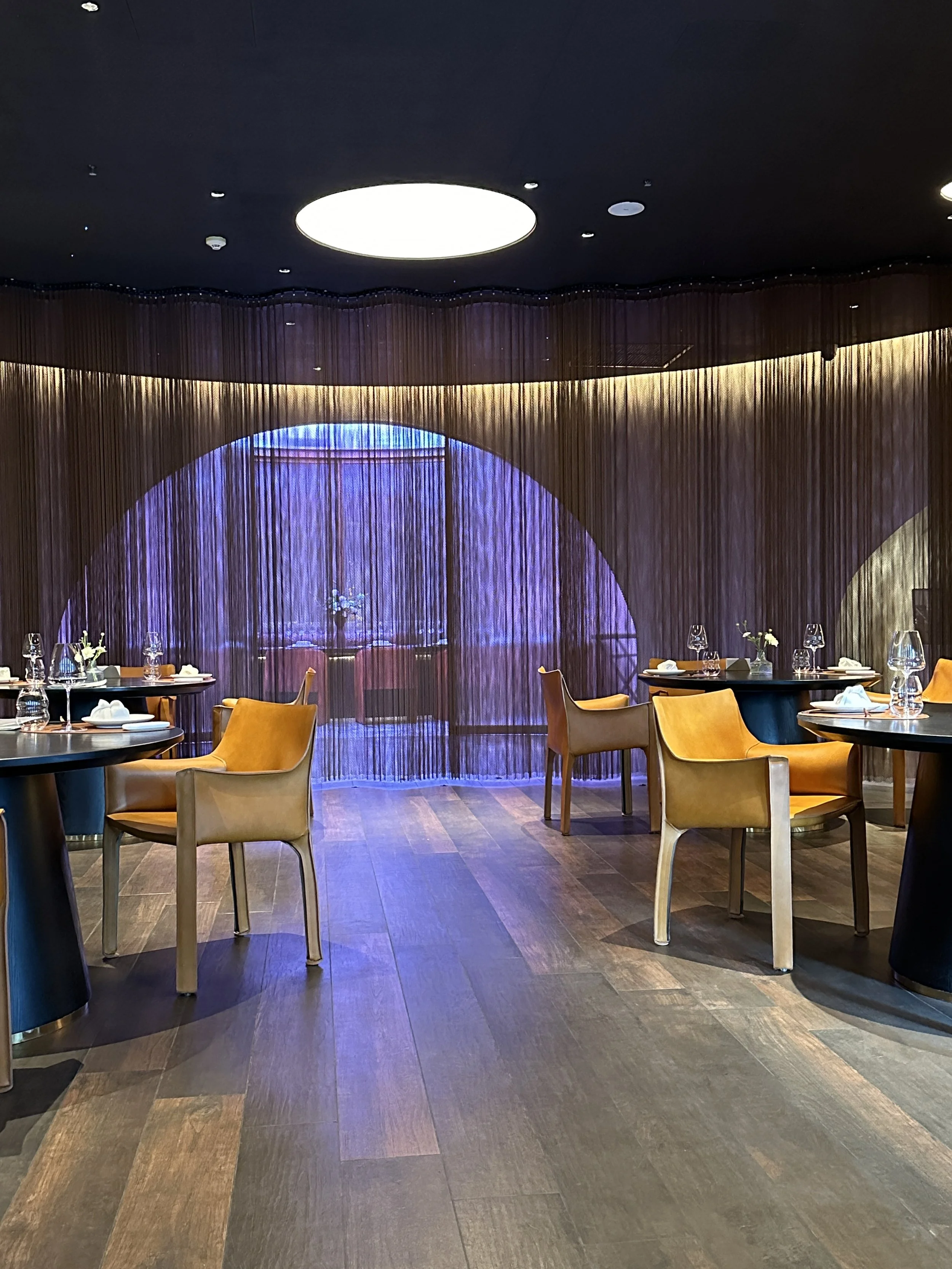
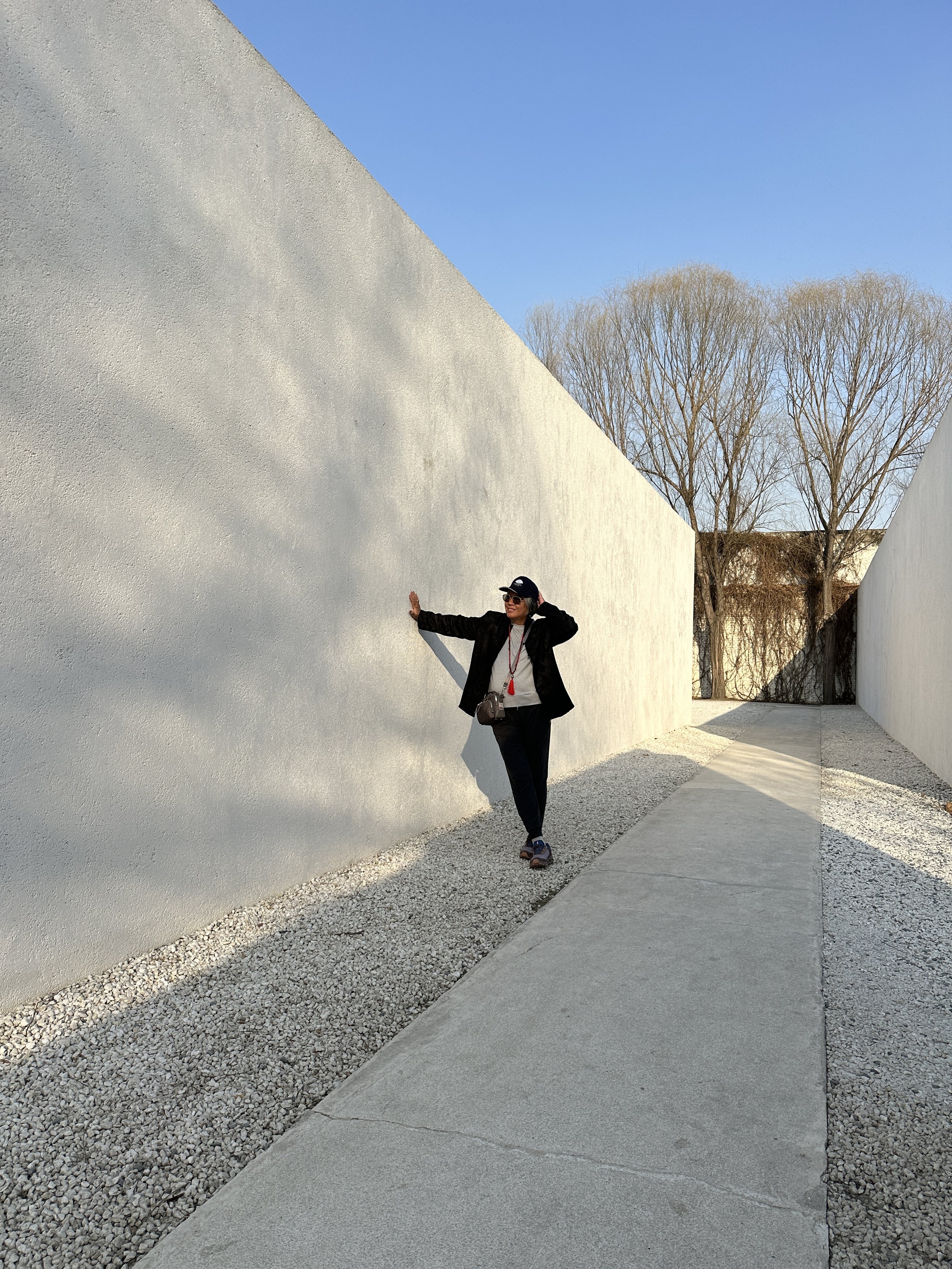
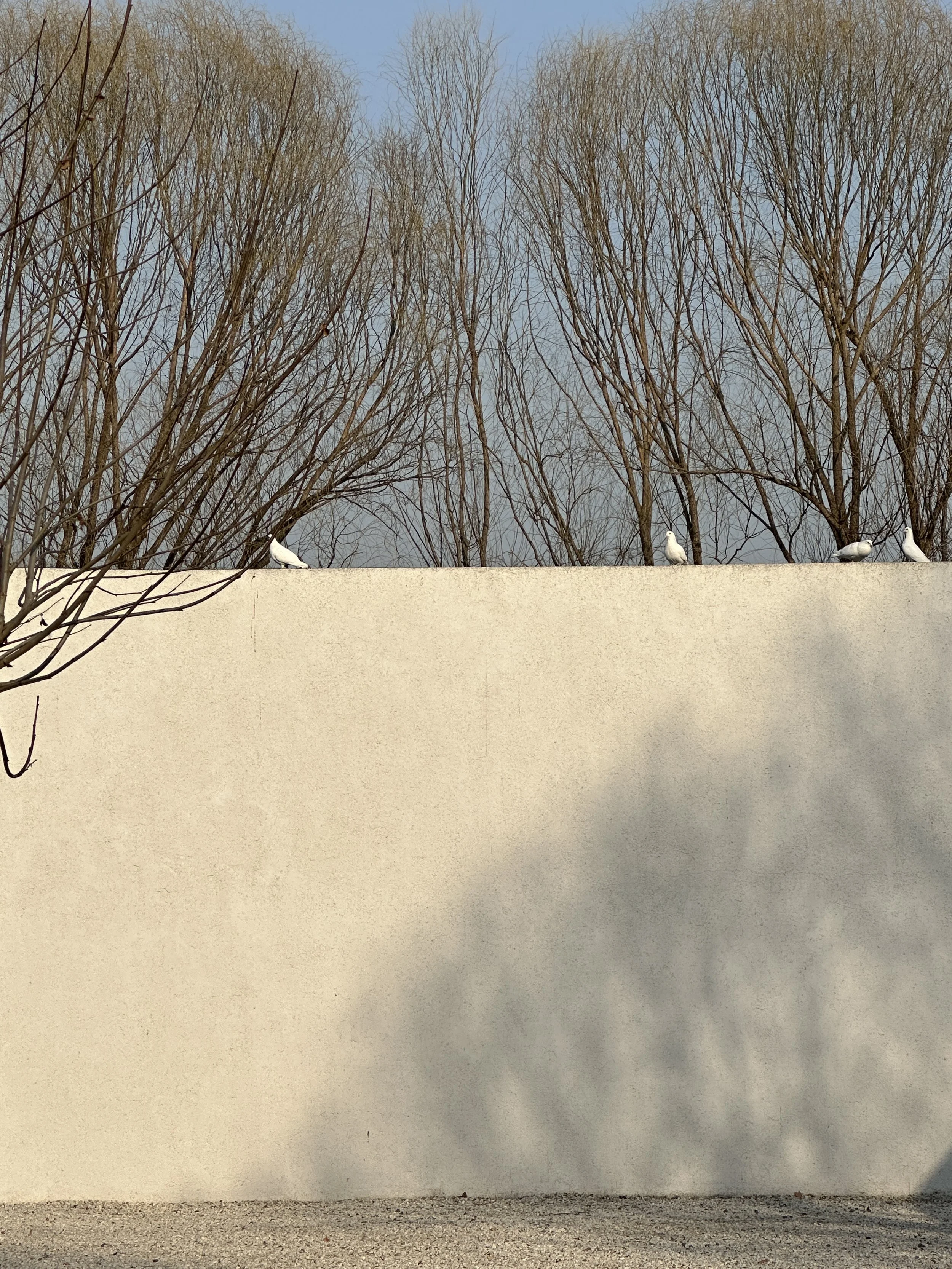
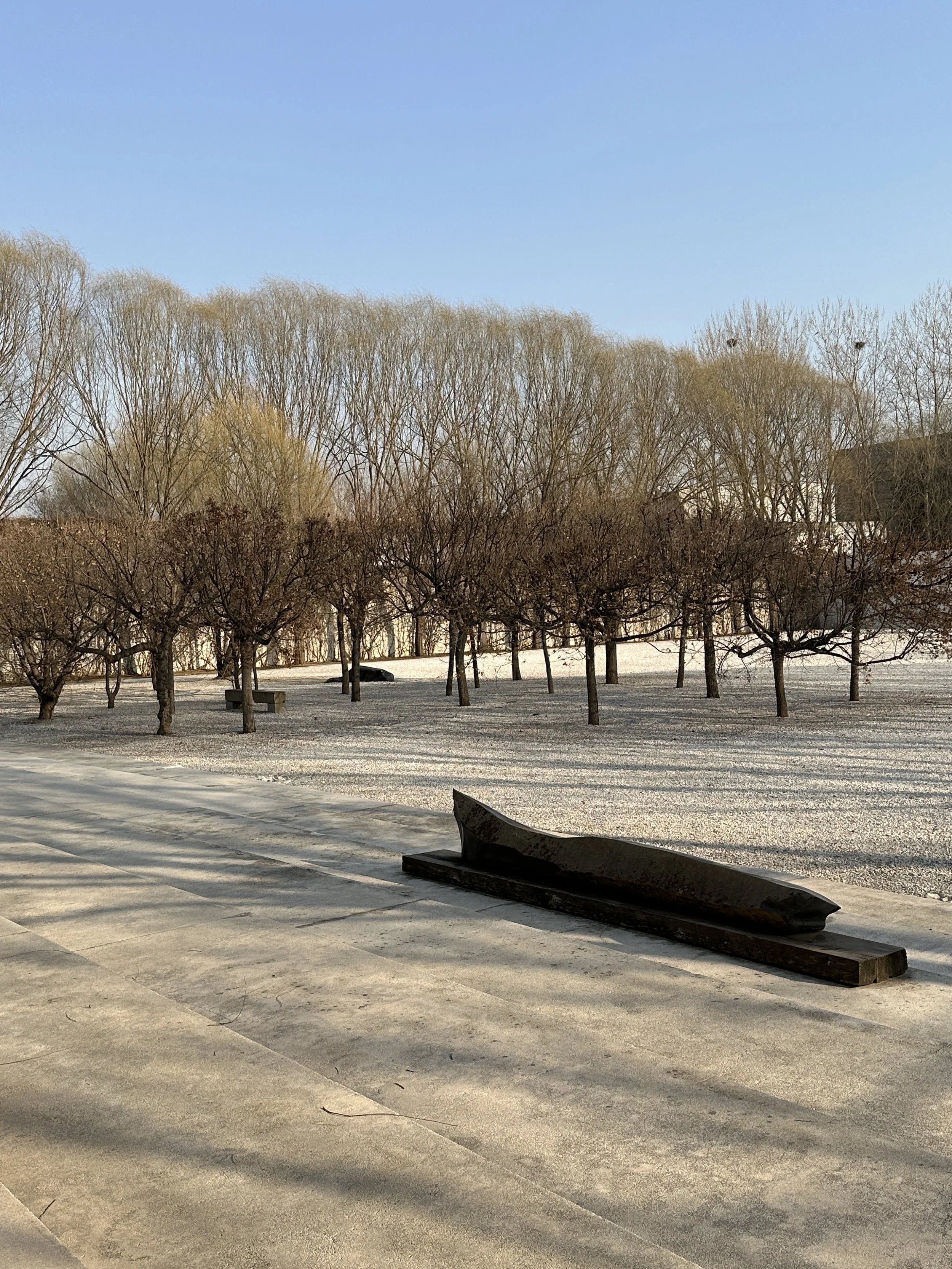
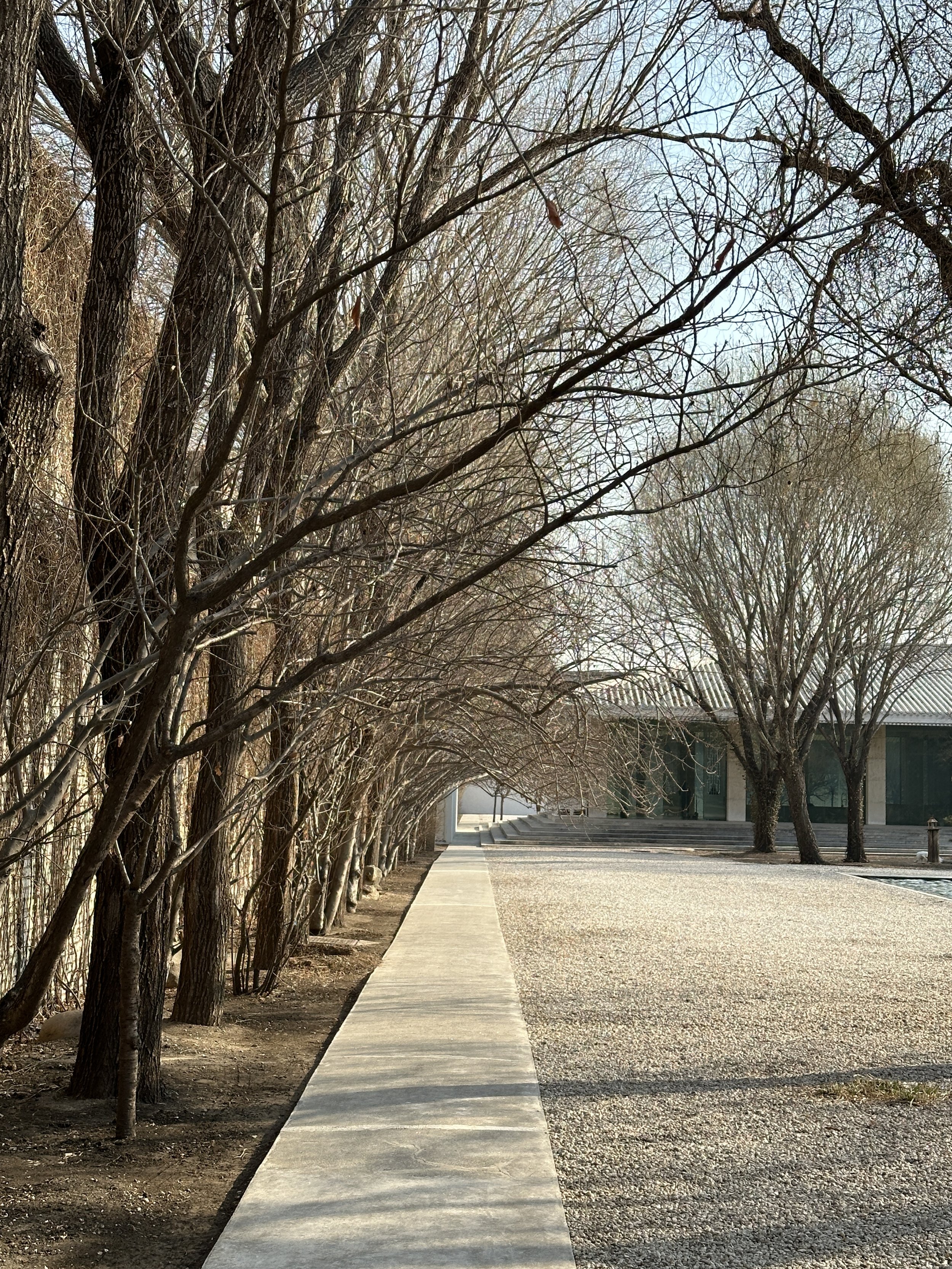
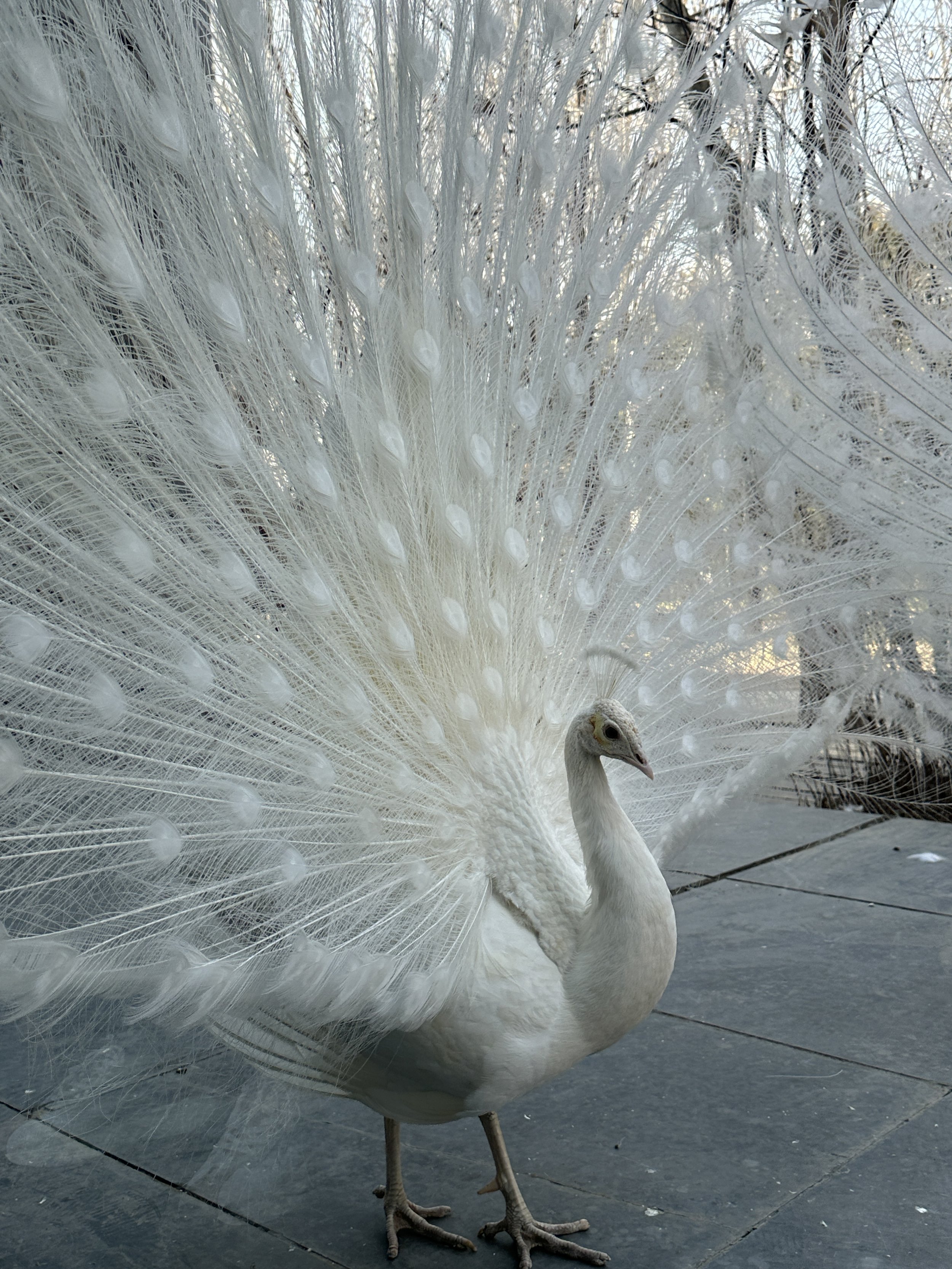
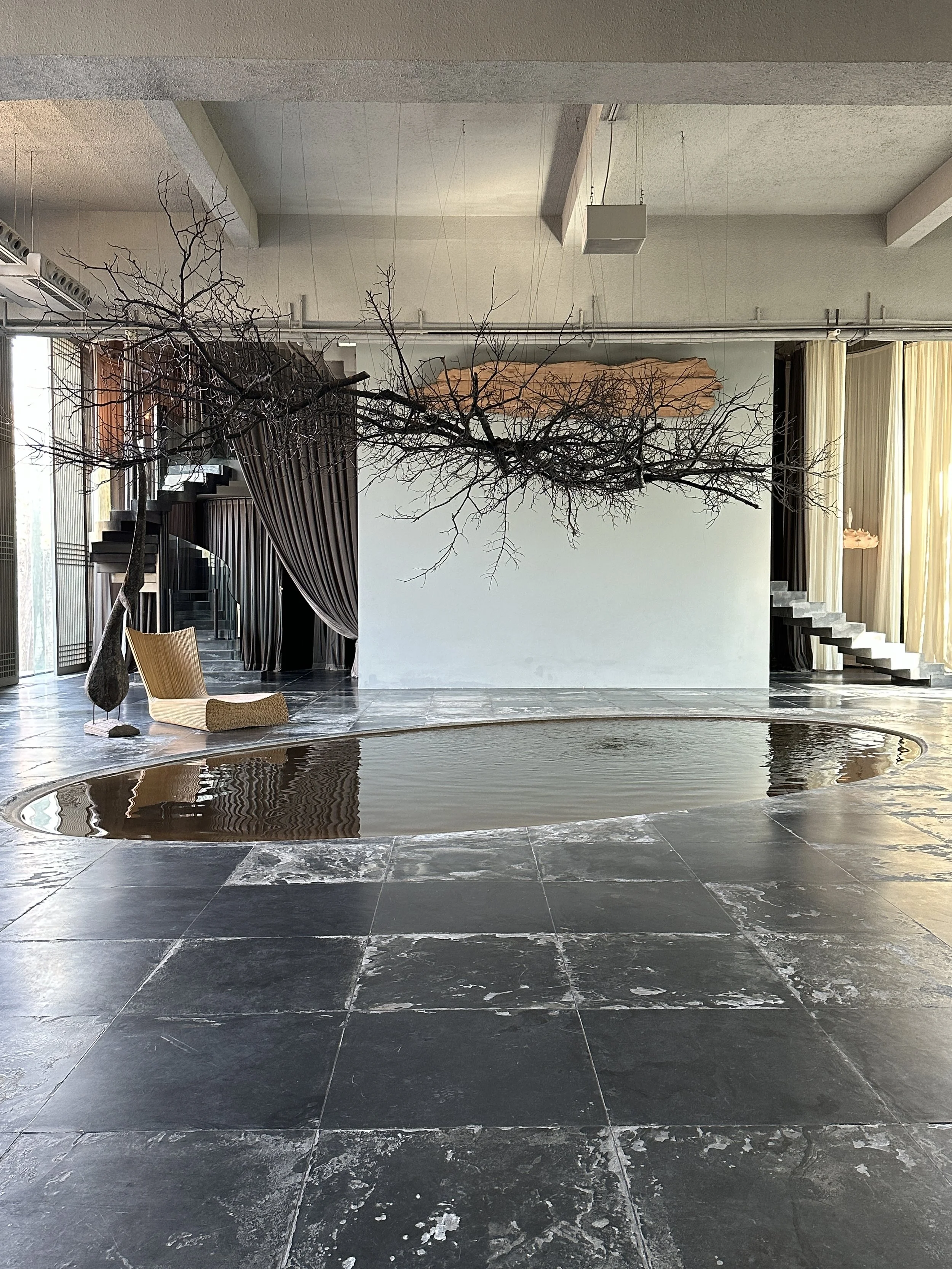
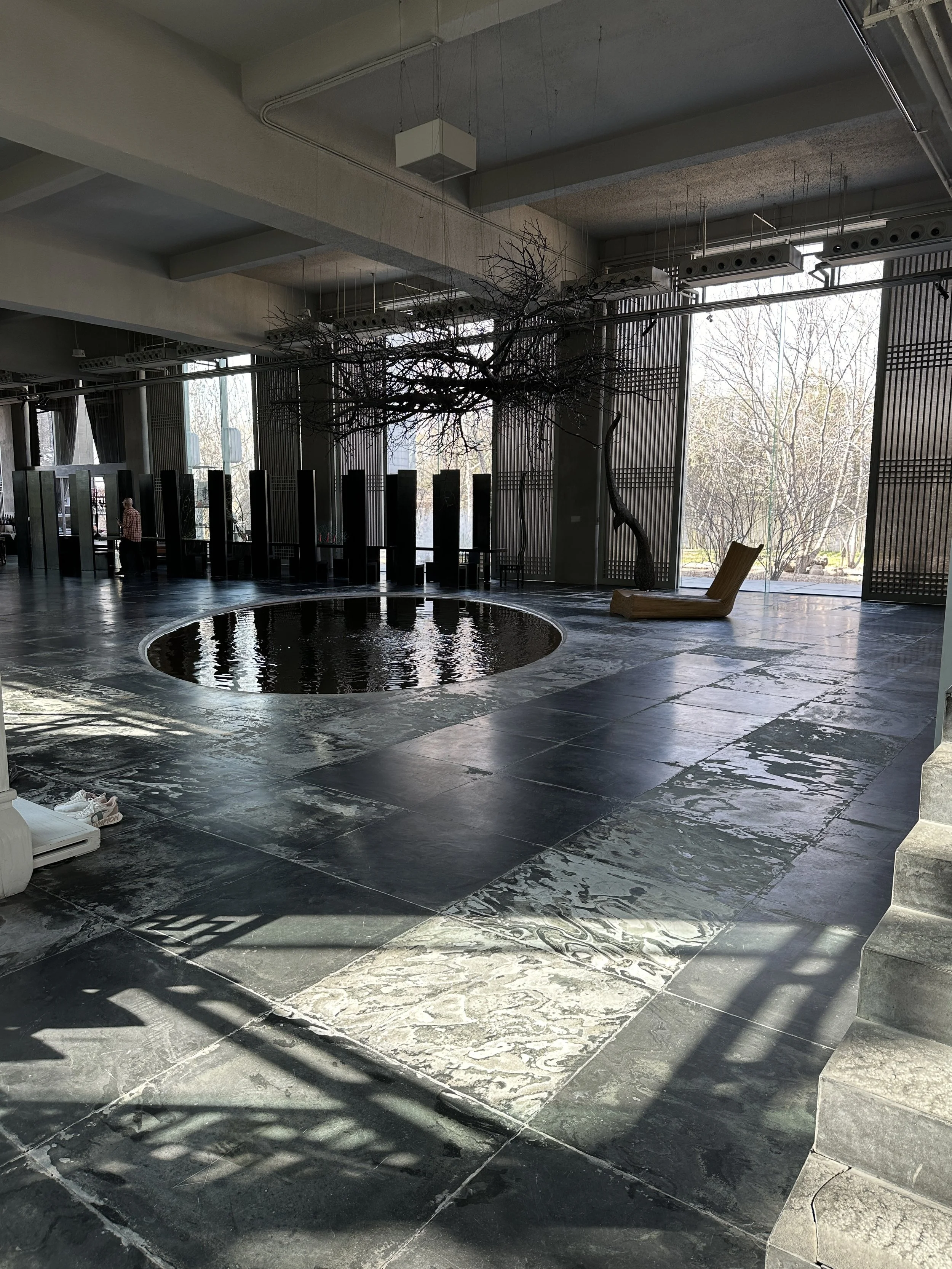
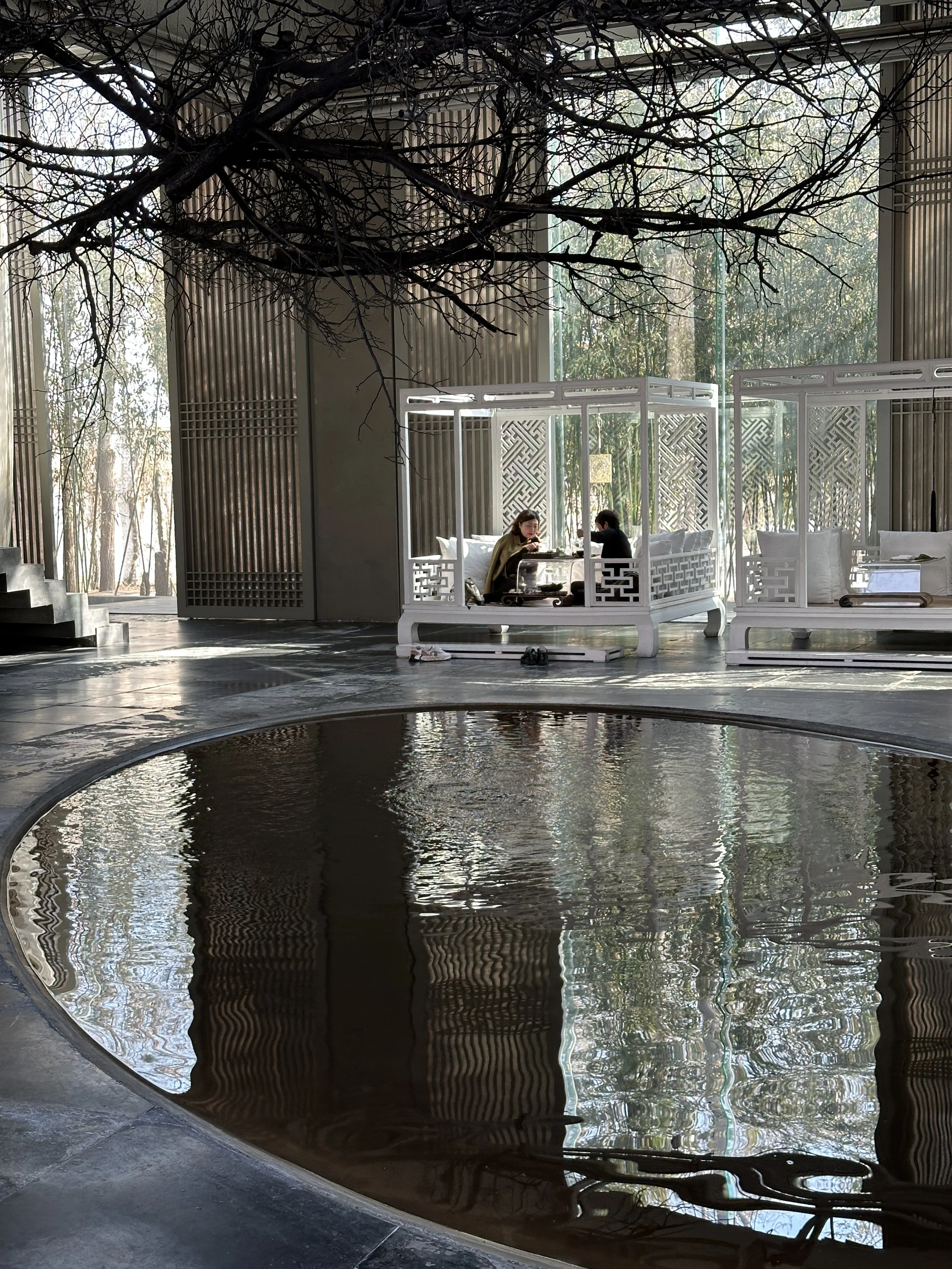
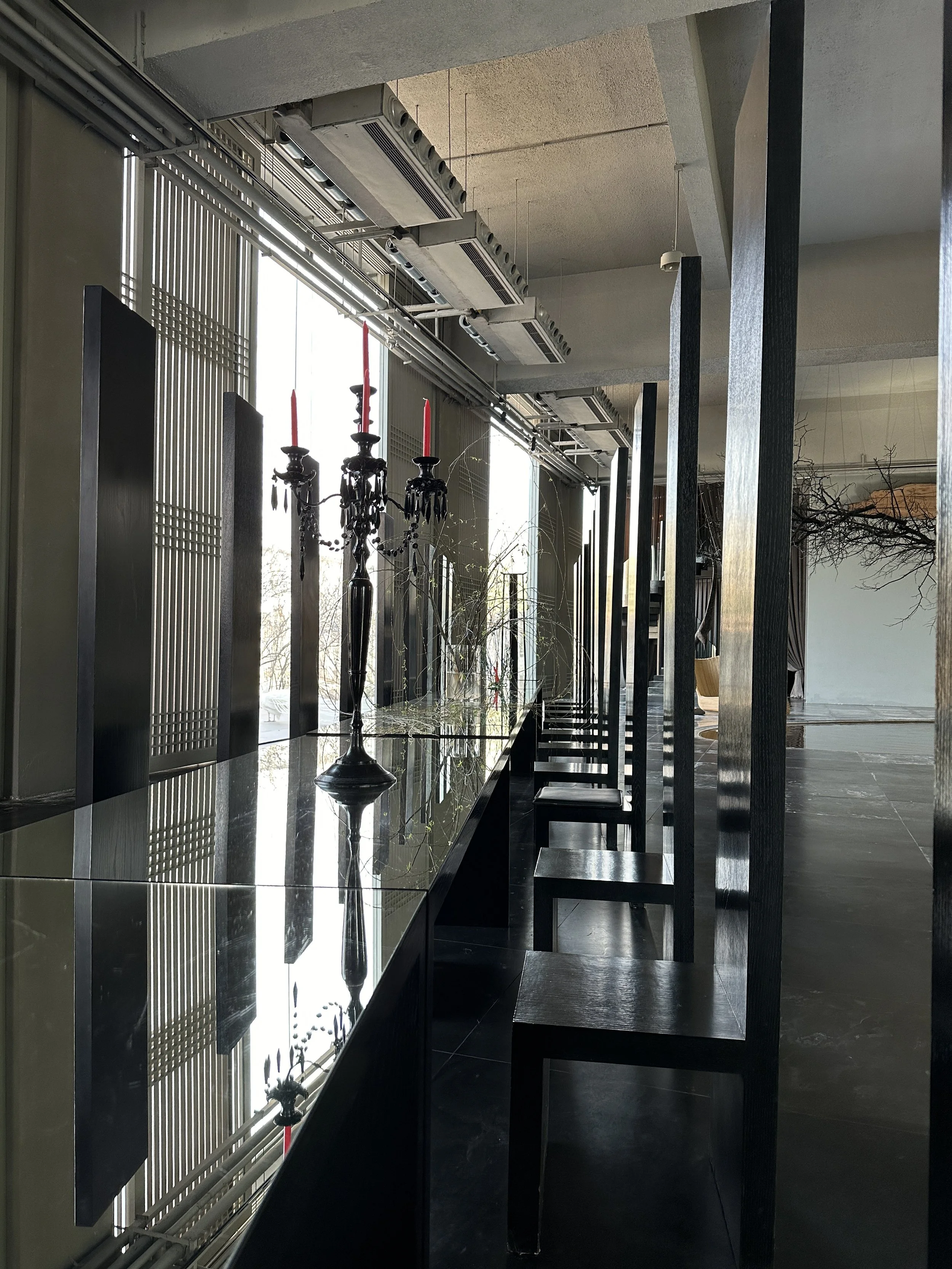
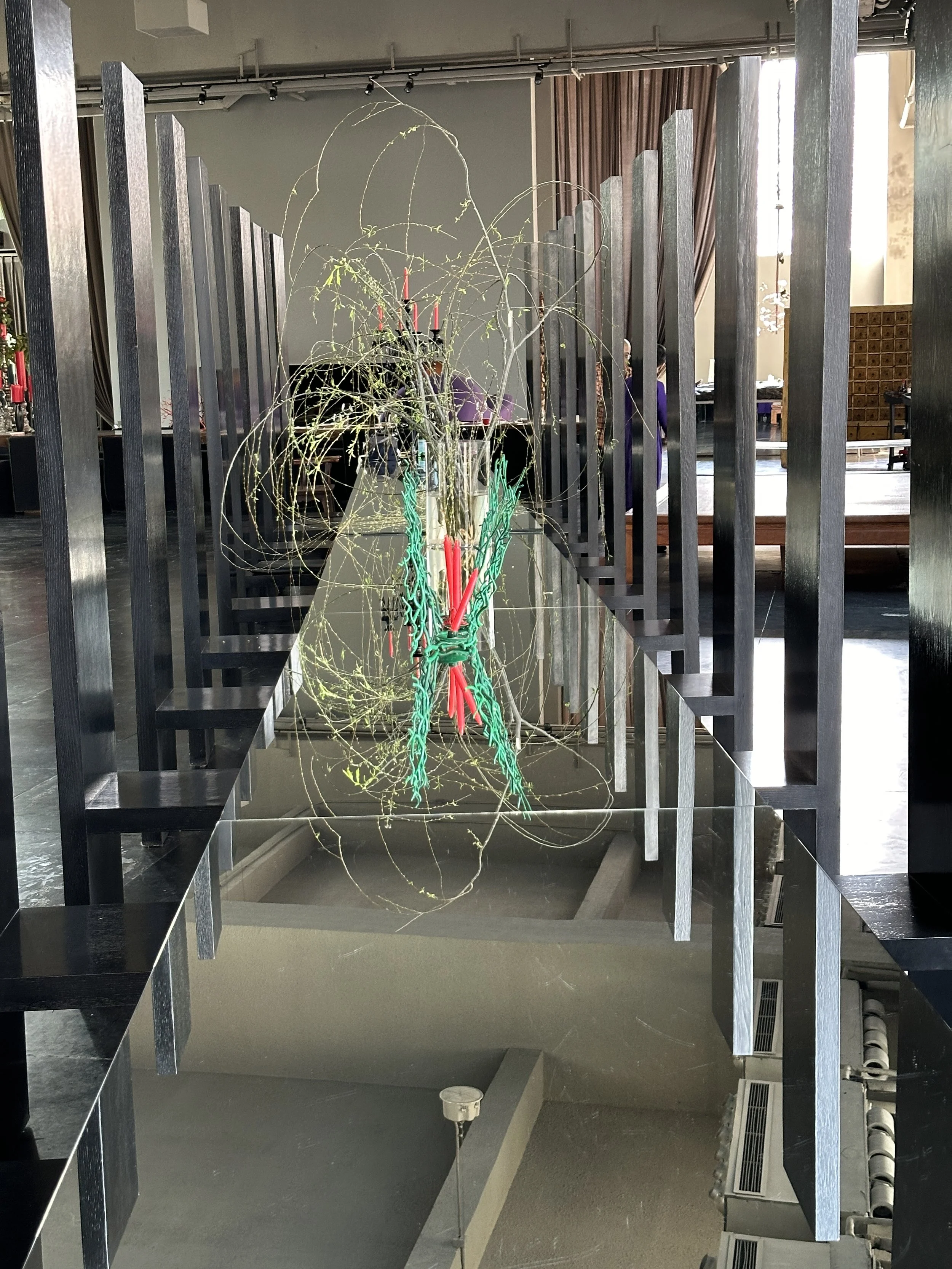
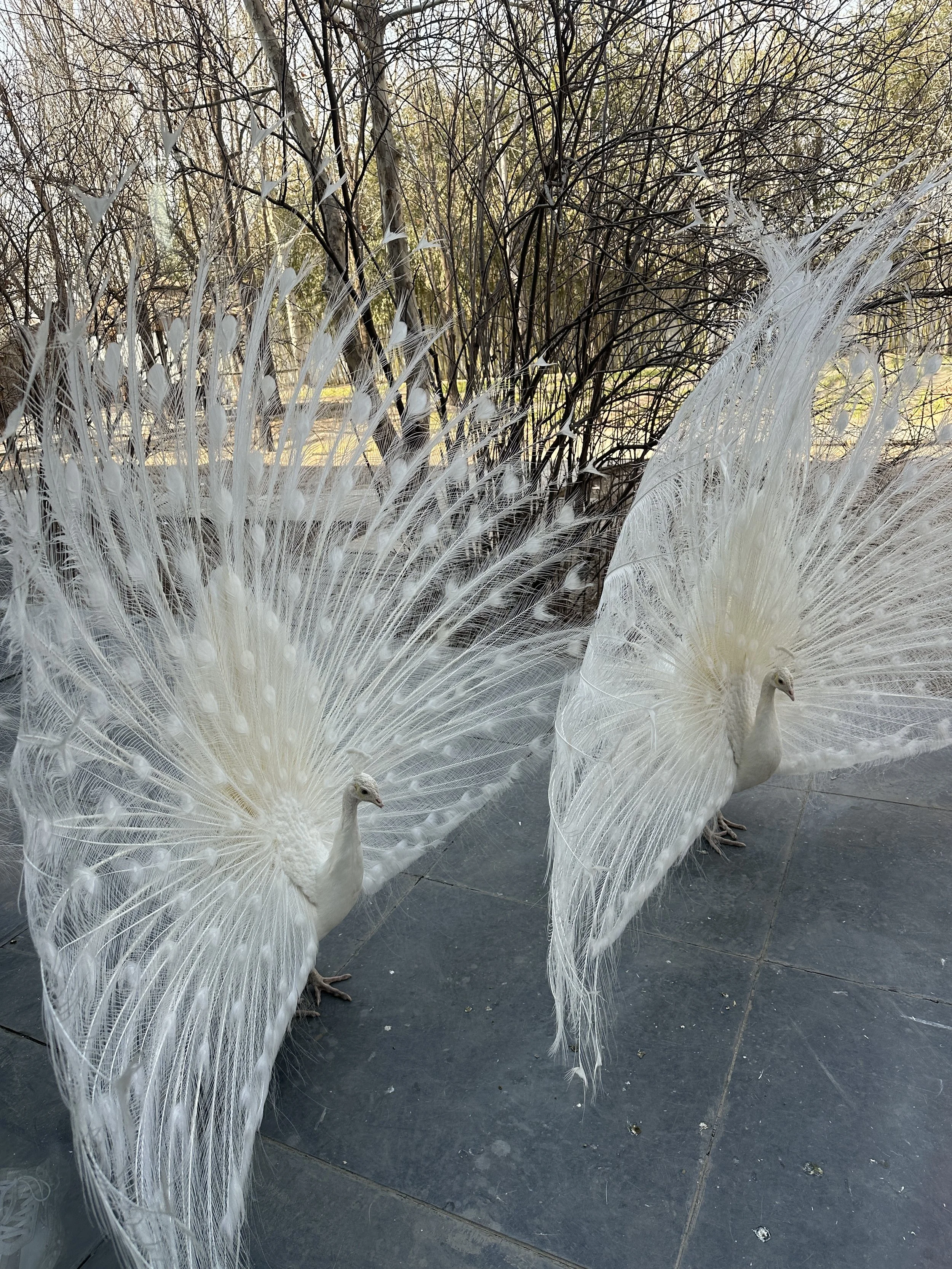
My last lunch in Beijing was a tasting menu at a restaurant so white, modern, and conceptual it felt unreal. White walls. White tables. White peacocks wandering freely through the space as if this were completely normal.
As course after course arrived — restrained, precise, theatrical — I kept thinking of The Cook, the Thief, His Wife & Her Lover. Or Blade Runner. It felt less like a restaurant and more like a film set waiting for something ominous to happen.
Nothing did.
Except that it became one of the meals I’ll remember most.
Offline, On Purpose
One unexpected gift of Beijing: enforced digital restraint. Google didn’t work. Instagram didn’t work. WhatsApp didn’t work.
I installed WeChat to communicate with Leon and AliPay because China is effectively cashless. Once that was done, I stopped reaching for my phone.
No scrolling. No checking. Just being present.
It turned into an accidental digital detox weekend — and I didn’t miss the noise at all.
Leaving Beijing
As we drove to the airport, I thought about whispers — the ones in the Forbidden City, the ones in shops, the ones passed down through generations.
Beijing didn’t just show me palaces and walls. It offered perspective — cultural, personal, occasionally uncomfortable, and deeply grounding.
Three nights was just enough to know this wasn’t a one-time visit.
Next time, I might go looking for Fujian.