
Italy, with a few surprises
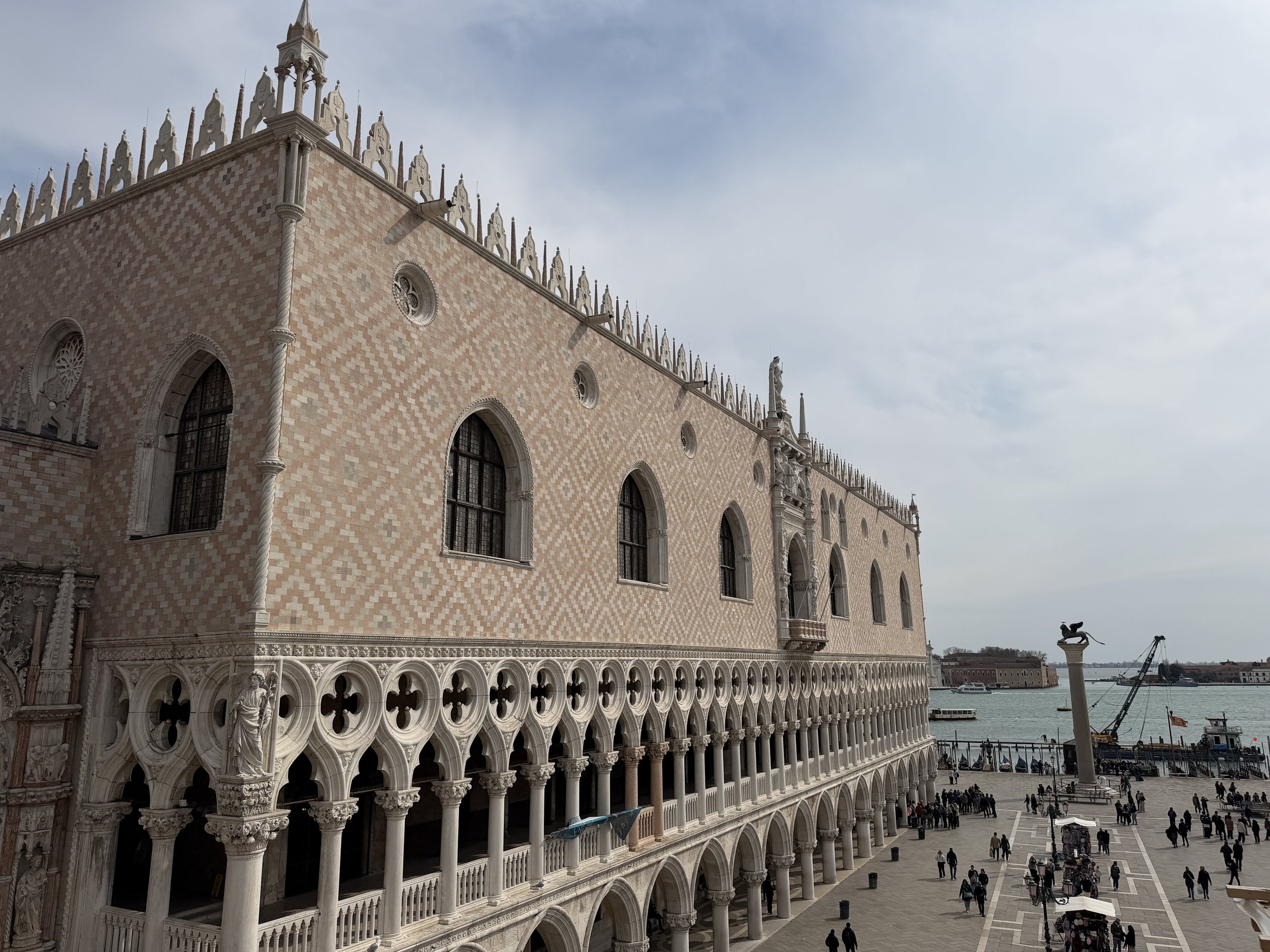
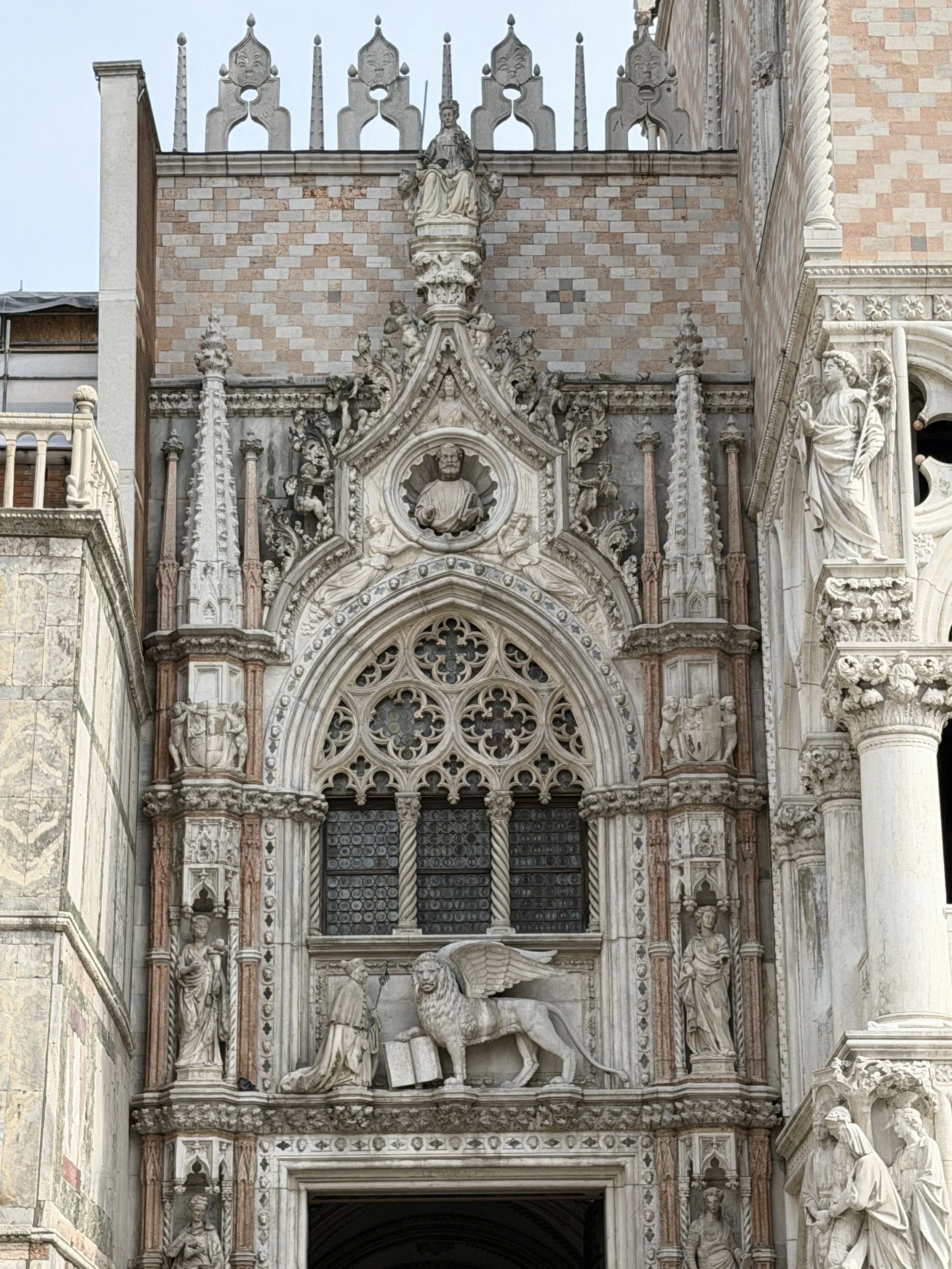
Doges Palace, Venice
There are places in Italy that feel less like destinations and more like old love affairs. Venice is one of them. Florence too. You think you know them—or at least the version you once met—and then they quietly reveal something new.
I hadn’t been back to Florence in quite some time, and I had never been to Viareggio at all, so when an invitation came from Lush Experiences to join a six-night familiarization trip ahead of DUCO Milan, I said yes almost immediately. Venice, Florence, and the Tuscan coast before Milan? Not exactly a hard sell.
What made the journey memorable, though, wasn’t just the beauty—or even the hotels and meals, though there were plenty of both. It was the return of firsts.
That, to me, is the real luxury in travel.
Even in places I know well, I’m always chasing that small spark of discovery—the detail I missed before, the room that stops me, the meal that becomes the one everyone talks about later. This trip delivered exactly that.
Venice: Familiar, but Never Finished
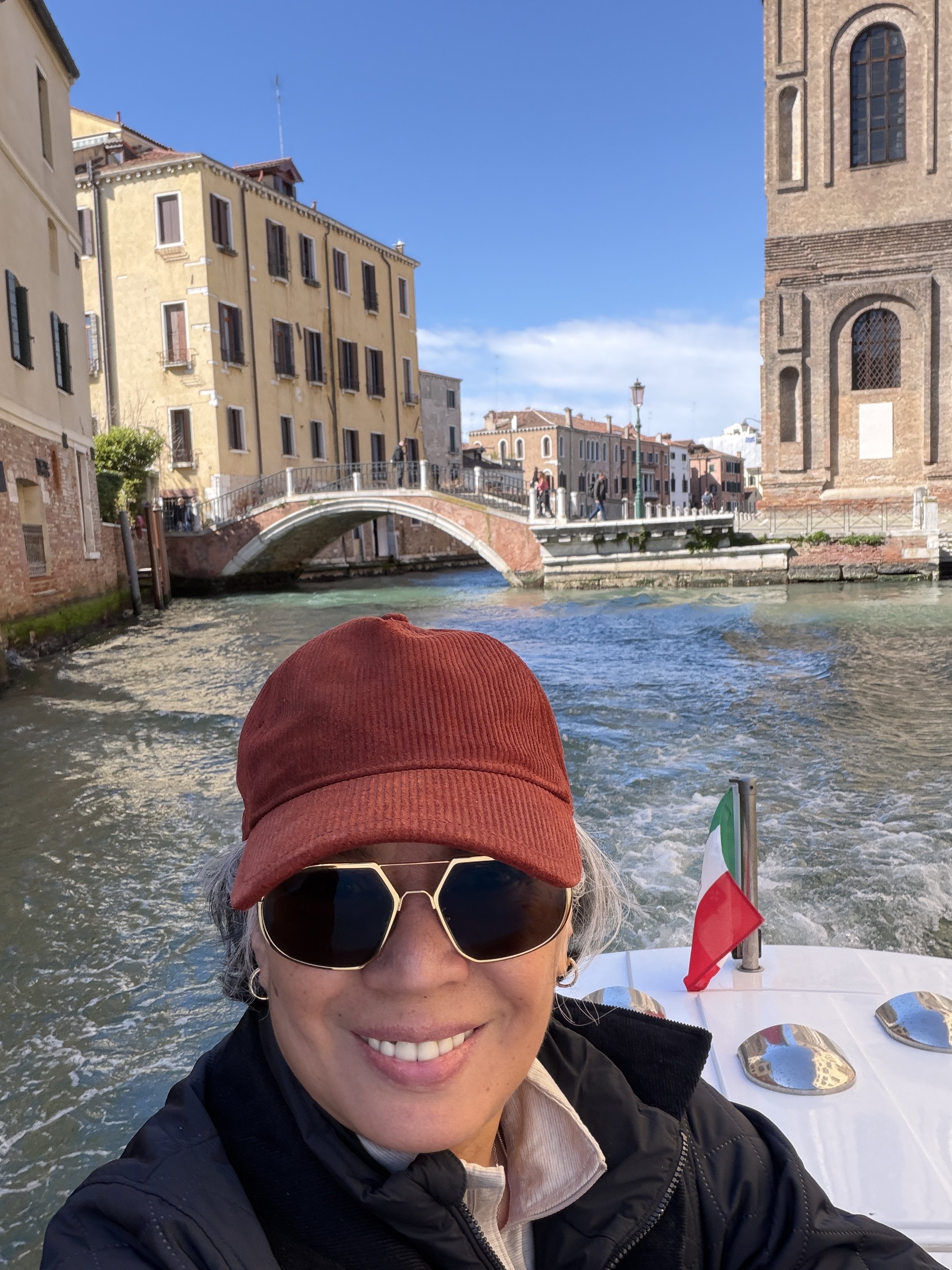
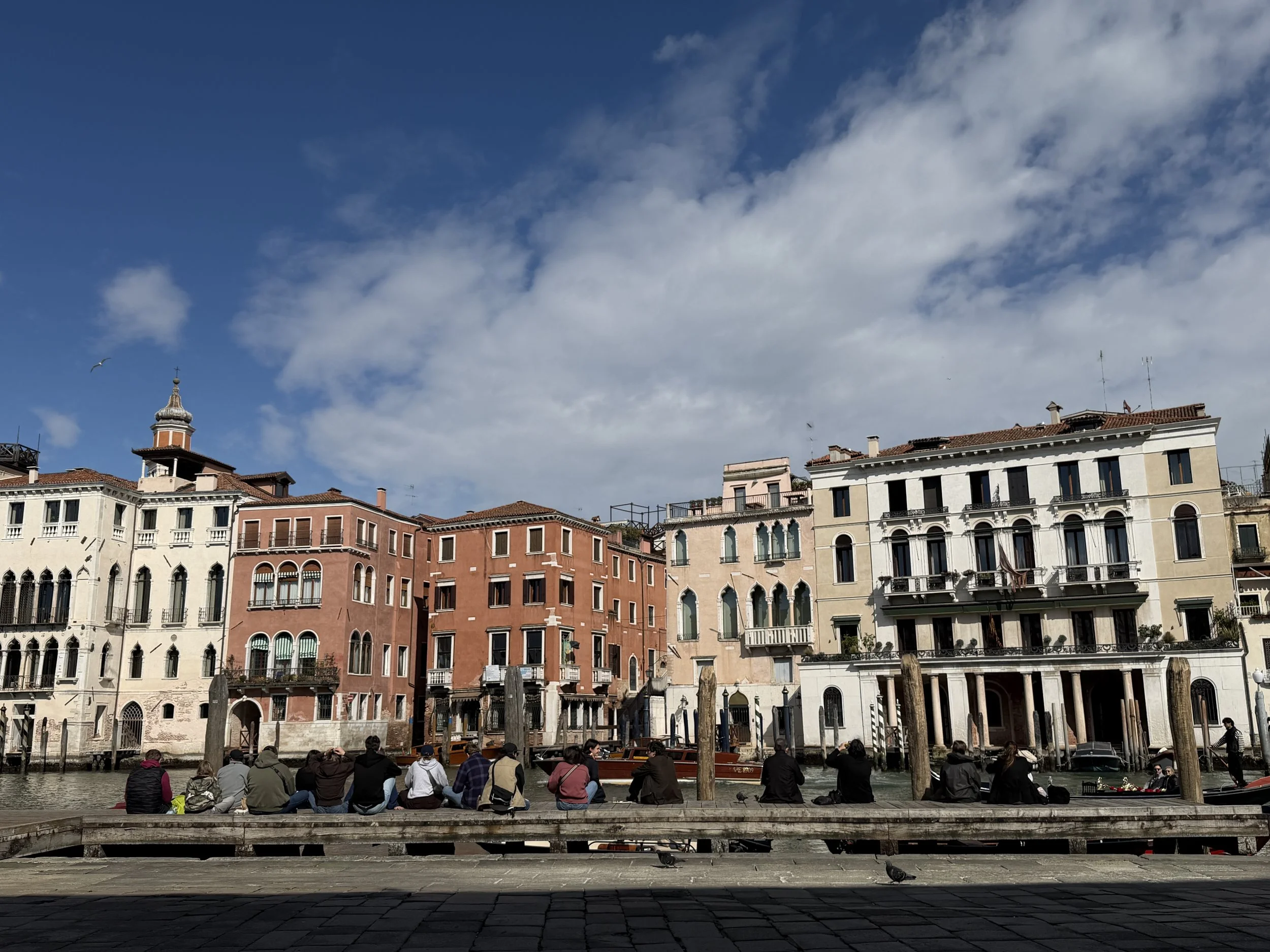
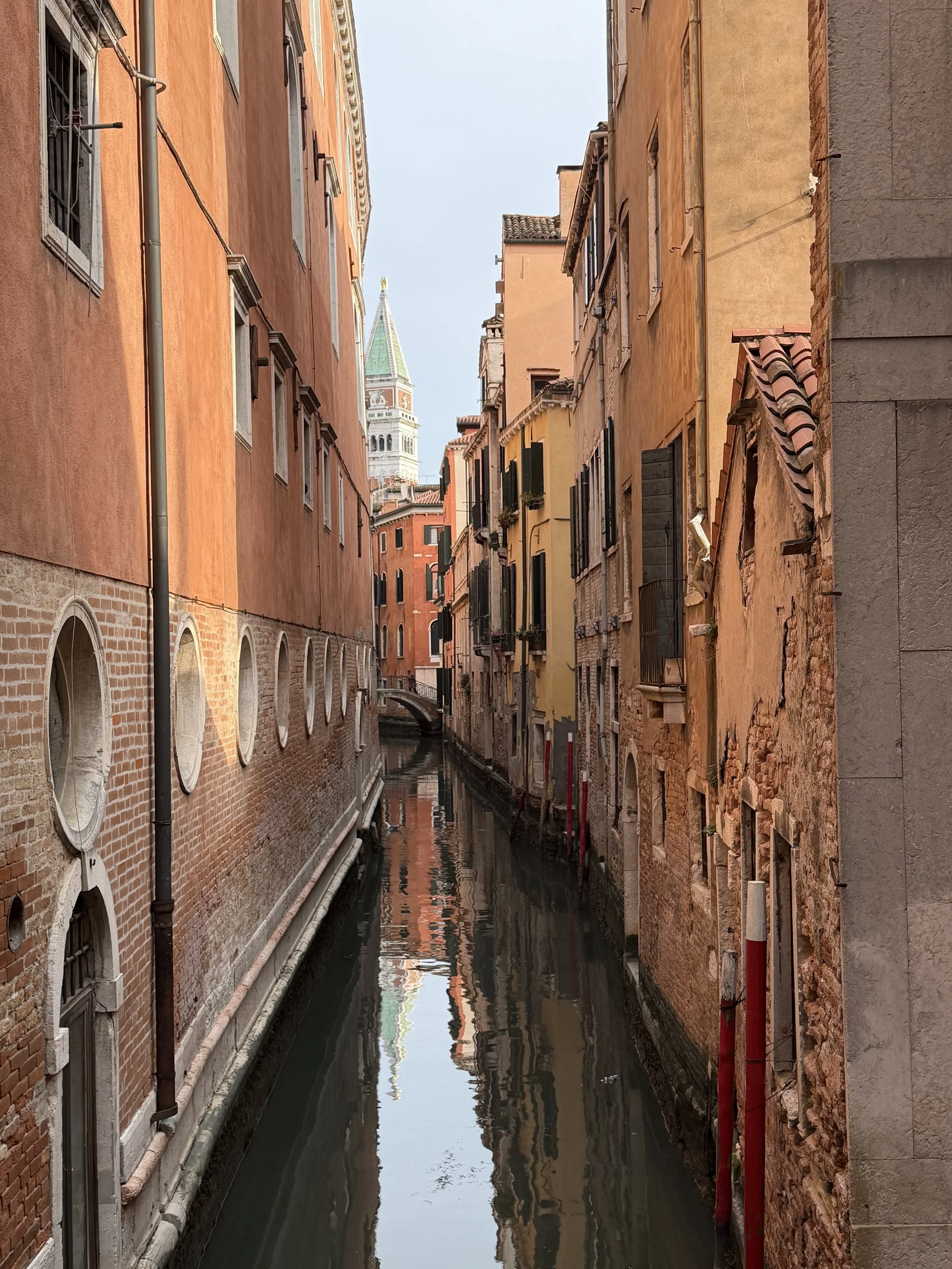
Venice is a city I never tire of. Every arrival still feels cinematic—the light on the water, the slight disorientation, the sense that nothing here follows the usual rules.
And yet, this time, Venice still gave me firsts.
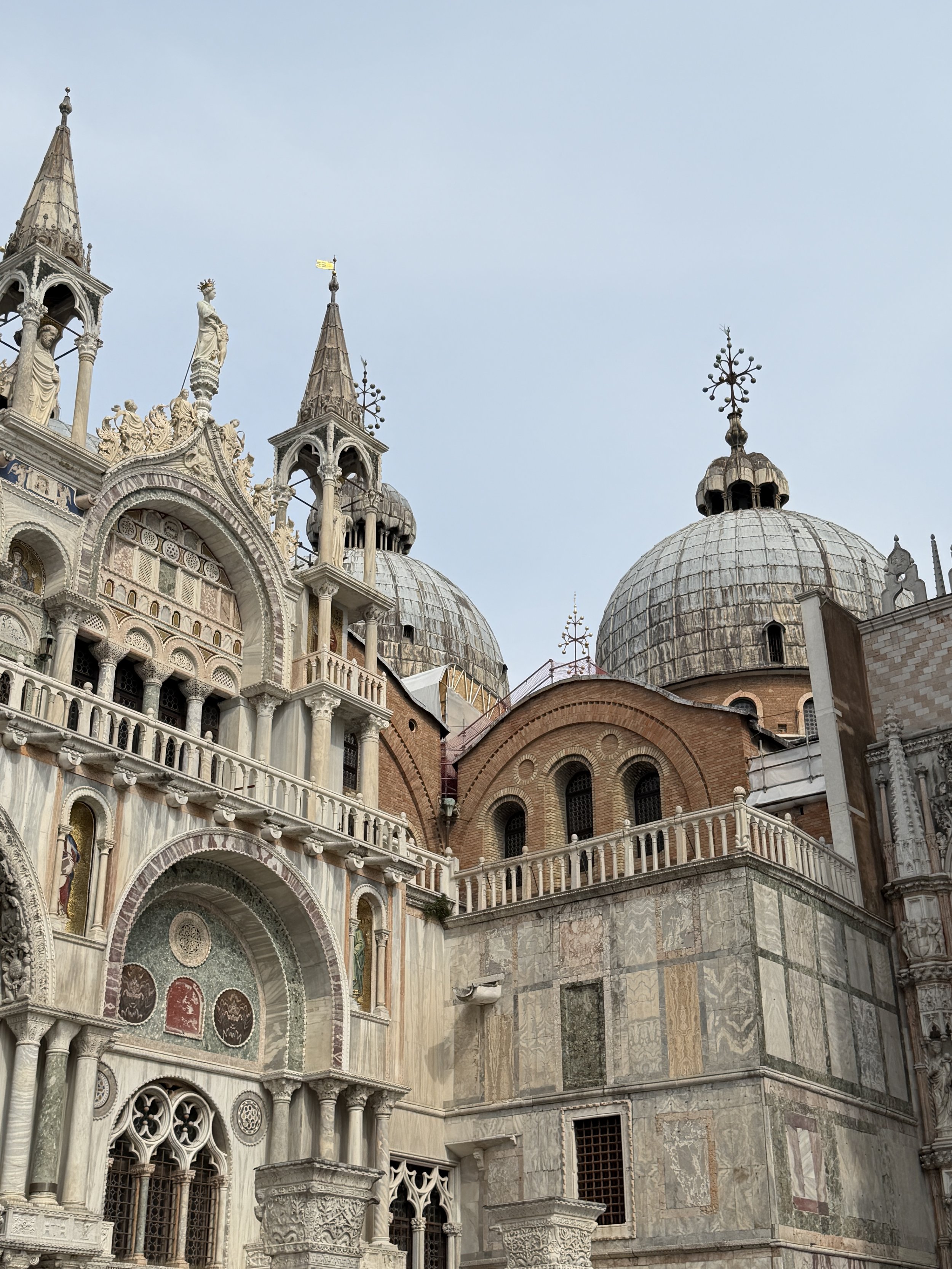
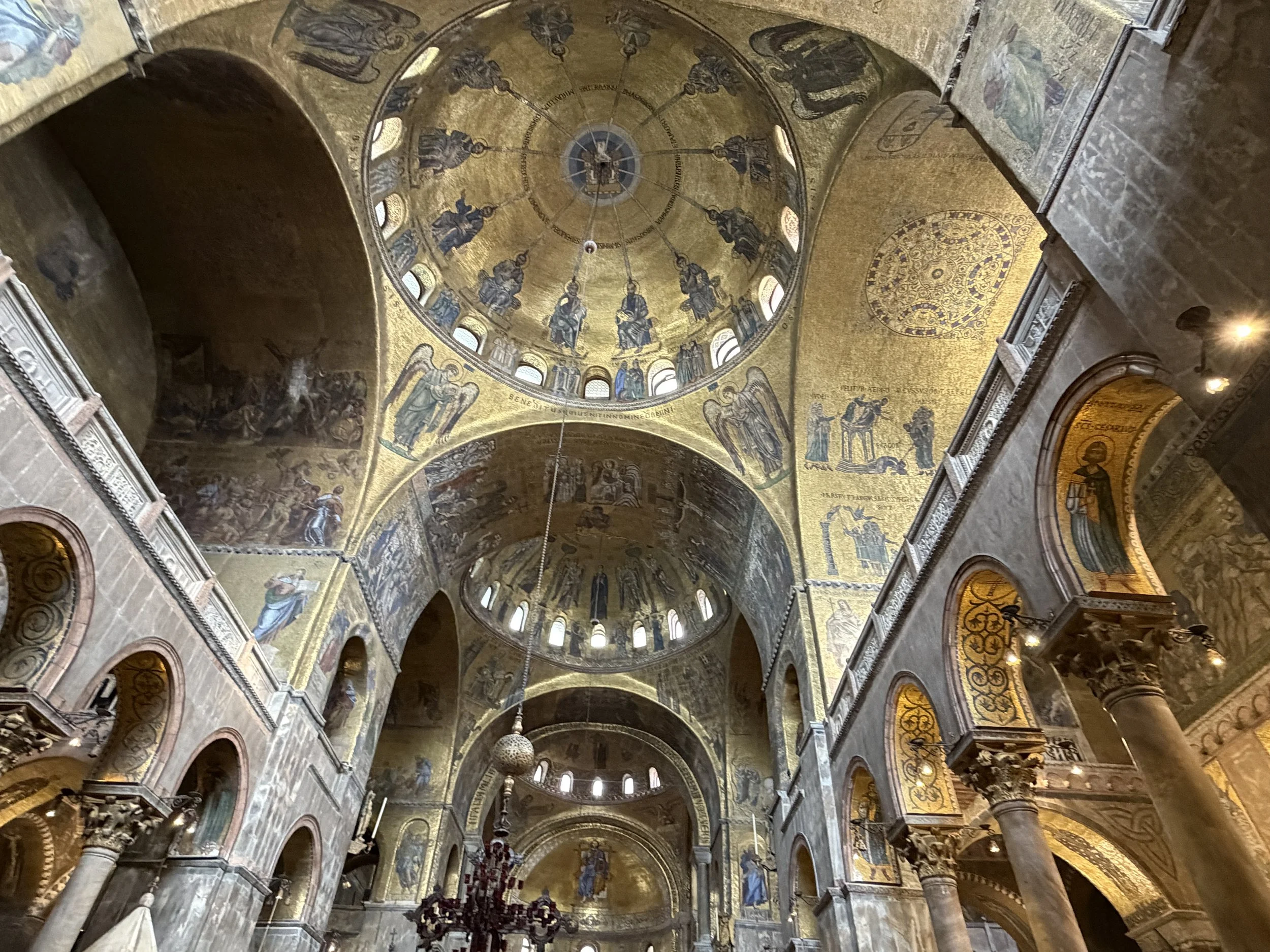
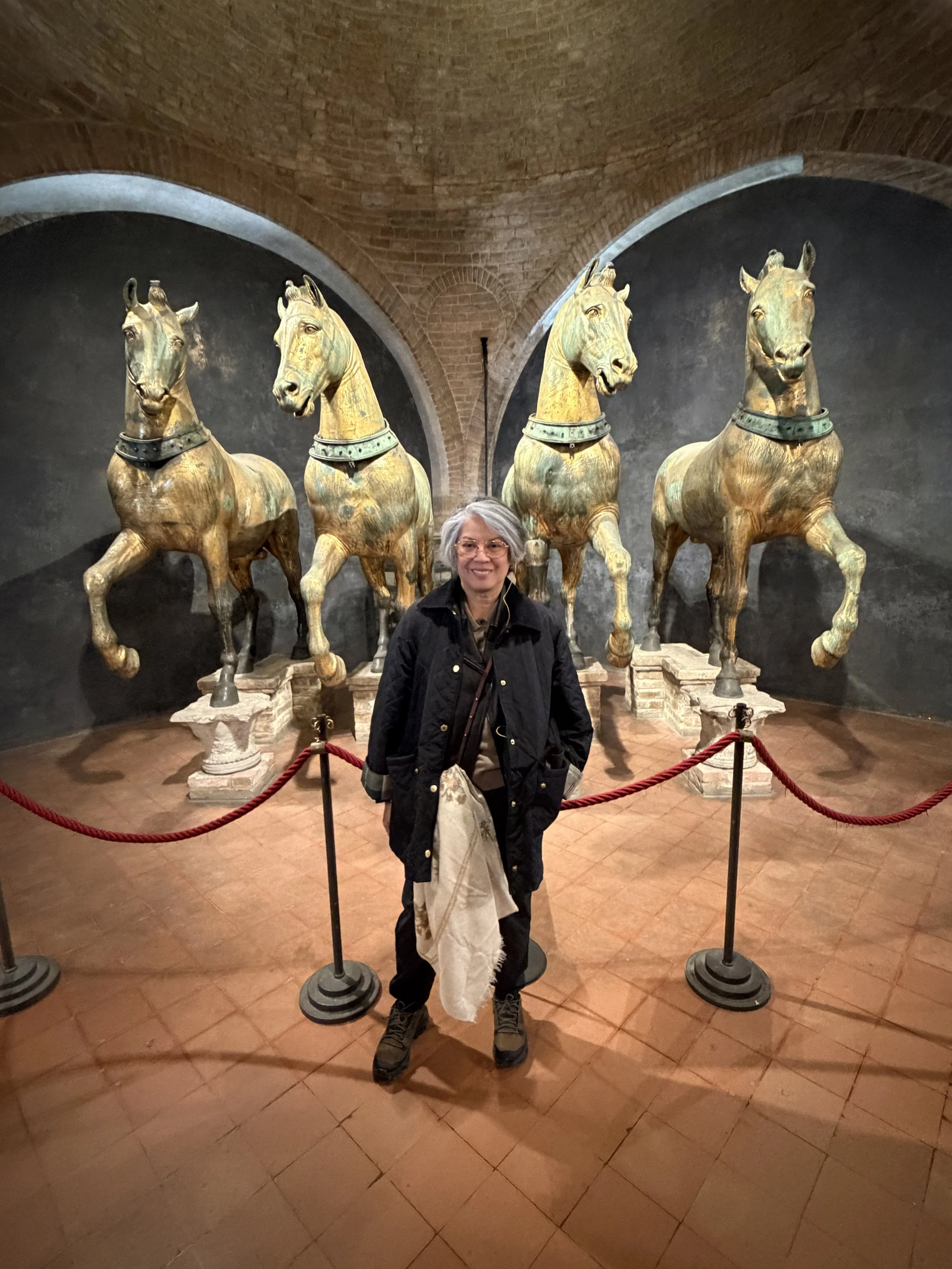
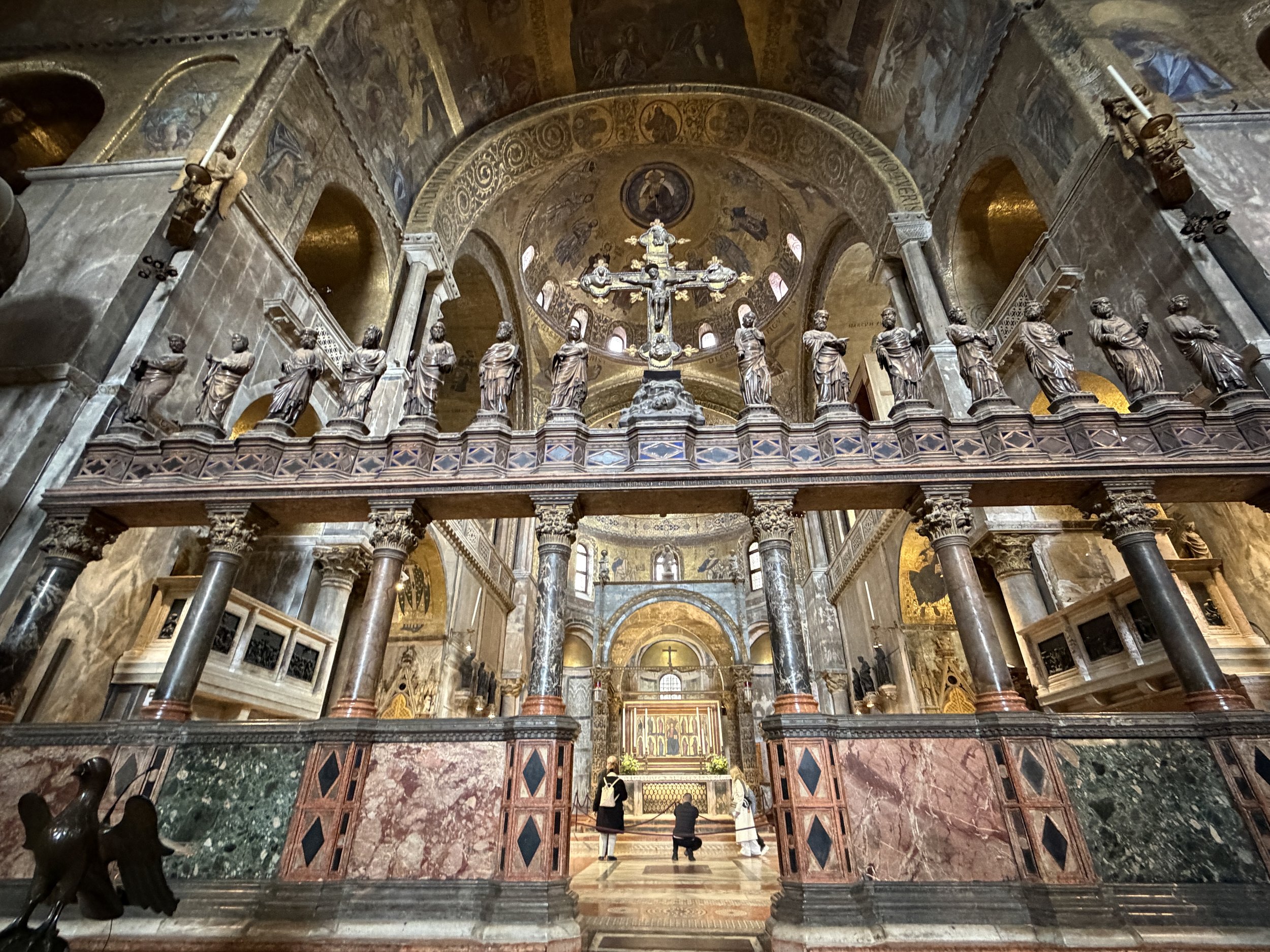
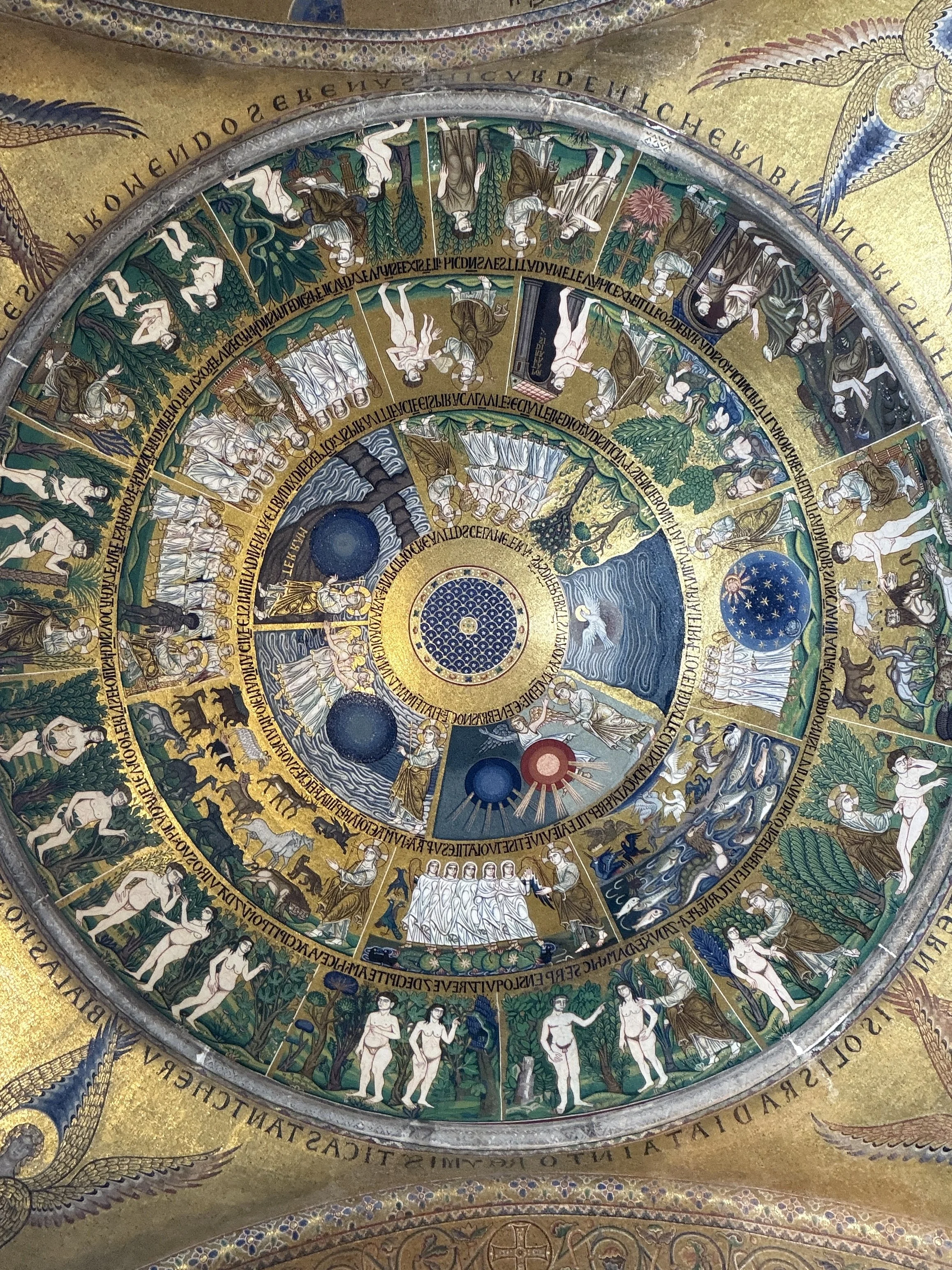
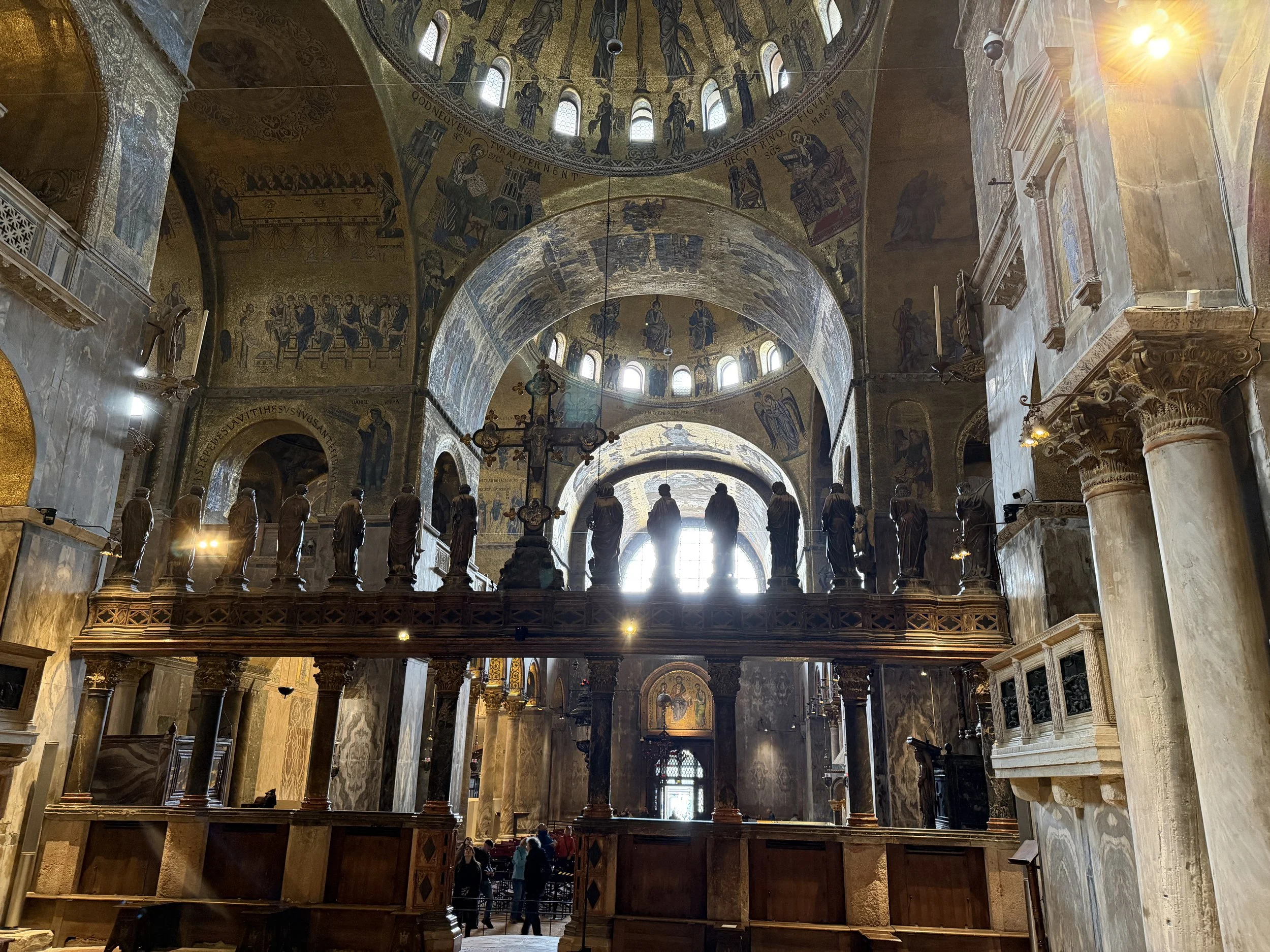
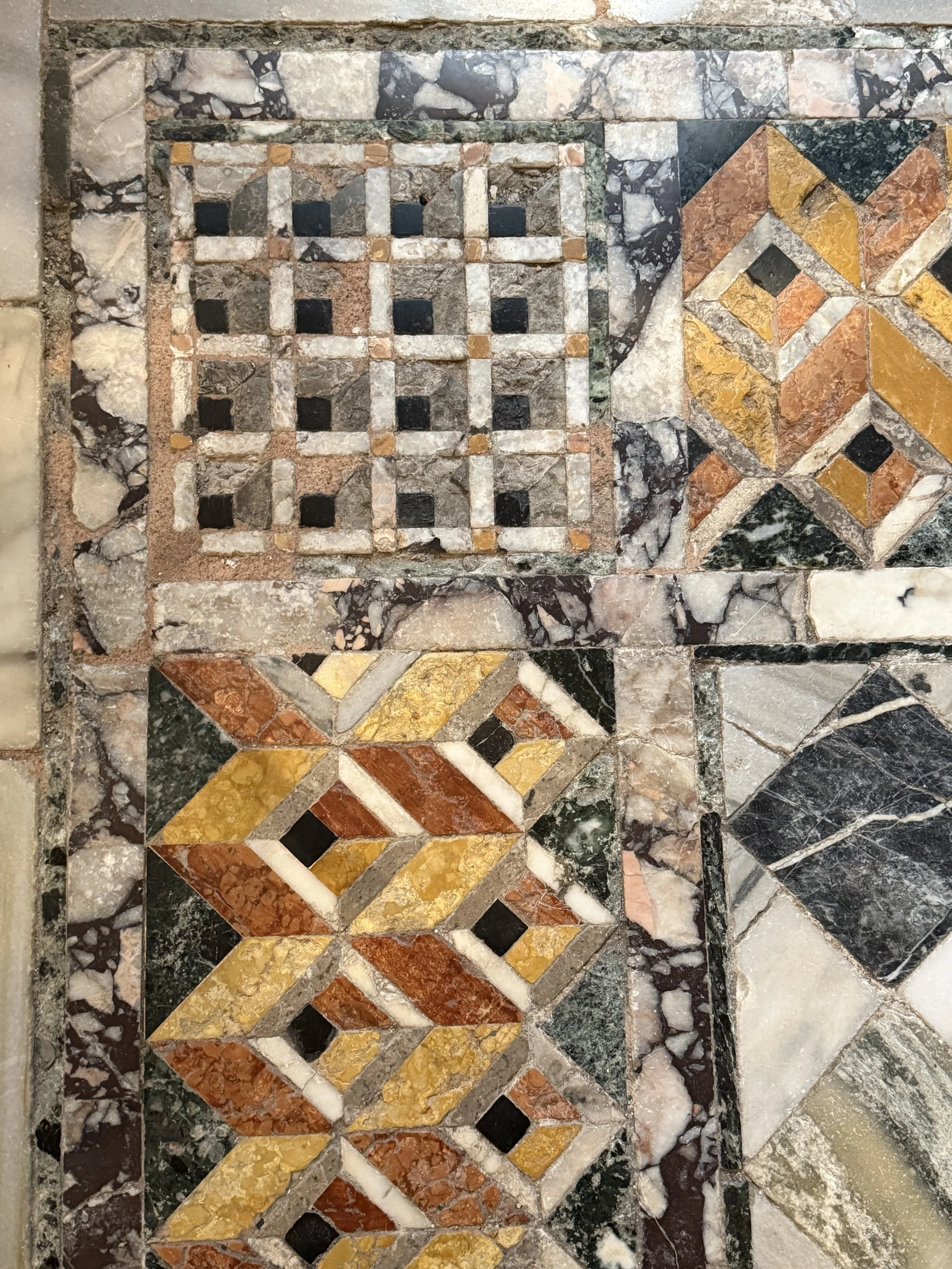
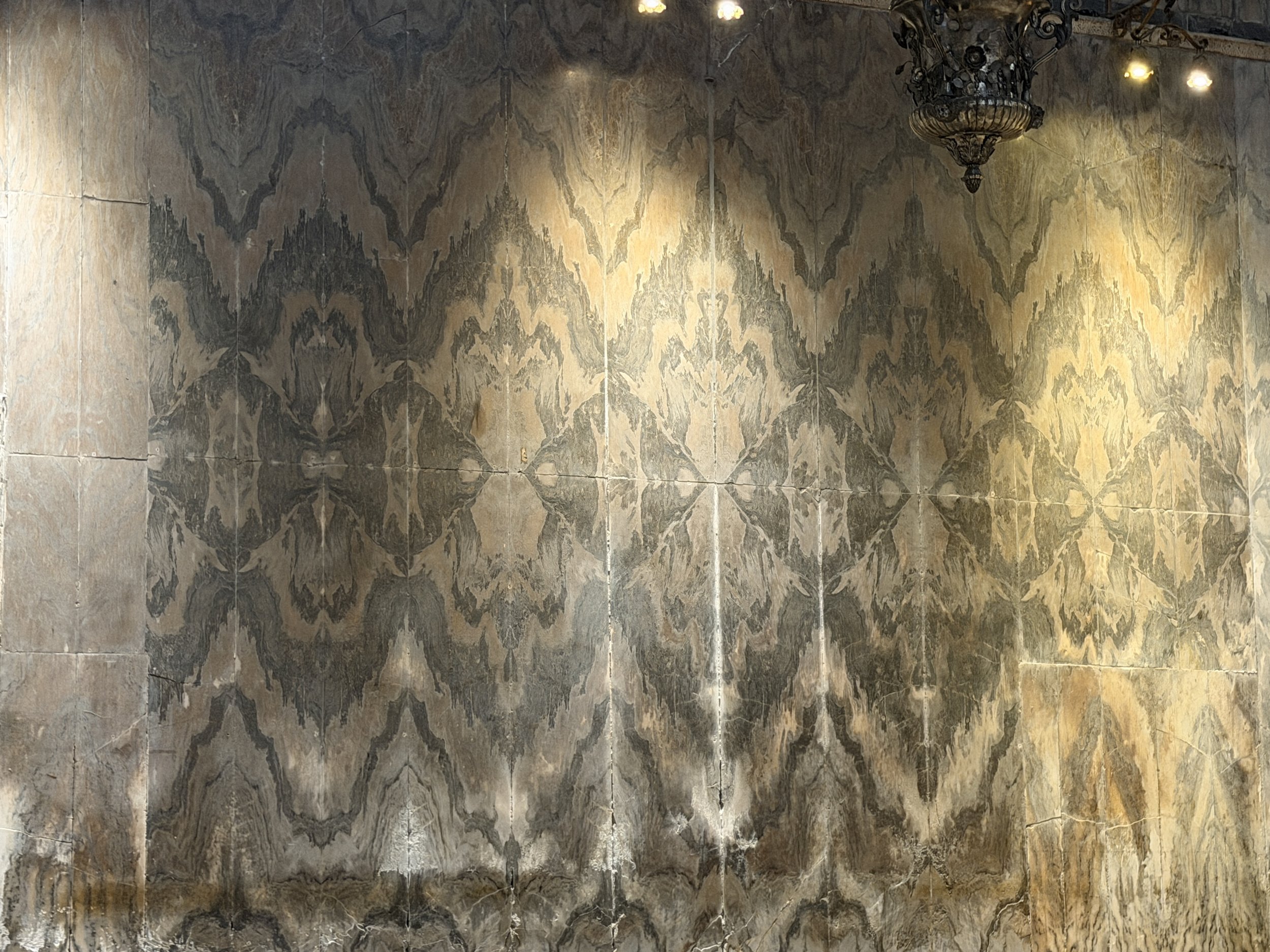
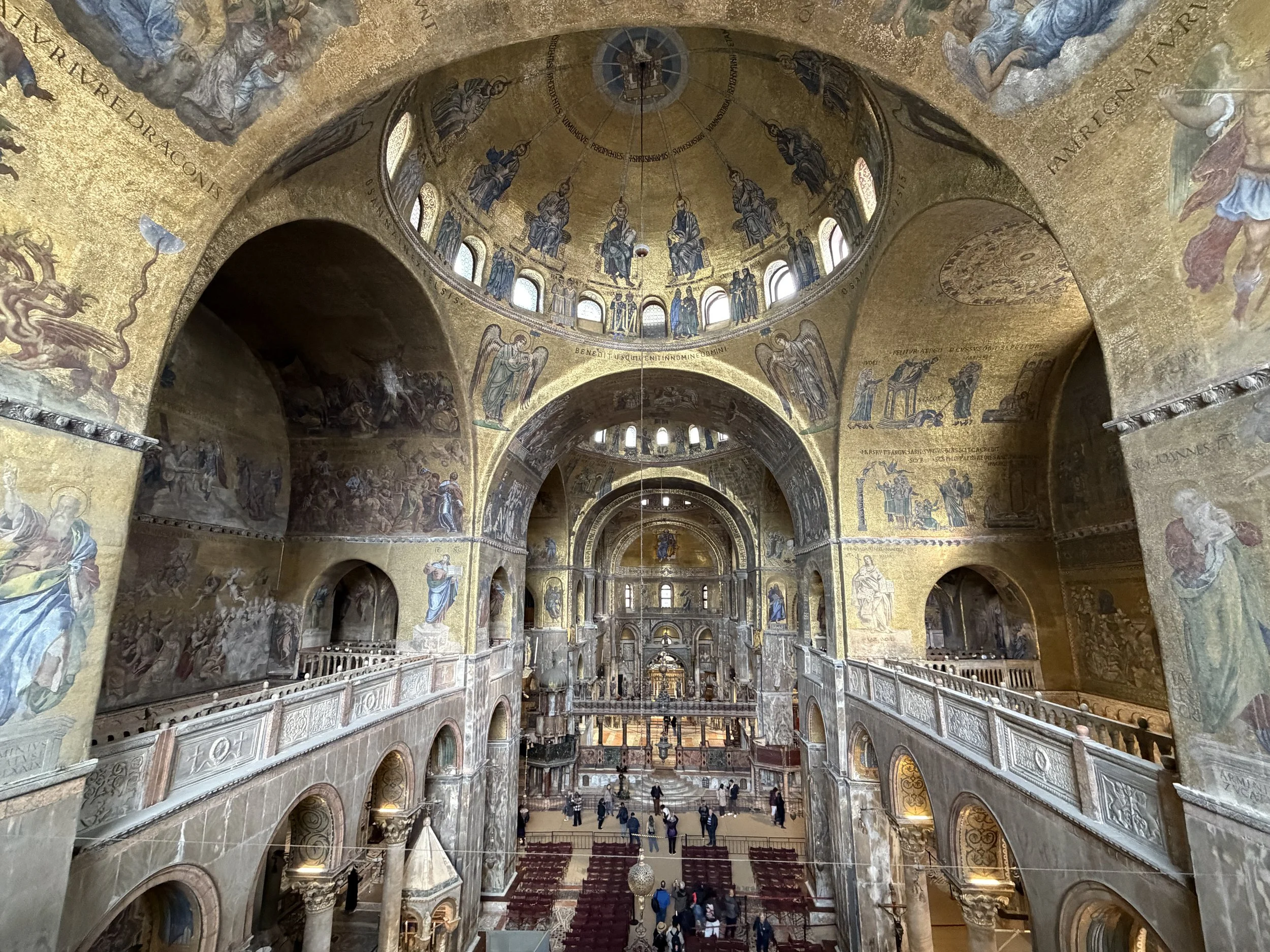
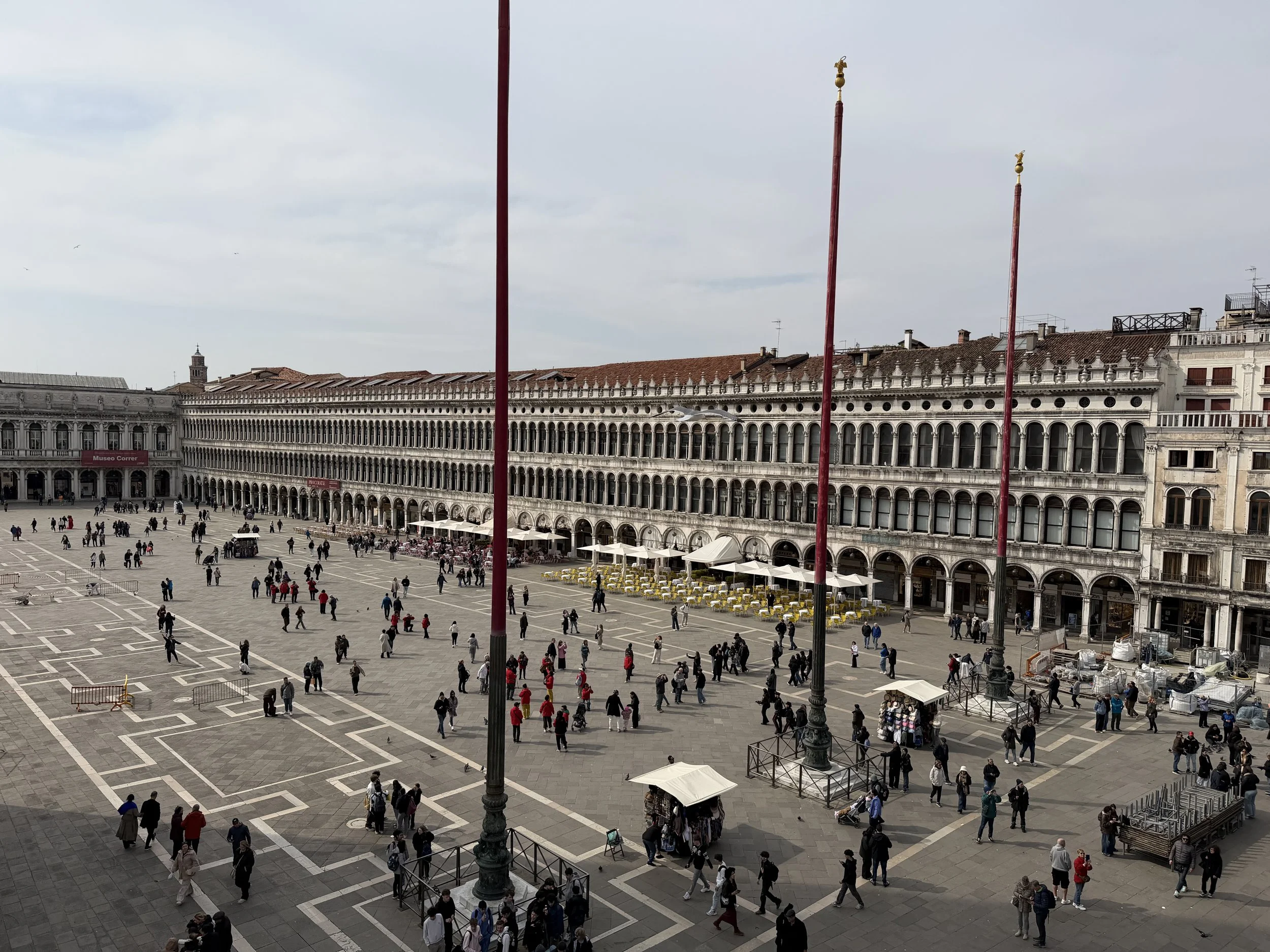
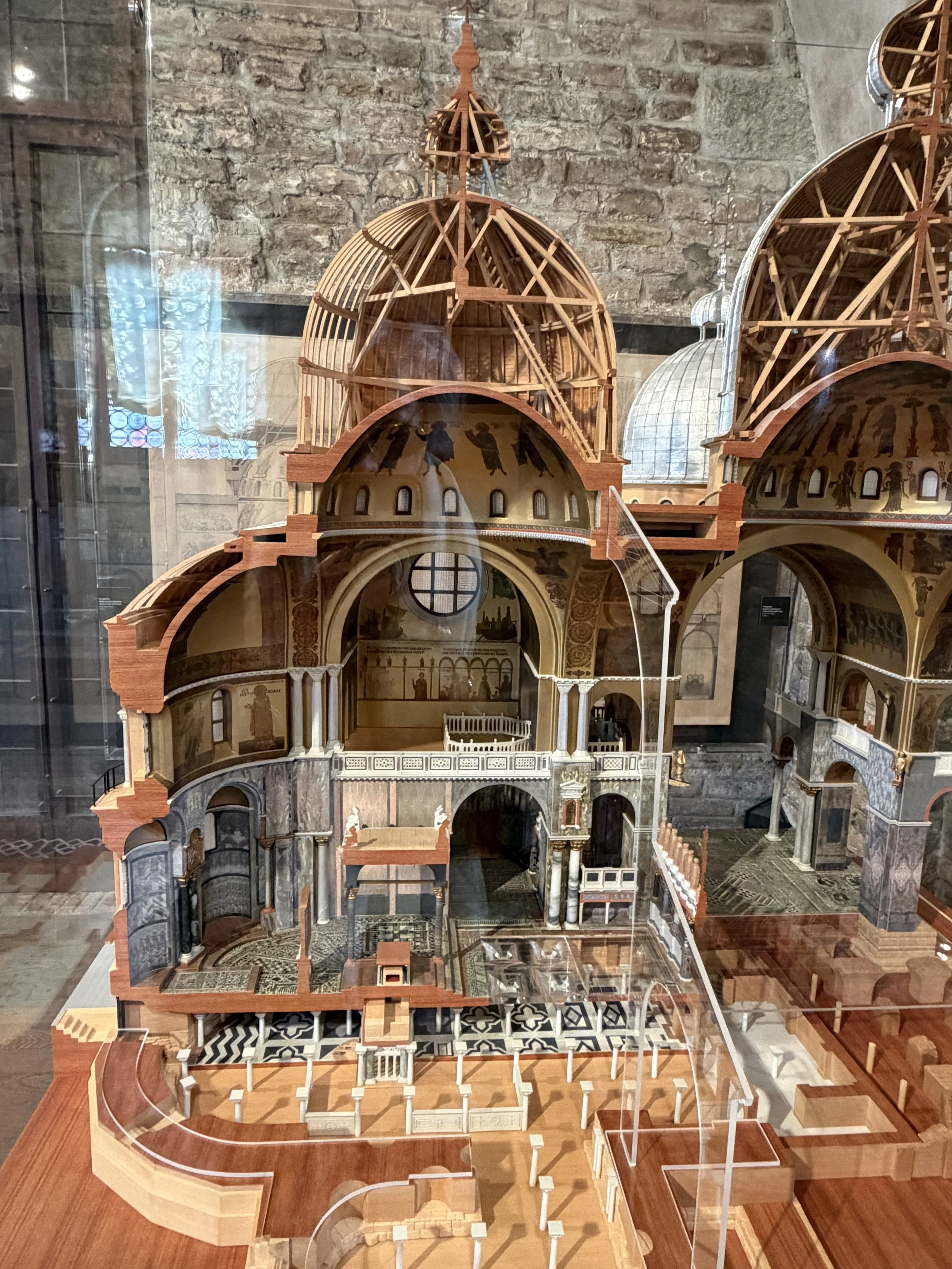
Going up to the Loggia of St. Mark's Basilica was one. Seeing the Pala d’Oro inside was another. There are moments when opulence crosses into something almost spiritual, and this was one of them—gold, enamel, gemstones, centuries of devotion. It doesn’t whisper. It dazzles.
Then there was Murano.
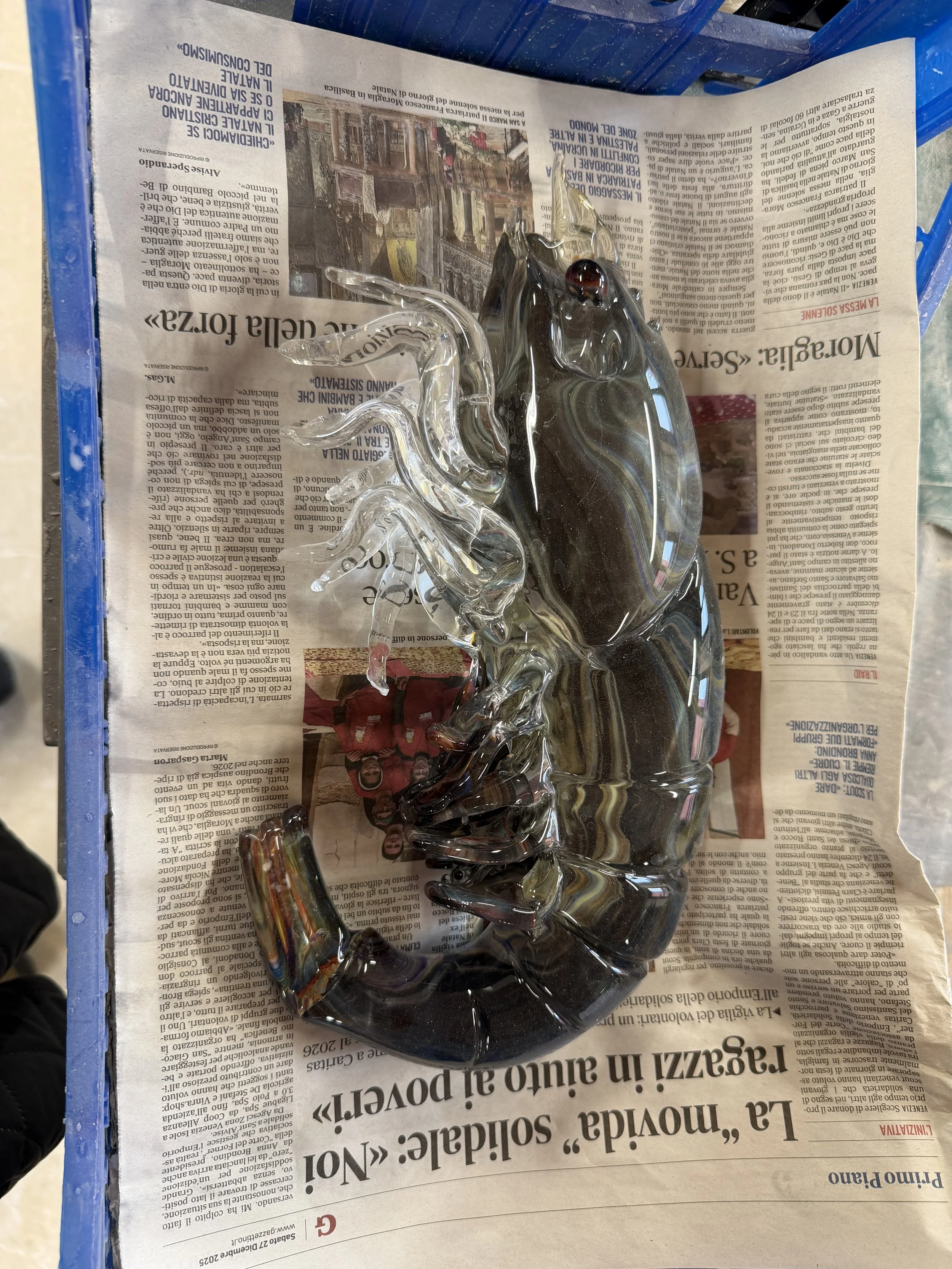
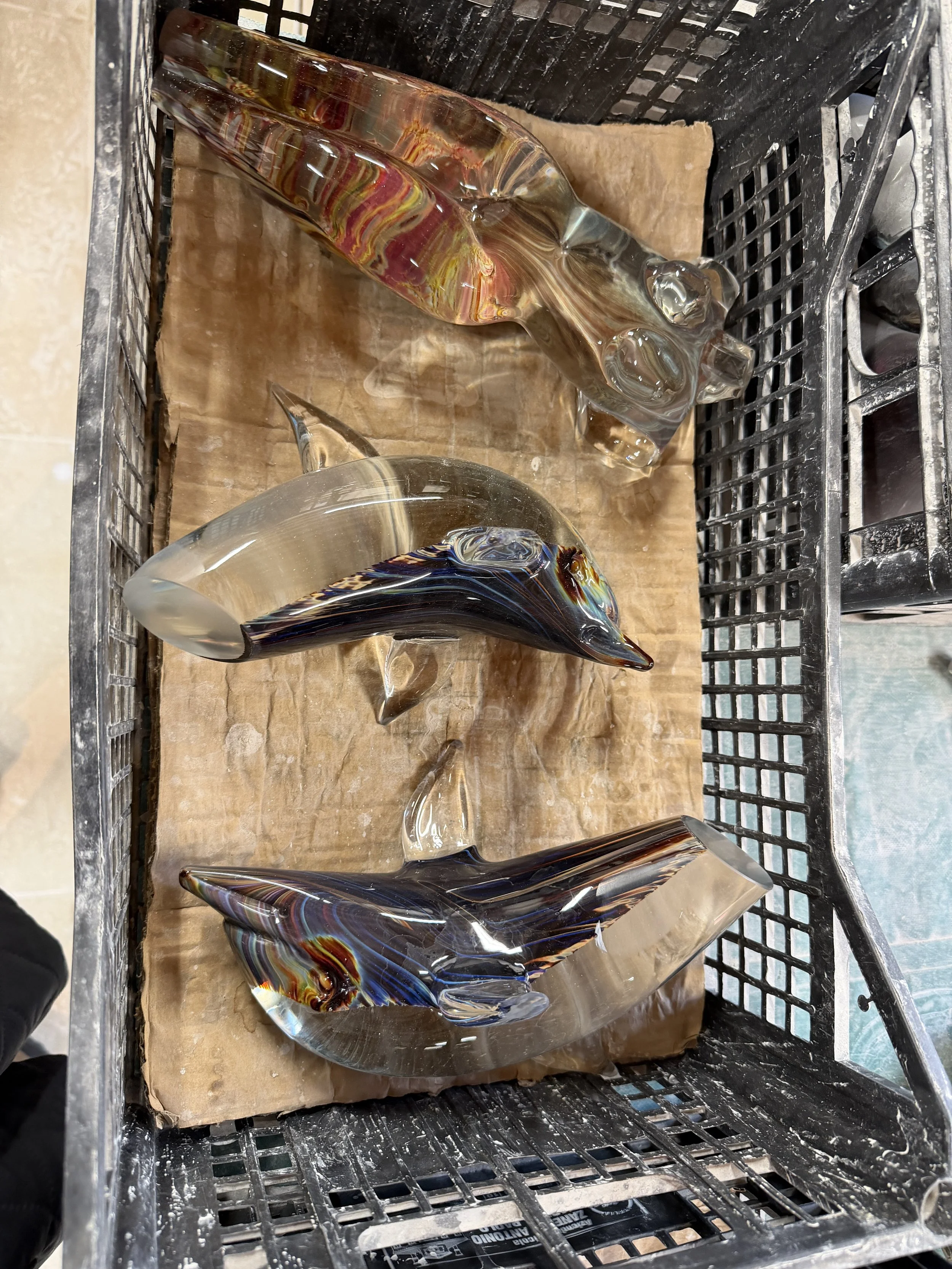
I’ve watched glassblowing before, admiring how molten glass becomes something impossibly elegant in minutes. But this time, I didn’t just watch—I made my own handblown drinking glass. Or at least attempted to. It was equal parts humbling and satisfying, and I left with something far more meaningful than a souvenir: a memory tied to the process.
That’s the kind of experience I value most—immersive, tactile, and just imperfect enough to feel real.
Where to Stay in Venice
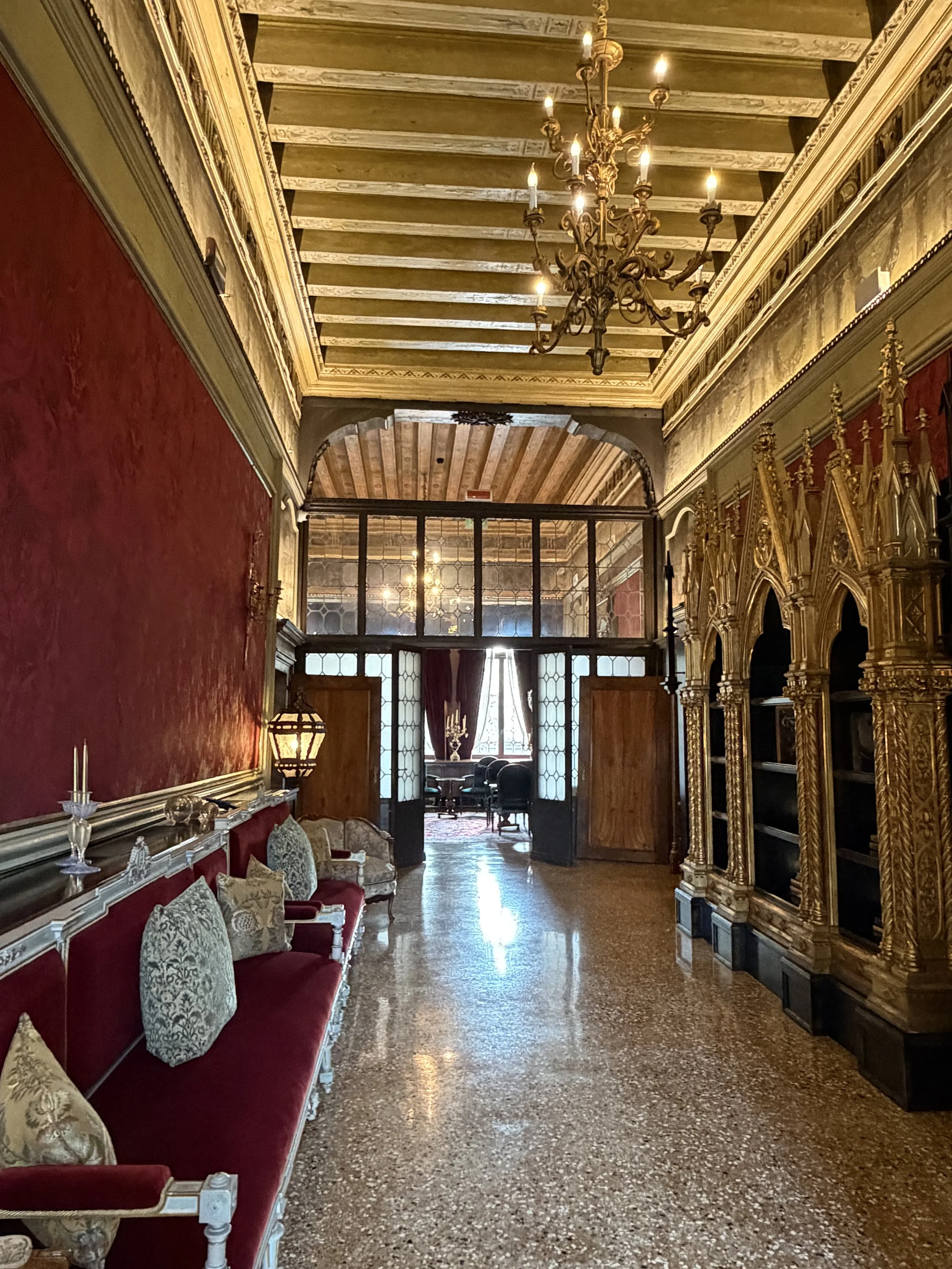
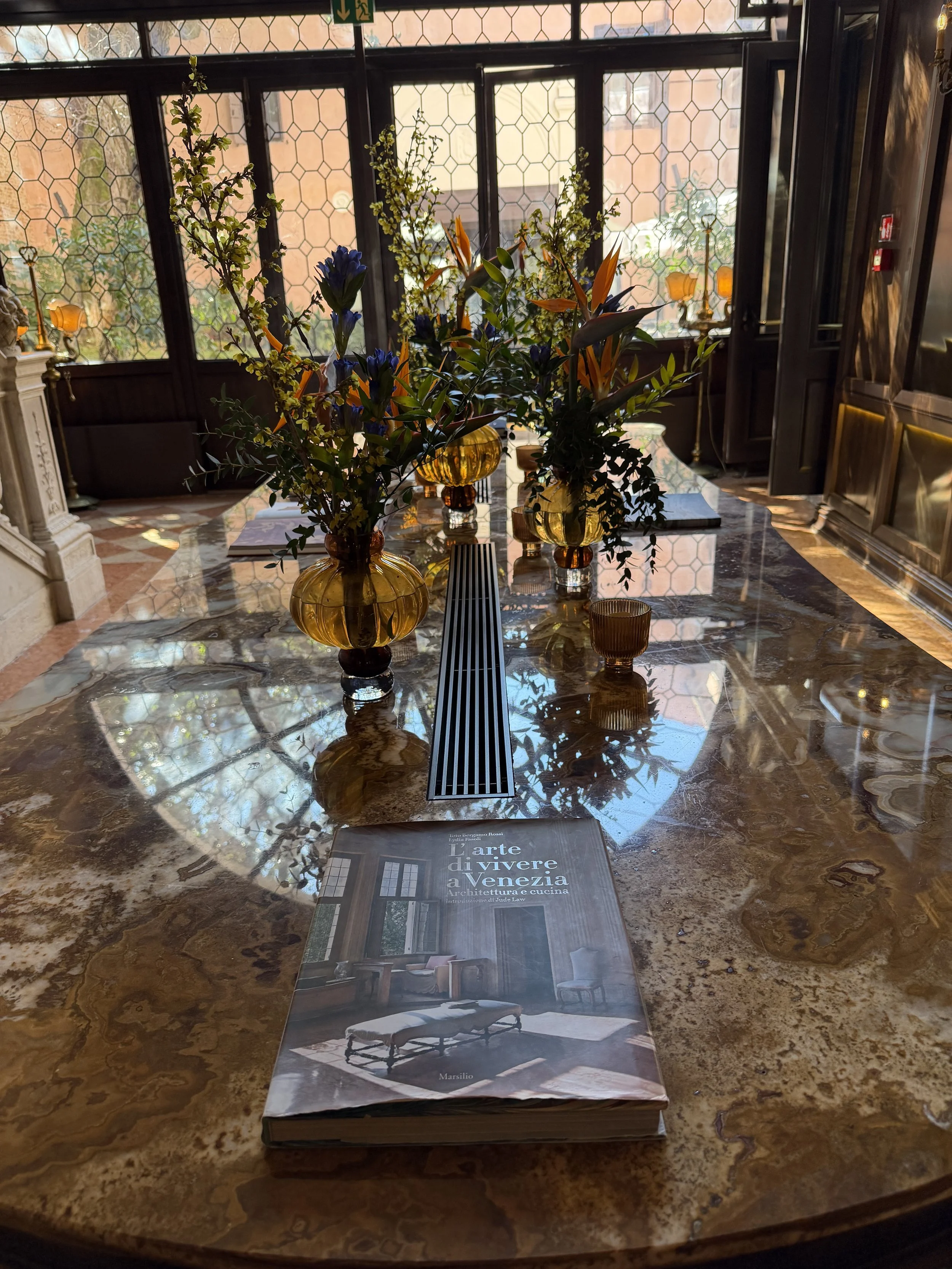
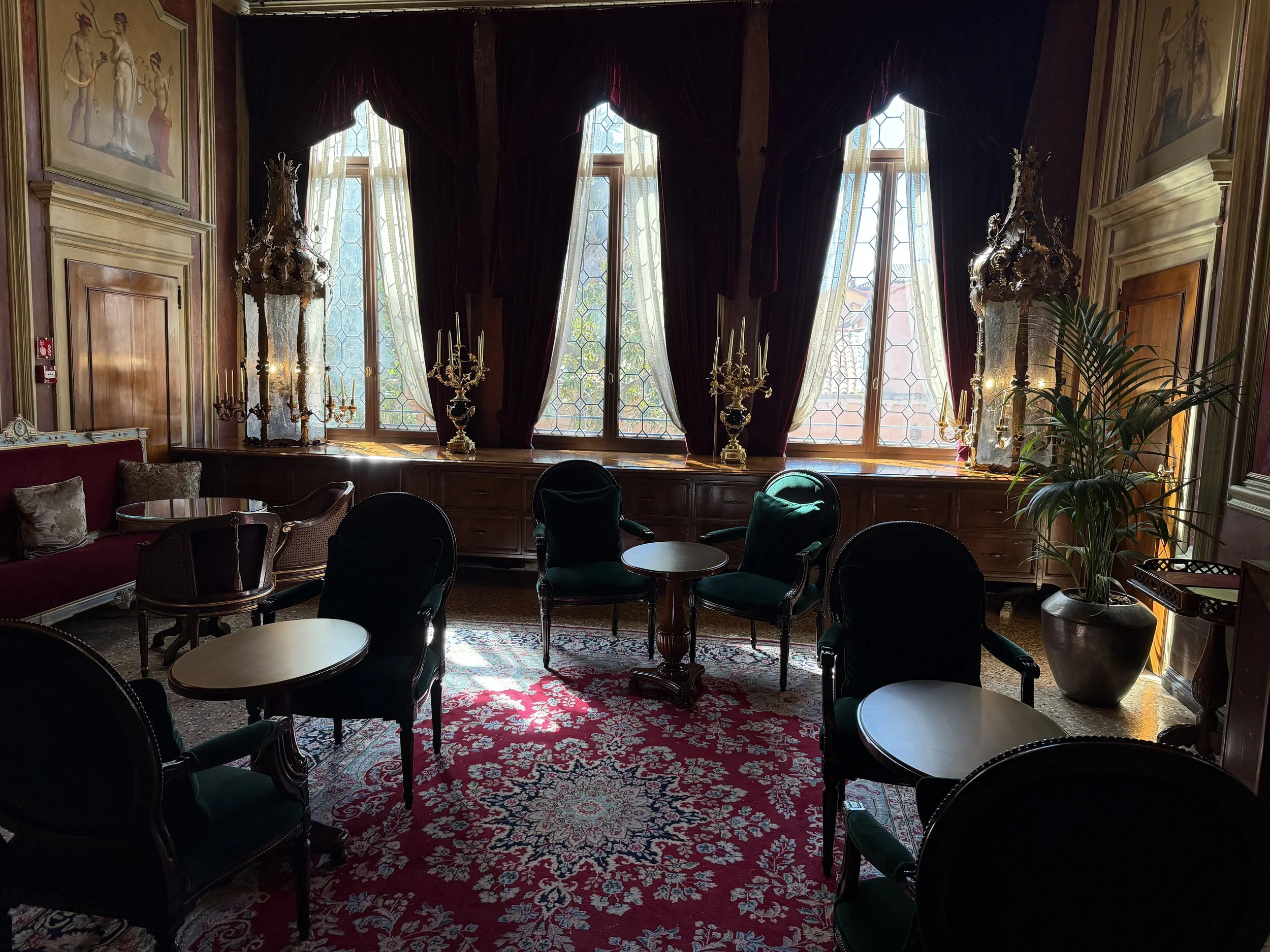
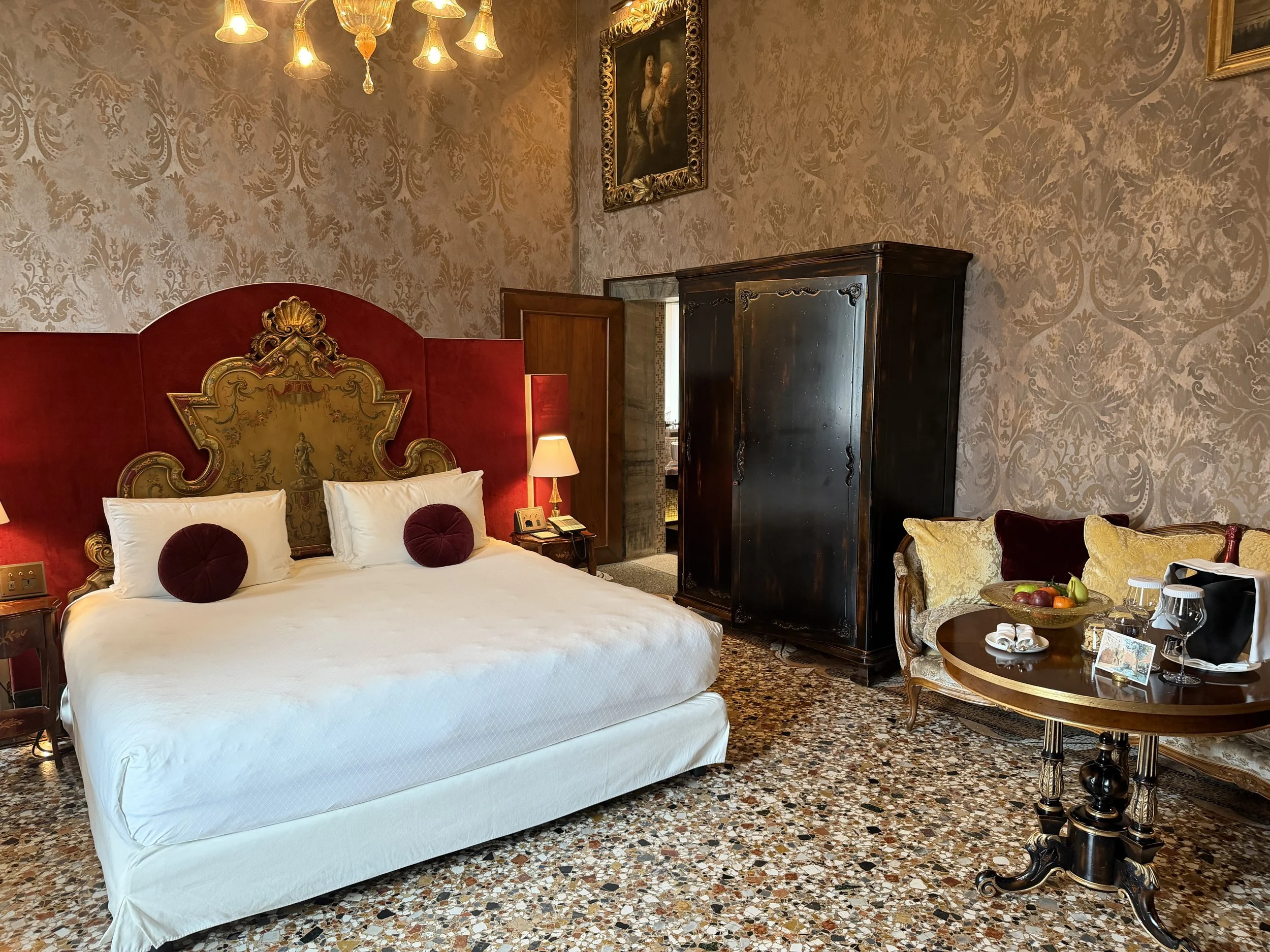
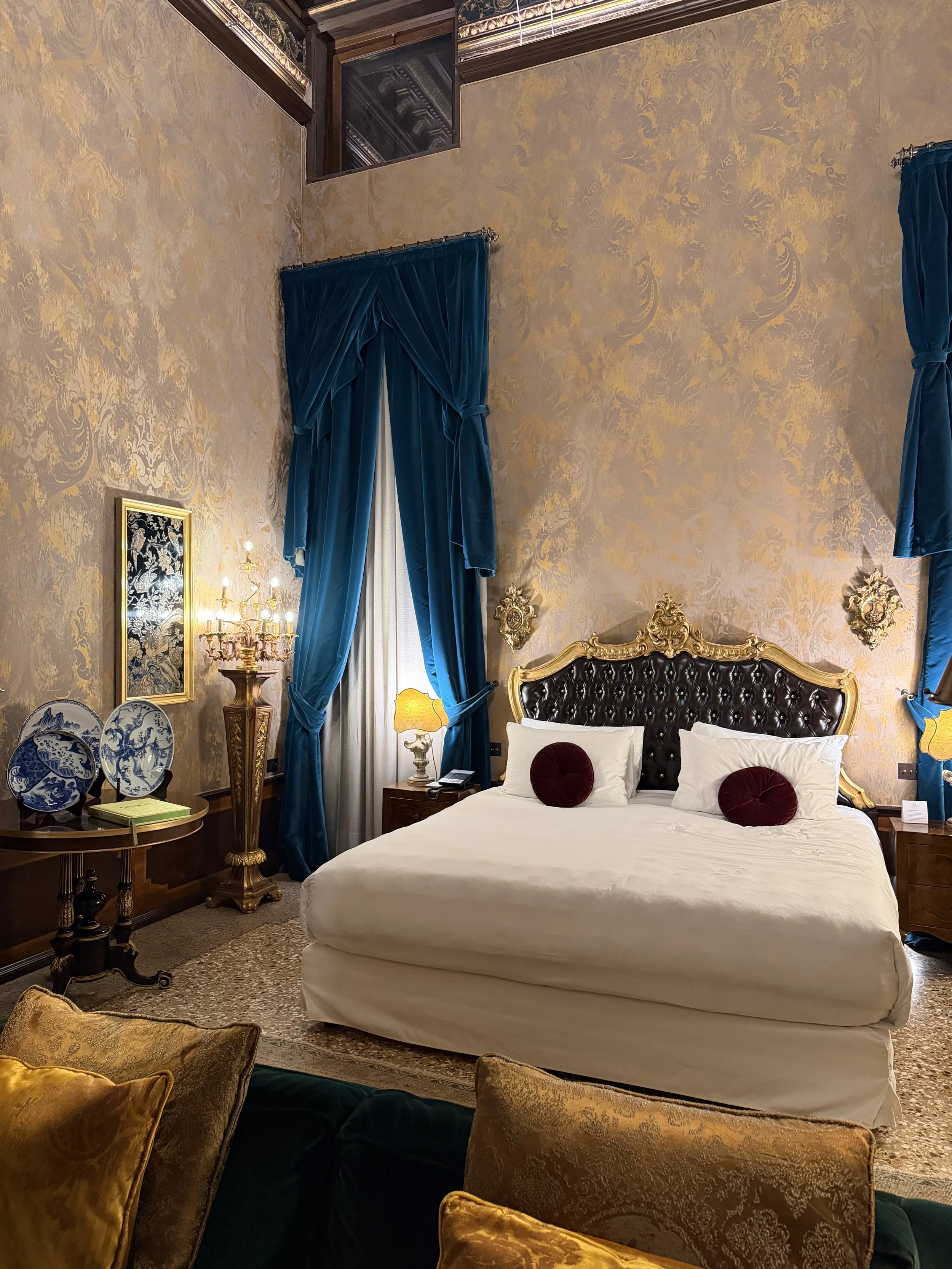
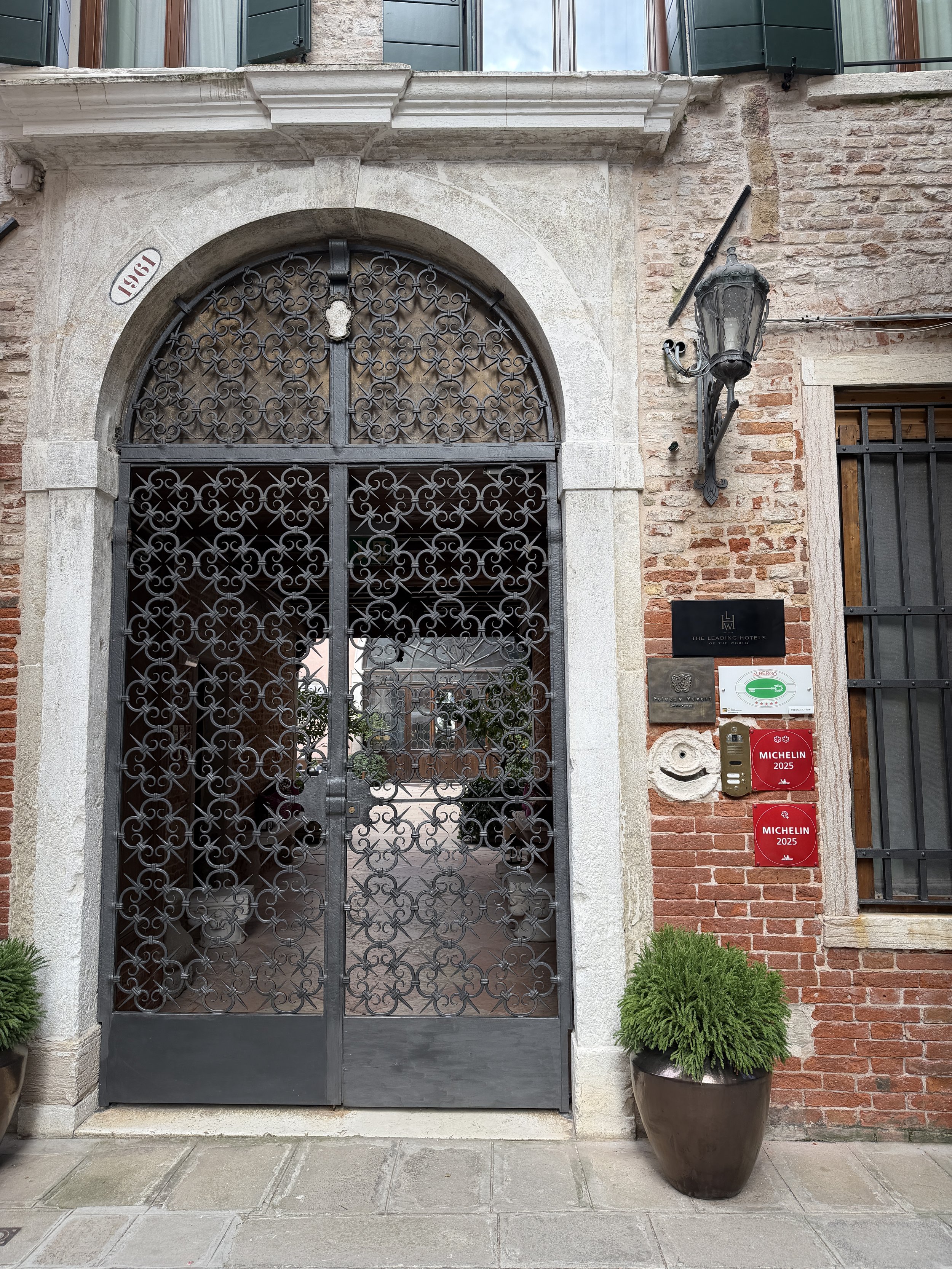
Palazzo Venart sits quietly along the Grand Canal in Santa Croce, a hotel that feels like it belongs to another era in the best way. There’s a rare garden, a sense of calm, and the sort of discreet grandeur Venice does so well. It’s also home to Glam, the city’s only two-Michelin-starred restaurant.
Where to Eat in Venice
Glam is polished and precise, with a setting that lingers as much as the food.
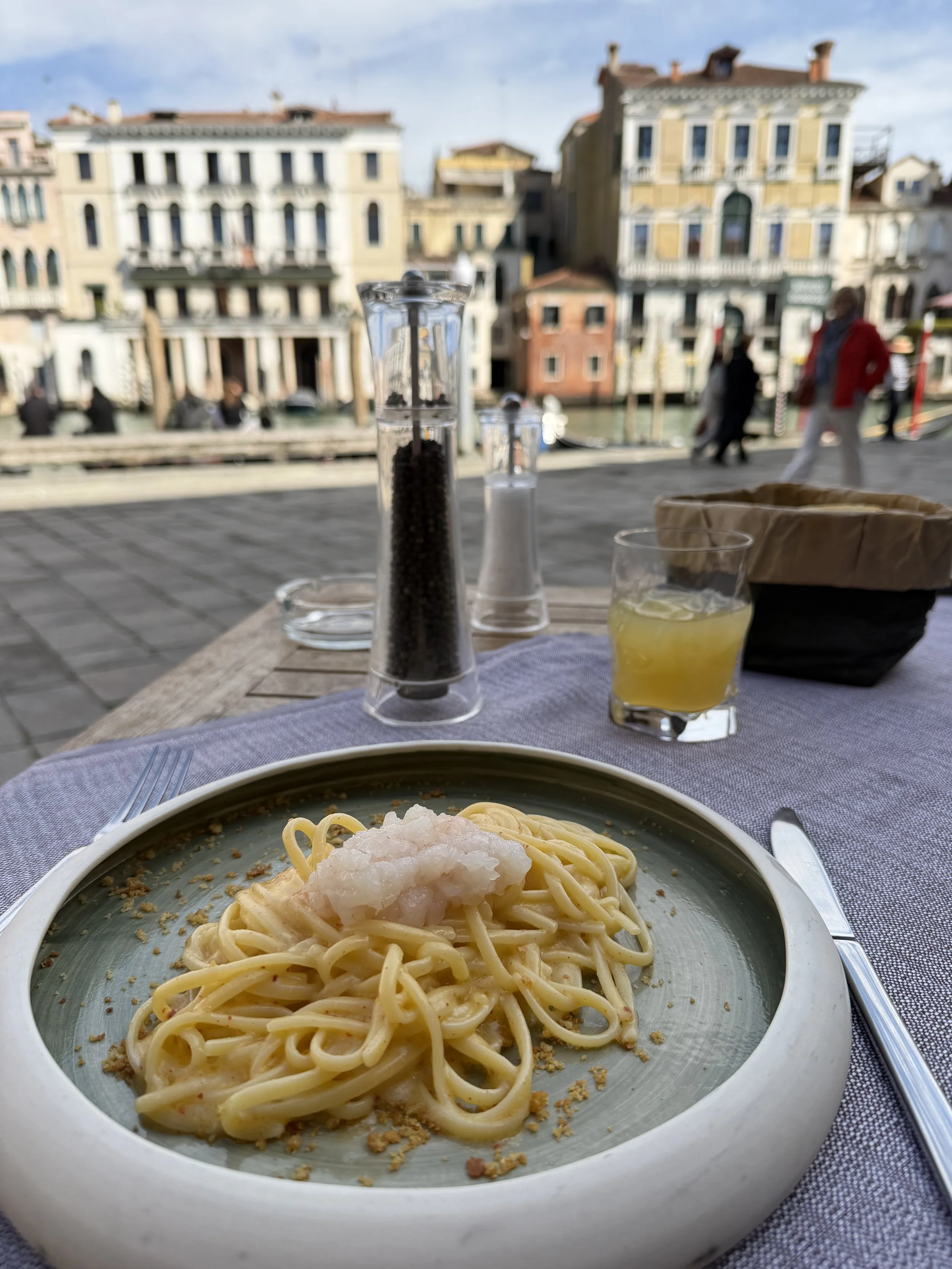
Bancogiro for pasta with raw prawns—simple, perfectly executed.
Bistrot Quadrino for elevated cicchetti and a tableside tiramisu with just the right amount of flair.
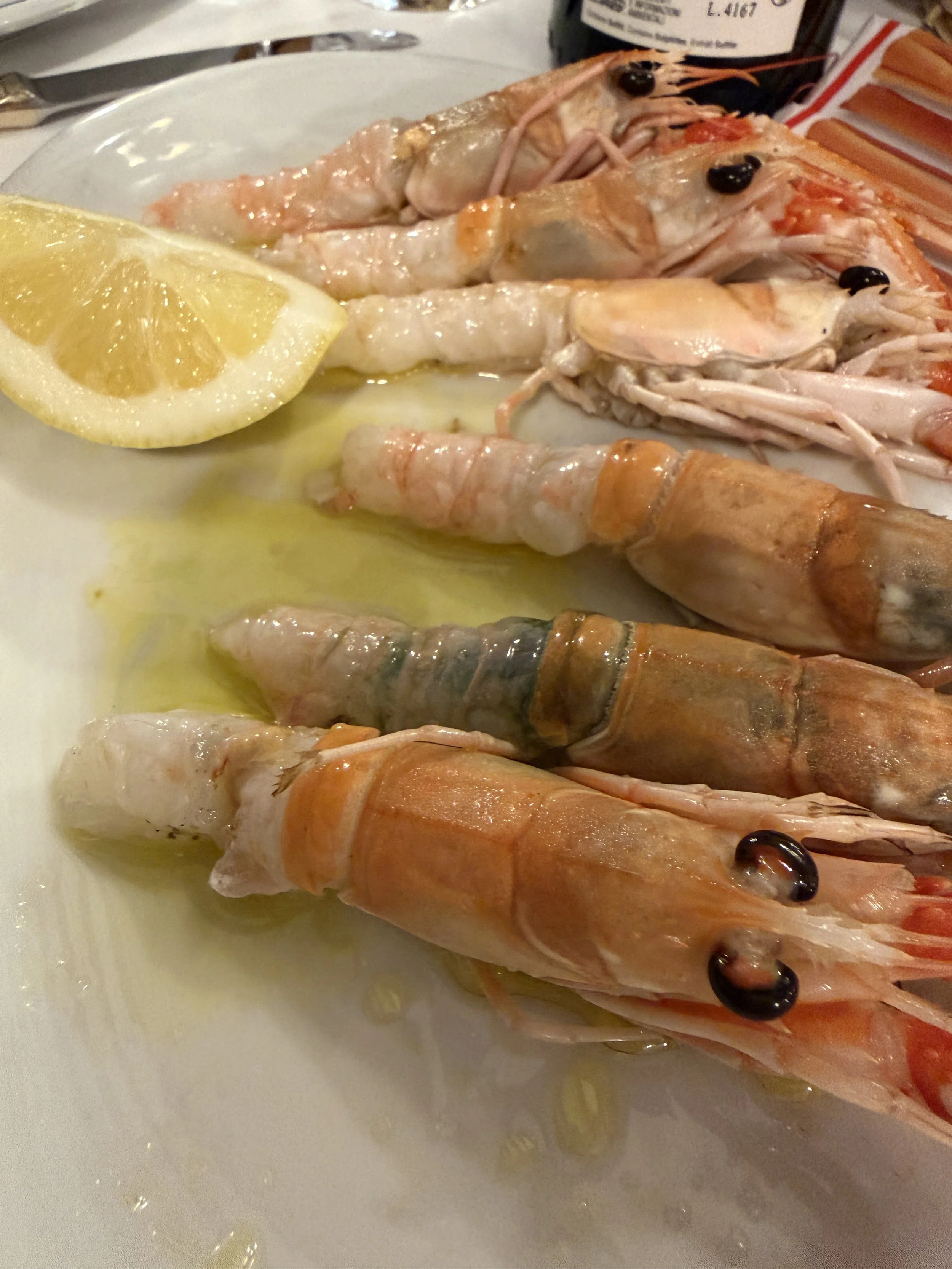
Trattoria alla Madonna for classic Venetian seafood, unfussy and deeply satisfying.
Florence: The Return of David
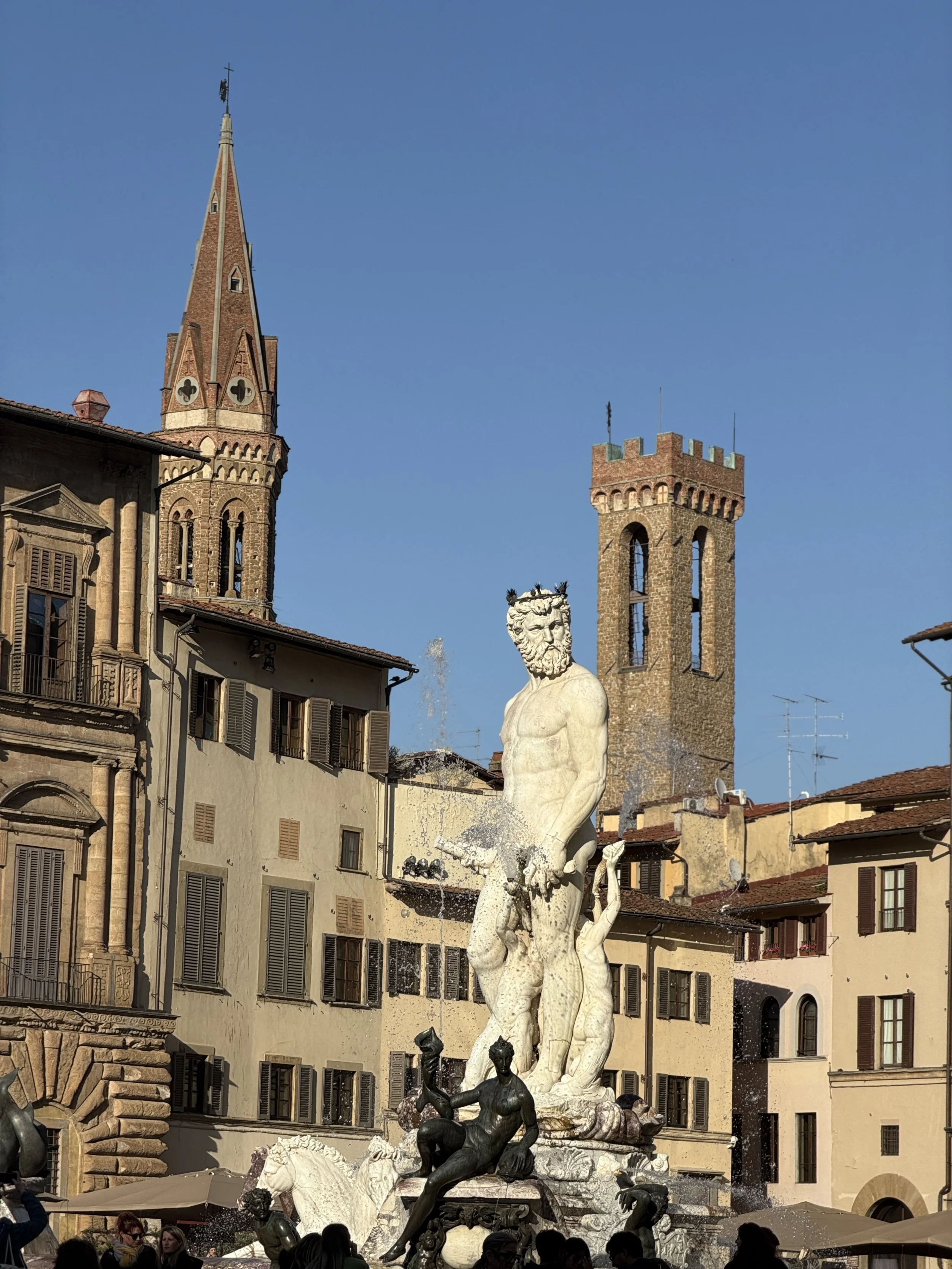
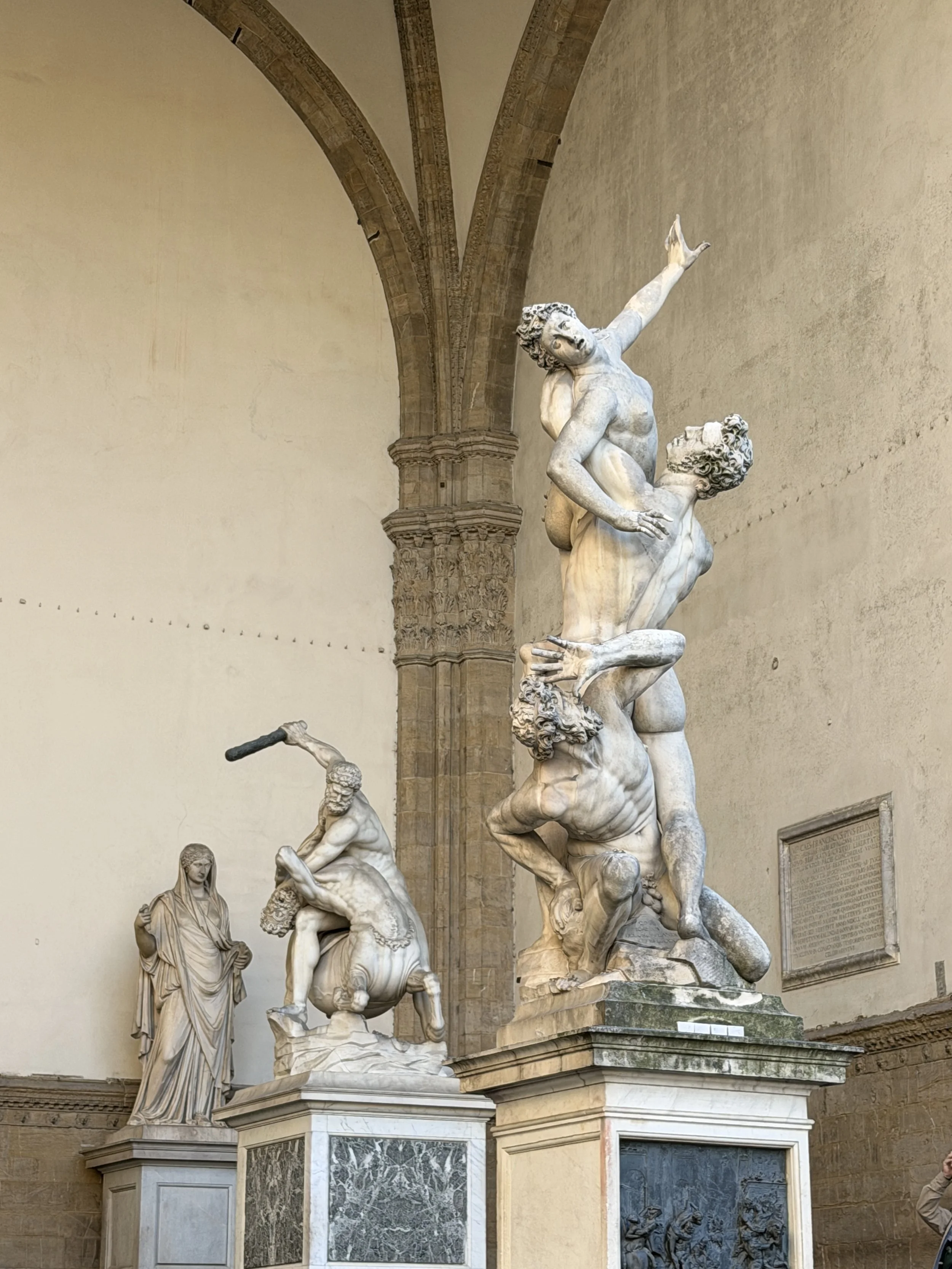
Florence has a way of making you look up—at façades, frescoes, ceilings, and statues. It’s a city best taken in with equal parts reverence and appetite.
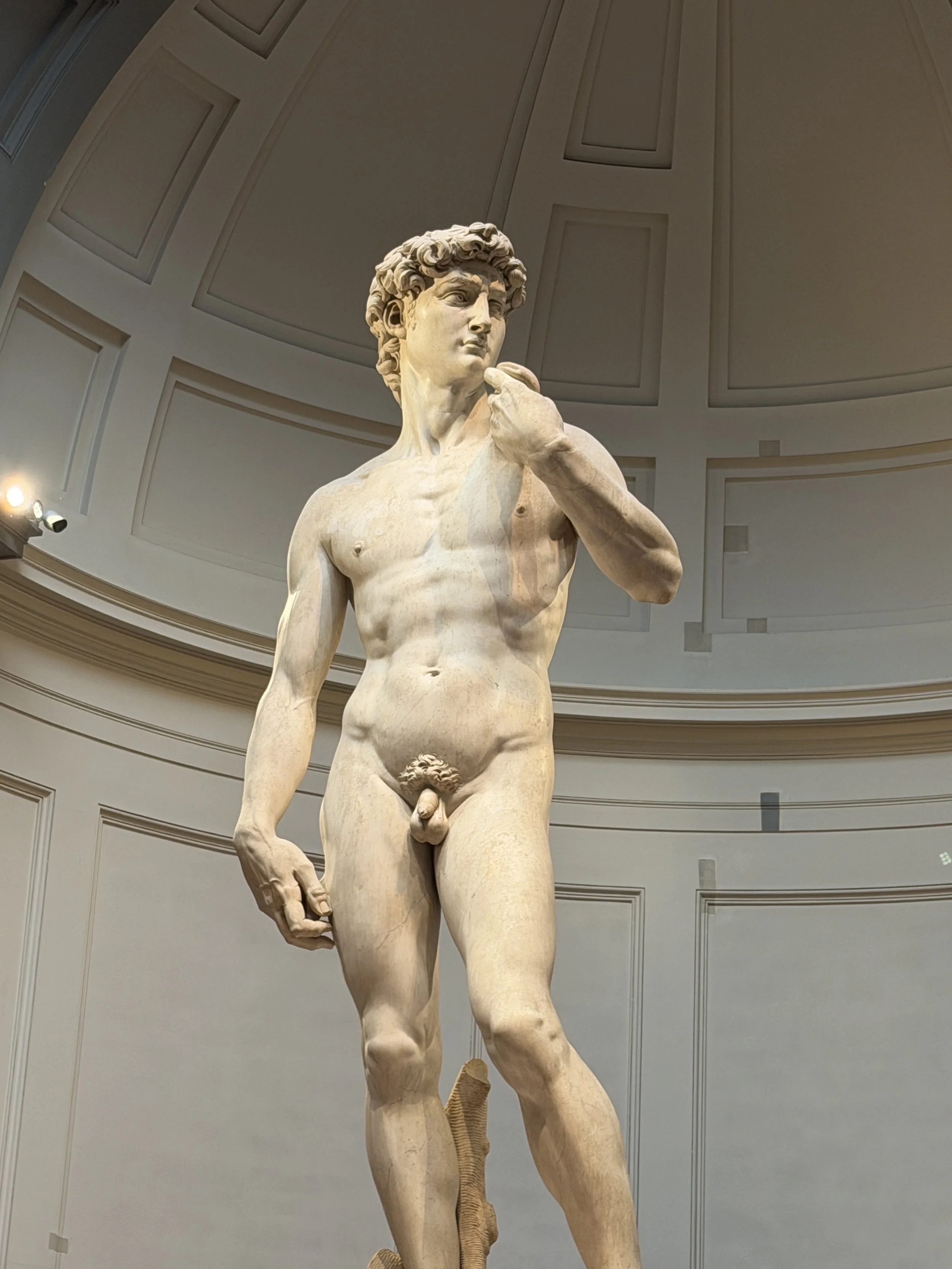
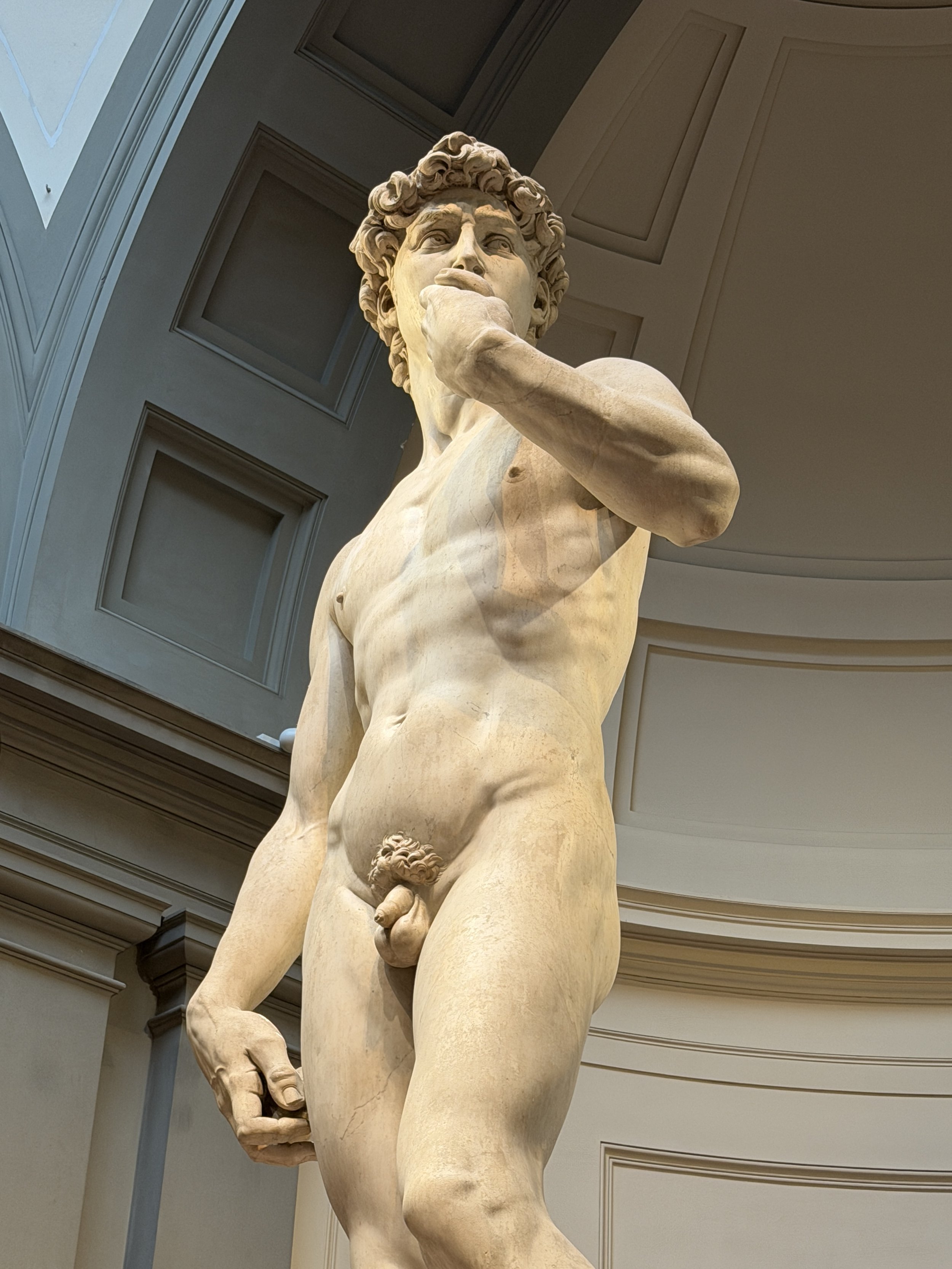
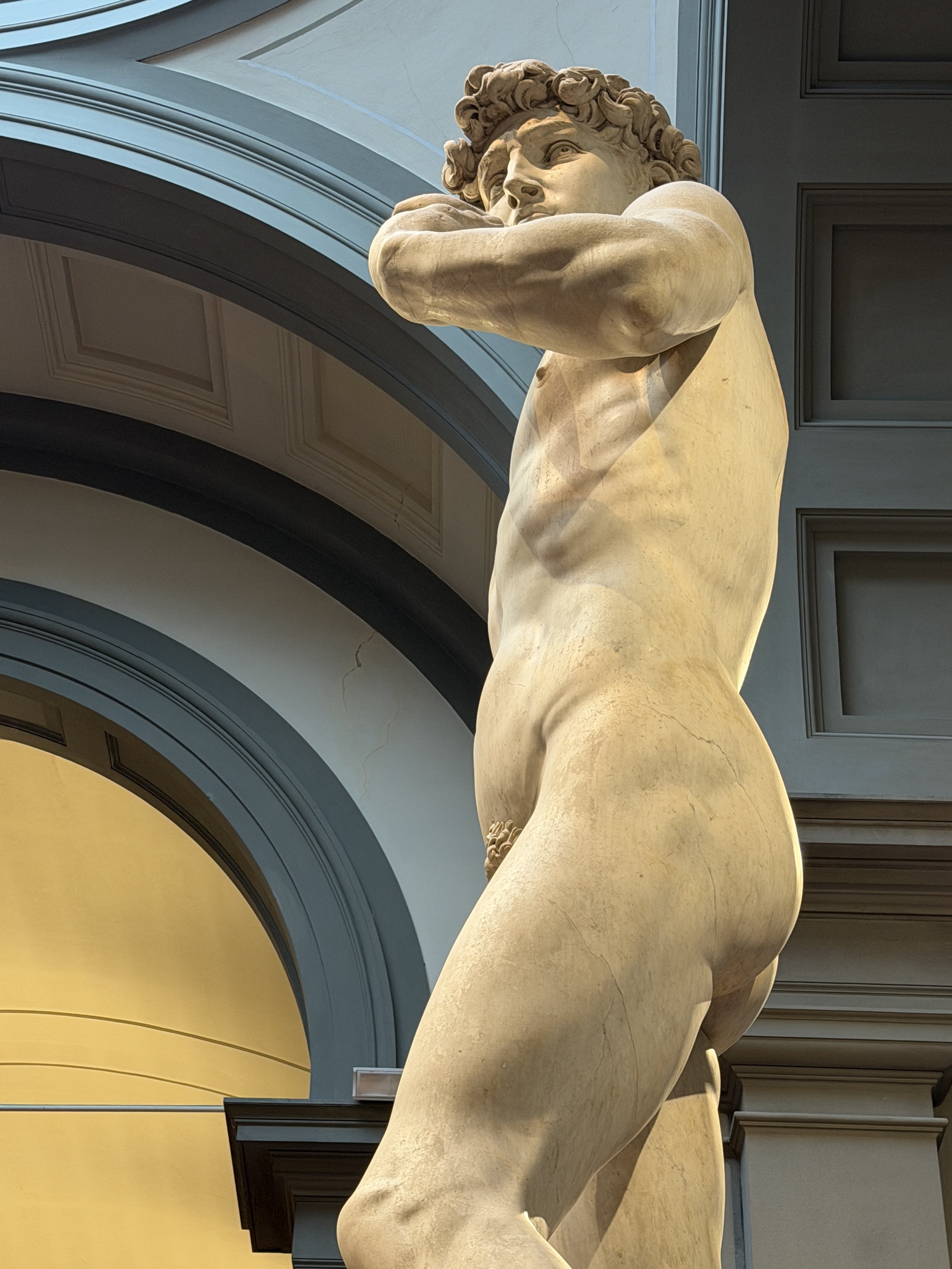
Seeing Michelangelo’s David again at the Galleria dell'Accademia reminded me why some icons endure. Familiarity doesn’t dull it. If anything, it sharpens your appreciation—the tension, the scale, the near impossibility of marble made flesh.
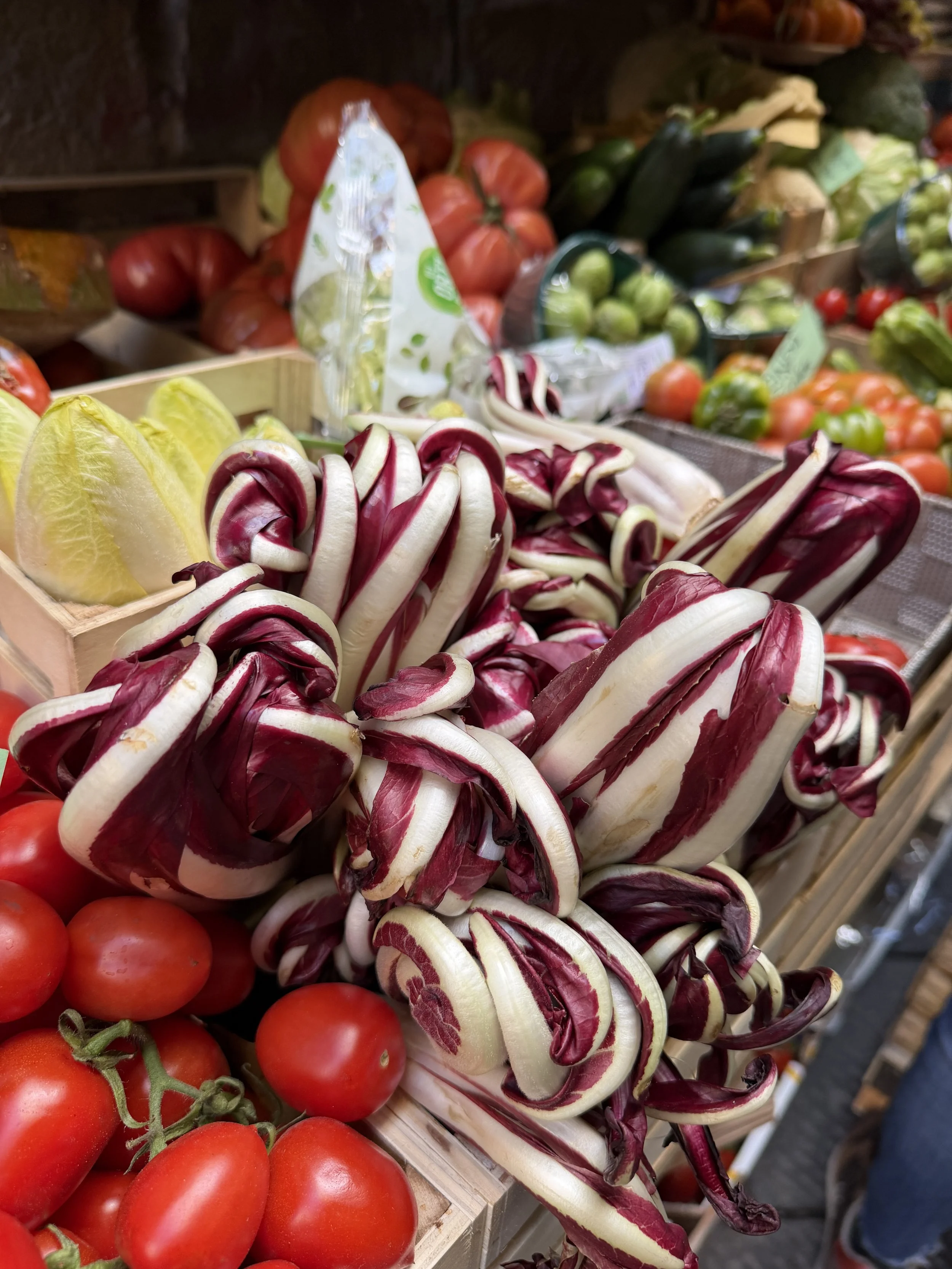
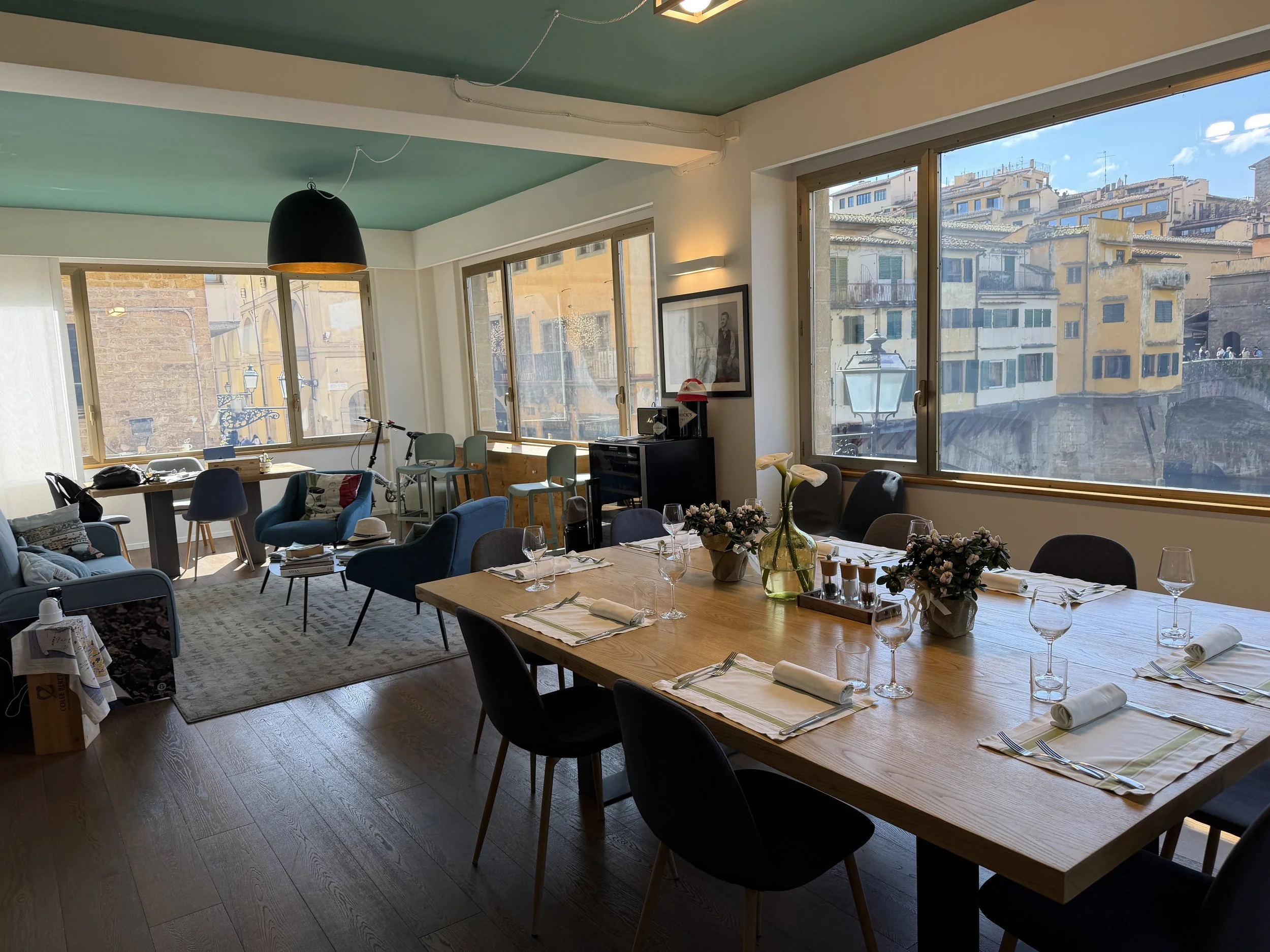
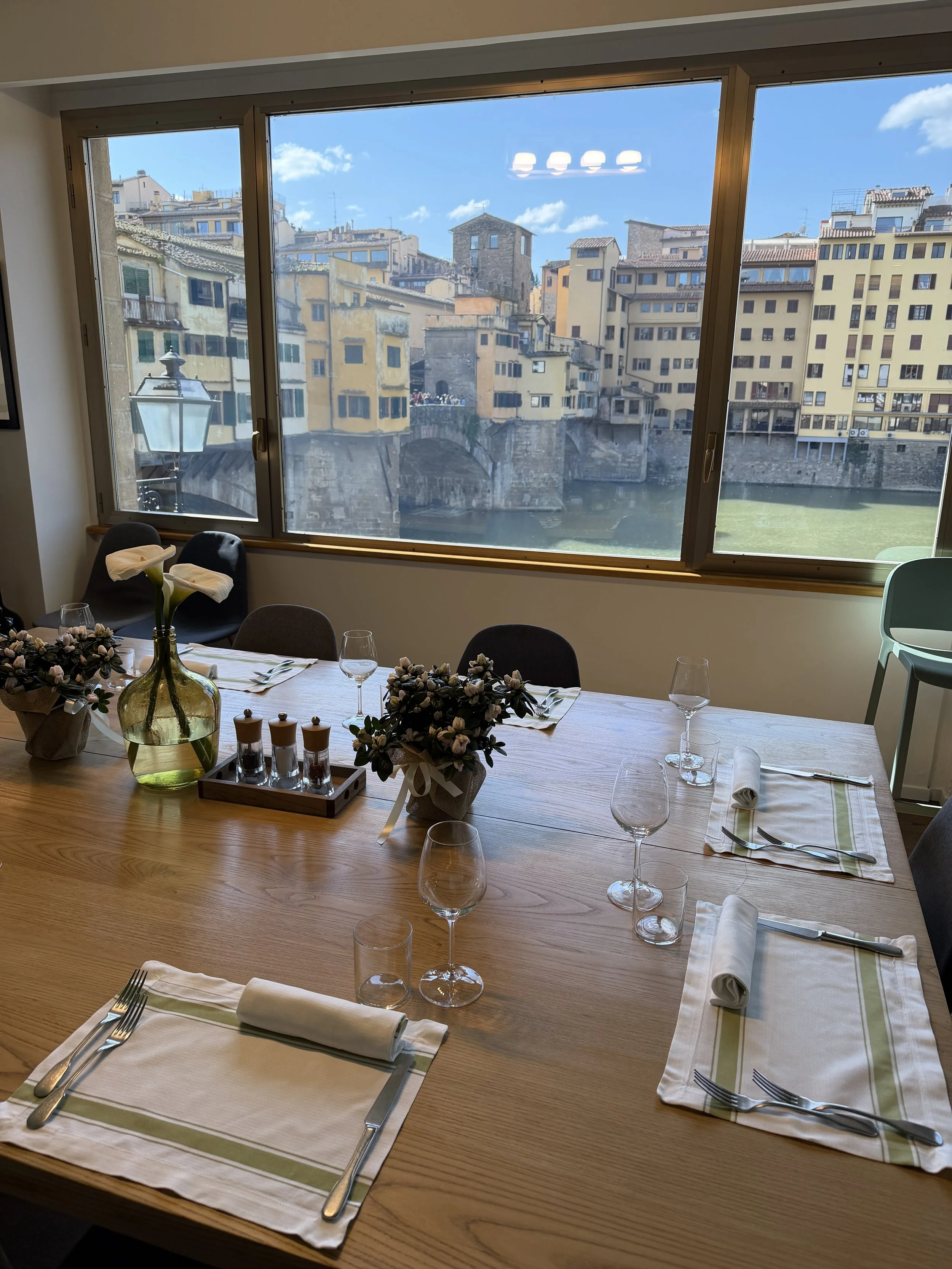
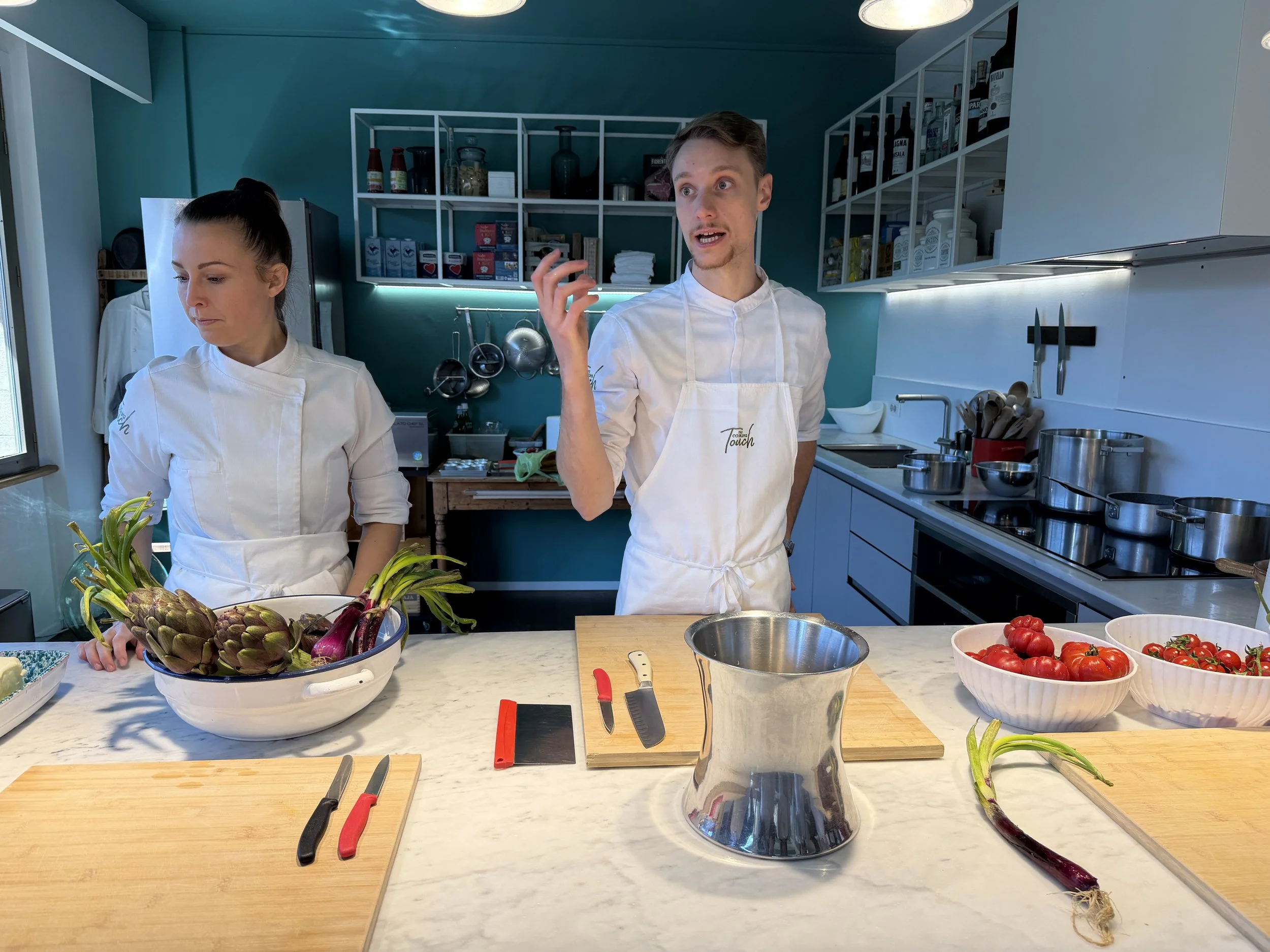
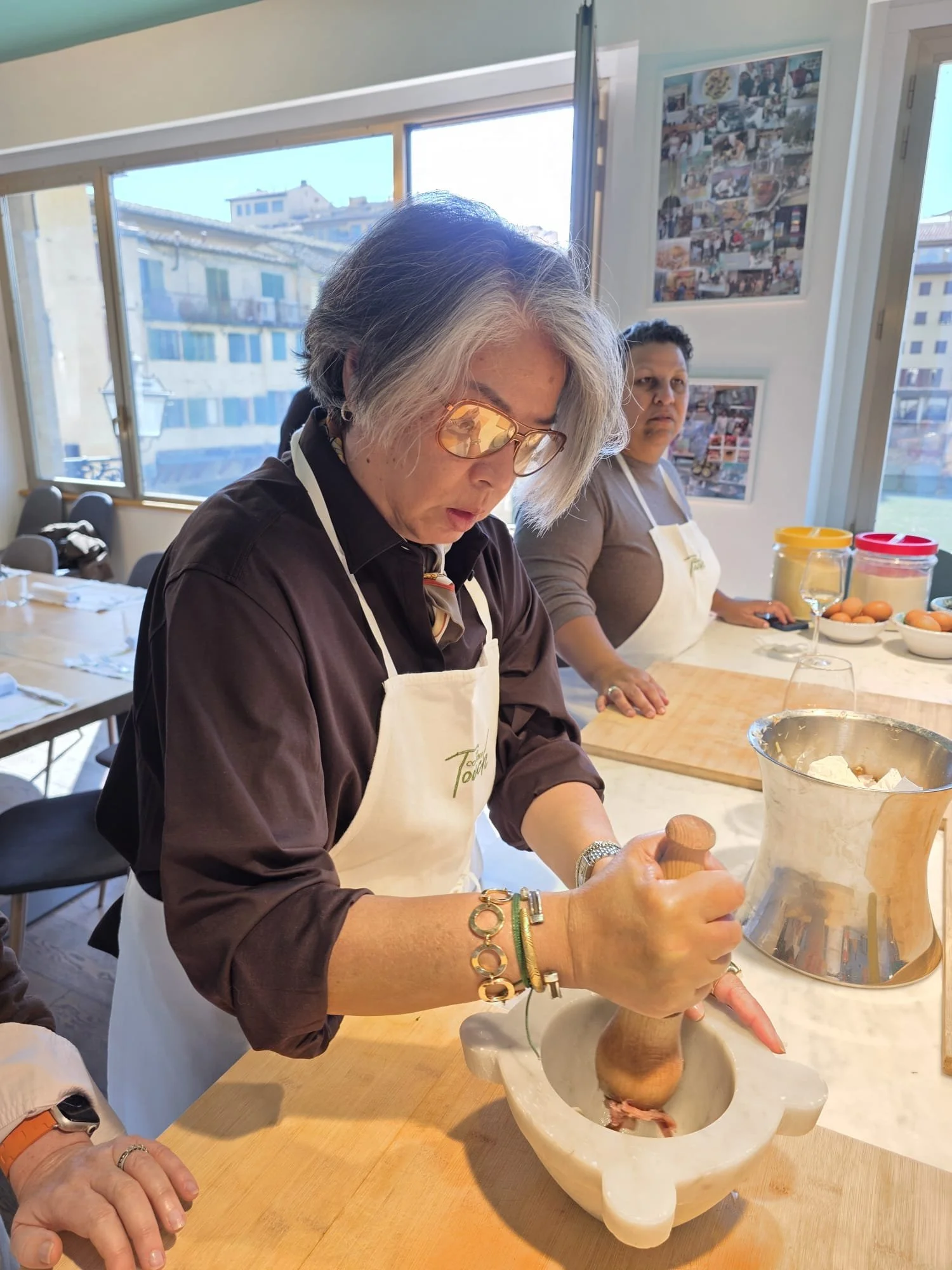
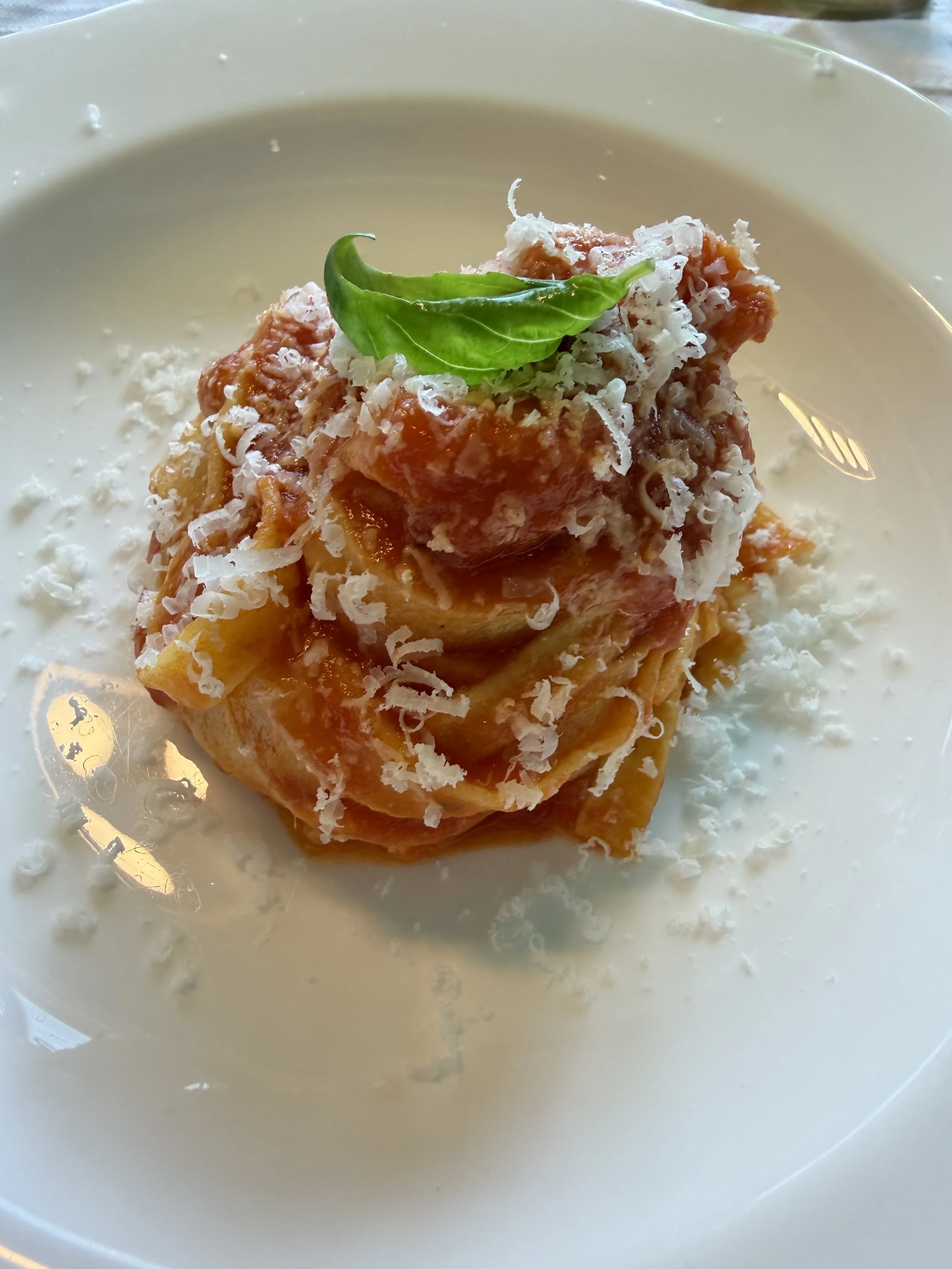
But one of my favorite moments was far more intimate: a cooking class near the Ponte Vecchio and the Arno. Travel shifts when you cook in a place—when you stir, taste, and sit down to eat something you’ve helped create. It closes the distance between visitor and destination in the most satisfying way.
And then, a small but meaningful detour for shopping.
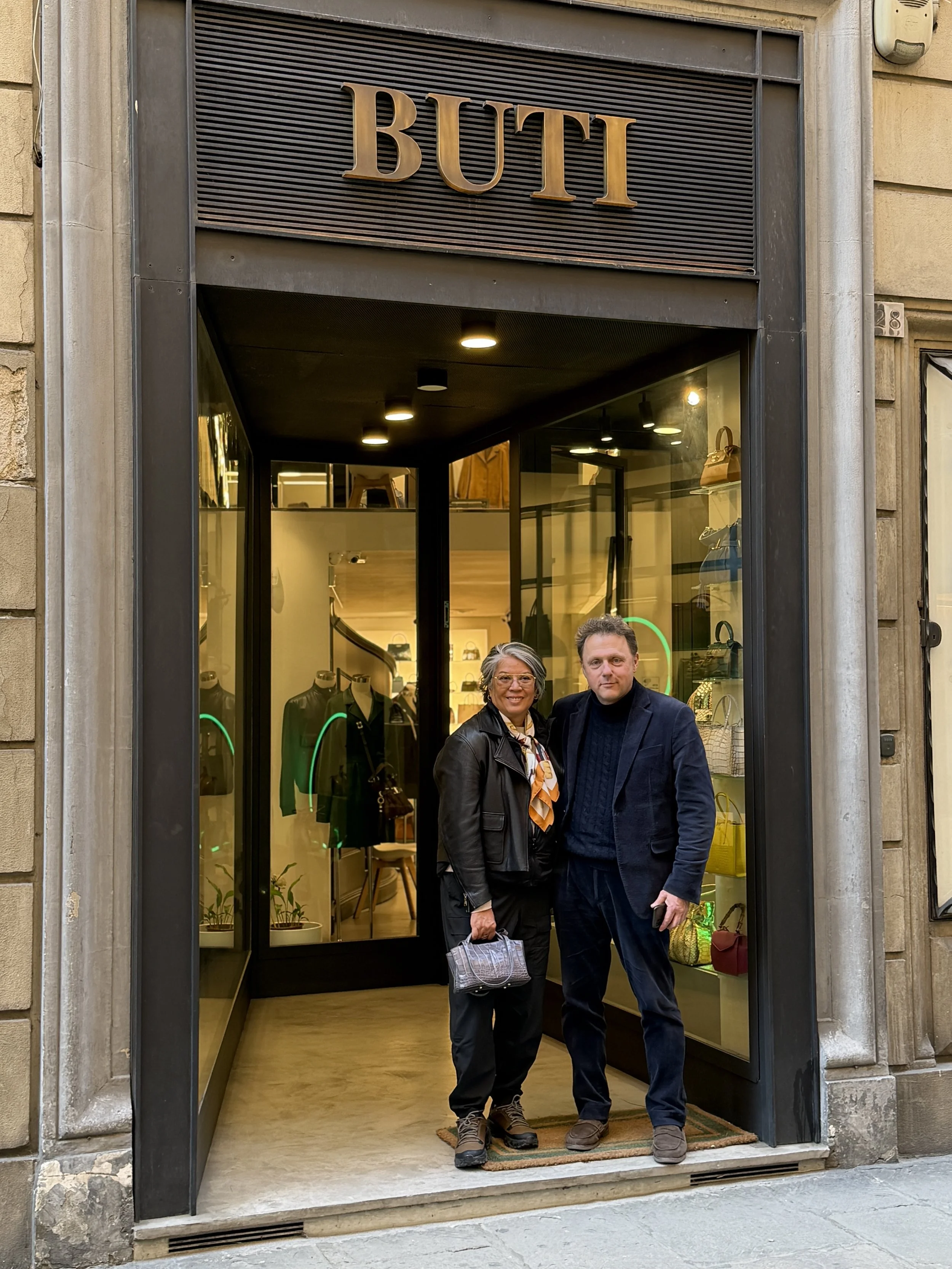
For those who appreciate true Italian craftsmanship, I always recommend BUTI Pelleterie, with two boutiques in Florence—on Via della Vigna Nuova 28R and Lungarno Acciaiuoli 54r, just steps from the Arno. This is not just another leather shop. BUTI was the manufacturer behind my brother’s handbag business, and I’ve personally visited their factory in Pisa. I know the family, I know their standards, and I can say with confidence that the quality is exceptional. If you’re going to bring home one leather piece from Florence, this is where I would go.
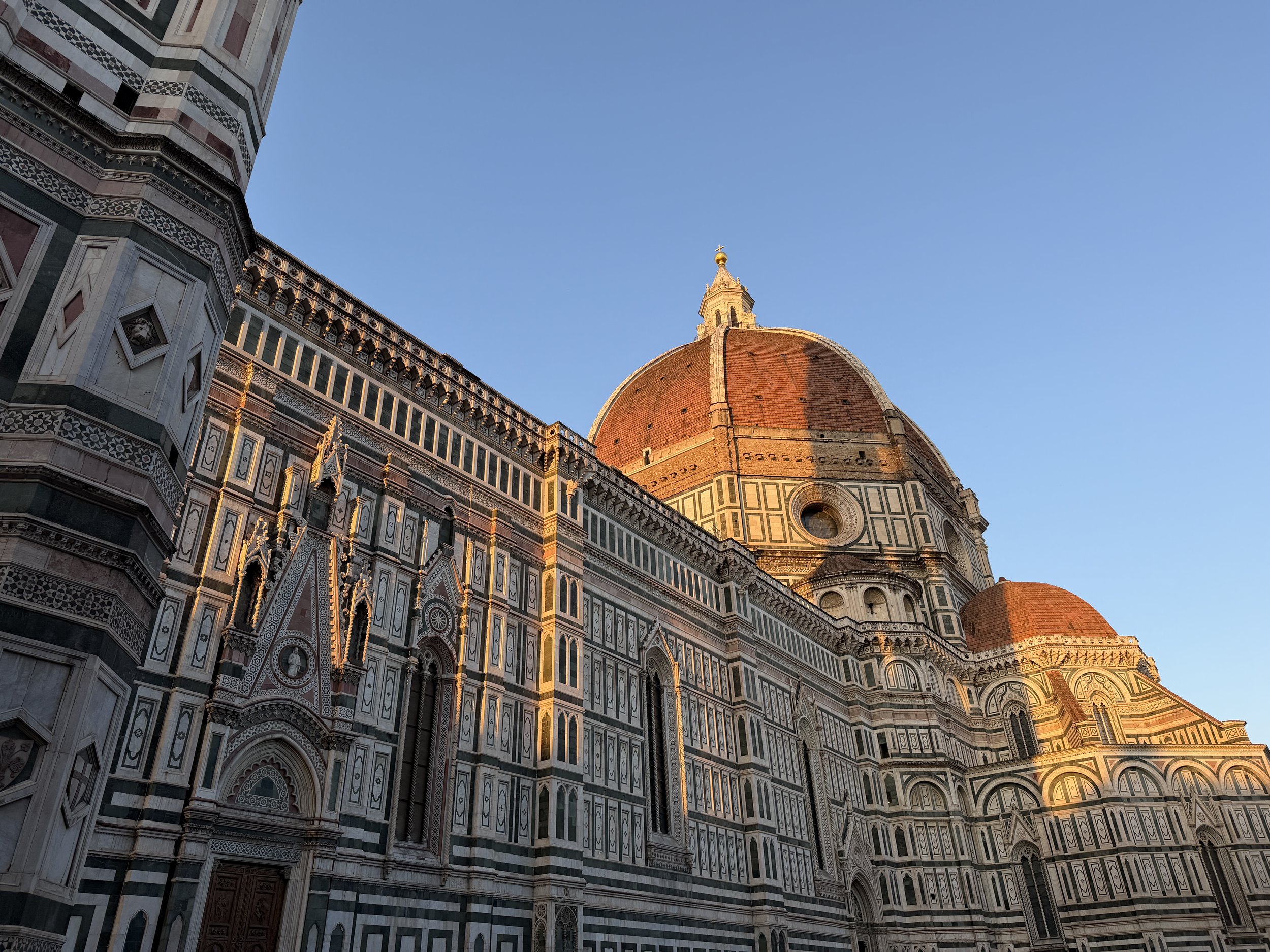
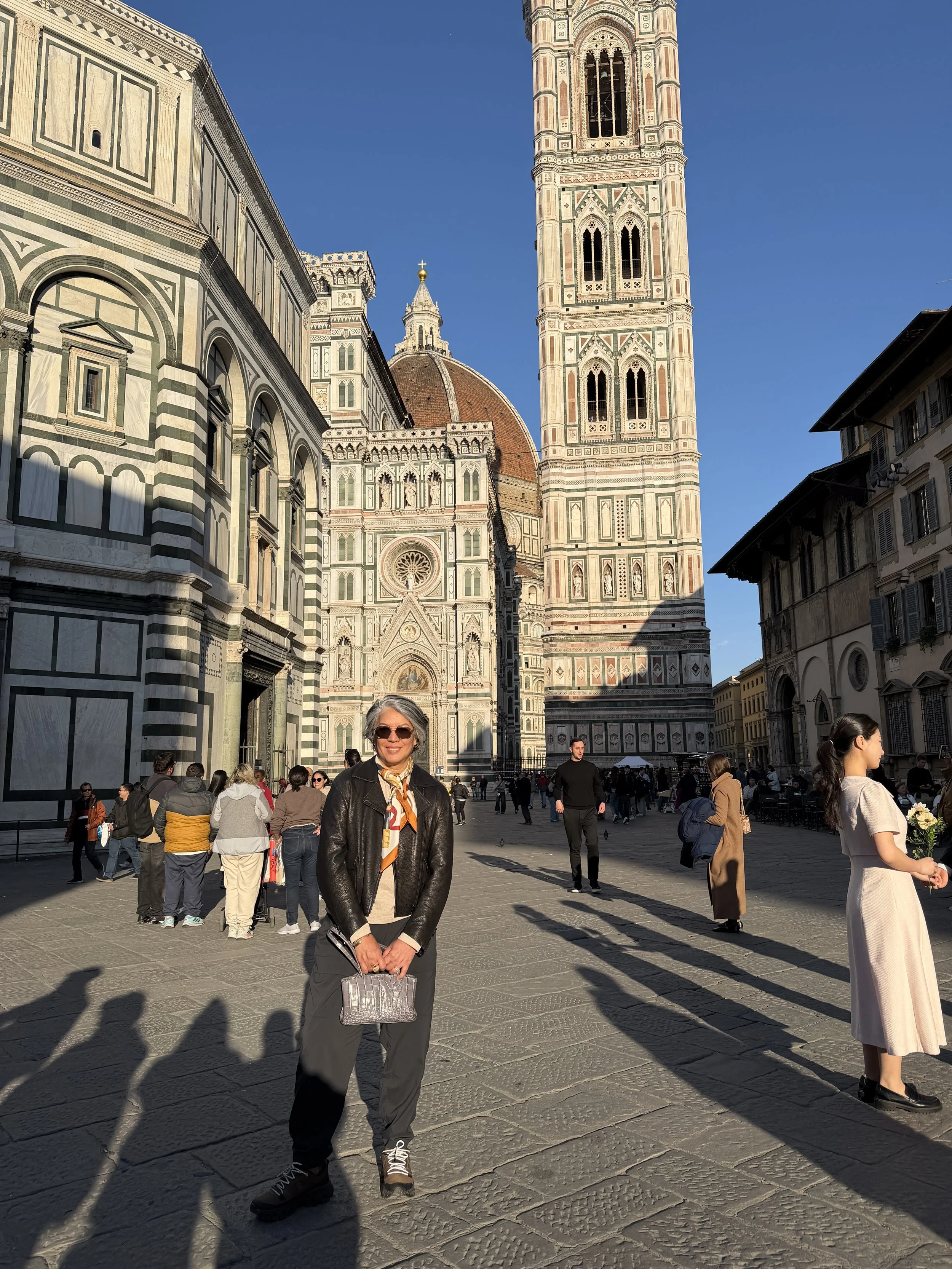
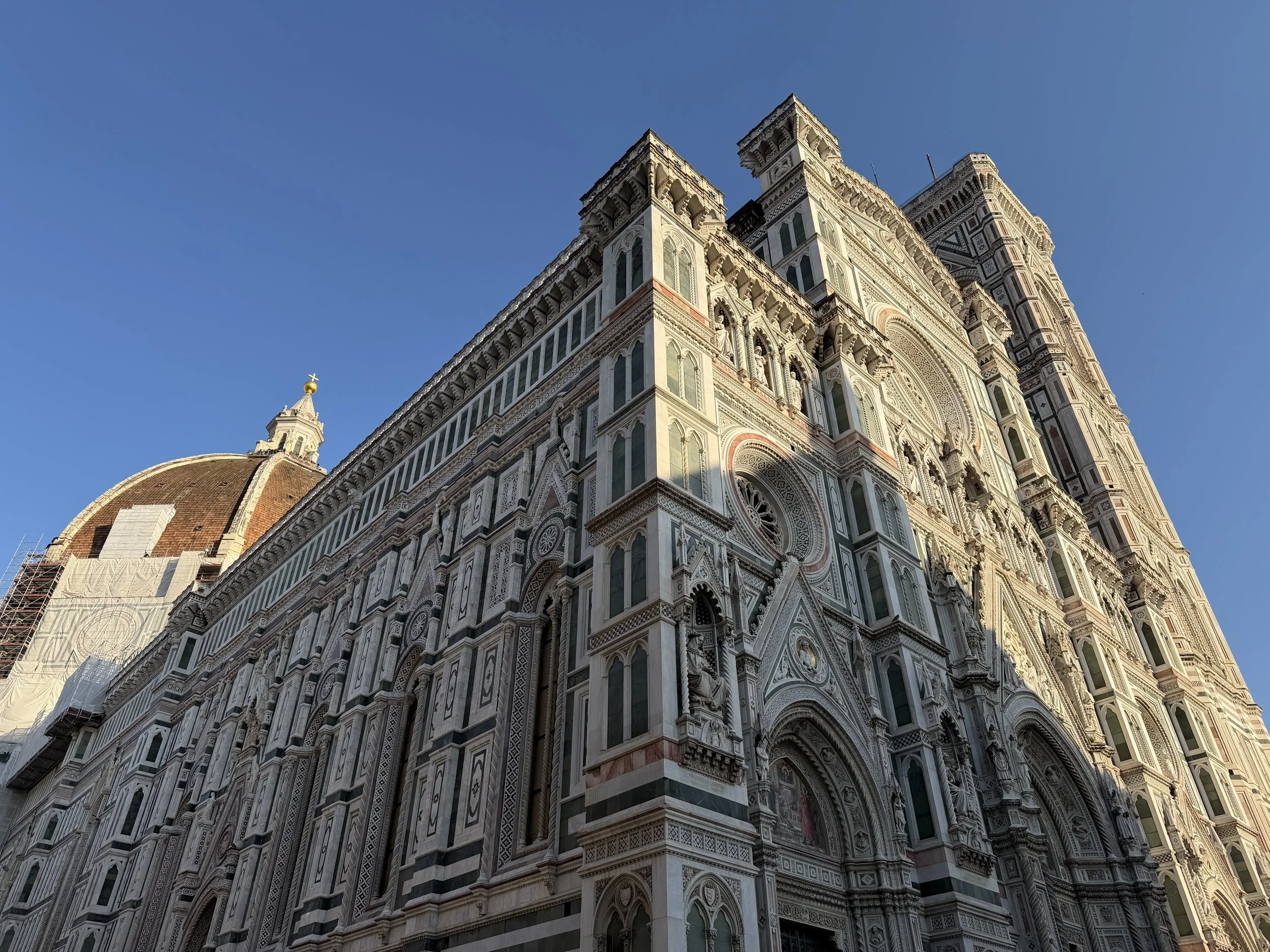
Where to Stay in Florence
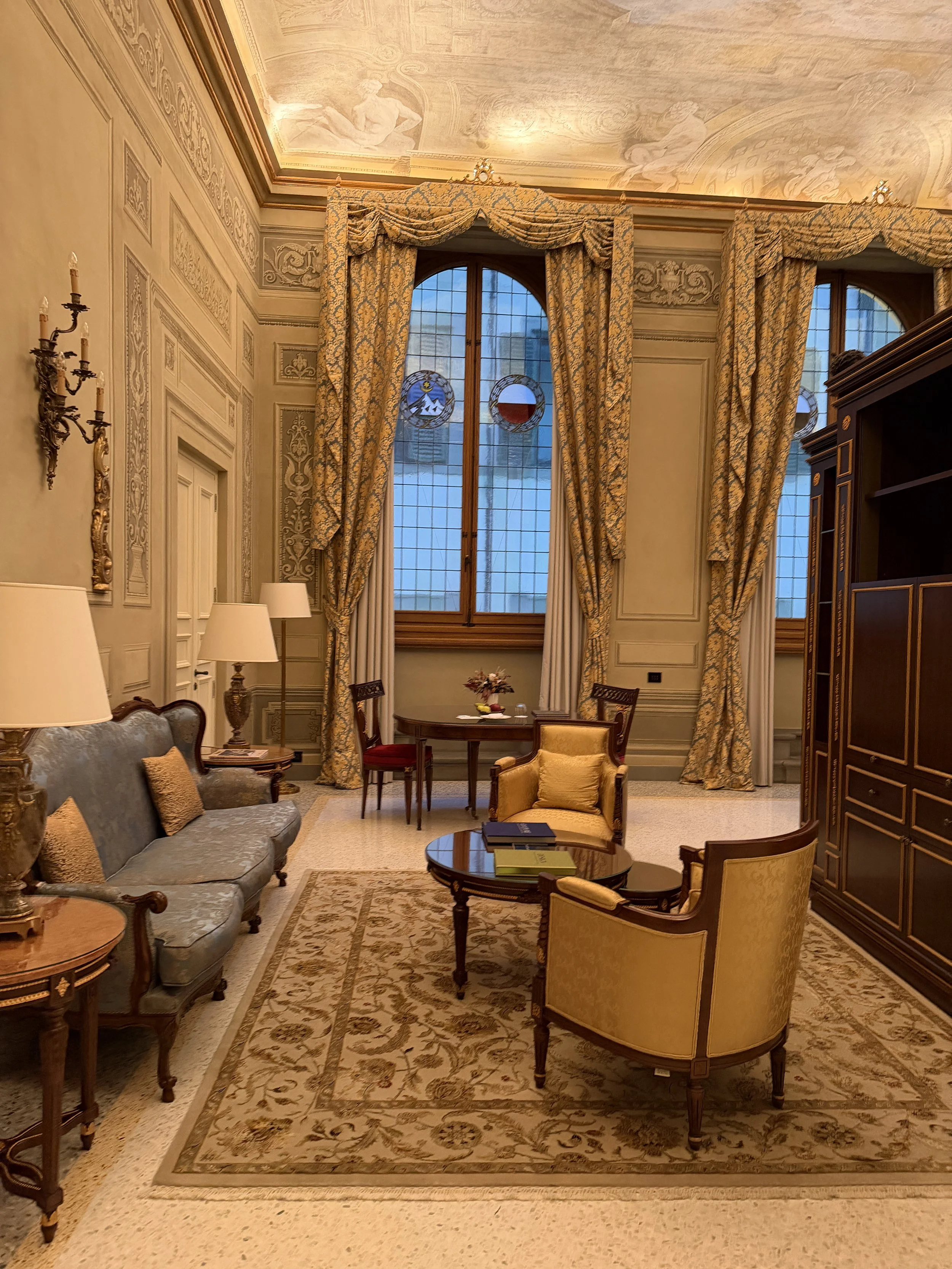
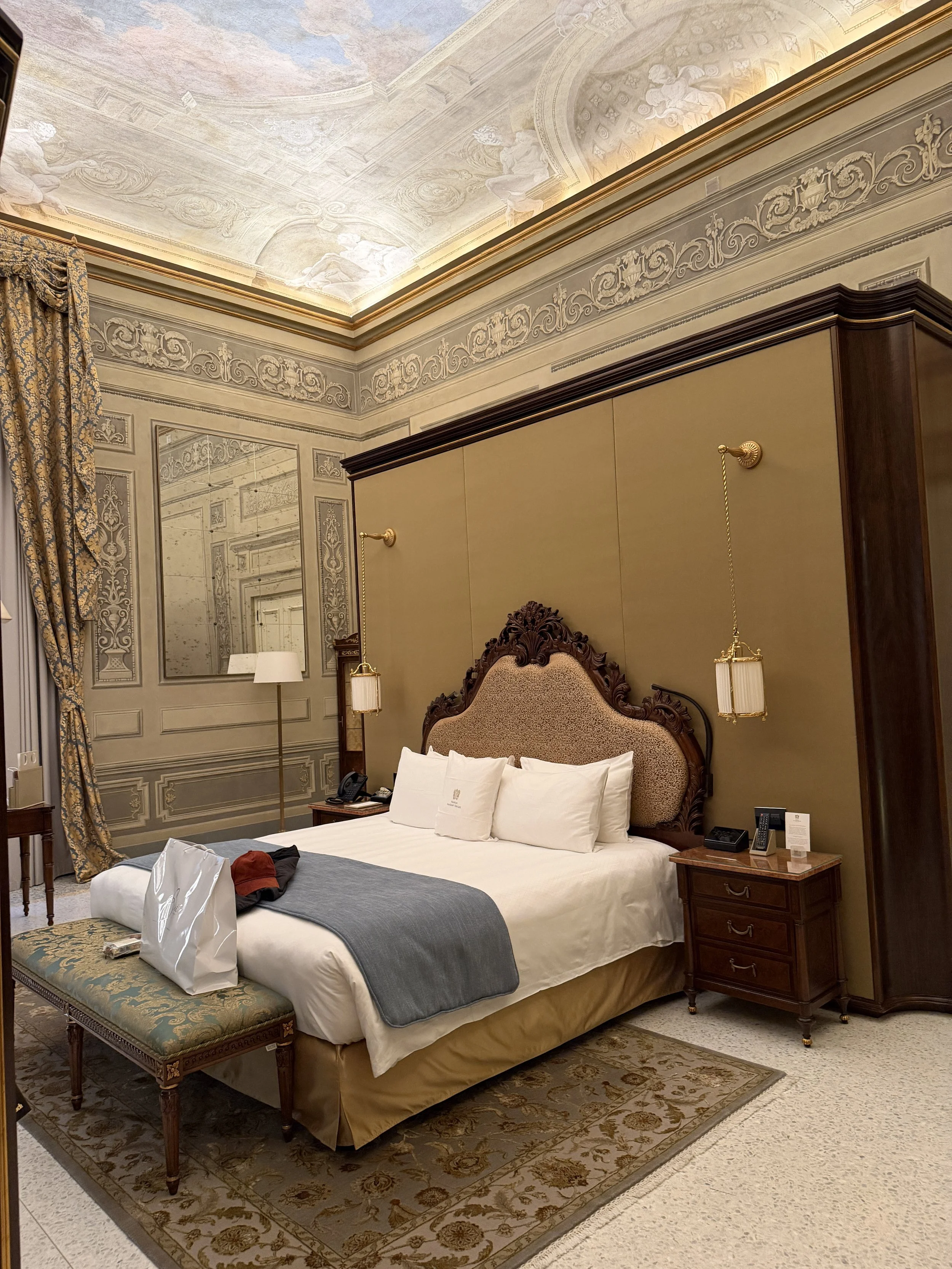
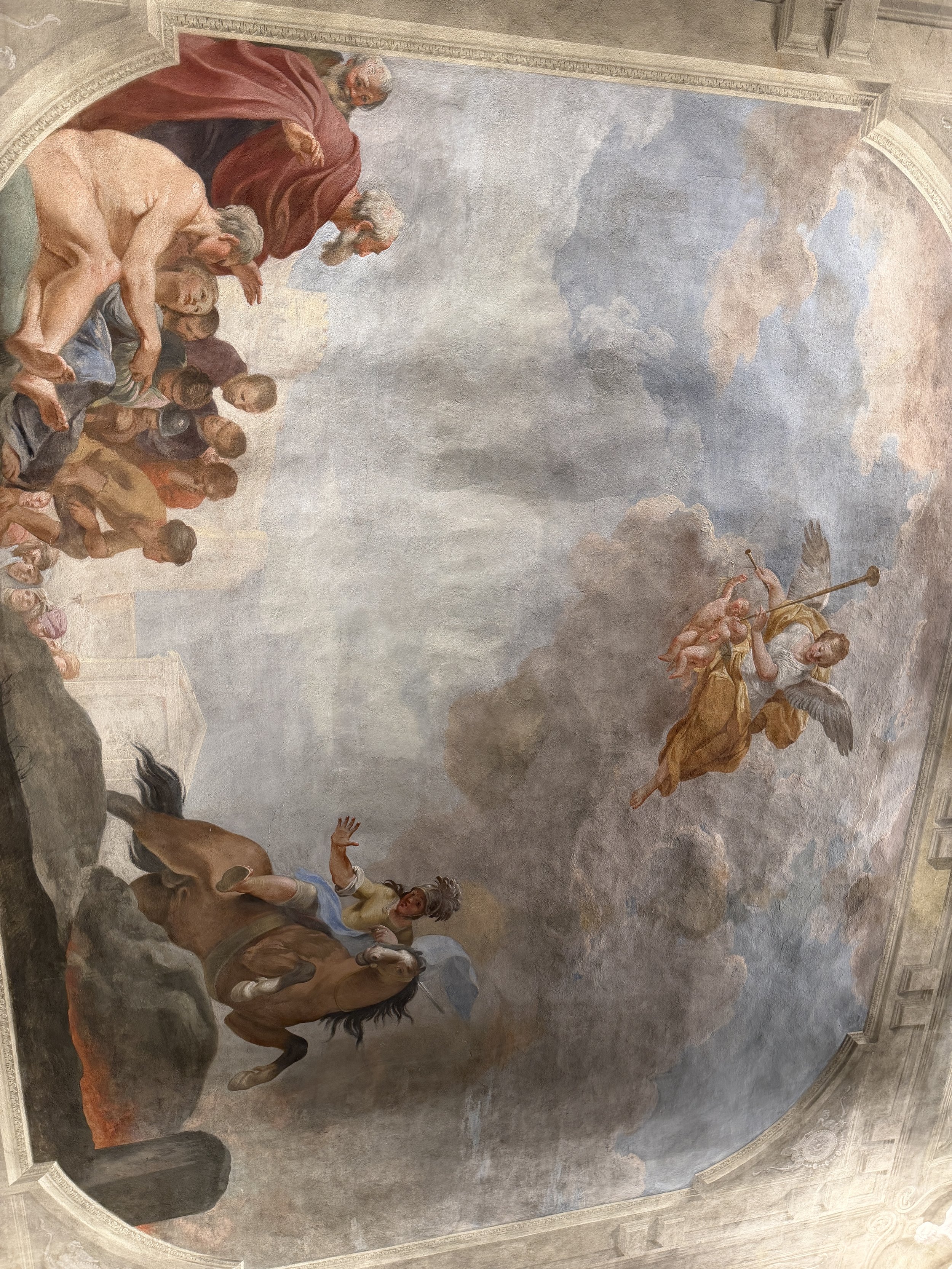
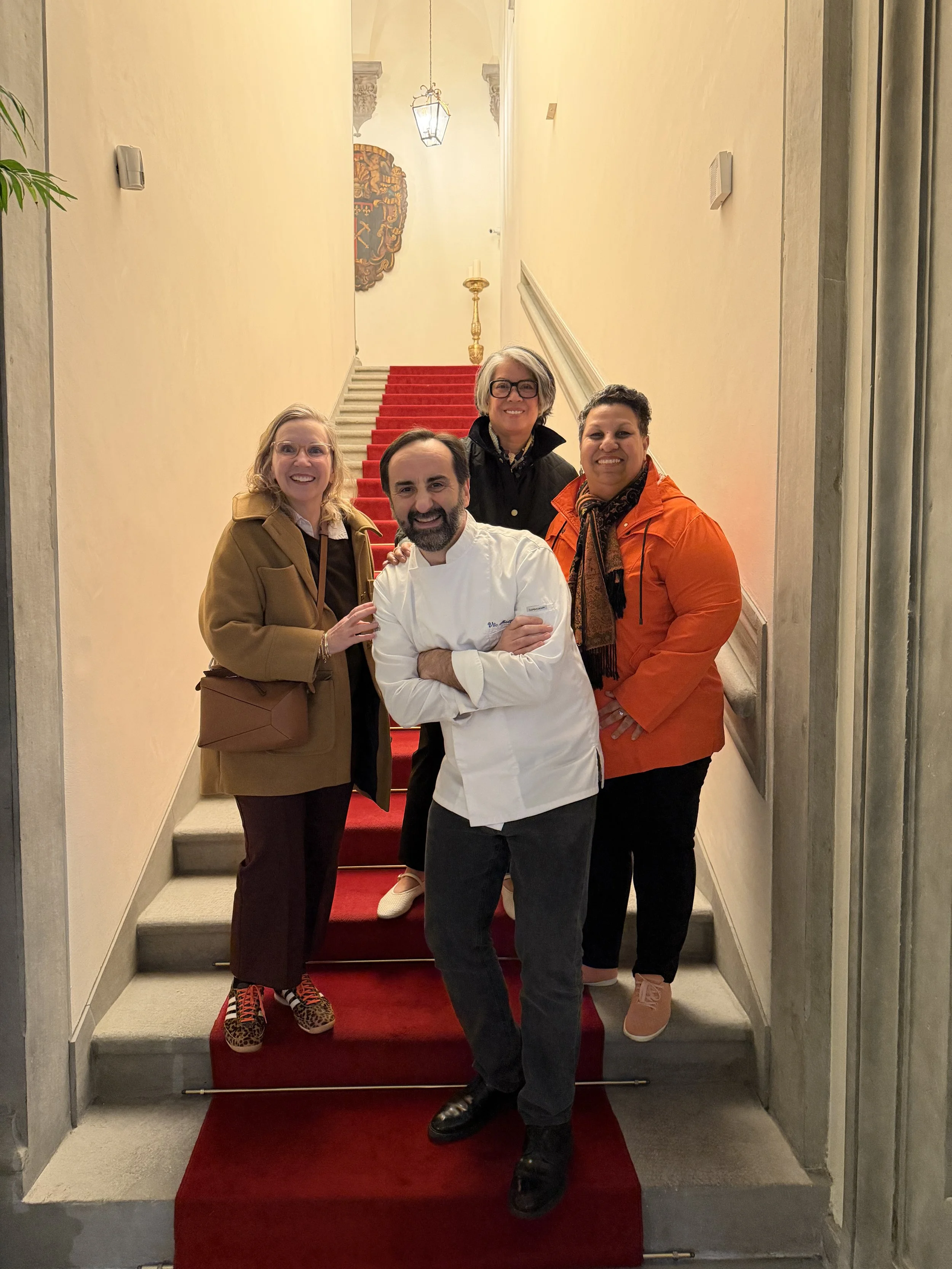
Palazzo Portinari Salviati completely won me over. With just 17 rooms, it feels intimate yet grand. The suites on the Piano Nobile—with their double-height, frescoed ceilings—feel less like hotel rooms and more like borrowed Florentine residences. It’s the kind of place that tempts you to linger.
Where to Eat in Florence
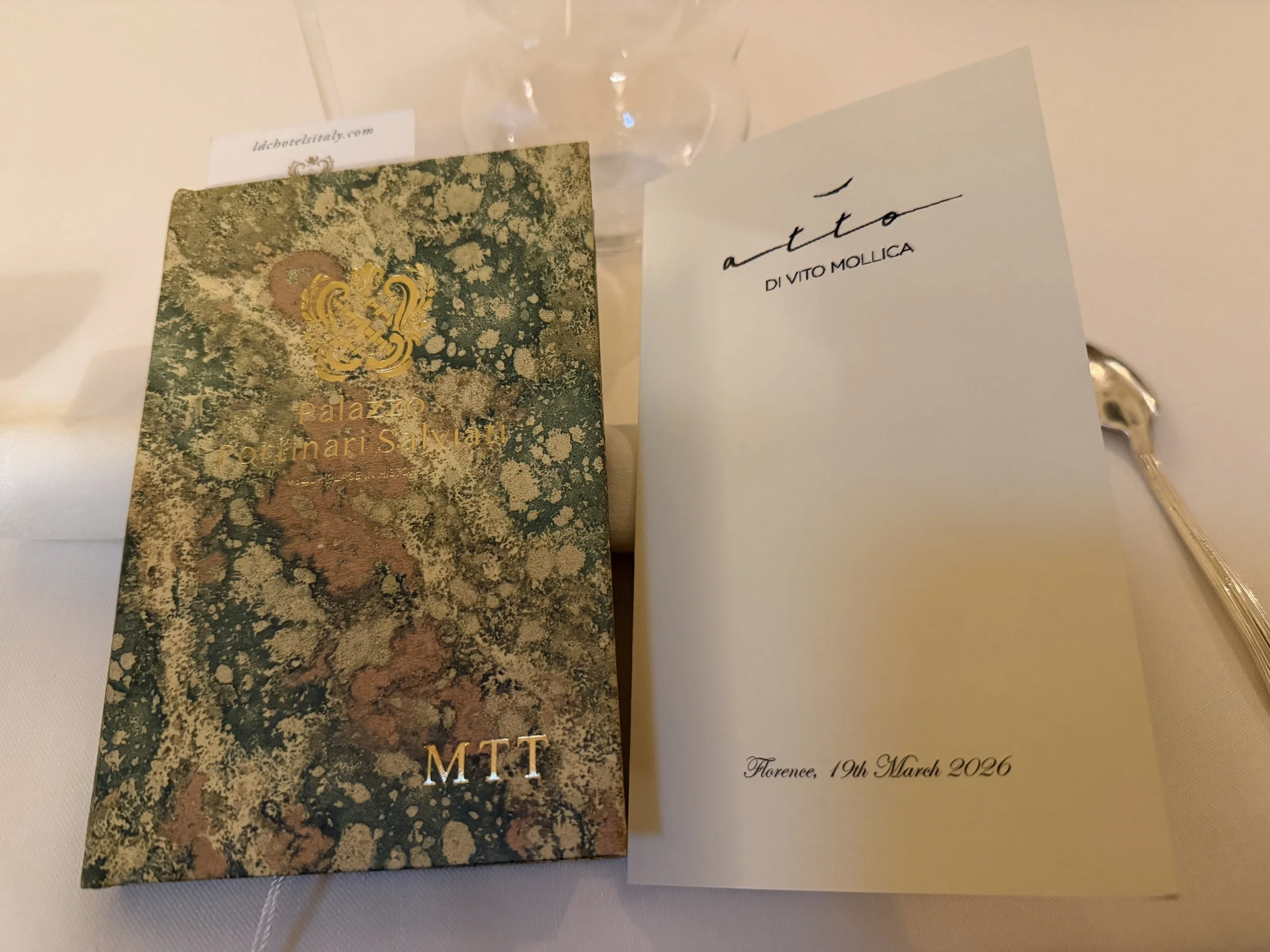
Atto di Vito Mollica delivers Michelin-starred precision with warmth.
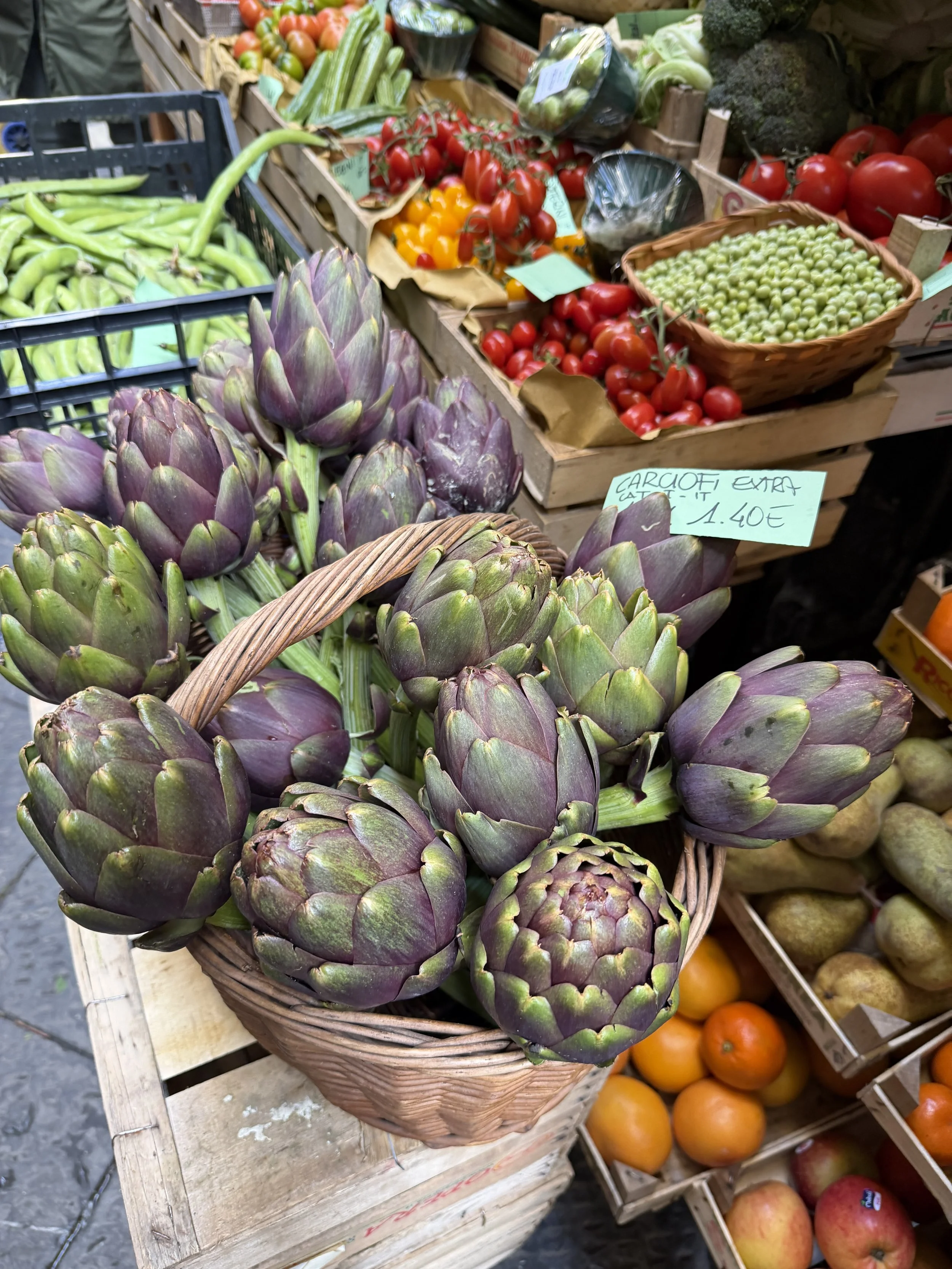
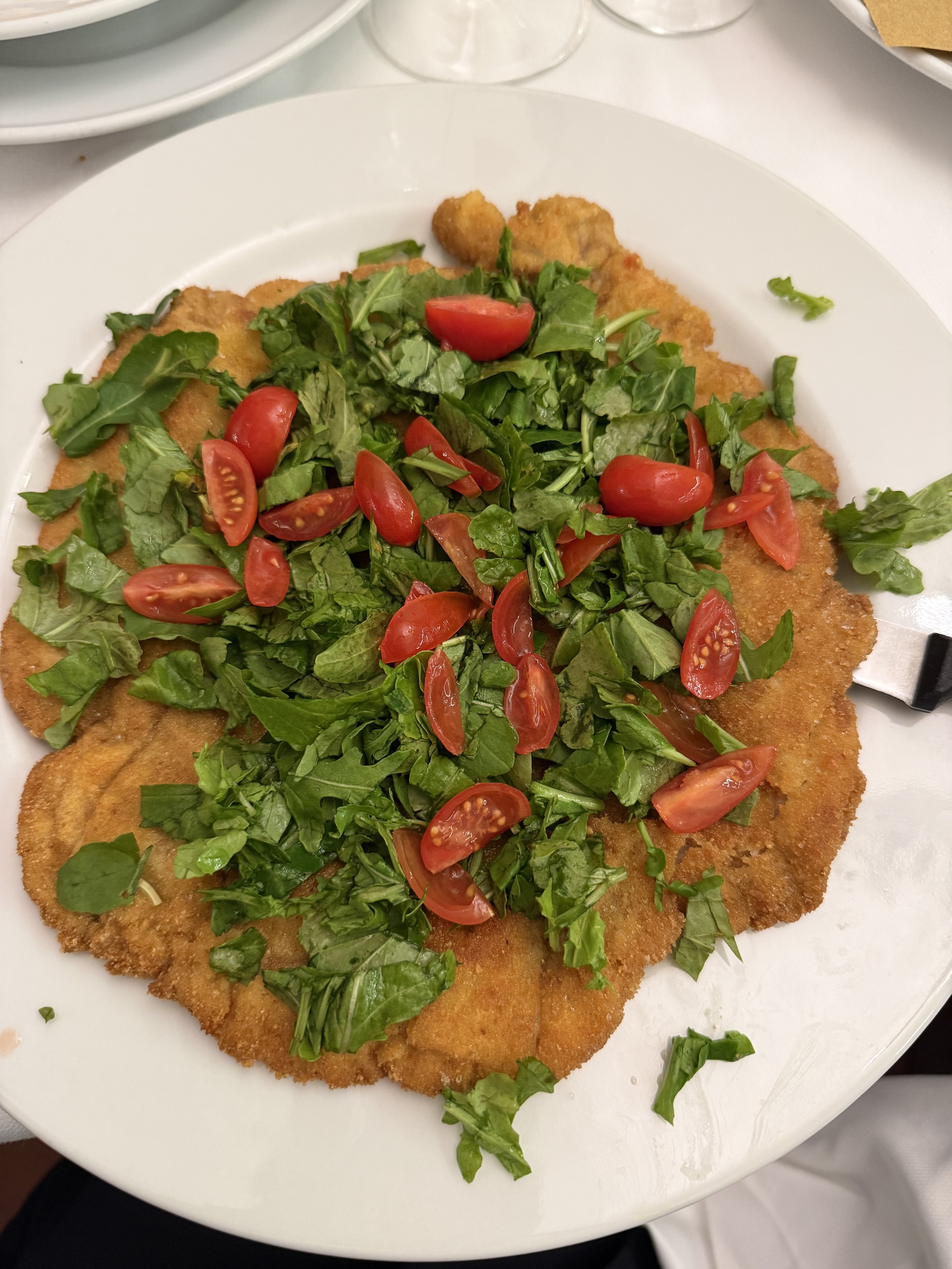
Trattoria Cammillo, open since 1960, offers something equally valuable: energy, comfort, and confidence. Sit near the kitchen, order the artichoke salad, and embrace the chaos.
Viareggio and the Tuscan Coast: Sea Air and Marble
Viareggio was entirely new to me, and perhaps that’s why it felt so refreshing. There’s an old-world glamour here—less polished than other coastal hotspots, but all the more appealing for it.
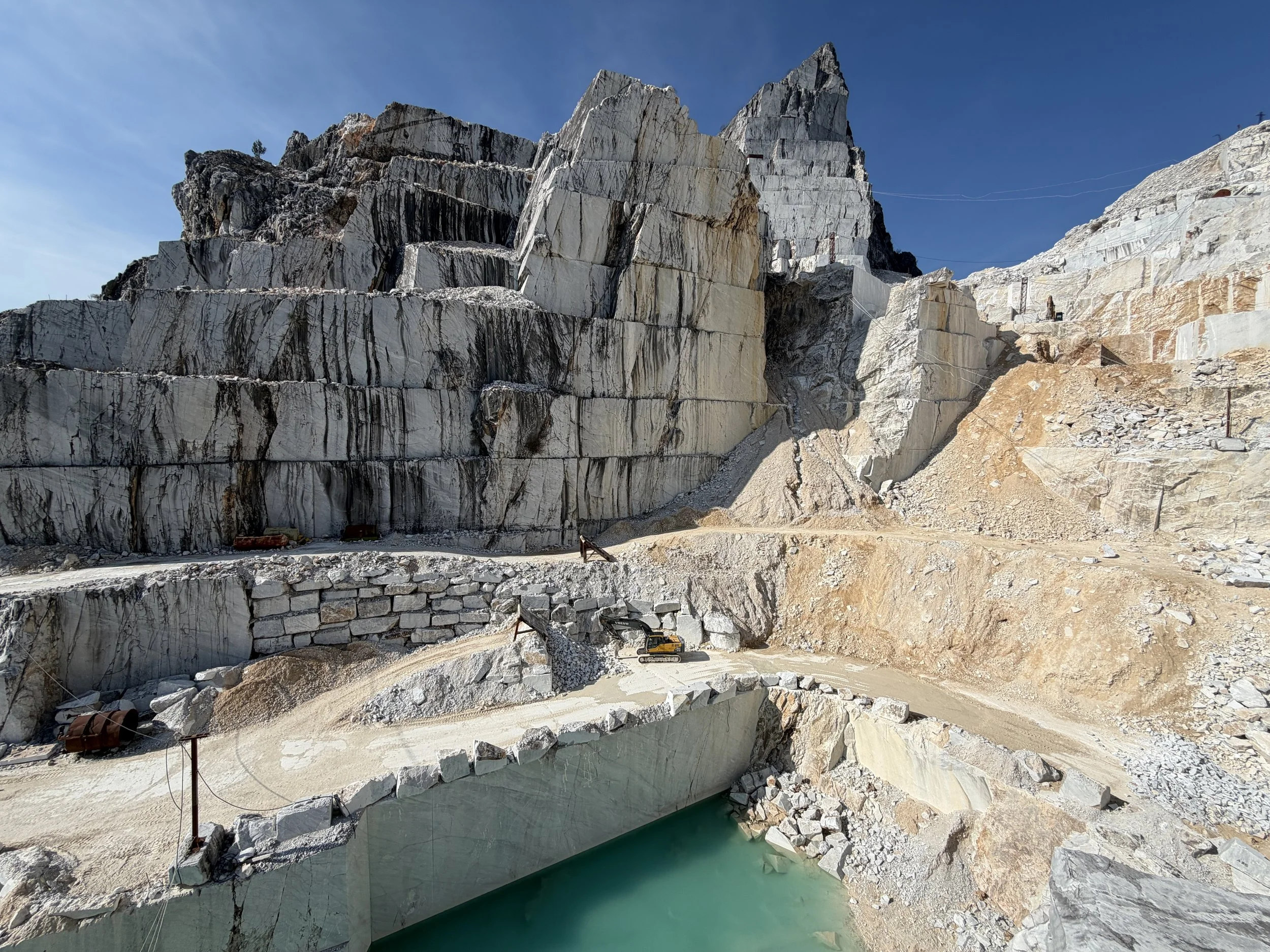
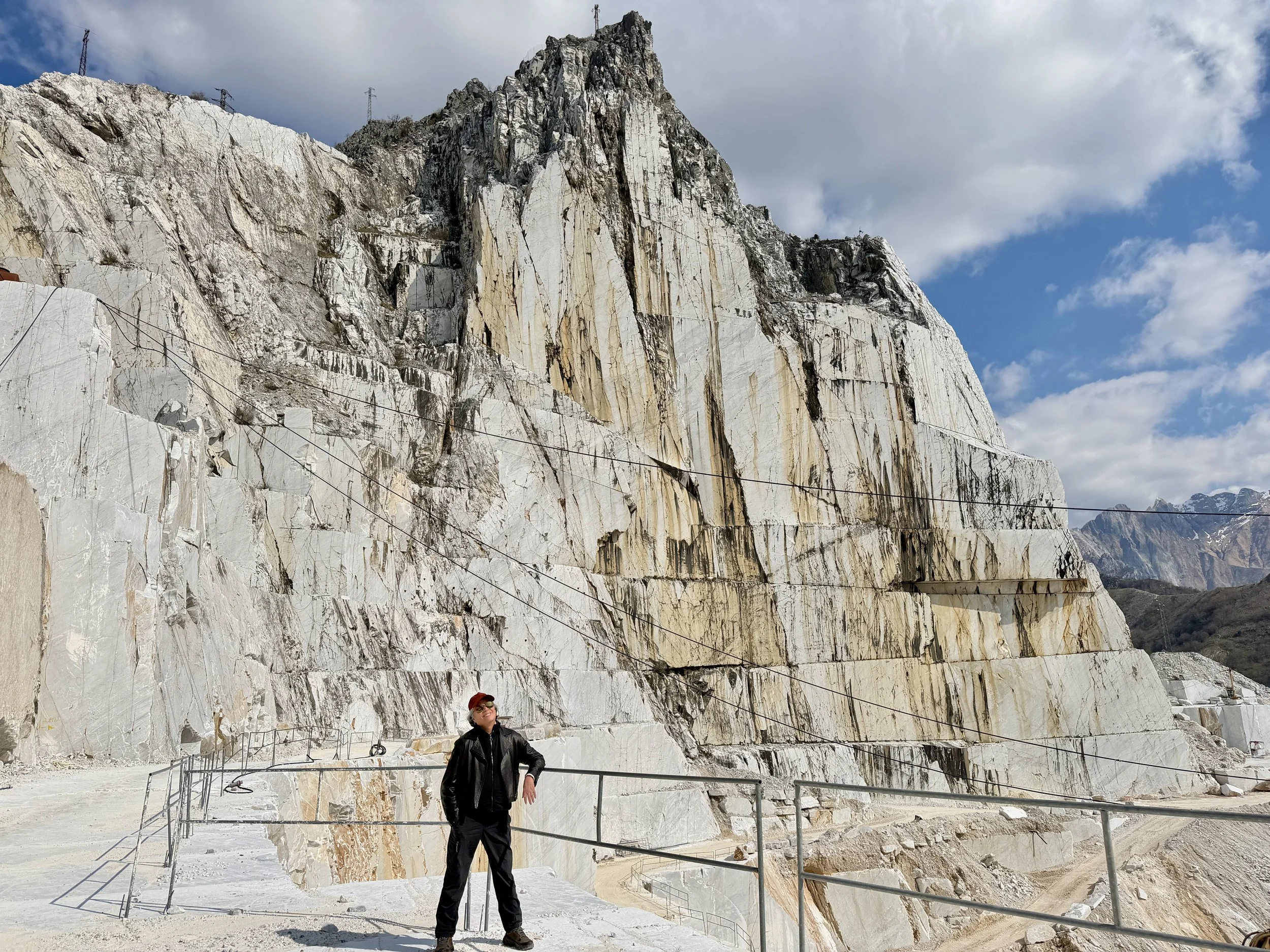
From here, we drove into a Carrara marble quarry, and suddenly every piece of marble I’ve ever admired—from sculptures to hotel bathrooms—felt different. The landscape is stark and monumental, blindingly white, and quietly awe-inspiring. It’s beauty at its rawest, before refinement.
Dinner in Forte dei Marmi added a completely different note: beach clubs, music, and a lively, polished crowd that reminded me Italy does glamour just as well as it does history.

Where to Stay in Viareggio
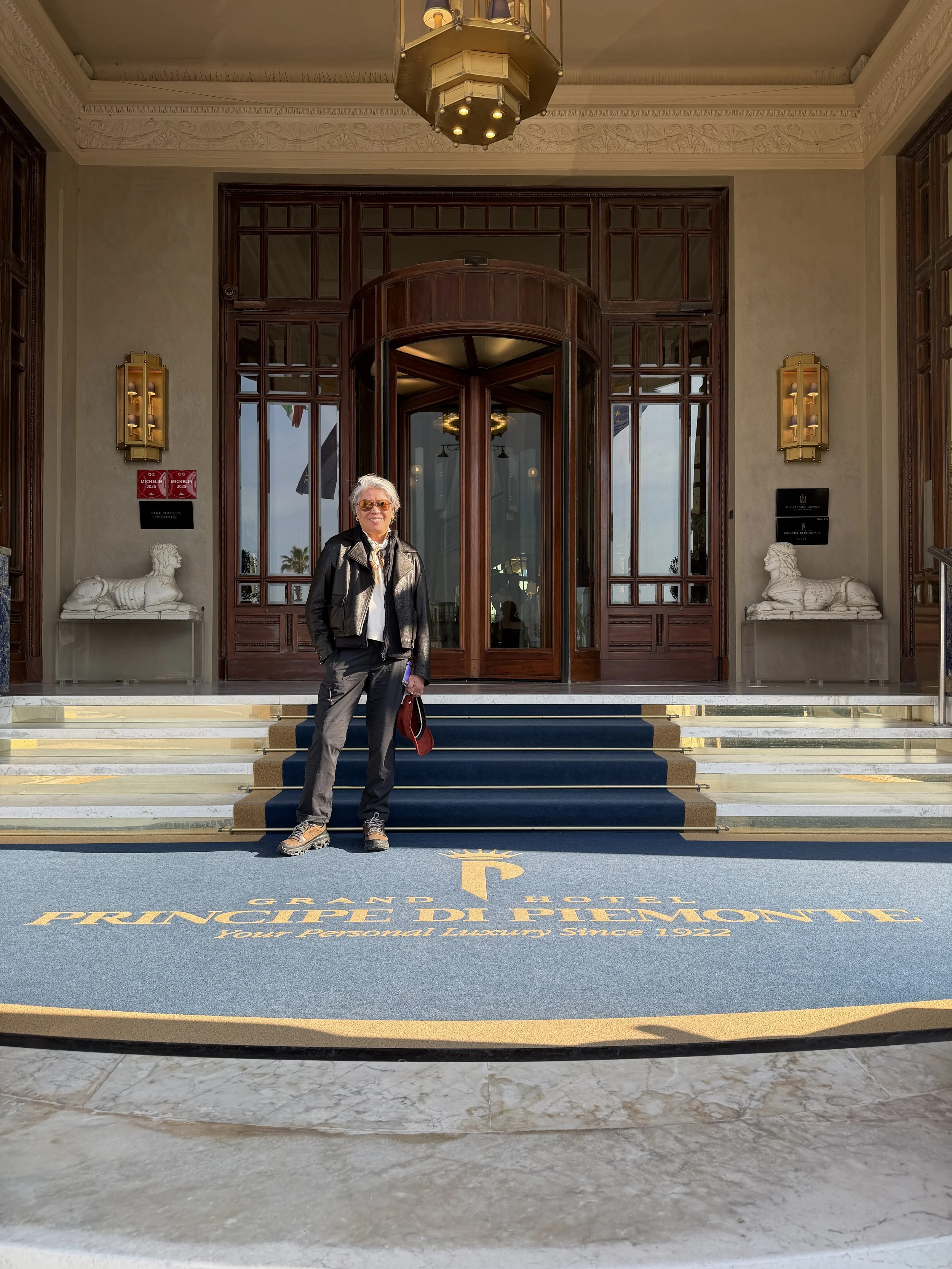
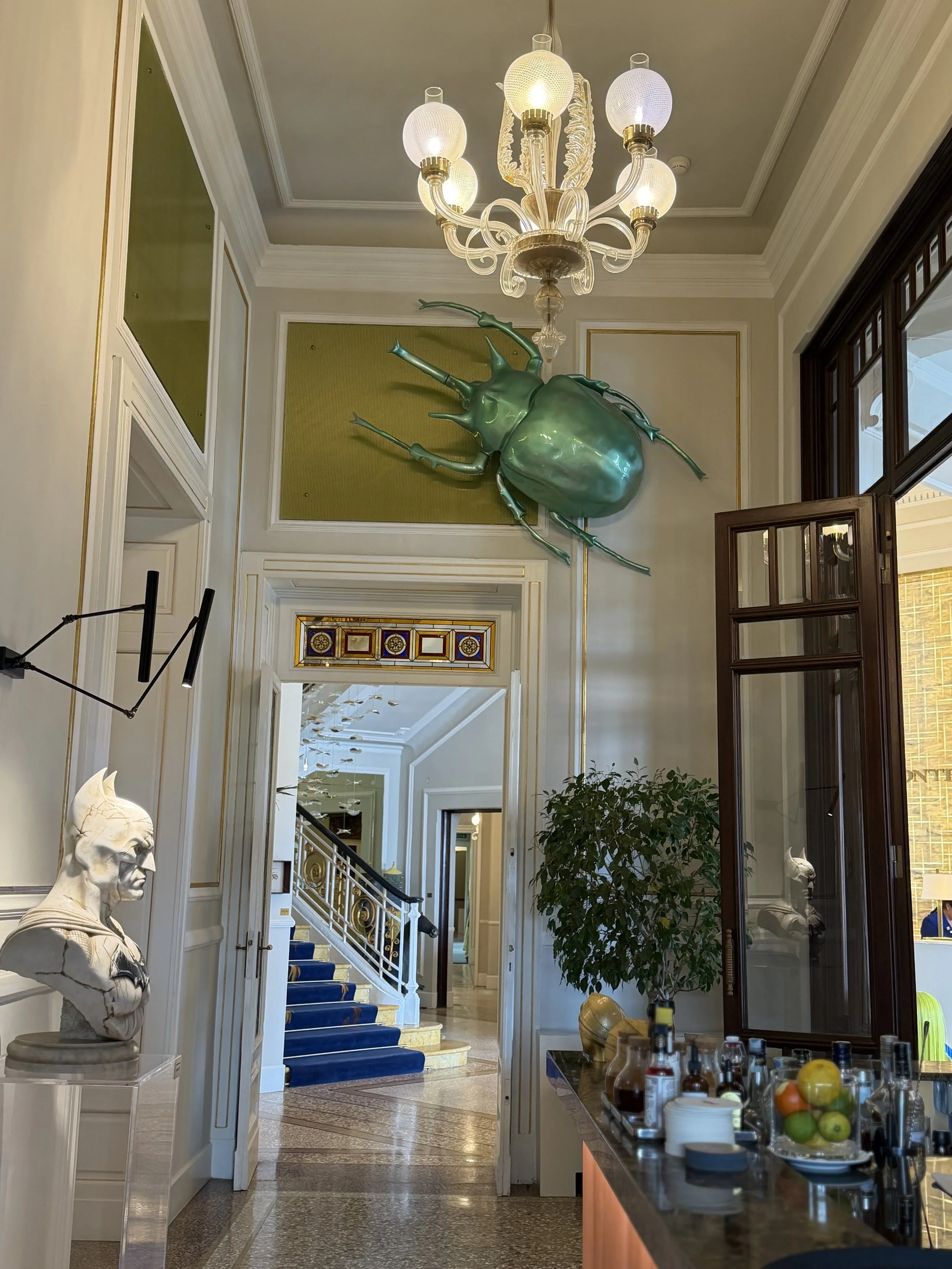
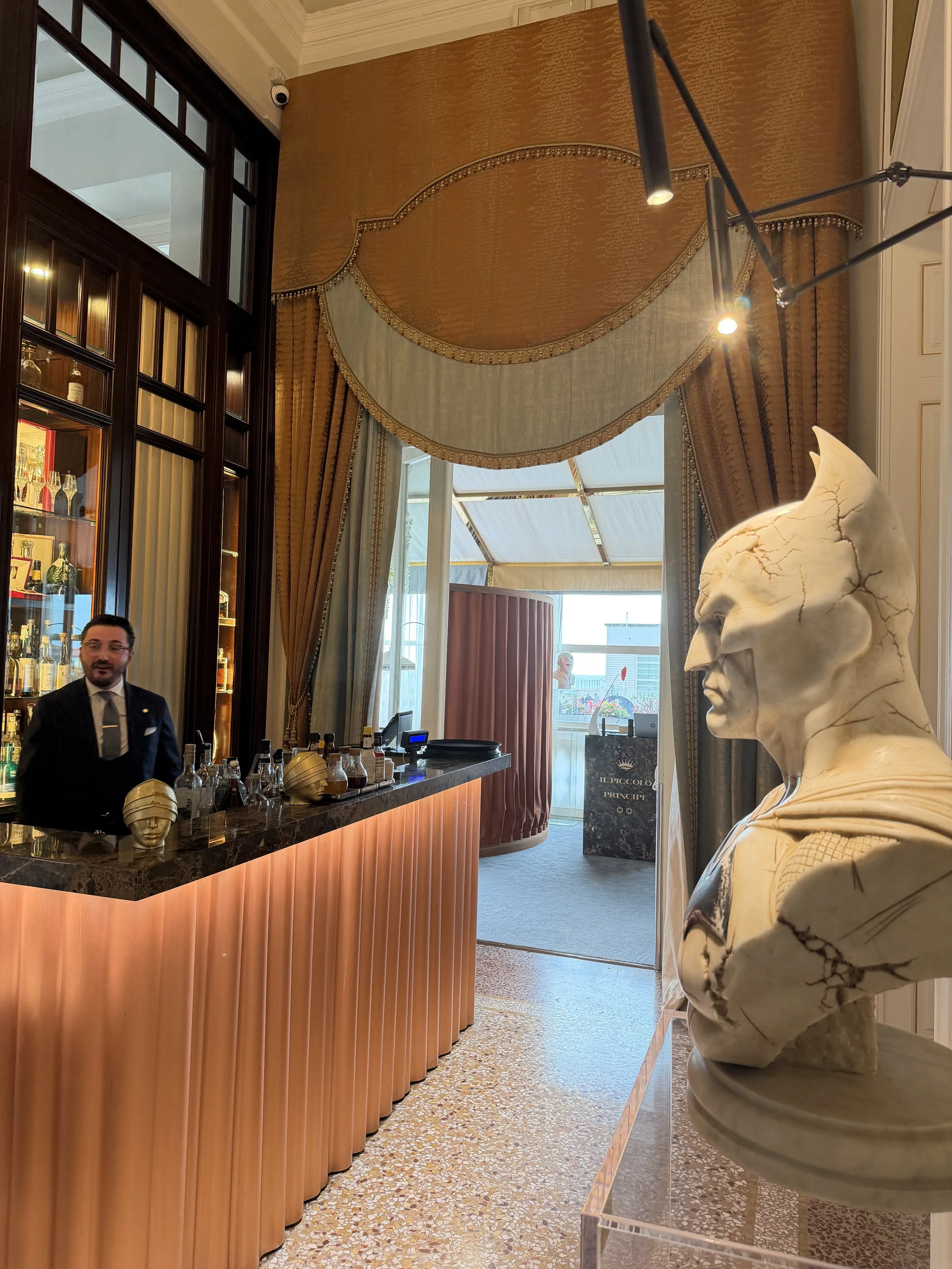
Grand Hotel Principe di Piemonte, built in the 1920s, is a true grande dame. Set directly across from the beach, its 80 rooms and suites carry that classic Riviera elegance, complemented by a private collection of modern art.
Where to Eat Along the Coast
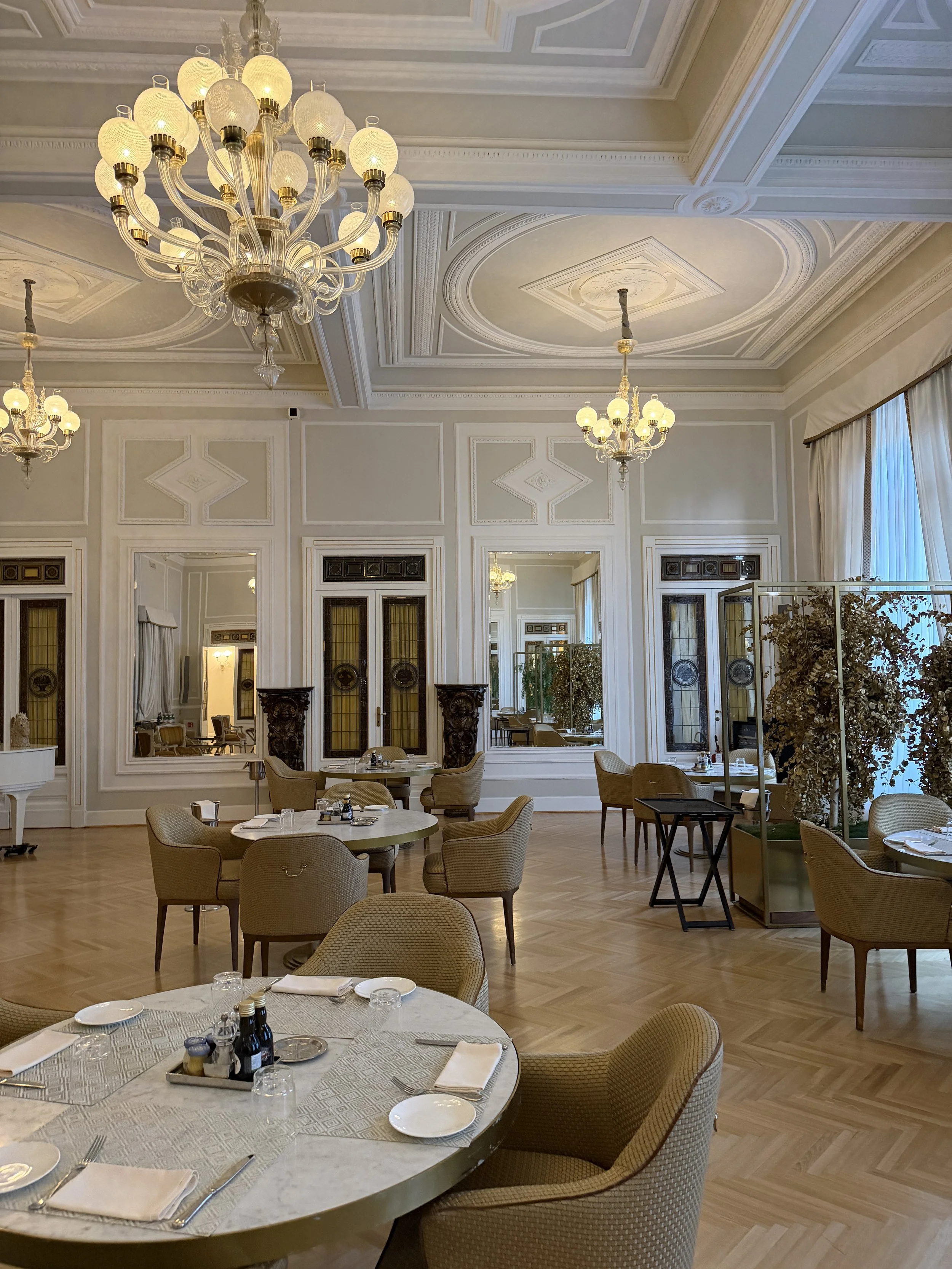
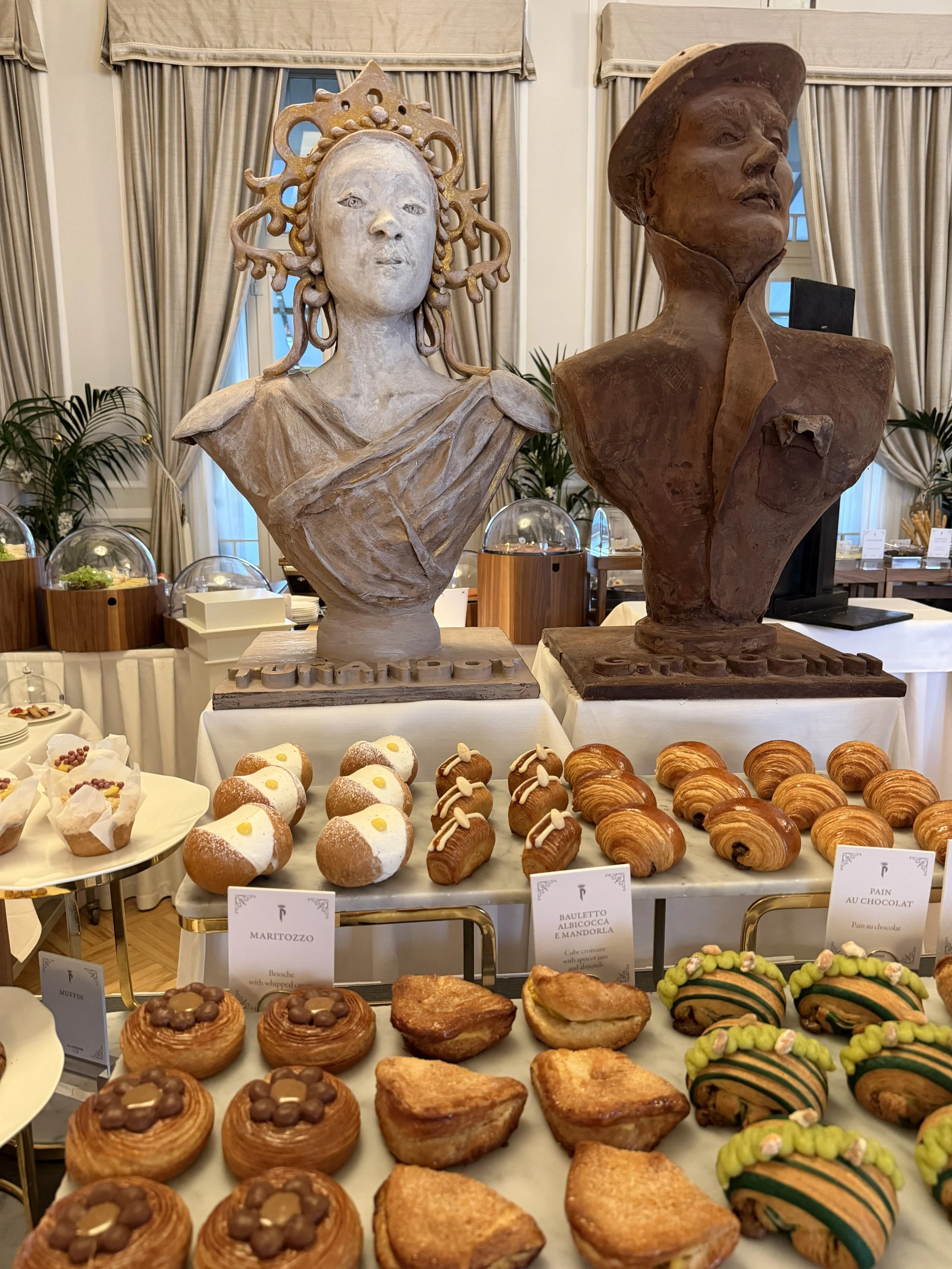
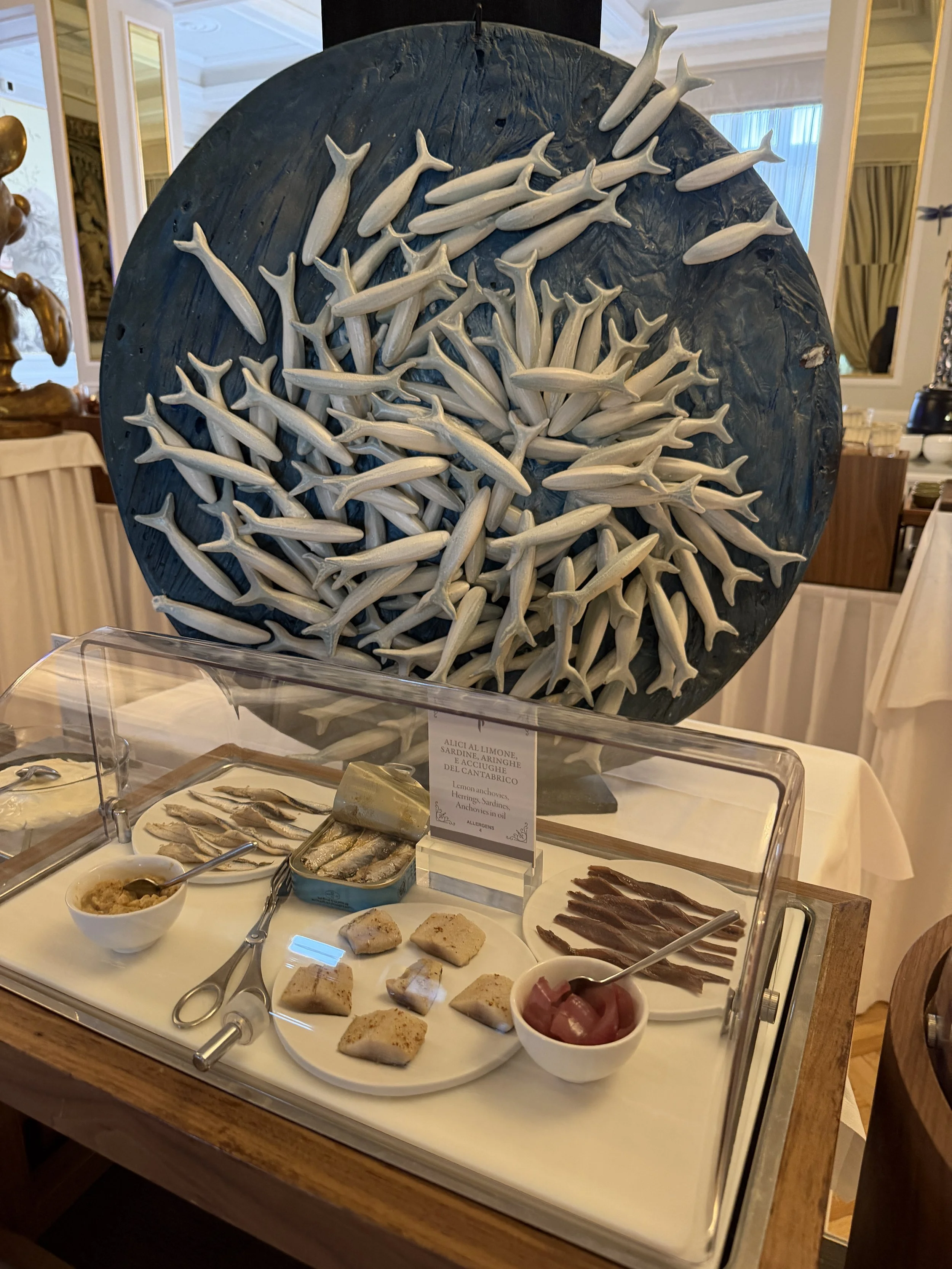
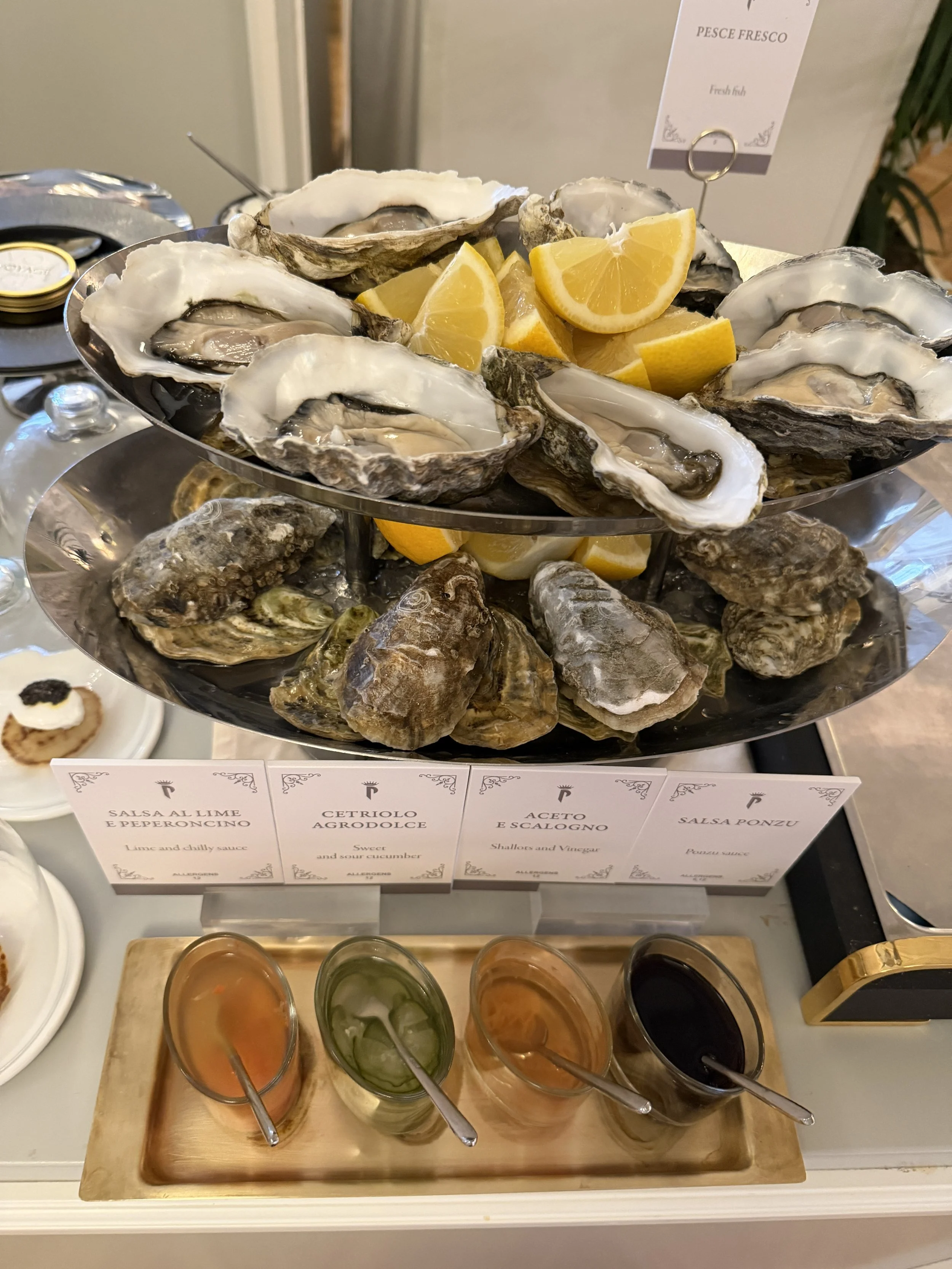
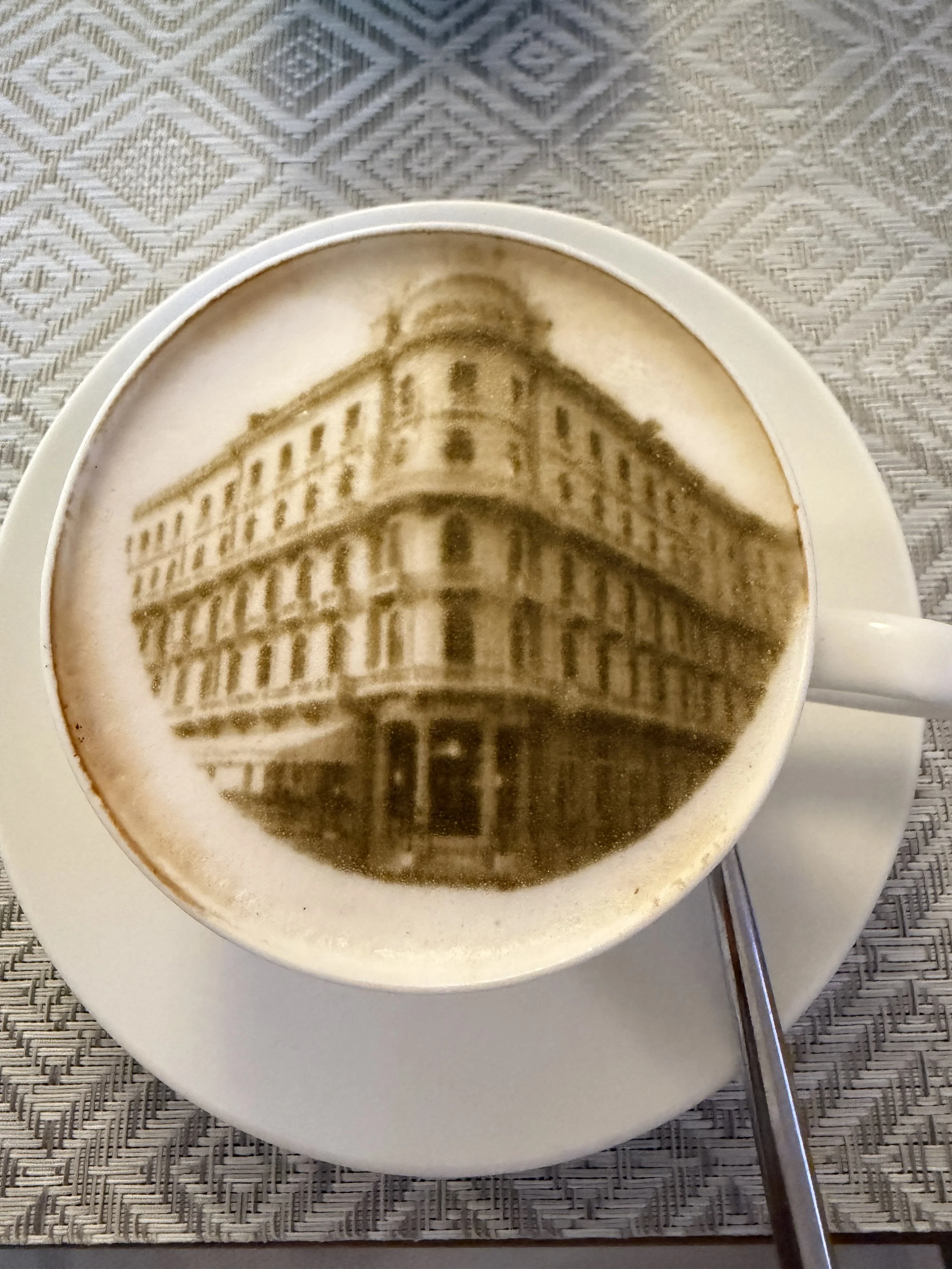
Breakfast at the Grand Hotel Principe di Piemonte was one of those quietly perfect rituals—sea air, polished service, and nowhere to rush to.
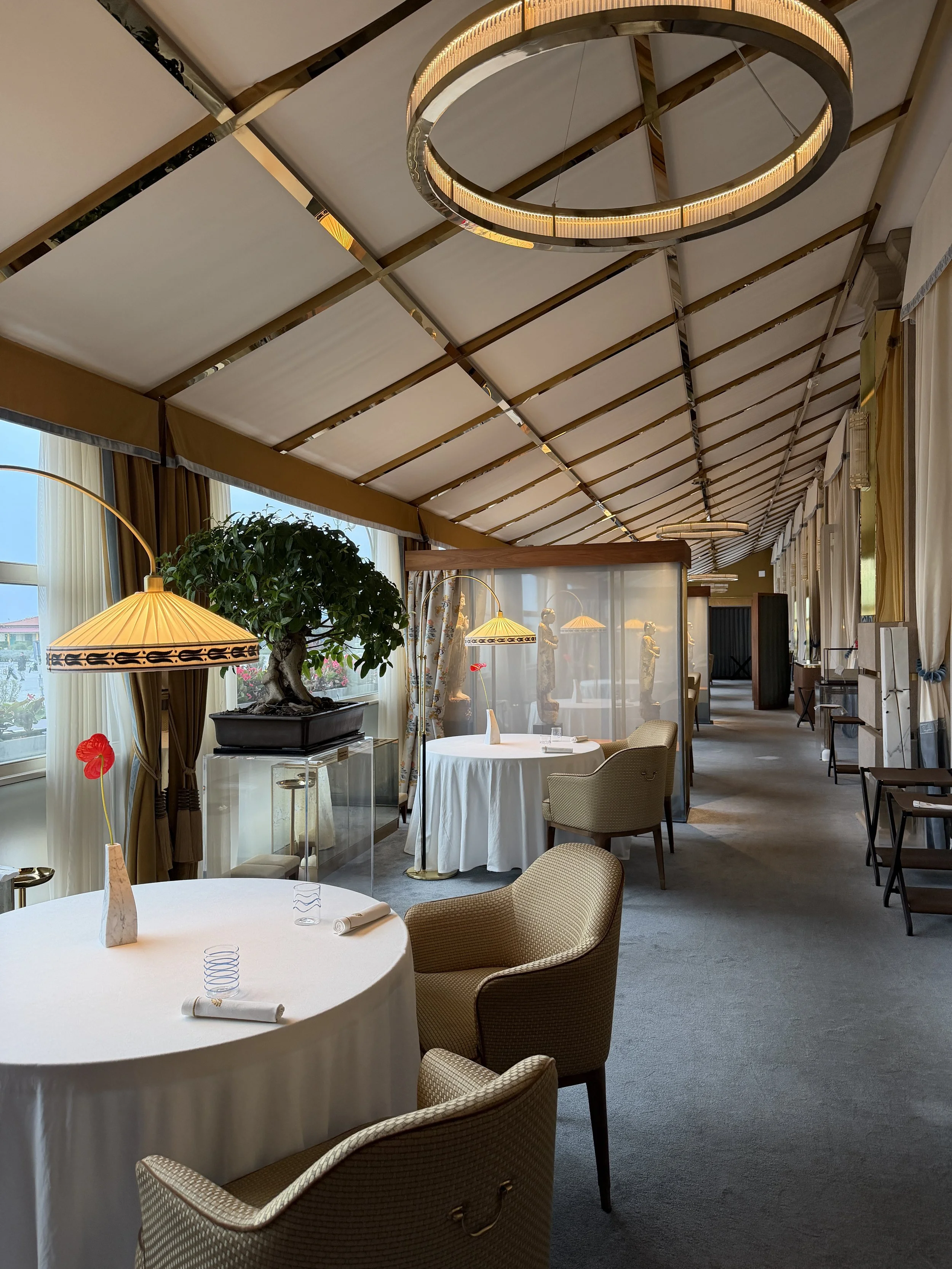
At Il Piccolo Principe, the only two-Michelin-starred restaurant on the Tuscan coast, one dish stood out: spaghetti with butter, anchovies, and smoked tea. Unexpected, elegant, and entirely memorable.
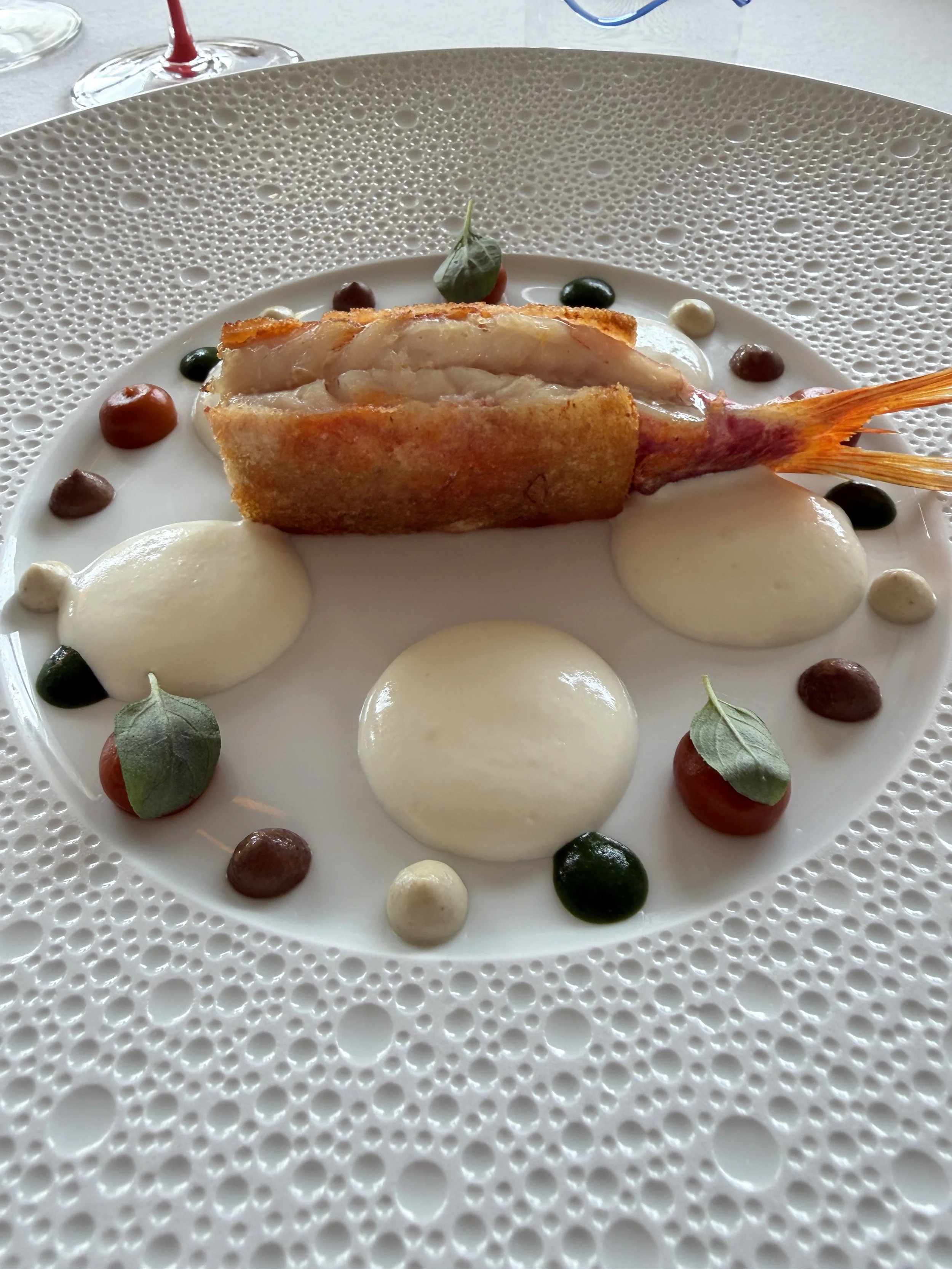
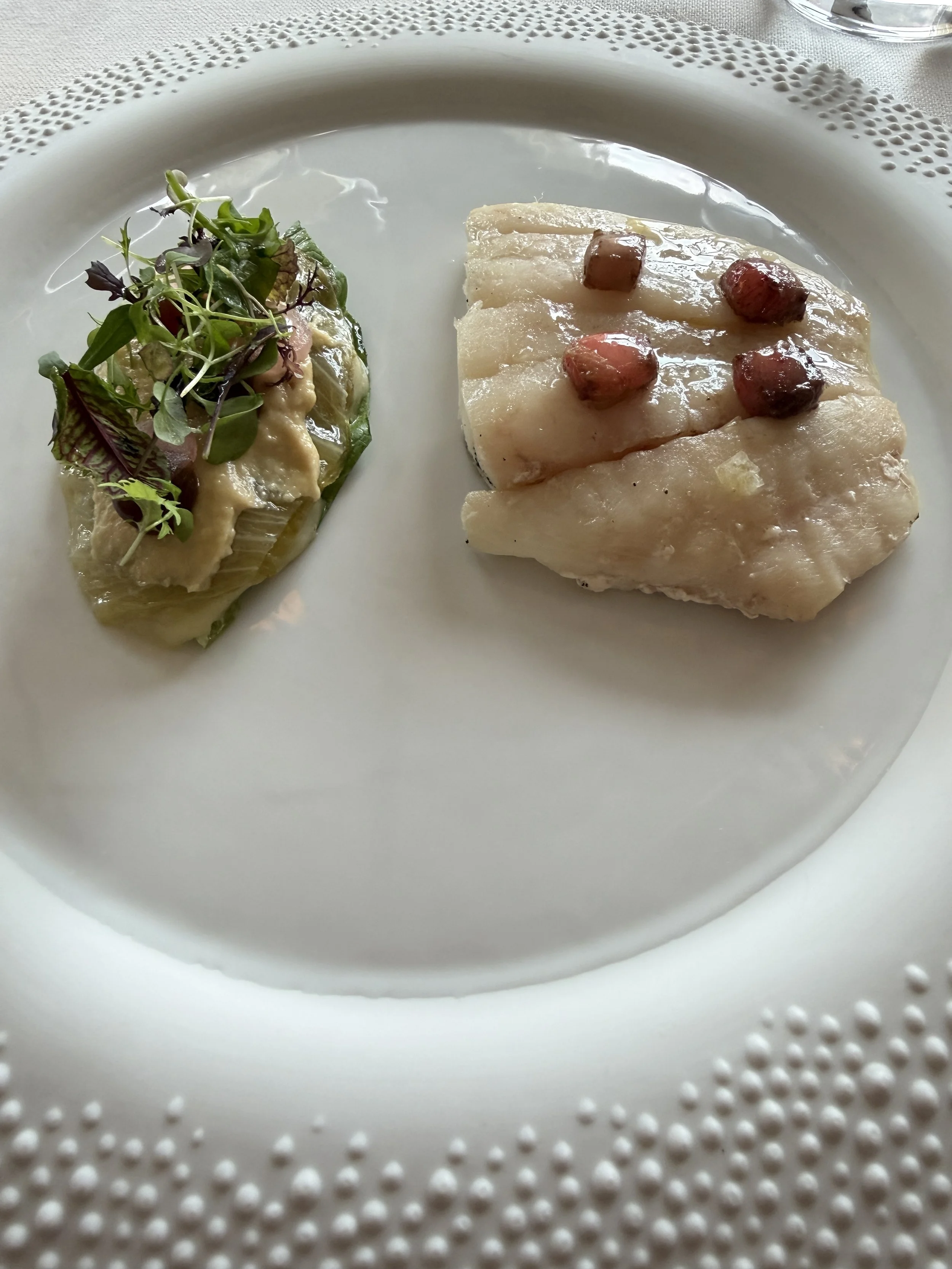
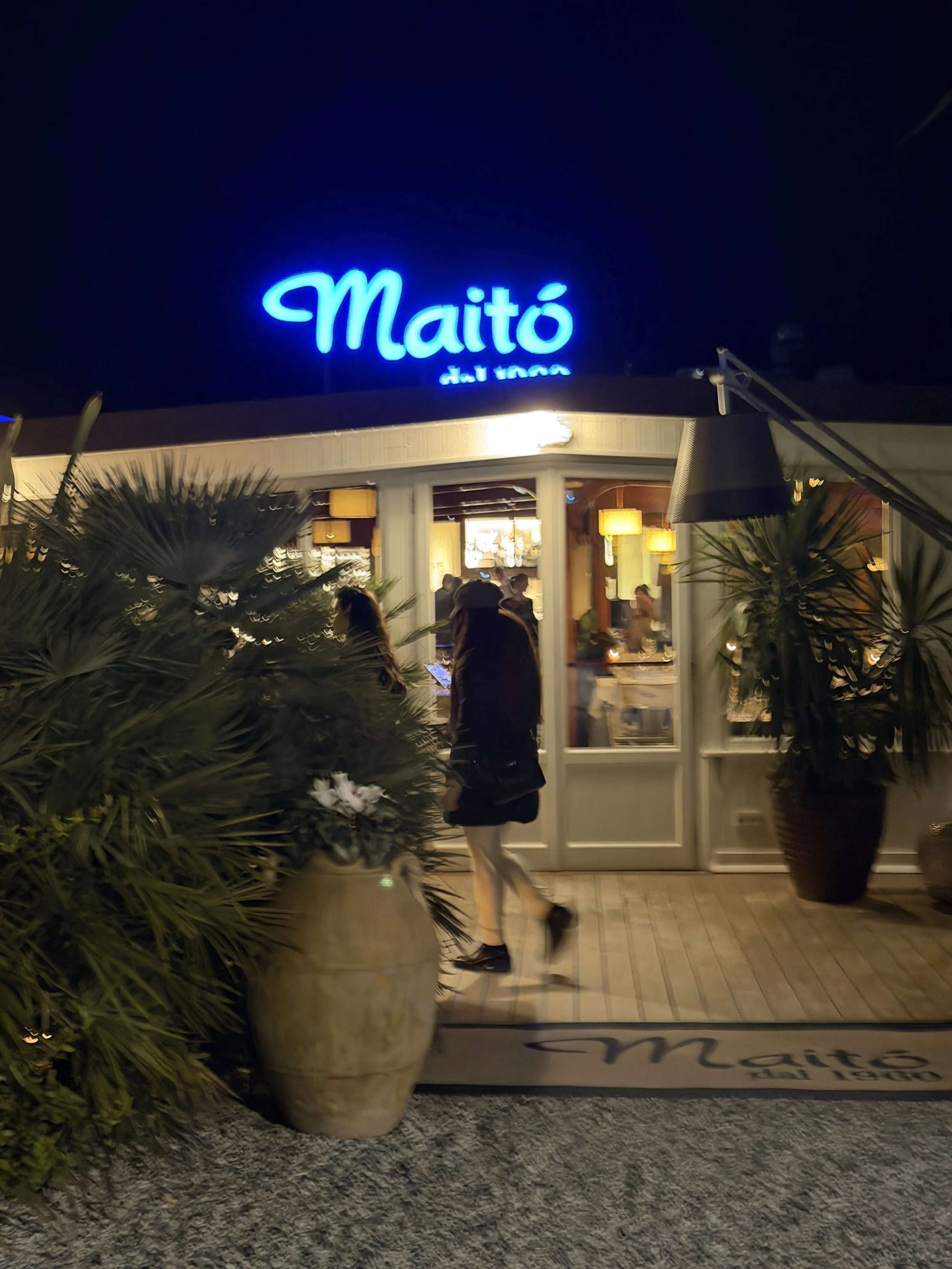
And in Forte dei Marmi, Maitó Beach Club was easily the most fun night of the trip—seafood, music, and that unmistakable Italian sense of occasion.
Why This Trip Stayed with Me
Italy is not short on beauty. That’s a given. But what stayed with me was how much novelty still exists within the familiar—and how meaningful it is to balance iconic experiences with personal ones.
A view from the Loggia. The shimmer of the Pala d’Oro. My own imperfect Murano glass. David, again, and somehow newly. Cooking by the Arno. Standing inside a Carrara quarry and seeing marble differently.
These are the moments that travel is built on—not just the landmarks, but the details that attach themselves to feeling.
Italy, as ever, seduced. But this time, it also surprised me.
And that may be the best reason of all to keep going back.
If Italy is calling—whether for a return to the classics or a more layered journey filled with exceptional hotels, immersive experiences, and unforgettable meals—I’d be delighted to help you plan it with the same care and curiosity that shaped this one through Travels with Tesa.